
Yes, you can legally and practically wrap a financed car.
Holding an active auto loan does not stop you from changing your vehicle's appearance. Financing is simply a loan structure to purchase a car: you hold ownership of the vehicle, while the lender holds a financial lien against the title. Unlike a leased vehicle, you face zero turn-in inspections or strict restoration mandates when wrapping a financed car.

Who Actually Has a Say Over a Financed Car?
Here is the truth: people often confuse financing with leasing, leading to unnecessary worry about modification rules.
| [Your Name on Title] | ---> You are the registered owner (Control cosmetic changes) |
| [Lender Lienholder] | ---> Holds financial interest (Requires loan repayment + insurance) |
| [Insurance Carrier] | ---> Protects vehicle value (Needs disclosure of modifications) |
When you finance a car, your main contractual obligation to the lender is making your monthly payments on time while keeping full insurance coverage active. The bank cares about getting paid back—not whether your hood is gloss black or satin grey.
Read Your Loan Agreement Before Assuming Anything
While auto lenders almost never prohibit cosmetic vinyl wraps, you should still check your contract for these specific terms:
- Collateral Maintenance Clauses: Lenders require that the vehicle remains in good working order so its market value covers the loan balance if default occurs.
- Total Loss Rules: Your contract requires maintaining comprehensive and collision insurance so payouts cover the remaining debt if the car gets written off.
- Permanent Modification Warnings: Reversible vinyl wraps do not alter metal panels or permanently alter body structures, meaning they comply with standard loan terms.

What a Car Wrap Changes—and What It Doesn't
Wrapping your vehicle changes its visual style—it has zero impact on your financial agreement.
| Feature | Physical Wrap | Auto Loan Contract |
|---|---|---|
| Impact Area | Exterior paint & panel finish | Monthly payment & interest rate |
| Ownership Status | Fully reversible cosmetic layer | Unchanged lien balance |
| Re-Valuation | Not required by bank | Fixed to initial purchase agreement |
Changing your car's exterior color does not trigger a loan re-appraisal, change your monthly payment, or adjust your payoff balance.
Your Insurance Company May Have a Different Question
Installing a vinyl wrap without telling your insurance carrier puts your investment at risk during an accident.
| [Standard Policy Only] | ---> Pays for OEM Paint Repairs Only ($0 for Wrap Film) |
| [Custom Parts Coverage] | ---> Pays for OEM Paint Repairs + Re-Wrapping Damaged Panels |
- Declare Aftermarket Modifications: Standard policies cover factory equipment. To make sure a $2,500 to $5,000 wrap gets covered in a claim, add a custom parts and equipment endorsement.
- Keep Your Invoices: Save itemized receipts from your installer. Insurers require proof of purchase to adjust policy limits and payout vinyl repairs after an accident.
Does Wrapping a Financed Car Affect the Manufacturer Warranty?
Cosmetic vinyl wraps do not void your vehicle's factory warranty.
Under standard warranty protections, a dealer can only reject a claim if the modification directly caused the mechanical failure. For example, a vinyl wrap on your doors cannot void your engine, transmission, or electrical warranty. However, if an installer damages sensor wiring inside a bumper while removing trim, that specific bumper sensor repair won't be covered under warranty.

Your Paint Condition Matters More Than Your Loan Balance
The physical condition of your paint determines wrap success far more than your bank balance does.
| [Factory OEM Paint] | ---> Strong Adhesion Bond | ---> Clean Vinyl Removal Later |
| [Repainted/Chipped Surface] | ---> Weak Clear Coat Bond | ---> Risk of Paint Lifting |
- Factory OEM Paint: Vinyl relies on smooth clear coat for strong adhesion and clean removal years down the road.
- Repainted Panels: Aftermarket body shop repairs or DIY touch-ups often lack OEM bond strength, creating a risk of clear coat lifting during film removal.
- Surface Damage: Deep stone chips, flaking clear coat, or rust must be sanded smooth before wrapping. Vinyl hugs every panel contour, showing every underlying imperfection.

What If You Sell or Trade the Car Before the Loan Is Paid Off?
Trading in or selling a wrapped car before paying off your loan requires simple planning:
- Private Sales: Popular shades like Satin Black or Nardo Grey can attract buyers willing to pay market value. Niche custom graphics, however, narrow your buyer pool.
- Dealership Trade-Ins: Dealerships appraise trade-ins based on wholesale values. Dealers often subtract wrap removal costs from their offer so their team can inspect the underlying OEM paint.
Does a Wrap Increase or Decrease a Financed Car's Value?
A vinyl wrap does not increase your vehicle's book trade-in value dollar-for-dollar.
However, it preserves your underlying factory paint from UV fading, bird droppings, and minor surface swirl marks. When removed cleanly before resale, your factory paint underneath looks like it just left the showroom floor—protecting your resale value.
When a Wrap Is a Smart Choice—and When It Isn't
Wrapping Makes Sense If:
- You plan to keep the vehicle for at least 2 to 4 years of your loan term.
- Your factory OEM paint is in great condition.
- You want to protect the factory finish while customizing the appearance.
Skip the Wrap If:
- You plan to trade in or sell the car within the next 6 to 12 months.
- Your paint is peeling, rusting, or severely chipped.
- You do not want to budget for professional removal later.
Choose the Wrap After You Know What You Want the Car to Look Like
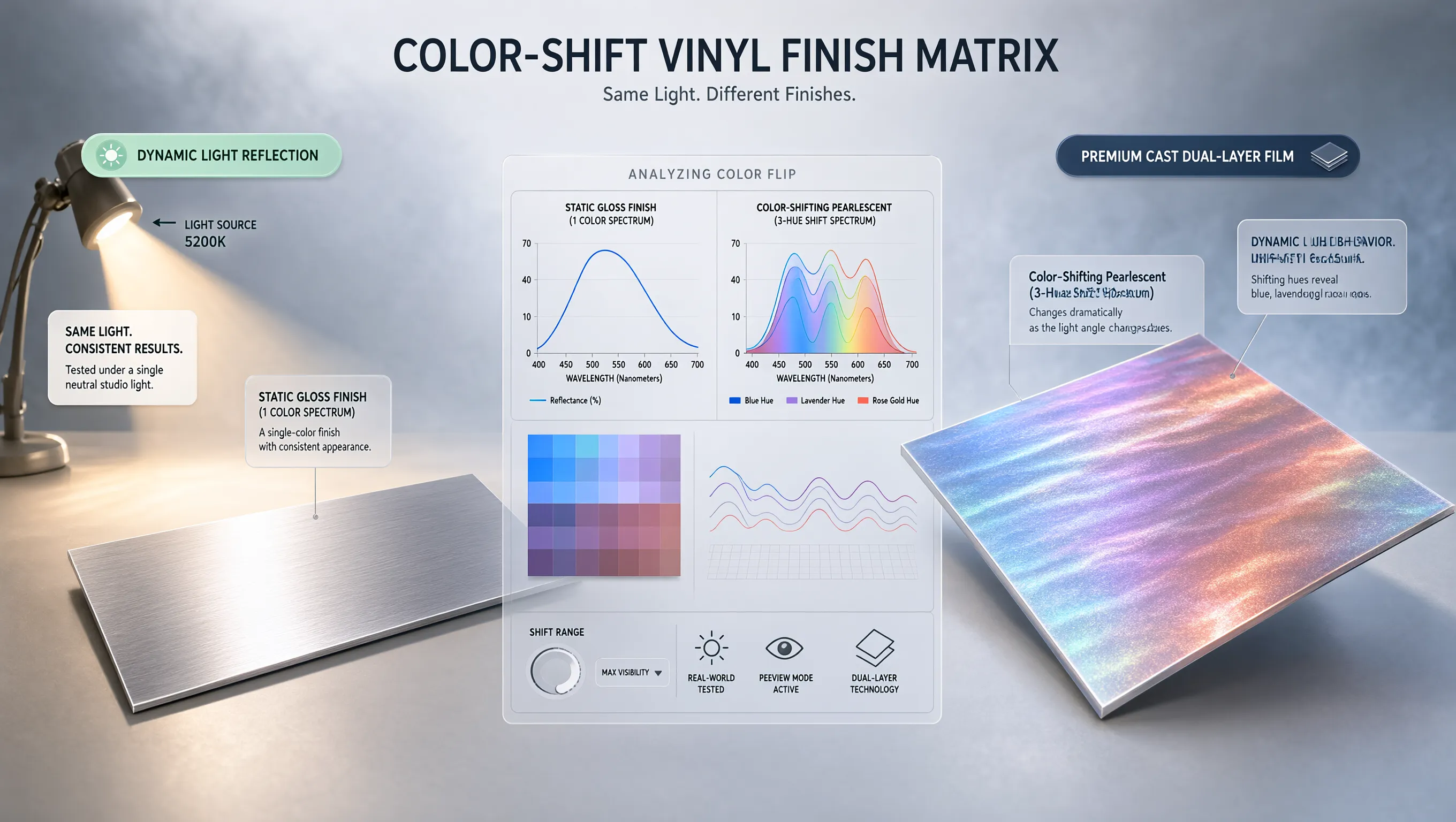
Settling on a color choice using tiny material swatches under fluorescent shop lights makes it hard to picture the final result.
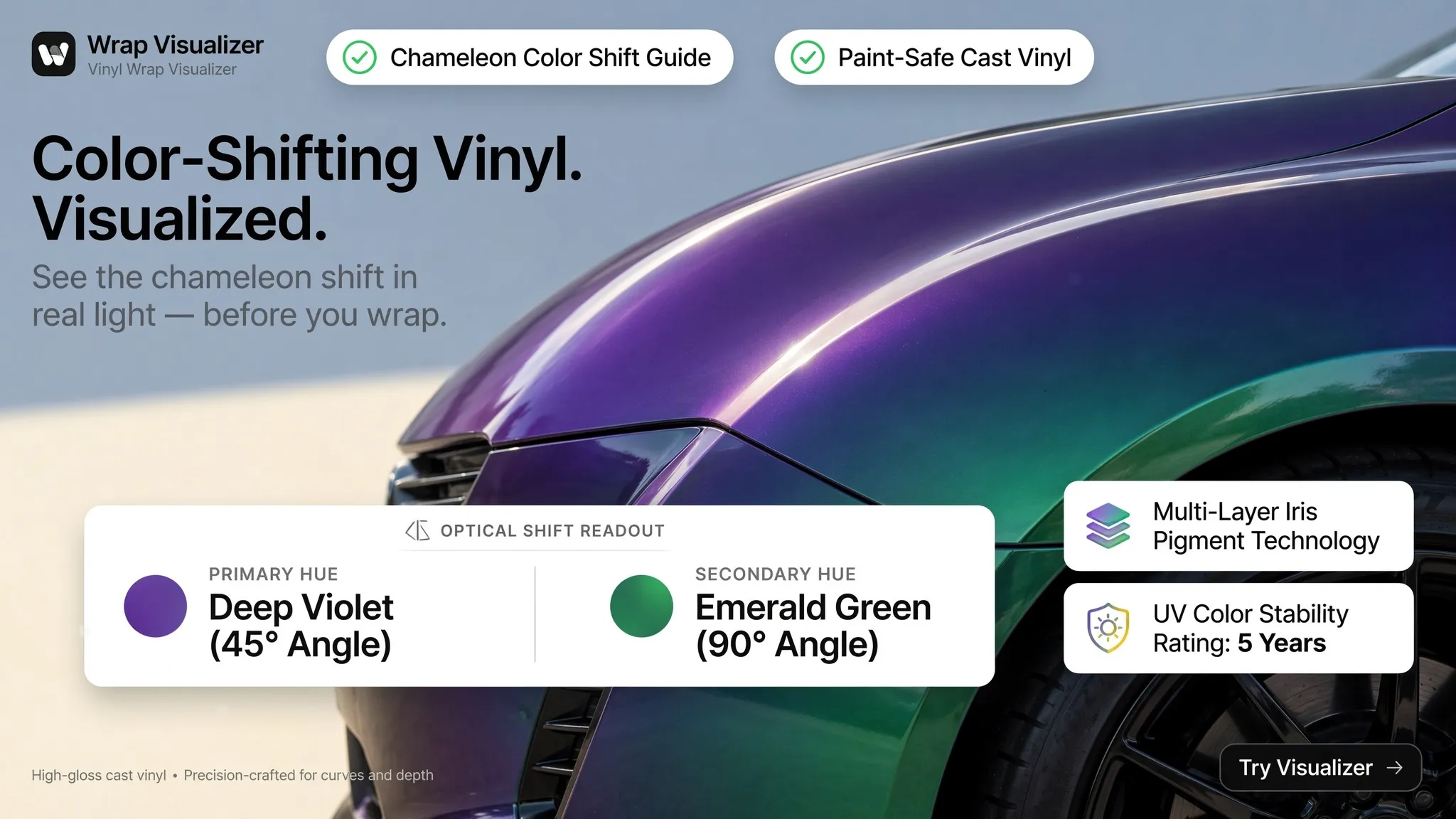
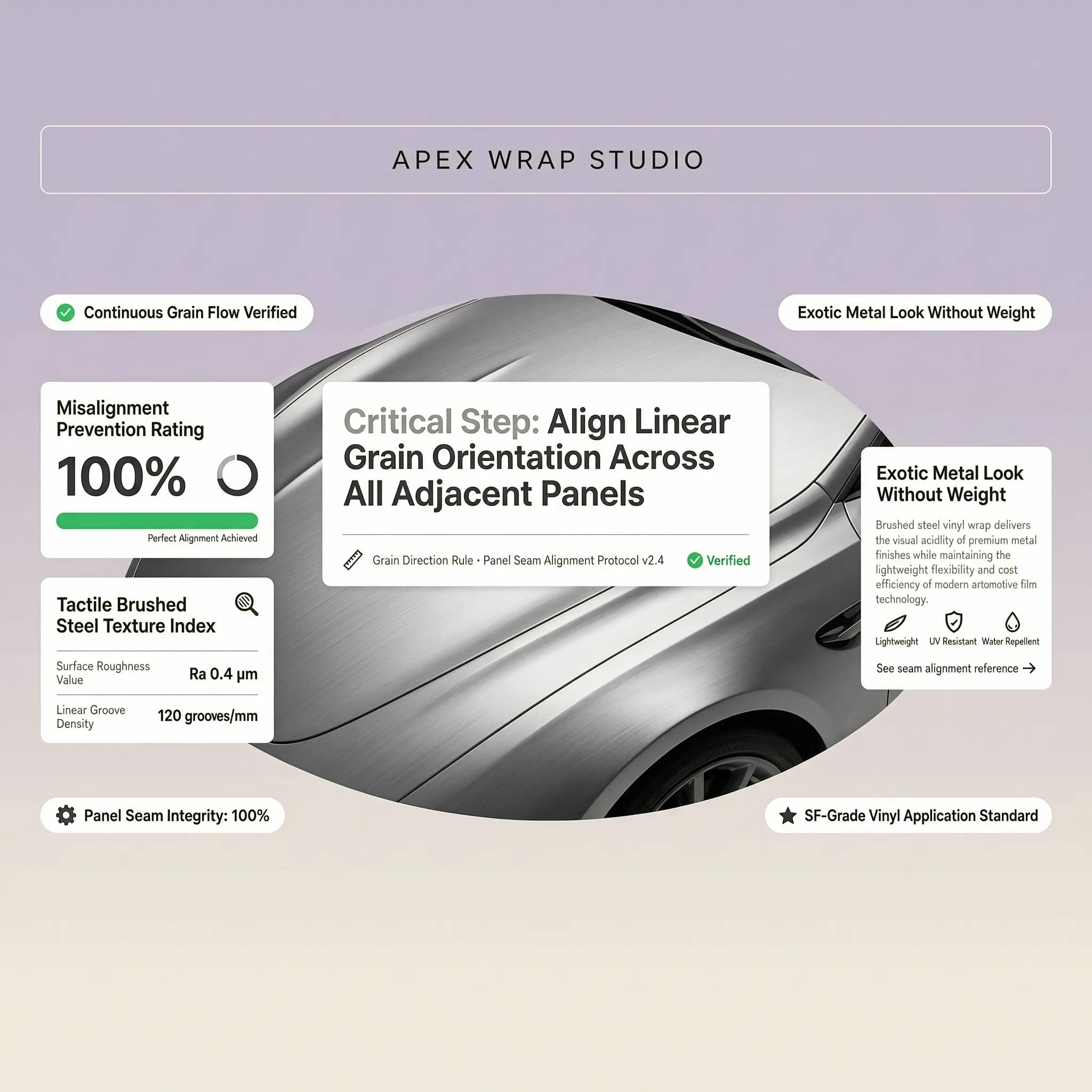
Colors shift when stretched across curved fenders, sharp hood lines, and changing sunlight. A satin metal finish looks completely different on a sharp sports sedan than it does on a flat sample sheet.
See Your Financed Car With a New Wrap Before You Spend the Money
Want to test how a new color or finish looks on your exact vehicle before spending thousands at an installation shop?
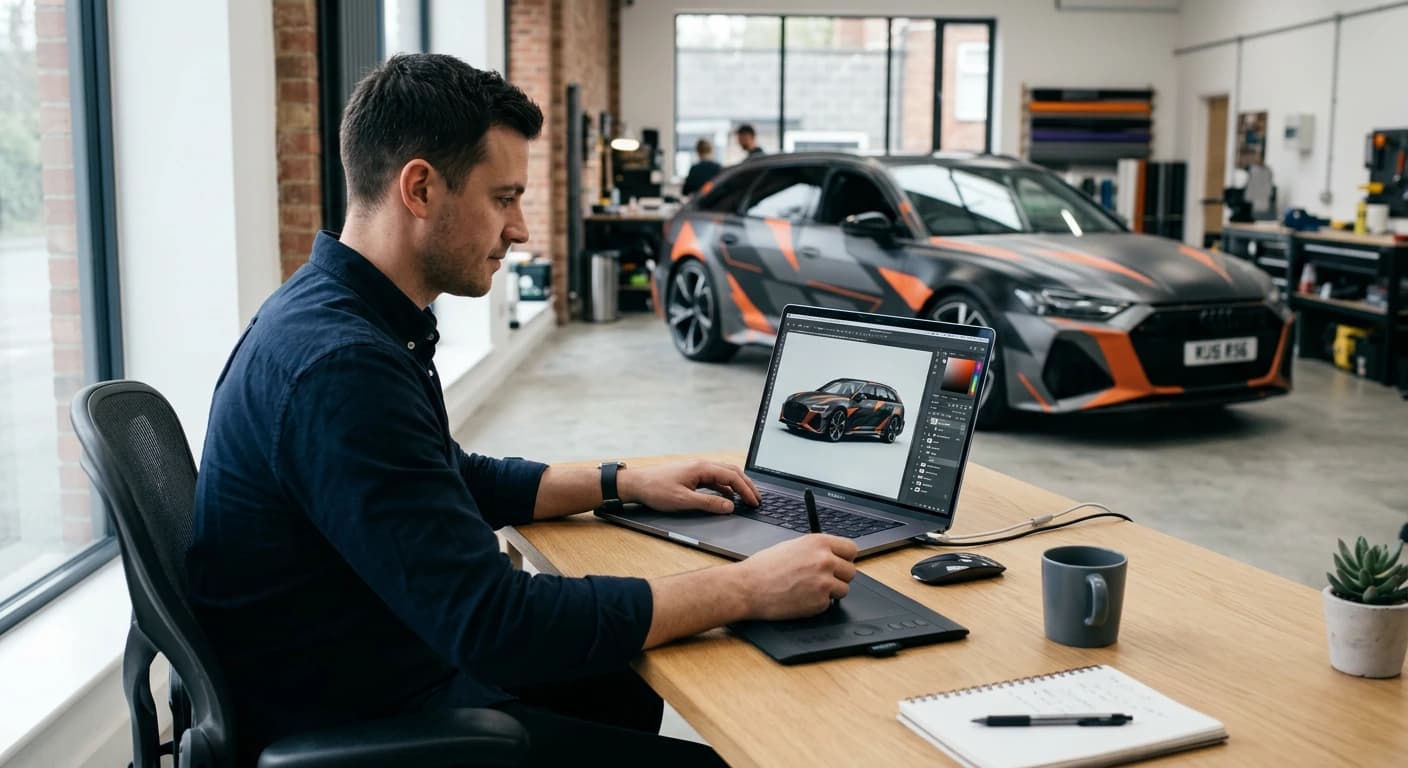
Using an AI car wrap visualizer lets you test high-resolution gloss, matte, satin, or metallic finishes directly on your vehicle's specific make and model under realistic lighting. You can compare options, refine your look, and share clear visual references with wrap shops for exact quotes.

FAQ: Wrapping a Financed Car
Is it legal to wrap a car that is currently financed?
Yes. When you finance a car, you hold registered ownership while your lender holds a lien against the title until the balance is paid off. Because a high-quality vinyl wrap is 100% removable and non-permanent, it does not violate standard vehicle financing agreements. You have full legal authority to customize its appearance.
Do I need my lender's permission before wrapping my car?
No. Auto lenders do not require notification for non-permanent cosmetic modifications like vinyl wraps. Their primary contractual interest is ensuring you make your monthly payments on time and maintain active comprehensive and collision insurance coverage to protect the loan's collateral value.
Will wrapping a financed car change my monthly loan payments?
No. A vinyl wrap is an aftermarket cosmetic project paid out of pocket. It has zero effect on your loan agreement, interest rate, principal balance, or monthly payment schedule set by the bank.
What happens if my wrapped car gets into an accident?
Standard auto insurance policies only pay to repair original factory equipment. If your wrapped vehicle is damaged:
- Without Supplemental Coverage: Insurance pays for bodywork and OEM paint, but will not cover replacing damaged vinyl film.
- With Custom Parts Coverage: Adding a "Custom Parts and Equipment" (CPE) endorsement ensures the insurer covers the cost to re-wrap damaged panels. Keep your installer's itemized receipt for claim verification.
Does a vinyl wrap void my vehicle's factory warranty?
No. Federal laws (such as the Magnuson-Moss Warranty Act) prevent dealers from voiding a vehicle warranty simply because it has a wrap. The wrap only impacts warranty claims if an installer directly damages a component during application—such as slicing a wiring harness while removing trim pieces or cutting into clear coat with a razor blade.
Can I wrap over damaged or repainted factory panels?
You should avoid wrapping over unstable or fresh paint. Vinyl adhesion requires a smooth, factory clear coat:
- Factory OEM Paint: Provides a strong chemical bond and peels away cleanly years later.
- Repainted/Chipped Areas: Bondo, flaking clear coat, or low-quality body shop repaints can lift off metal panels when the vinyl is eventually removed, leaving you with expensive paint repair bills.
Does a wrap help or hurt my car's resale value?
A professional vinyl wrap protects factory paint from sun fading, light rock chips, and bird droppings. When removed before selling, it reveals pristine OEM paint, helping preserve peak market value. However, leaving a worn wrap on during a dealer trade-in can lower your offer, as dealers will deduct the labor cost of stripping old film.
What should I do with the wrap if I trade in or sell the car early?
If trading in at a dealership, it is best to remove the wrap first. Dealership appraisers look for factory paint condition. If the car is wrapped, the dealer will either require you to strip it or deduct $500–$1,000 from your trade-in allowance to cover removal labor.
How long can I safely leave a wrap on my car?
High-grade cast vinyl (from top manufacturers like 3M or Avery Dennison) lasts 3 to 5 years depending on climate and maintenance. Removing film within this window ensures the adhesive strips away cleanly. Leaving film on past 5 years under heavy sun exposure causes it to bake into the clear coat, making removal difficult and labor-intensive.
What is the total cost to wrap and eventually unwrap a car?
Calculate the full lifecycle cost upfront:
- Professional Installation: $2,500 – $4,500
- Professional Removal (Year 3–4): $500 – $1,000
- Paint Buff & Detail: $200 – $400
- Total Investment: $3,200 – $5,900
Full wrap vs. partial wrap: Which makes more sense on a financed car?
Full wrap vs. partial wrap: Which makes more sense on a financed car?
- Partial Wraps (Roof, Hood, Mirrors): Ideal for testing custom looks on a budget. They cost significantly less ($300–$800), use minimal film, and peel off in under an hour.
- Full Wraps: Best if you plan to keep the vehicle for 2+ years and want a total color transformation while shielding your entire factory finish from daily wear.
How can I see how a wrap will look on my vehicle before buying?
Avoid choosing colors solely from a small 2-inch material swatch. Vinyl looks dramatically different when stretched over body curves and exposed to natural sunlight.
Using an AI car wrap visualizer allows you to upload photos of your vehicle's make, model, and trim to preview high-resolution gloss, satin, matte, or metallic finishes under realistic lighting before spending money at an installation shop.