
You step outside on a scorching July afternoon, and the heat hits you like a furnace wall.
Your car has been baking under relentless, direct sunlight in an unshaded asphalt parking lot for six hours. As you reach for the door handle, a sudden spike of anxiety stops you cold: Is the intense summer heat melting my vinyl wrap? Will I walk out tomorrow to find lifted edges, ugly bubbles, or cracked film?
It’s an understandable fear.
The good news? High-grade automotive cast vinyl is engineered from the ground up to endure punishing weather conditions.
However, intense ambient heat combined with severe solar radiation pushes any synthetic material to its absolute limits.
Whether you live in a desert climate like Arizona, commute daily through humid summer traffic, or park your vehicle outdoors 24/7, here is the raw truth about how extreme heat affects vinyl wraps, why surface temperatures spike higher than you think, and what you must do to shield your investment.

1. Your Car's Paint May Be Cooler Than the Vinyl on Its Hood
Here’s a startling reality check: when the weather forecast calls for 95°F (35°C), the actual temperature on your vehicle's horizontal panels can easily soar past 160°F to 180°F (71°C to 82°C).
┌────────────────────────────────────────────────────────────────────────┐ │ AMBIENT AIR vs. PANEL TEMPERATURE │ ├────────────────────────────────────────────────────────────────────────┤ │ [ Ambient Air Temp ] --> 95°F / 35°C │ │ [ White / Silver Panel] -> 125°F – 140°F (30° hotter than air) │ │ [ Black / Dark Vinyl ]--> 165°F – 185°F (Up to 90° hotter than air!) │ └────────────────────────────────────────────────────────────────────────┘
Why does this happen?
Dark pigments and PVC vinyl films absorb solar thermal energy continuously throughout the day. While ambient air moves and dissipates heat, metal panels under dark vinyl act like thermal sponges, trapping heat beneath the surface.
This extreme surface spike is precisely why high-ambient climates place intense physical stress on film adhesives, color pigments, and edge seam bonds.
2. What Actually Happens to Vinyl Wrap When It Gets Too Hot?
Understanding how extreme temperatures degrade vinyl requires separating material flexibility from adhesive failure.
HEAT DAMAGE PROGRESSION [ Thermal Expansion ] -> Film expands during day; contracts sharply at night [ Plasticizer Loss ] --> Prolonged heat bakes out oils, rendering film brittle [ Adhesive Baking ] --> Heat weakens tack; glue dries out or cooks into paint
When vinyl is exposed to continuous heat spikes without proper care:
Plasticizer Migration: PVC films contain chemical plasticizers that keep the material soft and pliable. Continuous heat bakes these essential oils out of the vinyl over time, making the surface stiff, brittle, and prone to cracking.
Adhesive Degradation: High heat softens pressure-sensitive adhesives. If the film was installed under excessive tension, heat weakens the glue's holding power, allowing stretched corners to pull back and shrink.
Thermal Shock: Rapid shifts—like blasting a 170°F baking hood with ice-cold hose water—cause quick contraction, weakening seam edges over time.
3. Why One Wrapped Car Survives Summer While Another Starts Peeling
Ever wonder why one wrapped car looks immaculate after three hot summers while a similar vehicle down the street develops lifted edges within six months?
It isn't just about the temperature outside. It comes down to material class and installation discipline.
┌────────────────────────────────────────────────────────────────────────┐ │ SURVIVAL FACTOR COMPARISON │ ├────────────────────────────────────────────────────────────────────────┤ │ [ Premium Cast Film ] --> Zero memory retention; stable up to 200°F│ │ [ Cheap Calendered Film]--> High shrinkage memory; pulls back in heat │ │ [ Post-Heating Standard] --> Installer post-heated edges to 195°F+ │ └────────────────────────────────────────────────────────────────────────┘
The difference comes down to three critical variables:
Cast vs. Calendered Film: Premium cast films from leading manufacturers hold no molecular "memory," meaning they won't pull back when heated. Cheap calendered films are stretched during manufacturing and constantly try to shrink back to their original size when baked by the sun.
Post-Heating Discipline: During installation, master technicians use heat guns to bring stretched recessed areas up to 195°F – 205°F (90°C – 96°C). This crucial step resets the vinyl's memory structure, preventing it from pulling out of deep bumper channels during summer heatwaves.
Paint Decontamination Prep: If a shop leaves behind invisible oils or wax residue during surface prep, high heat breaks down the weak adhesive bond, causing premature edge lifting.
4. The Hood, Roof, and Horizontal Panels Face the Toughest Conditions
Not all panels on your vehicle experience equal thermal stress.
Horizontal surfaces act as ground zero for heat degradation and UV exposure.
PANEL RISK EXPOSURE HIERARCHY [ Extreme Risk ] --> Hood, Roof, Trunk Lid (Direct 90° solar angle) [ Moderate Risk]--> Front Bumper, Rear Quarter Tops [ Low Risk ] --> Vertical Doors, Side Fenders, Rocker Panels
Because horizontal panels receive direct, perpendicular sunlight for eight to ten hours a day, the vinyl on your hood and roof ages roughly twice as fast as the vinyl on your side doors.
If you are planning a color change or looking into estimating partial vs. full car wrap installation costs, consider adding a ceramic protective coat or clear Paint Protection Film (PPF) layer over the hood and roof to shield those vulnerable zones.

5. Will Extreme Heat Cause Bubbles, Wrinkles, or Edges to Lift?
When heat strikes a wrapped car, existing installation flaws suddenly become visible.
┌────────────────────────────────────────────────────────────────────────┐ │ HEAT-TRIGGERED SYMPTOMS │ ├────────────────────────────────────────────────────────────────────────┤ │ • Edge Lifting --> Caused by lack of post-heating or stretched film│ │ • Sun Bubbles --> Trapped moisture or outgassing under the surface │ │ • Wrinkling --> Panel expansion pushing against tight trim seams │ └────────────────────────────────────────────────────────────────────────┘
Trapped Air Expansion: Tiny, invisible pockets of air or moisture trapped under the vinyl during installation expand as temperatures rise, creating noticeable bubbles under direct sunlight.
Recess Lifting: In deep bumper intakes, vinyl stretched past its elastic limit without proper inlay seams will lift away from the paint once solar heat softens the adhesive.
To learn how to spot proper installation work before heat exposes flawed seams, read our guide on inspecting car wrap quality and installation standards.
6. Does a Dark Car Wrap Get Hotter Than a Light One?
Yes, significantly hotter.
Basic physics dictates that dark pigments absorb almost all light wavelengths, transforming light into thermal energy. A gloss black or matte dark vinyl wrap can run 30°F to 40°F hotter on surface metal than a white or silver wrap under identical sunlight.
SURFACE HEAT BY COLOR [ Satin/Gloss Black ] -> 165°F – 185°F (Maximum heat retention) [ Dark Blue / Red ] -> 145°F – 165°F (High heat retention) [ Silver / White ] -> 115°F – 130°F (Low heat retention; reflects light)
Does this mean dark wraps are a mistake in warm climates? Not necessarily.
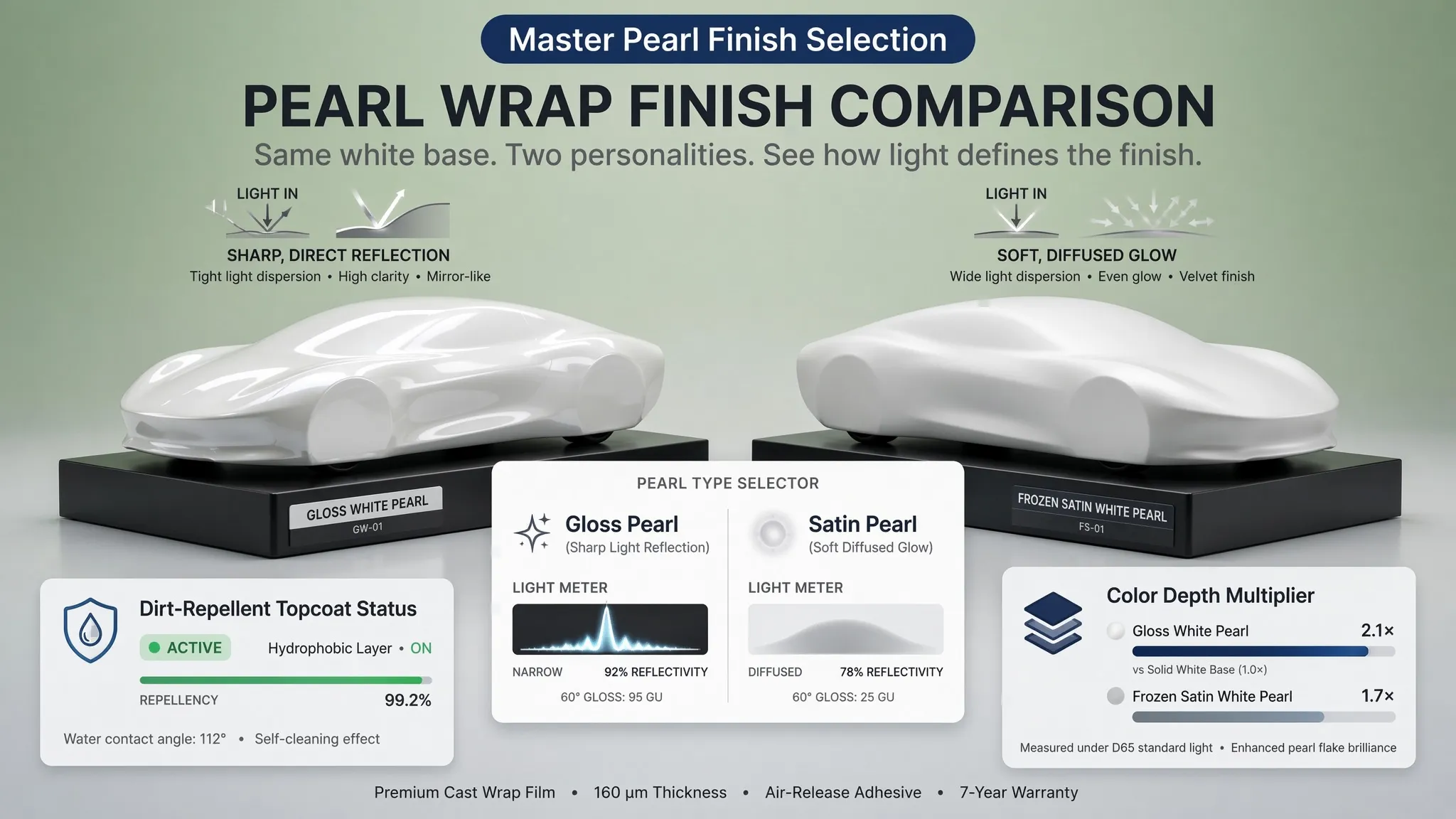
Premium cast dark vinyls are engineered to withstand these temperatures, but they do require more frequent maintenance to prevent environmental contaminants from baking into the softened topcoat.
7. Can Heat Make a Car Wrap Fade, Crack, or Change Its Finish?
Continuous thermal exposure works hand-in-hand with ultraviolet (UV) radiation to alter the appearance of your wrap.
┌────────────────────────────────────────────────────────────────────────┐ │ THERMAL & UV DEGRADATION PATTERNS │ ├────────────────────────────────────────────────────────────────────────┤ │ • Color Fading --> UV rays break down chemical color pigments │ │ • Finish Haze --> Solar heat oxidizes gloss clear caps │ │ • Micro-Cracking--> Loss of plasticizers creates fine surface fractures │ └────────────────────────────────────────────────────────────────────────┘
Without UV inhibitors or protective sealants:
Gloss finishes gradually lose their mirror shine, taking on a hazy, oxidized appearance.
Matte finishes can develop shiny, uneven patches from heat-baked environmental oils.
Vibrant red and yellow pigments can fade prematurely if left unsealed under direct sunlight.
8. Is Parking in the Shade Enough to Protect a Car Wrap?
Parking smart is the single most effective action you can take to preserve your wrap's lifespan in a hot climate.
PARKING PROTECTION EFFICIENCY [ Indoor Garage ] --> 100% protection from thermal cycles & UV rays [ Covered Carport ] --> 85% protection (blocks overhead solar radiation) [ Tree Shade ] --> 50% risk (protects from sun, but adds sap/bird risk) [ Direct Sunlight ] --> 0% protection (accelerates film aging)
If garage parking isn't an option at your home or workplace:
Park under covered carports whenever possible.
Avoid parking directly under sap-dropping pine trees or bird-nesting branches.
Use a breathable, wrap-safe car cover if your vehicle sits unmoved outdoors for extended periods during peak summer months.
9. Can You Wash a Wrapped Car When It's Extremely Hot Outside?
Here is a critical mistake that ruins wrapped cars every summer: washing a vehicle while the panels are scorching hot.
Spraying cold water onto a 170°F vinyl hood causes rapid thermal shock.
The abrupt temperature change forces the vinyl and underlying sheet metal to contract at different rates, straining the adhesive bond along panel edges.
┌────────────────────────────────────────────────────────────────────────┐ │ SUMMER WASHING PROTOCOL │ ├────────────────────────────────────────────────────────────────────────┤ │ 1. Cool Down First: Park in full shade for 30+ minutes before washing │ │ 2. Hand Wash Only: Use pH-neutral car shampoo & plush microfiber │ │ 3. Avoid Hot Sun: Never let soap dry on hot vinyl to prevent spots │ └────────────────────────────────────────────────────────────────────────┘
Always touch the hood with the back of your hand before cleaning. If the panel feels hot, let the car cool down in the shade before applying water or wrap detailer.
10. What Should You Do When a Wrap Starts Shrinking or Lifting in Hot Weather?
If you notice a lifted corner or pulled edge during a hot stretch, do not attempt to fix it with a household lighter or superglue.
Improvised DIY repairs usually melt the delicate clear topcoat, burn the vinyl, or permanently damage your vehicle's factory paint underneath.
CORRECT ACTION PLAN [ Step 1 ] --> Do not pull or stretch the lifted section further [ Step 2 ] --> Clean away dust using warm water and a soft microfiber towel [ Step 3 ] --> Take the vehicle to a professional installer for trimming or re-heating
If caught early, a professional technician can cleanly trim the lifted tension edge using knifeless tape, re-seal the margin, and post-heat the panel to prevent further peeling—saving you from an expensive full-panel replacement.
11. Before Summer Arrives, Check These Three Things About Your Wrap
Pre-summer prep takes less than fifteen minutes and protects your investment before the first major heatwave hits.
┌────────────────────────────────────────────────────────────────────────┐ │ PRE-SUMMER INSPECTION CHECKLIST │ ├────────────────────────────────────────────────────────────────────────┤ │ [ Check 1: Edge Seals ] --> Inspect door hems, wheel arches & headlight trim│ │ [ Check 2: Surface Coat]--> Apply a wrap ceramic detailer for UV defense │ │ [ Check 3: Clean Recesses]--> Remove trapped dirt from bumper intake channels│ └────────────────────────────────────────────────────────────────────────┘
Applying a specialized hydrophobic wrap ceramic sealant before summer establishes a sacrificial barrier against UV rays, acid rain, and baked-in bug splatter, keeping your finish smooth and easy to clean all season long.
12. Planning Your Build for a Hot Climate? Preview Finishes First
If you live in a hot region and want to see how different colors, gloss levels, or reflective sheens suit your specific vehicle before committing to an installation, testing concepts beforehand removes all guesswork.
Visualizing your custom wrap layout online helps you select the ideal combination of shade and finish for your local environment.
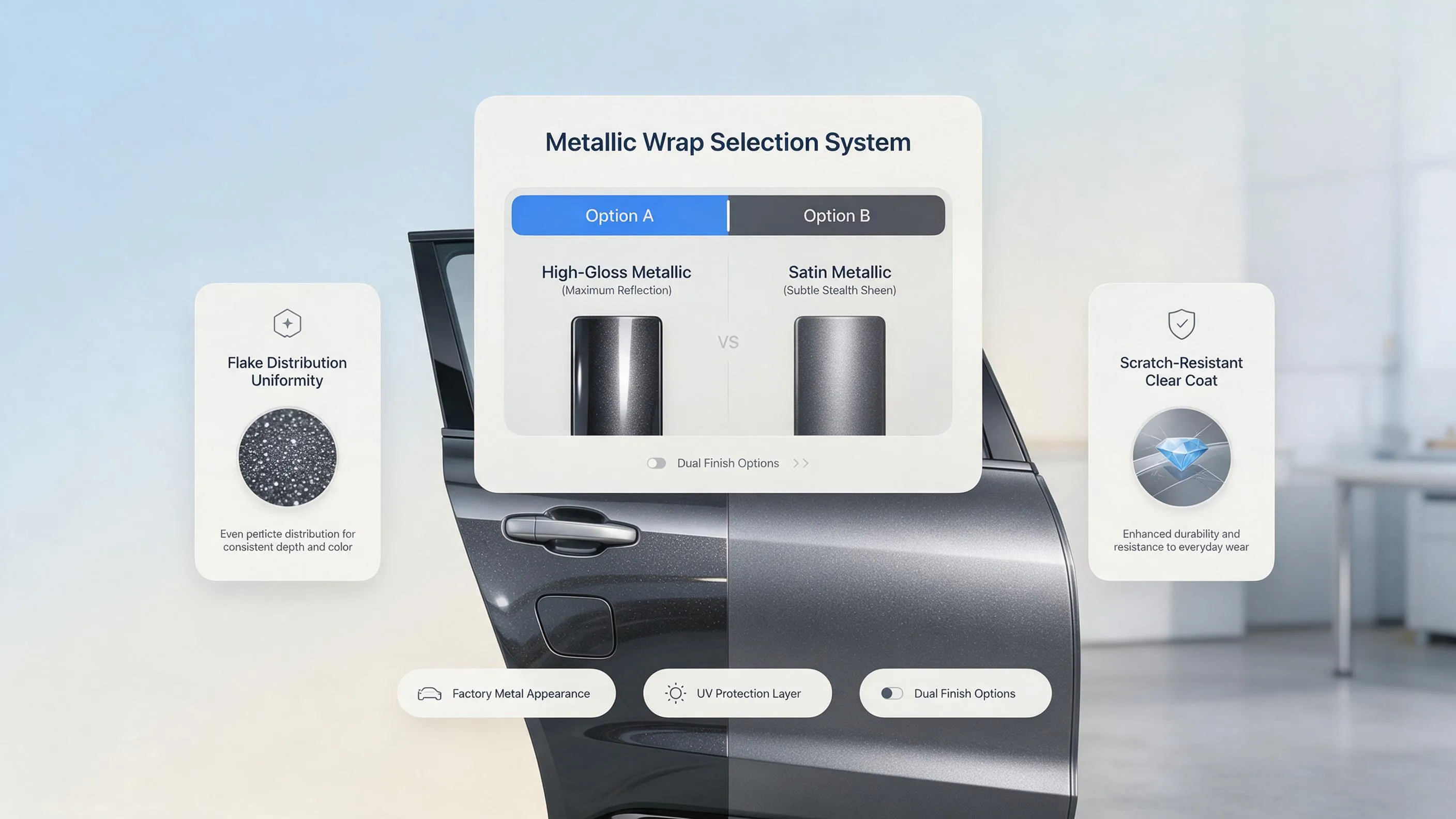
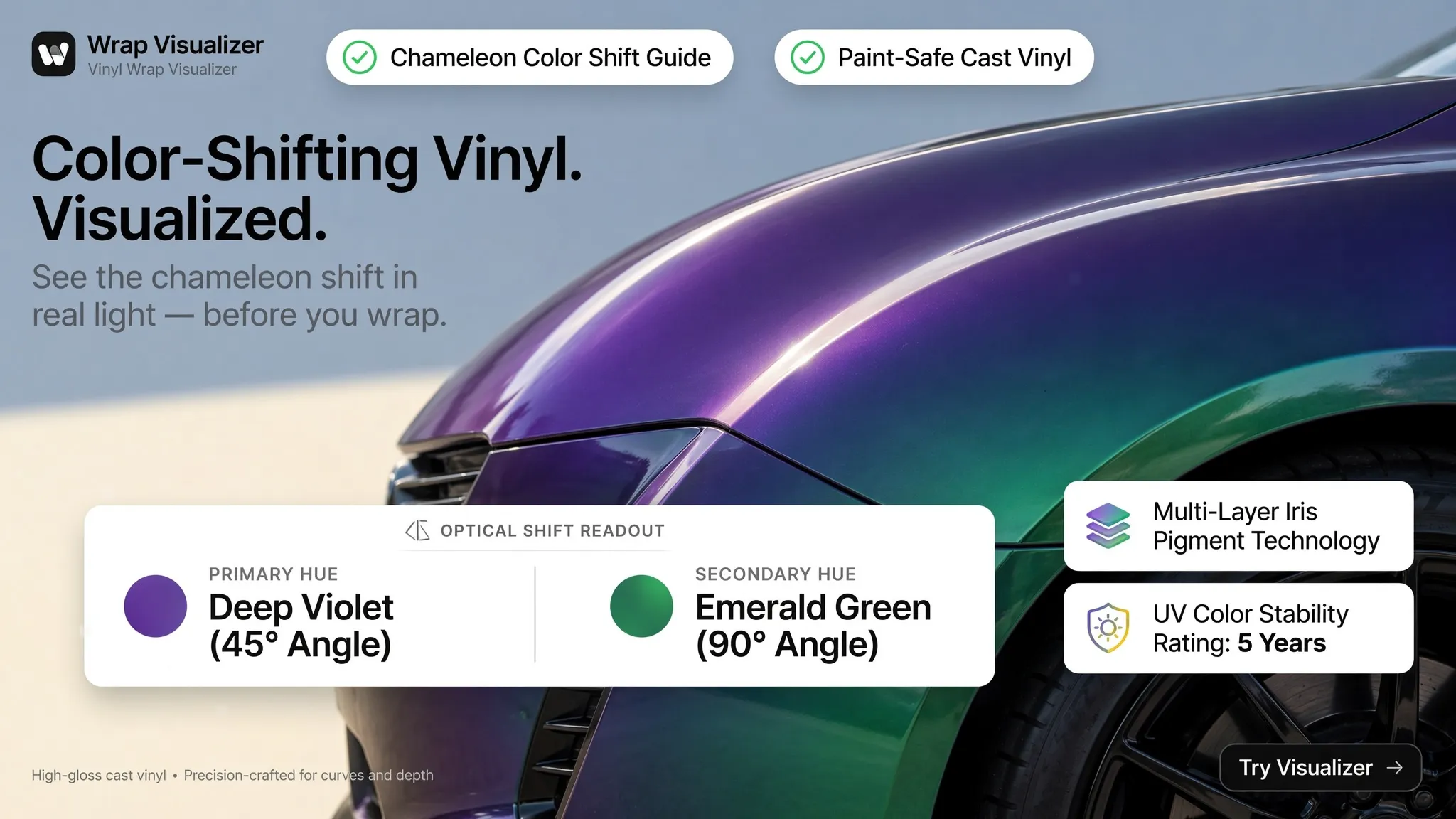
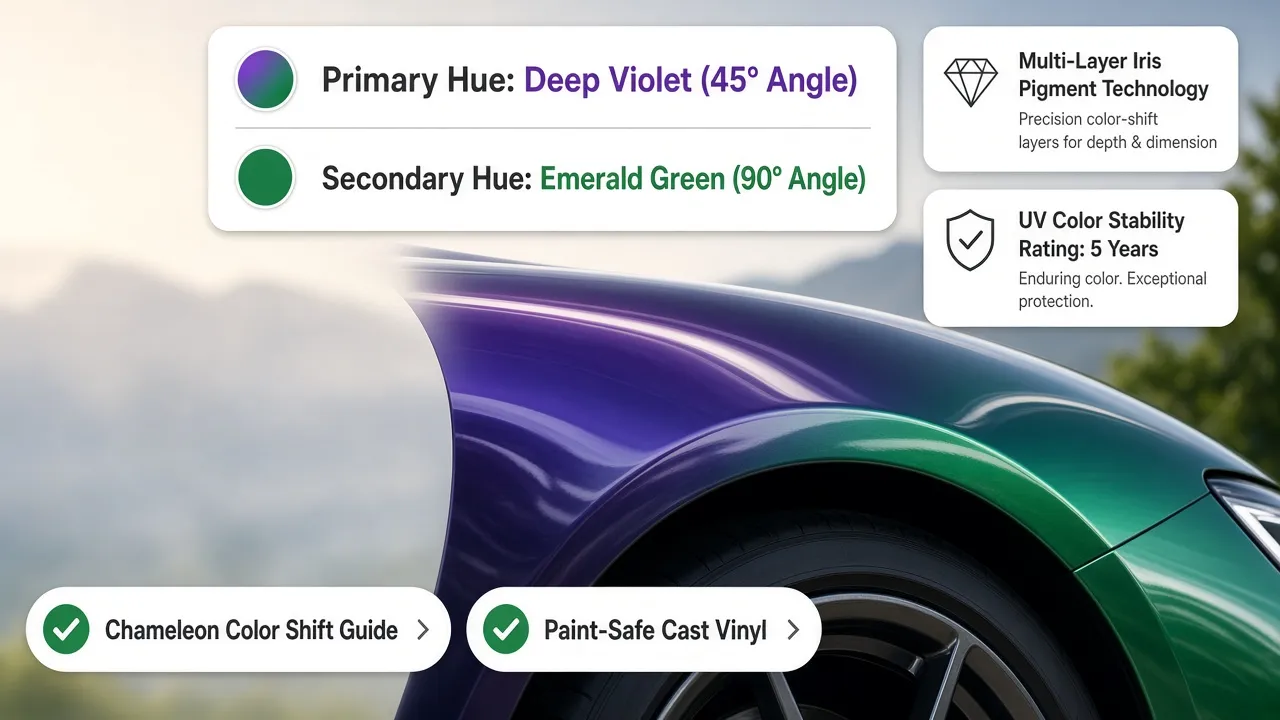
You can upload a photo of your vehicle or choose a matching body model, test light vs. dark color palettes, compare gloss vs. satin heat-tolerant finishes, and preview accent ideas live under different lighting setups.
Try our interactive AI car wrap visualizer tool to test custom finishes and plan your build before booking your professional installation.

FAQs About Can Car Wraps Handle Extreme Heat

Faq About Can car wraps handle extreme heat
1. Can car wraps handle extreme heat, or will the summer sun melt the vinyl?
High-quality automotive cast vinyl is engineered to withstand extreme temperatures up to 200°F (93°C) without melting or liquefying. However, while direct summer sun will not melt a professional wrap, prolonged surface heat spikes (which can reach 160°F+ on dark horizontal panels) accelerate plasticizer loss, causing unmaintained film to dry out, harden, and fade faster over time.
2. Why does the metal on my wrapped hood get so much hotter than the outside air?
Dark pigments and PVC films act like thermal sponges, absorbing solar radiation continuously throughout the day. On a 95°F day, ambient air moves and dissipates heat, but a black or dark blue wrapped hood traps solar energy, causing surface temperatures to climb 30°F to 80°F higher than the surrounding air.
3. What actually causes a vinyl wrap to start peeling or lifting in hot weather?
Heat-induced lifting occurs when vinyl applied under excessive tension suffers adhesive failure. When intense solar heat softens the pressure-sensitive adhesive, film that was over-stretched without proper post-heating pulls back toward its original flat shape, causing edges around wheel arches, door handles, and bumper recesses to lift.
4. How does extreme heat affect cheap calendered wrap vs. premium cast vinyl?
The difference comes down to material memory:
Premium Cast Film: Cast vinyl has zero inherent memory. It remains dimensionally stable under intense heat, expanding and contracting naturally without pulling back or shrinking.
Calendered Wrap Film: Calendered vinyl is manufactured by stretching raw PVC. When exposed to hot summer sun, it continuously attempts to shrink back to its original size, leading to severe edge curling and adhesive failure.
5. Why do hoods and roofs show heat damage long before side door panels?
Horizontal panels receive direct, perpendicular sunlight for eight to ten hours every day, taking the maximum hit from UV radiation and thermal absorption. Vertical side panels receive indirect light at lower angles, meaning hoods and roofs experience roughly twice the thermal stress and age twice as fast as door faces.
6. Will baking in direct sunlight cause my vinyl wrap to form air bubbles?
Sun bubbles appear when tiny, invisible air pockets or moisture trapped during installation expand under extreme heat. As the panel temperature rises, the trapped air expands against the softened vinyl topcoat, pushing the material upward into visible bubbles along flat panel faces.
7. Should I avoid black or dark car wrap colors if I live in a hot desert climate?
You don't need to avoid dark colors, but you must account for higher surface temperatures. Gloss black, dark navy, and matte dark wraps run 30°F to 40°F hotter than white or silver films under identical sunlight. While high-grade cast dark vinyl handles this heat, it requires more frequent cleaning and UV sealants to prevent environmental contaminants from baking into the softened topcoat.
8. Can extreme solar heat cause a vinyl wrap to fade, discolor, or lose its gloss finish?
Yes. Continuous heat combined with UV exposure breaks down color pigments and oxidizes clear topcoats. Vibrant reds and yellows can shift in tone, while high-gloss finishes can take on a hazy, dull appearance if left unsealed without regular UV-inhibiting detail sprays.
9. What is the best way to protect an outdoor-parked wrapped car from summer heat?
Parking under covered carports or using a breathable, wrap-safe car cover provides the strongest defense. If open parking is unavoidable, apply a specialized hydrophobic wrap ceramic detailer every few weeks to create a sacrificial barrier against UV rays, industrial fallout, and baked-in tree sap.
10. Is it dangerous to wash a wrapped vehicle right after driving it on a hot afternoon?
Yes. Spraying cold hose water onto a 170°F vinyl hood triggers rapid thermal shock, forcing the vinyl topcoat and underlying metal panel to contract at different speeds. This abrupt shift strains the adhesive bond along panel edges. Always let your vehicle cool down in full shade for at least 30 minutes before washing.
11. What should I do if my wrap starts shrinking or lifting during a heatwave?
Never use a household lighter, heat gun, or superglue to fix lifted edges yourself, as DIY heat burns the clear topcoat and ruins underlying factory paint. Instead, clean the area gently with warm water, avoid picking at the edge, and take the vehicle to a professional installer to trim the tension margin cleanly and re-seal the edge.
12. How long can I realistically expect a car wrap to last in a very hot climate?
In high-heat regions like Arizona, Texas, or Southern California, a professional cast vinyl wrap typically lasts 2 to 4 years. Vertical side panels easily reach the 4-year mark, while horizontal hoods and roofs exposed to 24/7 unshaded sun may require re-wrapping around year 2 or 3 to keep the finish looking fresh.