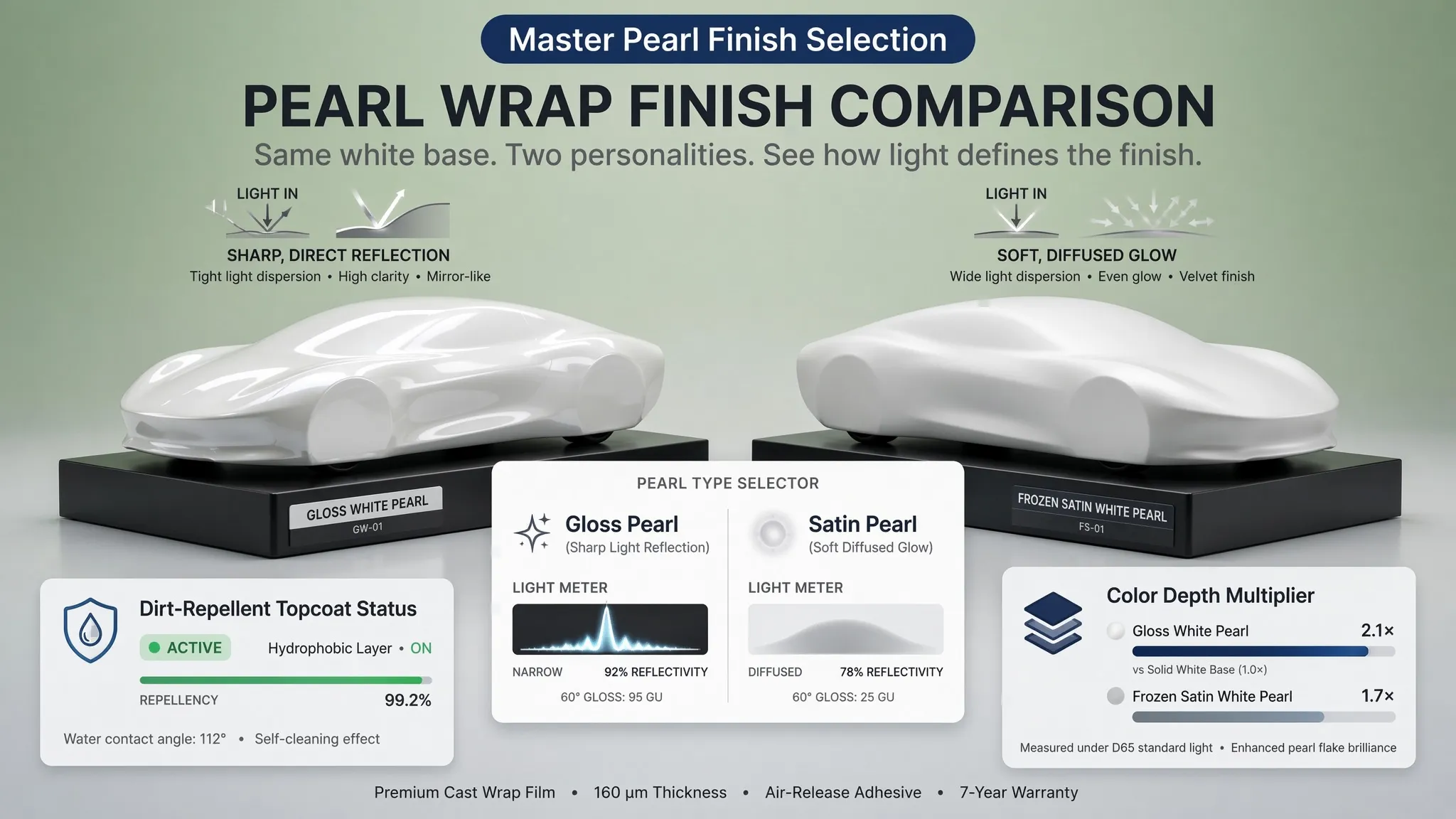

You step into the garage, admiring the razor-sharp finish of your newly installed vinyl build. Then your eye catches a nightmare: a micro-gap right along the leading edge of the front fender, lifting up like a loose piece of tape.
Once an edge begins to lift, it's a ticking clock.
High-speed highway air forces its way beneath the film, water seeps into the adhesive layer, and road grime turns a barely noticeable 1-millimeter gap into a full-panel failure. Protecting your vinyl perimeter isn't just routine detailing—it's safeguard insurance for a multi-thousand-dollar investment. This guide breaks down the precise installation protocols, chemical prep steps, and maintenance routines required to lock your edges down flat for years to come.
1. How to Protect Car Wrap Edges From Lifting and Peeling
Watching exposed material loosen at the corners triggers instant panic for any vehicle owner. You catch yourself asking: "My wrap looks good now, but how do I stop the edges from coming loose?"
Preventing edge lift requires establishing an unyielding mechanical and chemical anchor before water or wind can breach the seal. Whether you ran a full color transformation or targeted accent overlays, your vinyl's perimeter is its only line of defense. By using an intuitive vehicle wrap customizer, you can visualize seam locations and plan seamless panel runs before laying down a single sheet.
Here is the brutal reality of vinyl longevity: the middle of a panel almost never fails—your wrap lives or dies entirely by its edges.
2. Why Car Wrap Edges Start Lifting in the First Place
Understanding how perimeter failures start is the only way to stop them from happening. Installers and owners inevitably ask: "Why does vinyl peel around the doors, bumpers, and mirrors?"
Edge lifting happens when three forces collide: poor surface decontamination, built-in film tension, and lack of post-heating. Pressure-sensitive adhesives need direct, uninhibited contact with paint clear coat. If dust or hidden wax sits behind a fender lip, the film will fail. To explore how underlying paint conditions dictate total adhesive stability, check out our guide on whether car wraps can be installed over factory paint.
3. Pay Extra Attention to Bumpers, Door Edges, Mirrors, and Corners
Not all sections of your vehicle carry the same risk of peeling. You naturally begin to wonder: "Are some parts of my car more likely to develop peeling edges?"
High-impact zones experience extreme aerodynamic stress:
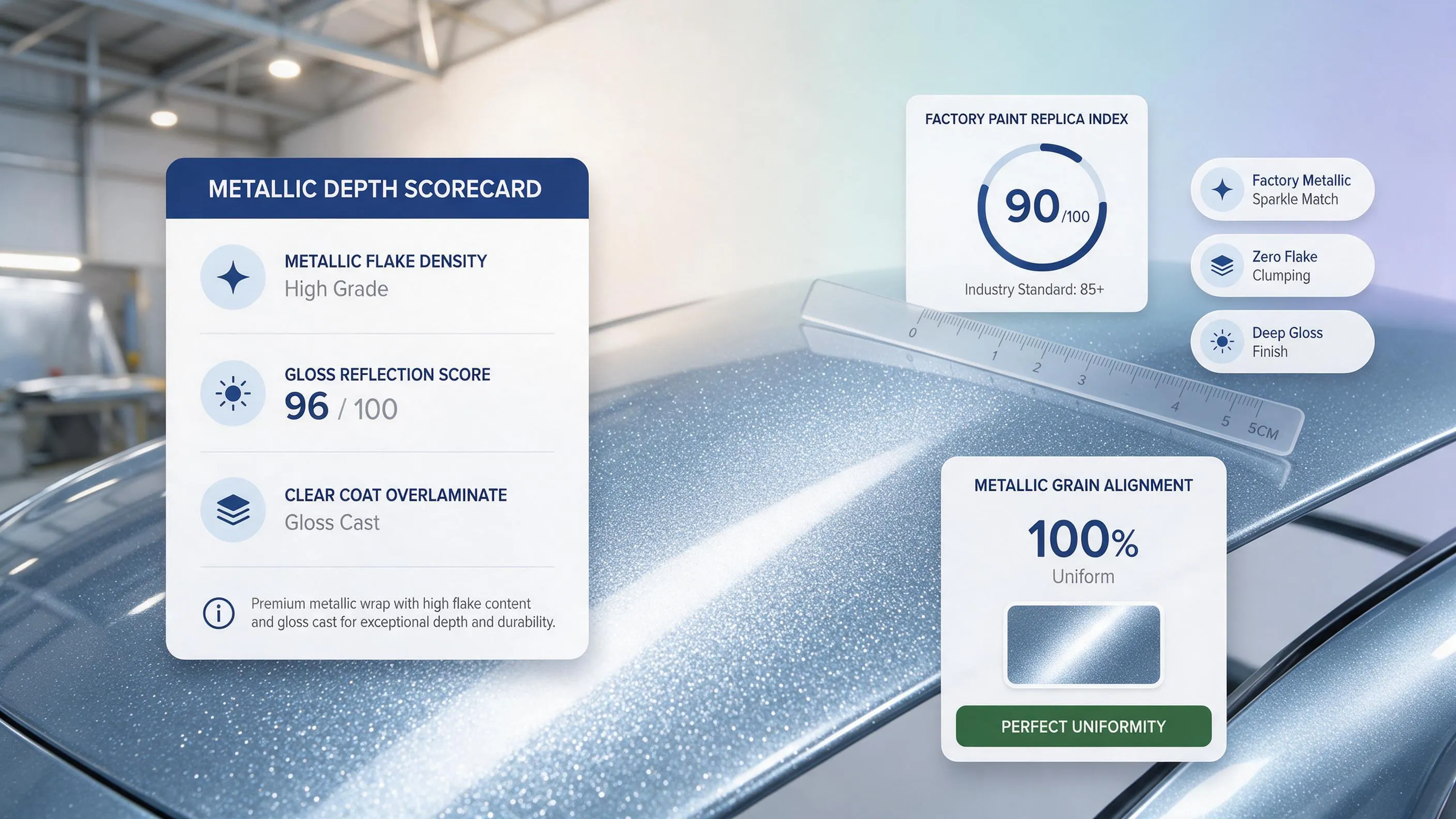
Front Bumper Recesses: Blasted continuously by high-velocity road debris and wind pressure.
Door Handles & Cup Insets: Subjected to constant physical contact and natural skin oils.
Side Mirrors: Curving around tight compound radius bends where stretched vinyl wants to snap back.
To learn more about mastering complex curves and tricky mirror housings, review our step-by-step breakdown on whether you can wrap car mirrors.
4. Make Sure the Paint Is Clean and Dry Before Applying Vinyl
Applying film over hidden road oil or moisture is the fastest way to invite edge peel. Installers frequently hear: "Can leftover wax, dirt, or moisture stop the vinyl from sticking?"
Vinyl glue cannot bond to slick carnauba waxes, ceramic coatings, or hidden grease inside panel channels. You must perform a surgical decontamination wash and execute a deep isopropyl alcohol (IPA) wipe on the reverse side of every single panel lip. If you're setting up a vehicle for installation day, follow our exhaustive master guide on how to prepare a car for a wrap.

5. Choose Proper Edge Wrapping and Tucking Techniques
Cutting film flush right along a panel gap leaves an exposed adhesive edge exposed to the elements. You pause during installation asking: "Should the vinyl wrap around the panel edges or stop at the visible surface?"
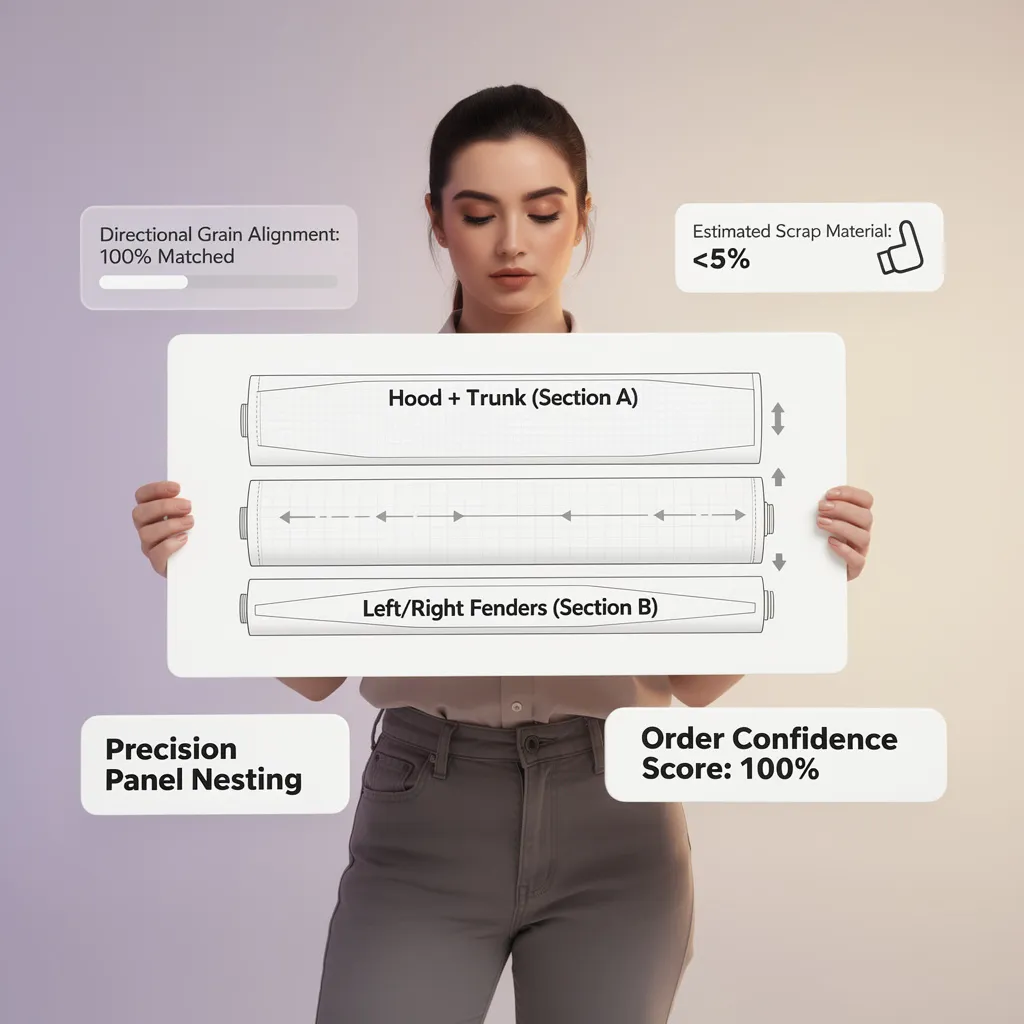
Always leave a 1/4-inch to 1/2-inch tail of excess material to tuck neatly behind the panel lip. Full edge wrapping hides the underlying factory paint while shielding the adhesive seam inside the door jamb or fender liner, completely removing it from direct wind blast and water impact.
6. Avoid Excessive Stretching Near Corners and Curved Panels
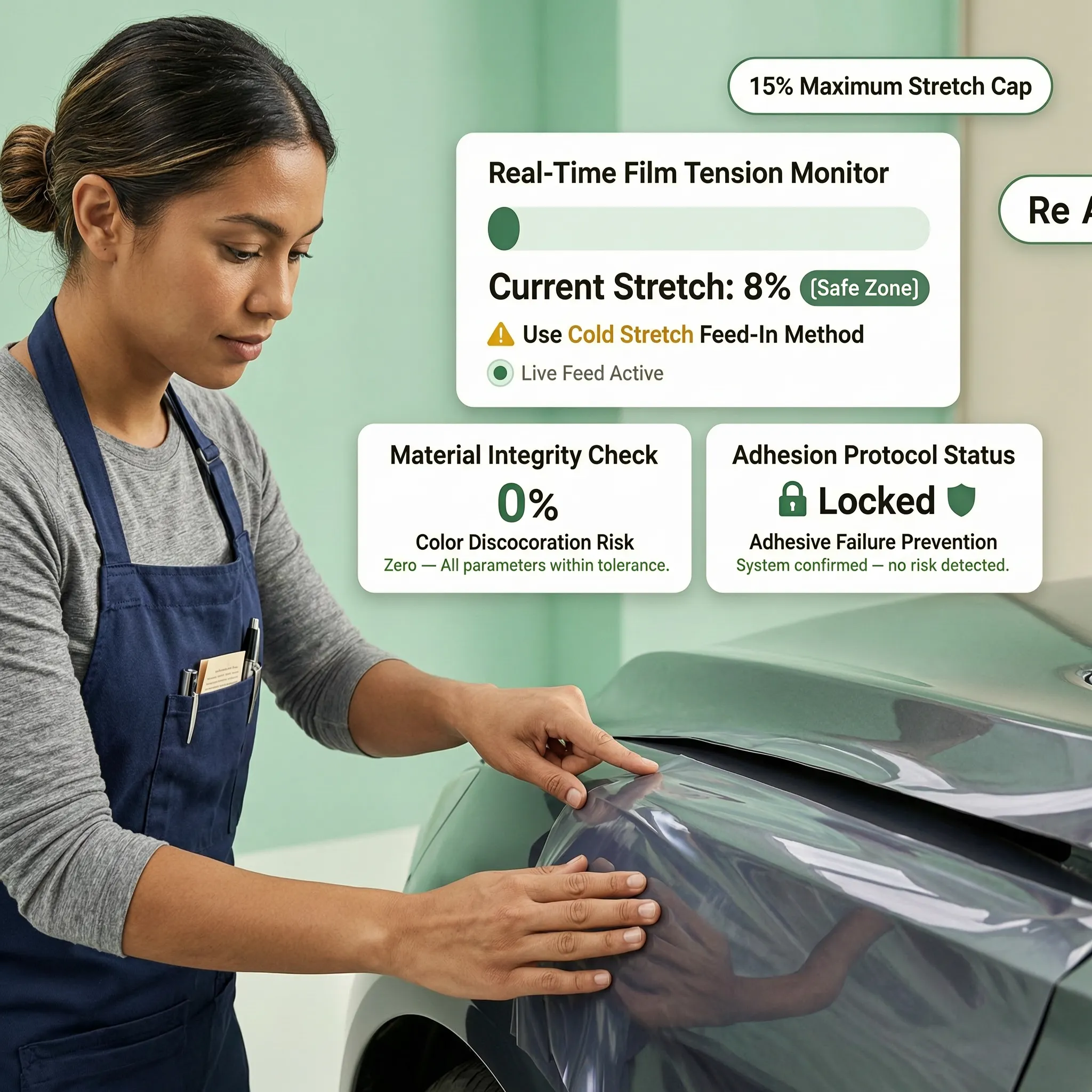
Over-stretching vinyl over deep body channels creates a invisible ticking time bomb. Owners often ask: "Can pulling the vinyl too tightly make it peel later?"
Vinyl film features a visual and structural memory. If you over-stretch material past 15-20% to reach around a bumper corner, that film will continuously pull back toward its original flat shape as soon as summer heat hits your panels. Read our breakdown on why vinyl wrap loses adhesion to understand how thermal stress triggers edge pops.
7. Use Correct Heat and Post-Heating to Secure the Edges
Skipping the final heating pass is the single biggest mistake amateur installers make. You might wonder: "Does heat help the vinyl hold its shape around difficult areas?"
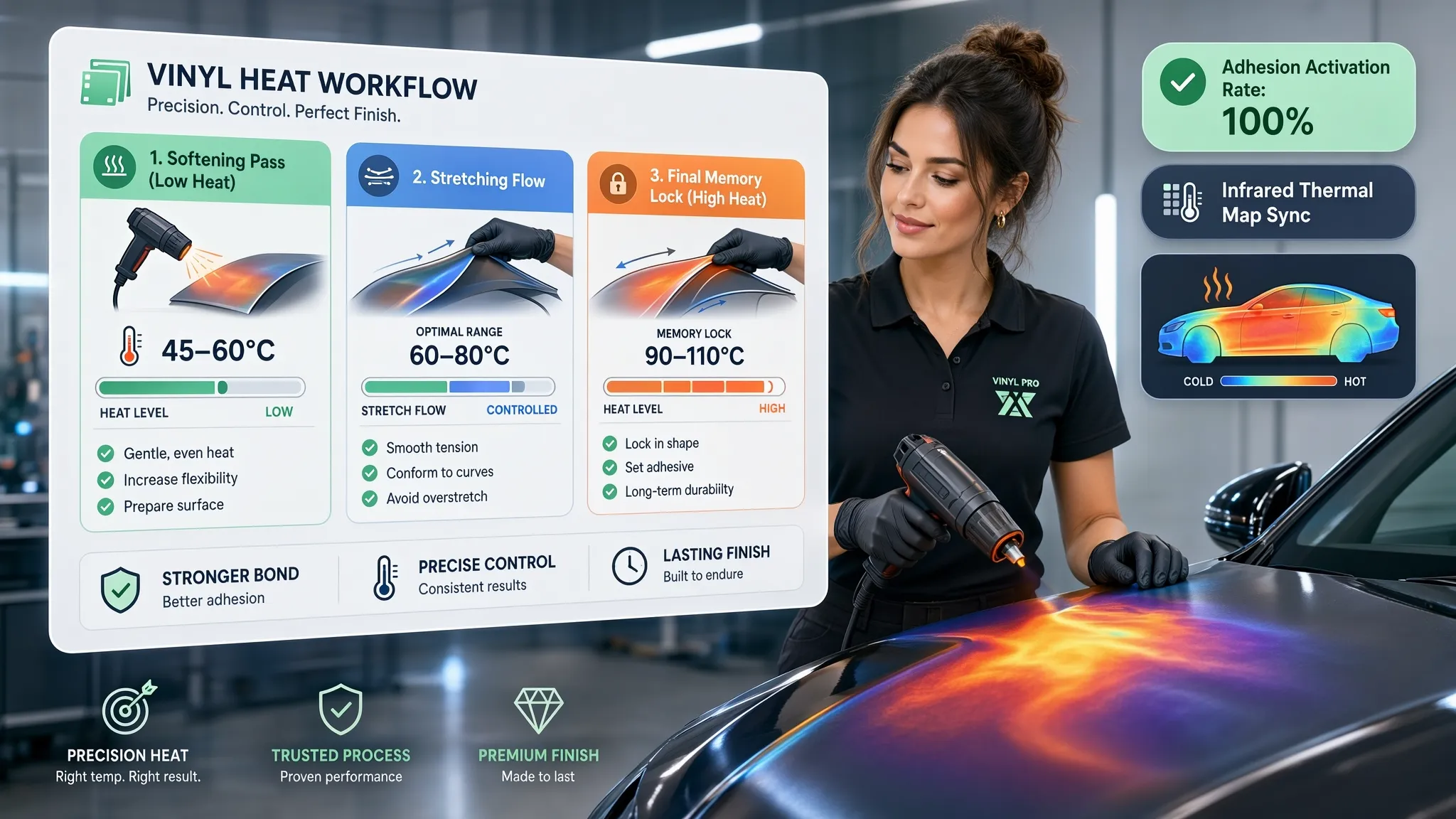
Post-heating is non-negotiable. Passing an infrared heat gun over stretched edges raises the film temperature to roughly 195°F–200°F (90°C–95°C), permanently resetting the vinyl's chemical memory to its new molded shape. This neutralizes pull-back tension and locks the edge down flat for good.
8. Keep Your Car Wrap Edges Clean Without Scrubbing Them
Accumulated road grime along panel seams slowly degrades pressure-sensitive adhesives. Detailers often wonder: "Can dirt buildup or aggressive washing damage the edges?"
Dust and road salt collect inside panel seams, absorbing moisture and forming a abrasive paste. Wash these channels using soft microfiber towels wiped along the seam line—never dig bristles or coarse sponges perpendicularly into a vinyl edge. For complete detailing guidelines, read our driver's tutorial on how to wash a wrapped car.
9. Be Careful With Pressure Washers Around Exposed Vinyl Edges
Holding a high-pressure water wand too close to an exposed seam will slice through film like a razor. You rightly worry: "Can water pressure get underneath the wrap and loosen it?"
High-pressure water jets effortlessly lift loose edges and inject water behind panels. When power washing a wrapped build, keep the nozzle at least 12 to 18 inches away, use a 40-degree wide fan spray tip, and never spray directly at a 90-degree angle into panel seams or door gaps.
10. Protect Vinyl Edges From Sunlight, Heat, and Harsh Chemicals
Harsh environmental factors degrade clear coats and vinyl edges alike. Owners ask: "Will hot weather or strong cleaning products make the wrap peel?"
Petroleum-based solvents, aggressive bug removers, and intense UV exposure shrink vinyl material over time. As the film shrinks under baking sun, perimeter tension spikes, pulling edges away from panel lips. To understand how solar heat affects your build, review our technical report on whether sun damage can ruin a car wrap.
11. What to Do When Your Car Wrap Edges Begin to Peel
Catching a micro-lift on day one saves the entire panel. You naturally panic: "Can I push a loose edge back down, or will that make it worse?"
If an edge shows minor lifting, act immediately:
Clean behind the lifted area using an alcohol swab to remove fresh dust.
Let the pocket dry completely.
Apply gentle heat with a heat gun to soften the film, then press it firmly down with a squeegee buffer.
If adhesive tack is completely lost, use a microscopic drop of specialized edge sealer promoter to re-establish the bond.
If a section is damaged beyond spot repair, check our step-by-step guide on how to repair a small cut in vinyl wrap.
12. Create a Simple Routine to Inspect Your Car Wrap Edges
Preventative maintenance takes just two minutes every time you wash your ride. Ask yourself: "How often should I check the edges to catch problems early?"
Establish this quick inspection routine during every wash:
Slide your thumb along door jamb seams, hood lips, and bumper recesses to feel for raised film edges.
Check mirror caps and door handles for early signs of tension lifting.
Ensure all wrapped sections stay sealed before taking long highway drives.
Need to calculate material coverage for edge overlaps or plan your next custom build? Jump into our vinyl wrap calculator to measure precise roll dimensions and execute your project with total confidence!
Frequently Asked Questions: How to Protect Car Wrap Edges From Lifting & Peeling
1. I just picked up my wrapped car. Why are the edges around panel gaps the most vulnerable part of the whole build?
The Reality: The flat center of a hood or door panel almost never fails—your vinyl investment lives or dies entirely along its perimeter. Exposed edges take the brunt of direct highway airflow, water runoff, and road debris impact. If atmospheric moisture and dust breach an exposed border, the pressure-sensitive adhesive breaks down rapidly, turning a 1-millimeter gap into a flapping panel failure.
Pre-Build Planning: Visualizing your panel breaks in a vehicle wrap customizer before installation helps you identify high-stress perimeter areas and plan seamless panel runs early.
2. Why do wrap edges start rolling back around door handles, wheel arches, and bumper corners?
The Reality: Edge roll-back is driven by three specific factors: residual paint wax behind panel lips, over-stretching vinyl past its elastic limits, and skipped post-heating. When film is pulled too tight around compound curves without thermal setting, the material's built-in memory tension continuously pulls the vinyl back toward its original flat shape as soon as summer heat hits.
Adhesion Fundamentals: Discover how underlying surface conditions dictate total adhesive stability in our technical report on why vinyl wrap loses adhesion.
3. Should vinyl wrap stop flush at panel seams, or should it wrap around into the door jambs?
The Reality: Trimming vinyl flush along outer panel edges is an amateur mistake that leaves exposed adhesive open to the elements. Professional installers always execute edge wrapping and tucking, leaving a 1/4-inch to 1/2-inch tail of material to fold cleanly behind panel lips. This completely shields the seam inside door jambs and fender liners away from direct wind blasts.
Surface Chemistry: Learn why sterile panel lip preparation is essential for secure edge tucking in our master guide on how to prepare a car for a wrap.
4. Can washing my car with a pressure washer tear the edges right off my vinyl wrap?
The Reality: Yes, if used incorrectly. Directing a high-pressure water wand perpendicularly into a panel gap acts like a hydraulic knife, lifting tucked edges and injecting water behind the vinyl. Always keep your pressure washer nozzle at least 12 to 18 inches away, spray along panel edges rather than directly beneath them, and use a 40-degree wide fan spray tip.
Washing Protocol: For complete wash safety guidelines that preserve delicate edge seals, explore our driver's tutorial on how to wash a wrapped car.
5. What is post-heating, and how does heat prevent car wrap edges from peeling later?
The Reality: Post-heating is the mandatory final safeguard step for perimeter durability. Technicians pass an infrared heat gun over tucked edges, raising the film temperature to 195°F–200°F (90°C–95°C). This thermal pass permanently resets the vinyl's molecular memory to its new molded shape, eliminating pull-back tension so edges stay locked down flat forever.
Seam Protection: Learn how professional installers protect multi-panel overlaps in our detailed guide on how to protect vinyl wrap seams.
6. Are side mirrors and bumper recesses more prone to edge lifting than flat body panels?
The Reality: Absolutely. Tight compound radius bends—like side mirror caps, fog light recesses, and front splitters—experience extreme physical stretch during installation. Because these high-impact zones face constant aerodynamic drag, installers must apply micro-inlays or use specialized edge sealers to reinforce adhesive bonds against lifting.
Complex Components: To see how master installers tackle tight mirror housings without causing edge tension, check out our guide on whether you can wrap car mirrors.
7. Will baking sun and summer heat make my wrap edges shrink and pull away from panel gaps?
The Reality: Harsh UV radiation and thermal baking cause raw vinyl film to harden and shrink over time. As material contracts under intense heat, perimeter tension spikes along tucked borders. Parking in a garage, using a car cover, or applying a wrap-safe ceramic coating shields vinyl edges from solar degradation and premature shrinkage.
Environmental Impact: Read our technical analysis on weather factors to see whether sun damage can ruin a car wrap.
8. I caught a tiny lifted edge on my front fender lip. Can I fix it at home before it gets worse?
The Reality: Yes, if you catch it immediately before road dust ruins the glue pocket. Gently clean behind the lifted tab using an isopropyl alcohol swab, let it dry, apply mild heat with a hairdryer to soften the film, and press it firmly down with a felt-buffered squeegee. If adhesive tack is gone, visit your installer to apply a microscopic drop of professional edge promoter.
Damage Control: If a lifted border has snagged and torn, follow our step-by-step tutorial on how to repair a small cut in vinyl wrap.
9. Does factory paint condition affect how securely vinyl wrap edges hold onto the car?
The Reality: Factory paint clear coat provides the ultimate structural baseline for vinyl adhesive tack. If your car has flaking clear coat, soft repainted panel edges, or rust micro-spots along wheel arches, pressure-sensitive wrap adhesives cannot form an airtight bond, leading to early perimeter lift.
Clear Coat Baseline: Understand how paint health impacts perimeter adhesion in our technical report on whether car wraps can be installed over factory paint.
10. How often should I inspect my car wrap edges to catch micro-lifting early?
The Reality: Spend two minutes doing a quick tactile and visual check during every wash routine. Lightly slide a soft microfiber cloth along door jamb seams, hood lips, and fender arch liners to feel for snagging edges or raised film pockets. Catching a micro-lift early takes seconds to seal, saving you from a full panel re-wrap down the line.
Accent Protection: If your vehicle features partial accents or contrast trim, see how edge protection applies in our guide on chrome delete wraps.
Ready to calculate material footage for generous edge overlaps or map out your next custom transformation down to the inch? Use our vinyl wrap calculator to measure your setup, confirm your roll requirements, and execute your build with total confidence!