
You hand over the keys to your pride and joy, step out of the shop bay, and immediately start counting down the hours. You're excited to see your ride completely transformed, but a nagging thought hits you hard.
Will you get your machine back in time for the weekend, or will your garage sit empty for a week?
Few things trigger more anxiety than being stranded without your vehicle while a shop works behind closed doors. Knowing exactly how long each phase takes—from initial chemical decontamination to final thermal post-heating—lets you plan your schedule with total confidence and zero frustration. This breakdown reveals real shop installation timelines, what slows down a build, and how to plan around your appointment effortlessly.
1. How Long Does Car Wrap Installation Take From Start to Finish?
Dropping off your vehicle for a custom transformation leaves every owner asking one fundamental question: "Will I get my car back today, or should I plan to leave it at the shop?"
A professional full-vehicle installation typically takes 3 to 5 business days from drop-off to final pickup. That window isn't just time spent laying down film; it covers deep paint decontamination, hardware disassembly, precision film tucking, and thermal setting. By planning your project using an online vehicle wrap customizer, you can lock in your exact design and color codes early, ensuring the shop has material prepped before your car hits the bay.
Here is the golden rule of custom wrapping: cheap shops promise your car back in 24 hours, but master installers take the time needed to guarantee edges never peel.
2. How Many Hours Does a Full Car Wrap Usually Require?
When you break down a complete color shift into actual shop labor, the total hours might surprise you. Owners frequently ask: "How much time should I expect for a complete color change?"
A standard full-vehicle color transformation requires 25 to 40 hours of hands-on labor, typically split across two installer technicians. This includes:
Day 1: Multi-stage wash, chemical decontamination, and panel disassembly.
Days 2–3: Precision panel wrapping, stretch management, and knifeless seam execution.
Day 4: Hardware reassembly, post-heating every edge to 200°F, and final inspection.
If you are exploring color options to estimate your project scale, browse our curated collection of the best wrap color ideas.
3. How Long Does a Partial Car Wrap Take?
You don't always need a full body transformation to overhaul your ride's presence. You might wonder: "Will wrapping just my roof, hood, or doors take less time?"
Targeted partial wraps take significantly less time than full transformations:
Roof or Hood Wrap: 2 to 4 hours, often completed same-day.
Chrome Delete Trim Package: 4 to 8 hours depending on window surround complexity.
Two-Tone Canopy Split: 1 to 2 business days.
To weigh targeted accent work against complete color overhauls, check our side-by-side comparison on full wrap vs partial wrap.
4. Does Your Vehicle Type Affect Installation Time?
A compact two-seater coupe doesn't follow the same installation timeline as a massive three-row SUV. Drivers naturally ask: "Will an SUV or truck take longer than a regular sedan?"
Vehicle size and panel geometry directly dictate shop hours:
Compact Coupes & Sedans: 3 days (Smaller panel surface area, simpler curves).
Full-Size Trucks & SUVs: 4 to 5 days (Massive panel square footage, high roofs, complex bed channels).
Exotics & Hypercars: 5+ days (Intricate carbon splitters, extreme body creases, complex air intakes).
To evaluate how your vehicle's physical footprint influences material usage and labor scale, explore our report on car wrap color and car size.

5. How Much Time Does Cleaning and Surface Preparation Add?
It's tempting to think installers jump straight to stretching vinyl, but prep work consumes a huge block of time. Installers hear it constantly: "Why does the shop need so much time before applying the vinyl?"
Surface prep takes a full 4 to 8 hours before a single roll of vinyl is unrolled. Installers must execute a strip wash to remove carnauba waxes, scrub road tar from rocker panels, use a clay bar to lift embedded contaminants, and perform an isopropyl alcohol (IPA) wipe across every door lip. If you want to speed up your shop appointment, follow our master guide on how to prepare a car for a wrap.
6. Does Removing Handles, Mirrors, and Trim Make the Job Take Longer?
Seeing your car partially dismantled in a shop bay can feel alarming. You naturally hesitate and ask: "Will removing parts of my car add another day?"
Disassembly adds 4 to 6 hours of tedious technical labor, but it is absolute non-negotiable for a seamless finish. Removing door handles, tail lamps, badging, and side mirrors allows installers to tuck film deep inside recessed channels rather than cutting edges flush against visible paint. To see how installers navigate complex door mirror housings, read our detailed guide on whether you can wrap car mirrors.
7. How Do Curves, Bumpers, and Difficult Body Panels Affect Timing?
Wrapping a flat hood takes 30 minutes, but complex bumpers are a completely different battle. Owners ask: "Does my car's shape make it harder or slower to wrap?"
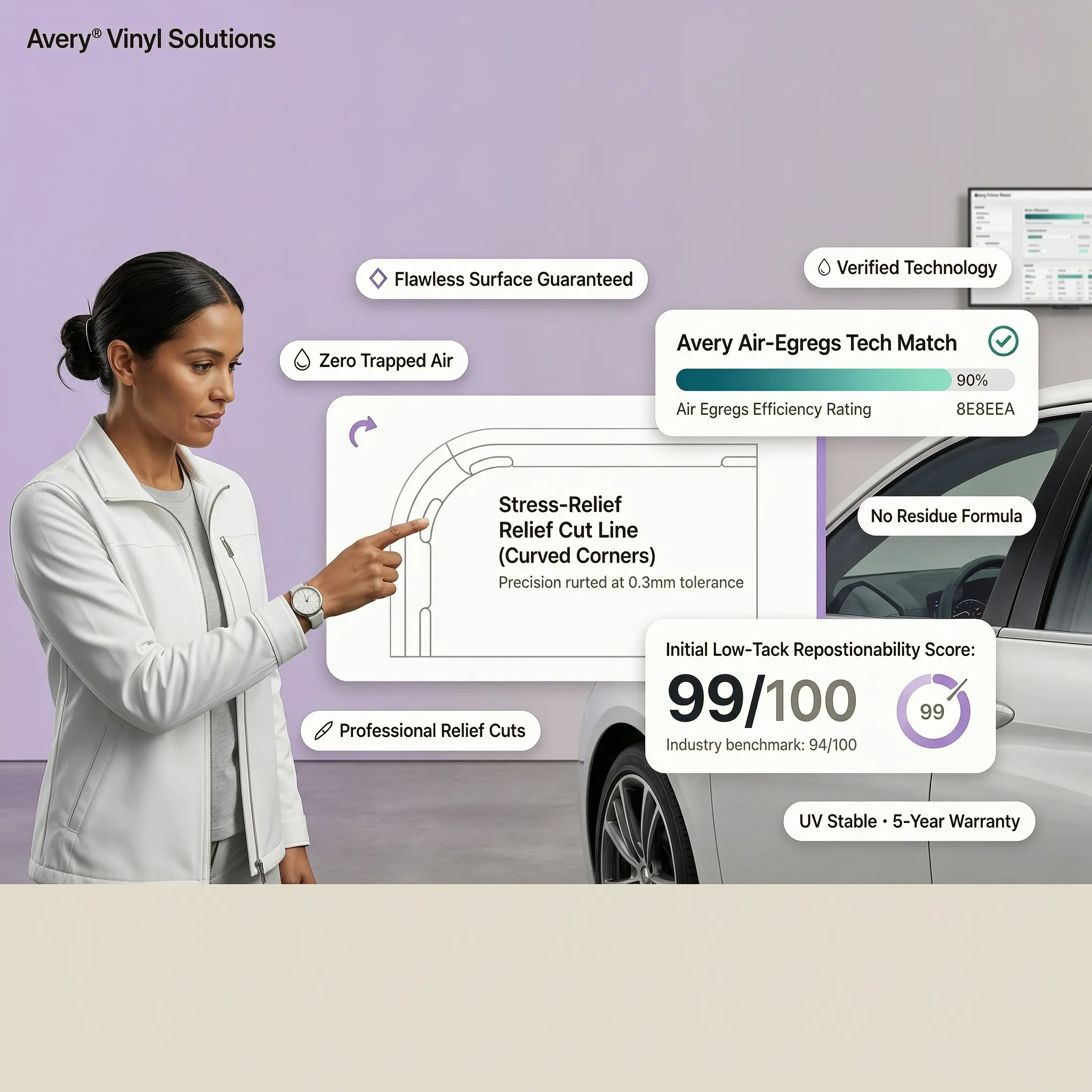
Aggressive front bumpers featuring deep fog light recesses, parking sensors, and angular splitters can take a master installer 4 to 6 hours for a single panel. These complex zones require inlay seams, knifeless tape execution, and slow glassing techniques to prevent over-stretching the film.
8. Does the Type of Vinyl or Wrap Design Change Installation Time?
Not all vinyl films behave the same way under an installer's squeegee. You will inevitably ask: "Will a chrome finish, color-shift vinyl, or custom graphics take longer?"
Material selection drastically alters the clock:
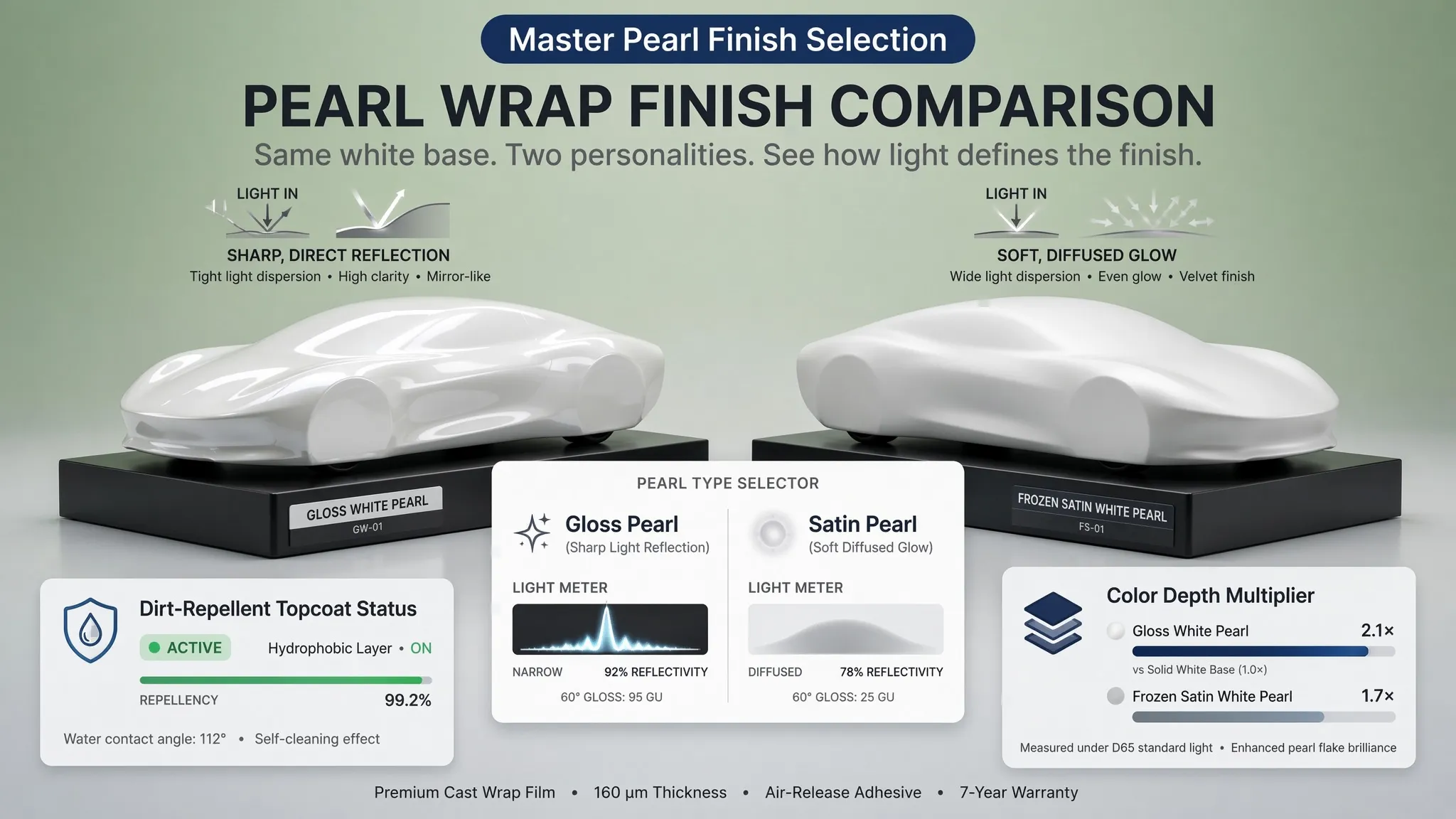
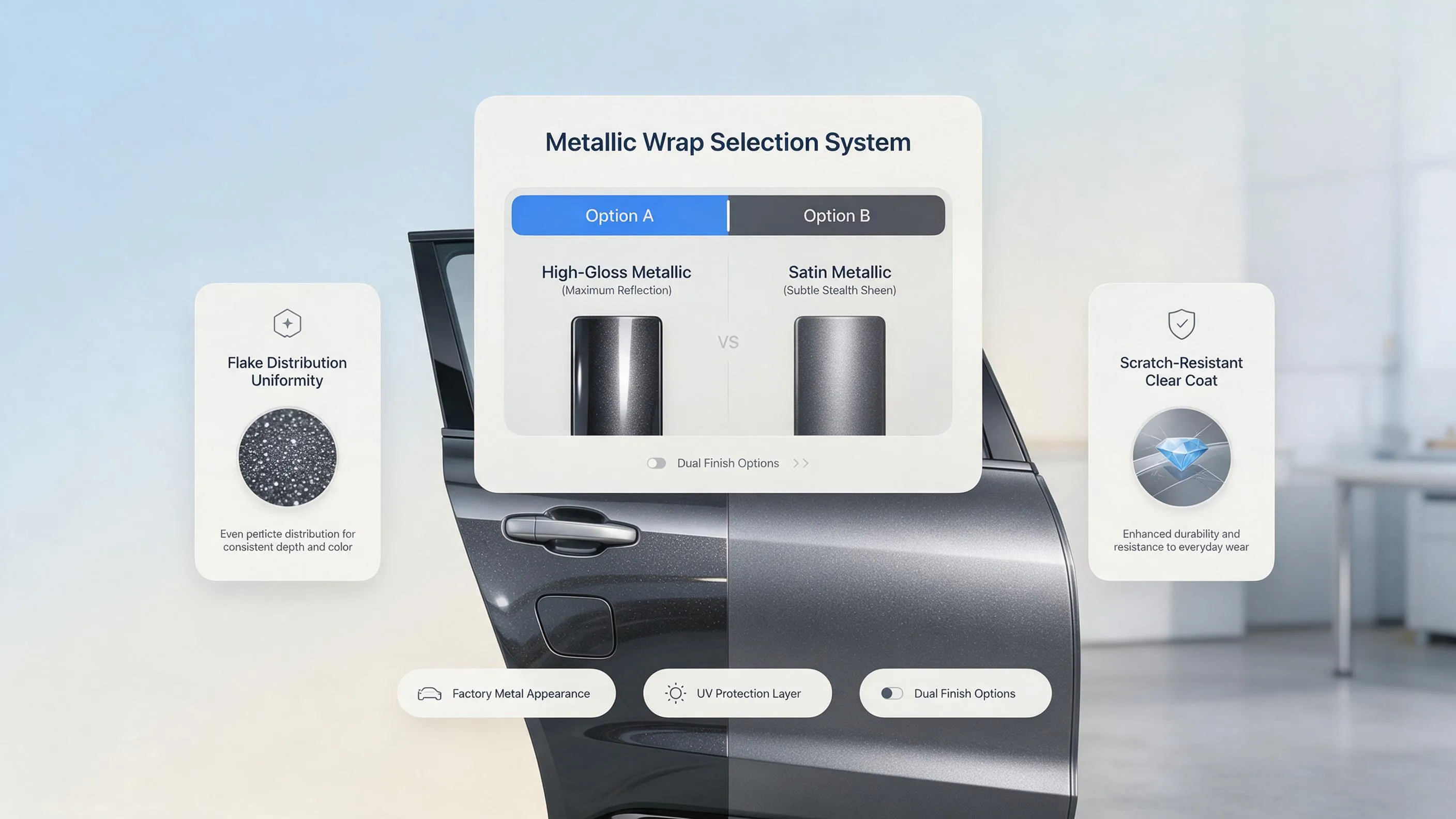
Standard Matte, Satin, Gloss: Standard installation pacing.
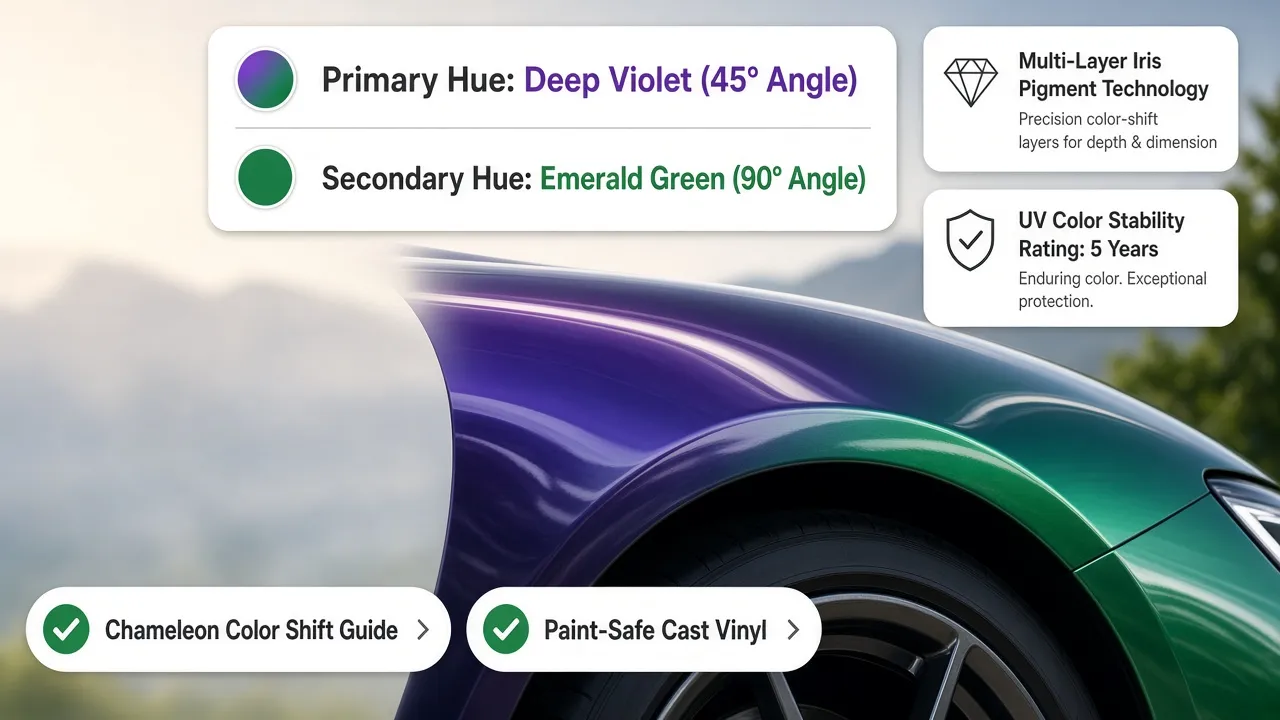
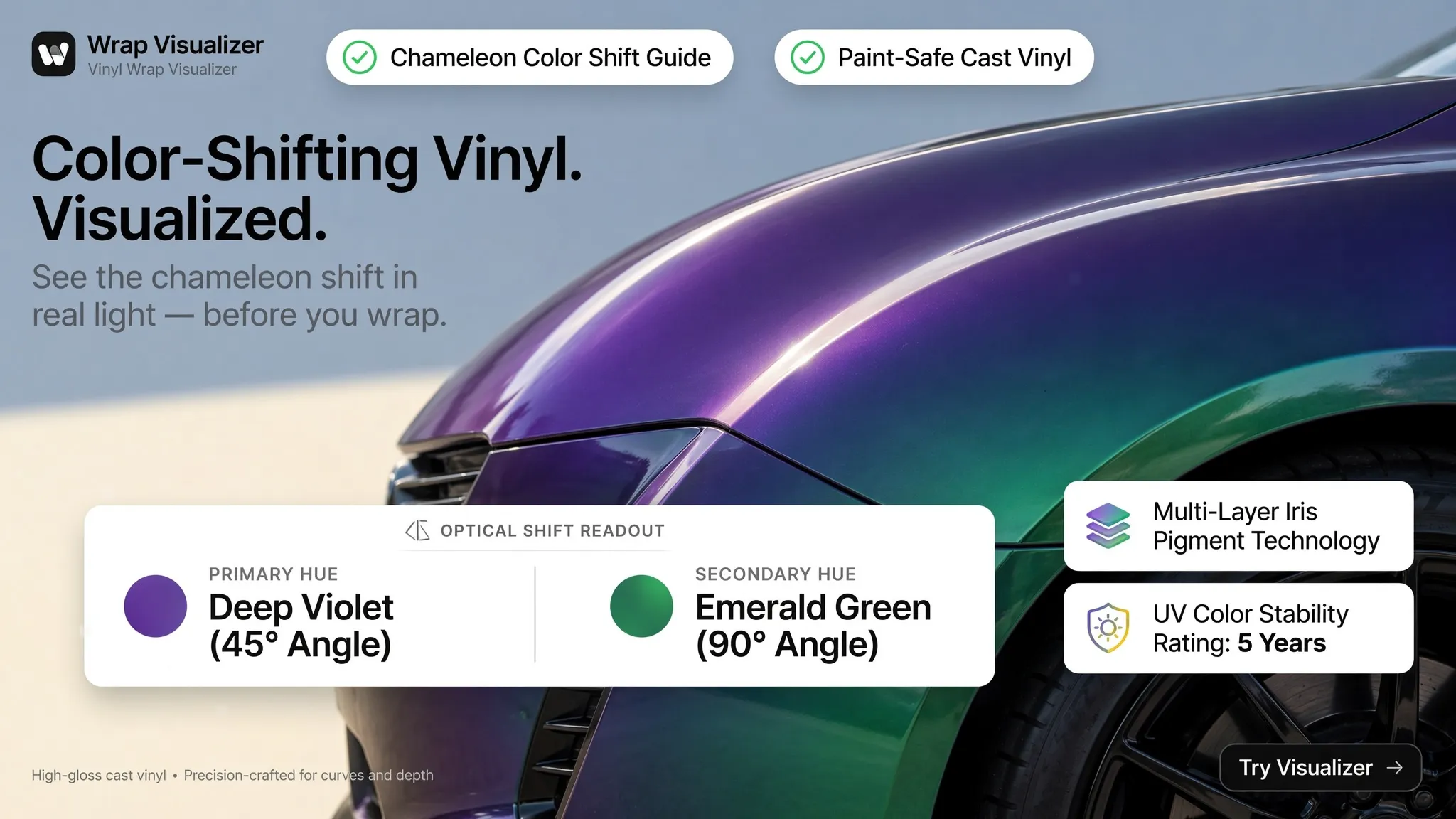
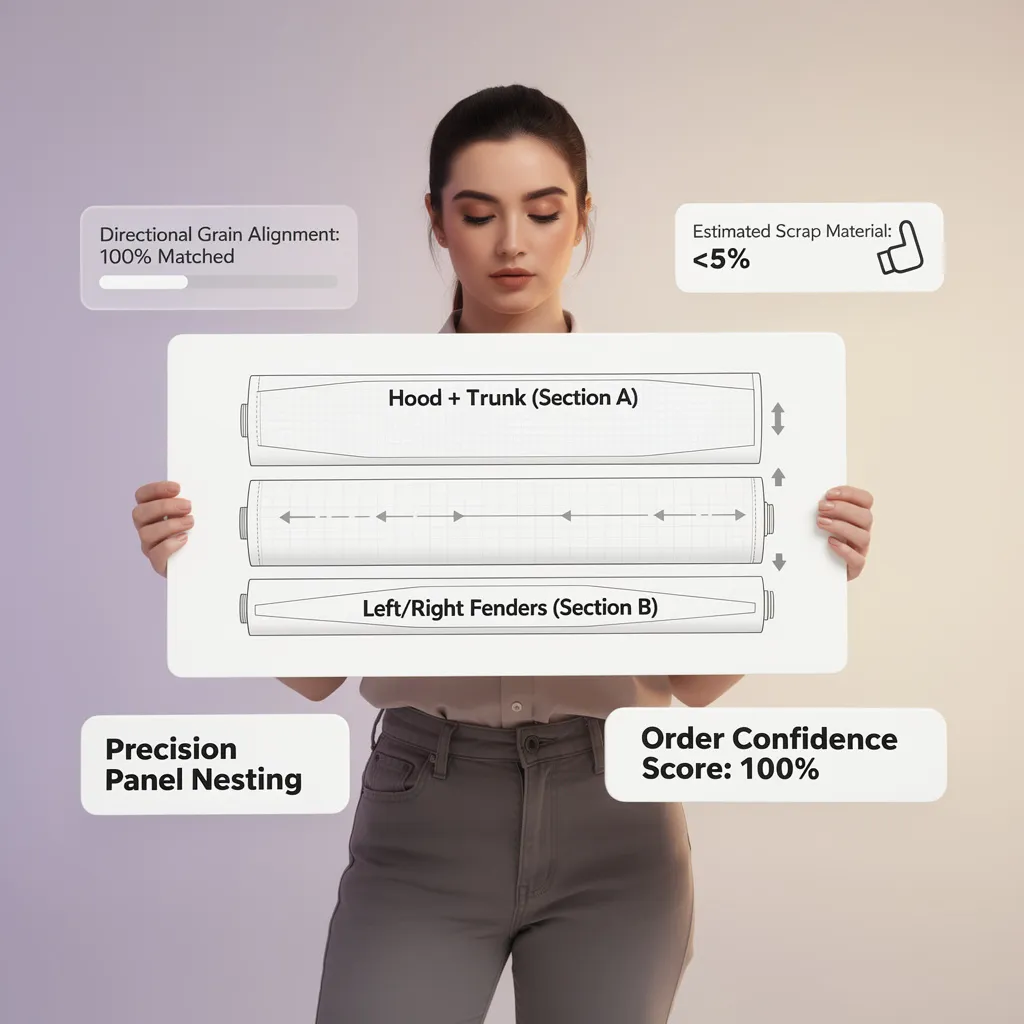
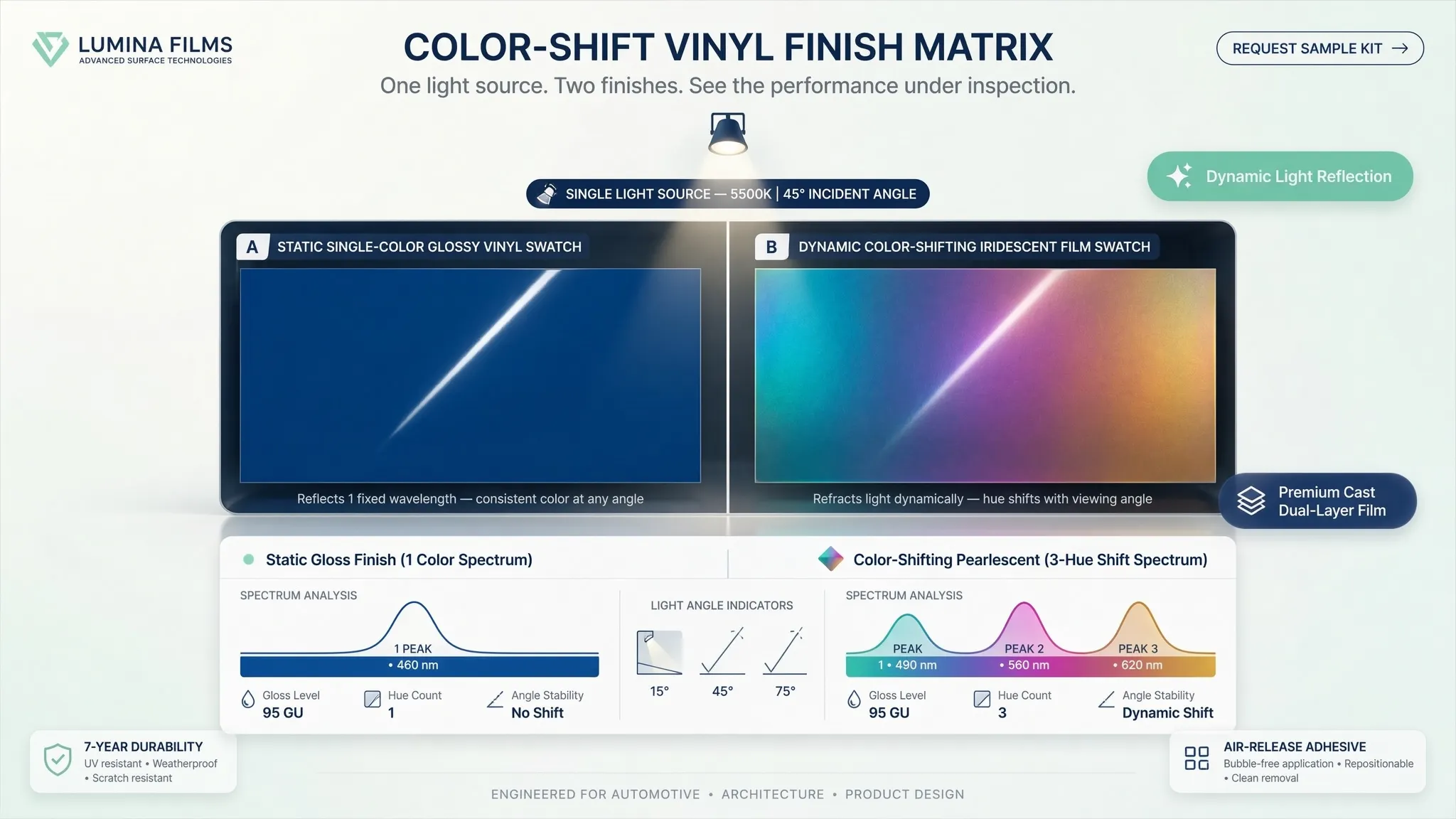
Color-Shift & Directional Films: Adds 4 to 6 hours to align directional flakes across adjacent panels.
Chrome Vinyl: Adds 1 to 2 extra days due to its rigid, zero-stretch nature and risk of micro-scratches.
Complex Two-Tone & Racing Liveries: Adds 1 to 2 days for knifeless tape layout and multi-layer alignment.
To learn more about executing multi-layer split designs, explore our tutorial on how to create a two tone car wrap.
9. Why Some Car Wrap Installations Take Longer Than Expected
Even the best-managed installations can run into unexpected bottlenecks. You might ask: "What could delay the job after I've already booked my appointment?"
Common shop delays include:
Unrevealed Paint Failures: Flaking clear coat or soft aftermarket repaint jobs requiring extra prep work.
Seized Trim Fasteners: Brittle factory plastic clips breaking during disassembly and requiring replacement parts.
Cold Weather Bay Temps: Winter installations require longer warming periods to prevent vinyl brittle-cracking.
To understand how underlying clear coat issues affect shop prep, check our guide on whether car wraps can be installed over factory paint.

10. How Long Does a Car Wrap Need to Set Before Pickup?
Once the last panel is squeegeed down, your car isn't instantly ready to hit the highway. Drivers ask: "Is the car ready as soon as the vinyl is applied?"
A wrapped vehicle must sit inside a temperature-controlled shop bay for at least 12 to 24 hours after completion. This "settling period" allows installers to post-heat every edge to 200°F (95°C), permanently resetting film memory and ensuring pressure-sensitive adhesives achieve full cure tack before facing highway wind. For long-term edge care guidelines, read our report on how to protect car wrap edges.
11. Can You Get a Car Wrapped in One Day?
In an age of instant gratification, you might hope for rapid turnaround. You ask yourself: "Can I drop my car off in the morning and collect it that evening?"
For a full color change, a one-day wrap is an absolute red flag. Rushing a full wrap into 8 hours forces shops to skip disassembly, stretch film past safety limits, and bypass crucial post-heating cycles, resulting in lifted edges within weeks. Same-day service is only realistic for partial accent jobs like a roof wrap or chrome delete wraps.

12. How to Plan Your Schedule Around a Car Wrap Appointment
Handing your daily driver over for a multi-day installation requires smart planning. You naturally wonder: "Should I arrange another ride, and what should I ask the installer?"
Follow this quick prep checklist before dropping off your vehicle:
Arrange Secondary Transport: Plan for a rental car, rideshares, or a ride home for a guaranteed 4-day window.
Wash the Car the Night Before: Deliver your car free of heavy mud or road tar to save shop prep time.
Calculate Film Coverage: Verify your material square footage beforehand using our vinyl wrap calculator to ensure your shop has ordered enough film.
Ready to map out your dream transformation and get an exact quote for your build? Fire up our vehicle wrap customizer, select your finish, and launch your project with absolute confidence today!
Frequently Asked Questions: How Long Does Car Wrap Installation Take?
1. I need my car for work every day. Exactly how long will my ride be sitting at the shop?
The Reality: A complete color transformation requires 3 to 5 business days from key drop-off to drive-away. That turnaround window isn't dead time; it covers multi-stage chemical paint decontamination, careful trim disassembly, precision panel wrapping, and a mandatory 24-hour climate-controlled cure pass. Rushing a full color change into a single afternoon skips vital prep steps, virtually guaranteeing peeled edges within weeks.
Streamline Your Timeline: Setting up your finish in a vehicle wrap customizer before booking lets your shop confirm material roll quantities early so installation hits the bay running on day one.
2. I keep seeing shop ads for 'Same-Day Full Wraps.' Is a 24-hour turnaround actually realistic?
The Reality: For a full-body color change, a same-day timeline is an absolute red flag. To wrap a vehicle in 8 hours, installers must skip hardware disassembly, over-stretch vinyl past its thermal limits around deep bumper contours, and completely bypass post-heating quality checks. Same-day pickup is only realistic for targeted partial accent work, such as wrapping a roof or hood panel.
Partial Acceleration: To compare single-panel timelines against complete vehicle build schedules, explore our side-by-side analysis on full wrap vs partial wrap.
3. I only want my roof and hood done. How many hours am I looking at for a partial wrap?
The Reality: Isolated accent work drops your wait time dramatically. Wrapping a flat roof or hood panel typically takes just 2 to 4 hours, allowing for convenient same-day pickup. If you add window surround trim to the project, a complete chrome delete package generally requires 4 to 8 hours, while a full upper-canopy two-tone split takes 1 to 2 business days.
Trim Timelines: For targeted accent workflows and time estimates, check out our driver's guide on chrome delete wraps.
4. My daily driver is a huge full-size SUV. Will its size add extra days to the installation?
The Reality: Absolutely. Vehicle size and body geometry directly dictate hands-on labor hours. Compact sports coupes and smaller sedans usually wrap in 3 days because their surface area is manageable. Full-size trucks, large three-row SUVs, and high-roof vans require 4 to 5 days due to massive panel square footage, high roofline reaching requirements, and complex bed or tailgate channels.
Footprint Factors: To see how vehicle scale influences labor hours and material usage, review our breakdown on car wrap color and car size.
5. I dropped off my car this morning. Why is the installer taking hours just to wash it?
The Reality: Hospital-grade surface decontamination consumes 4 to 8 full hours before a single sheet of vinyl is unrolled. Installers cannot simply spray down your car; they must perform a chemical strip wash to dissolve road tar, use a clay bar to pull embedded metallic fallout from clear coat pores, and execute isopropyl alcohol wipes inside every panel lip to guarantee adhesive tack.
Prep Optimization: Save your shop prep time and prevent schedule delays by following our master checklist on how to prepare a car for a wrap.
6. Is the shop really going to spend a full day taking off my door handles and mirrors?
The Reality: Disassembly adds 4 to 6 hours of technical labor, but it separates amateur visual work from a master build. Removing door handles, tail lamps, side badges, and window moldings allows technicians to tuck vinyl a half-inch behind panel channels rather than slicing film flush against paint edges, completely hiding factory paint lines while shielding edges from high-speed highway wind.
Complex Components: To see how installers handle delicate door mirror housings without causing damage, review our guide on whether you can wrap car mirrors.
7. My car has aggressive front air scoops and sharp bumper angles. Does complex bodywork slow down the build?
The Reality: Yes, aggressive panel geometry adds significant installation time. Wrapping a smooth, flat bonnet takes 30 minutes, but a complex performance front bumper featuring fog light recesses and splitters can take a master installer 4 to 6 hours for that single panel alone. Installers must use knifeless tape and inlay seams inside shadow lines to prevent over-stretching the vinyl.
Substrate Science: To understand how underlying clear coat quality affects intricate panel installations, read our technical report on whether car wraps can be installed over factory paint.
8. I picked a metallic color-shift vinyl. Does specialty film take longer to install than standard gloss?
The Reality: Specialty films add substantial labor time. While standard gloss and satin films behave predictably under squeegee pressure, directional color-shift vinyl requires an extra 4 to 6 hours to ensure metal flakes and color reflections align in the same direction across adjacent doors. Rigid chrome vinyl can add 1 to 2 full days because it lacks thermal stretch flexibility and demands extreme care.
Finish Comparison: Learn how different surface sheens handle installation and daily driving conditions in our technical guide comparing flat textures against glossy finishes.
9. The last panel is wrapped and the car looks done. Why can't I drive it home right now?
The Reality: Once the final sheet is squeegeed down, your vehicle requires a mandatory 12 to 24 hour climate-controlled cure window. During this period, technicians execute a high-temp post-heating pass, running an infrared heat gun over every stretched edge to 200°F (95°C). Post-heating resets the vinyl's chemical memory so edges never pull back, allowing pressure-sensitive glue to achieve max bond tack.
Edge Protection: Discover how post-heating stops edge curling and perimeter lifting in our detailed report on how to protect car wrap edges.
10. My installer said my build is delayed by a day. What unexpected issues cause shop schedule pushes?
The Reality: Delays usually stem from hidden paint defects discovered after decontamination, brittle factory trim clips breaking during disassembly, or stubborn aftermarket clear coat flaking. Cold winter weather can also slow down bay temperatures, requiring longer heating periods to prevent film brittleness. Clear communication with your shop lead ensures you stay informed if custom trim parts or extra prep are needed.
Adhesion Pitfalls: Learn what hidden surface issues cause adhesion problems and delays in our guide on why vinyl wrap loses adhesion.
Ready to calculate total material square footage and plan your transformation schedule down to the inch? Use our vinyl wrap calculator to measure your setup, confirm your roll requirements, and book your installation appointment with complete confidence!