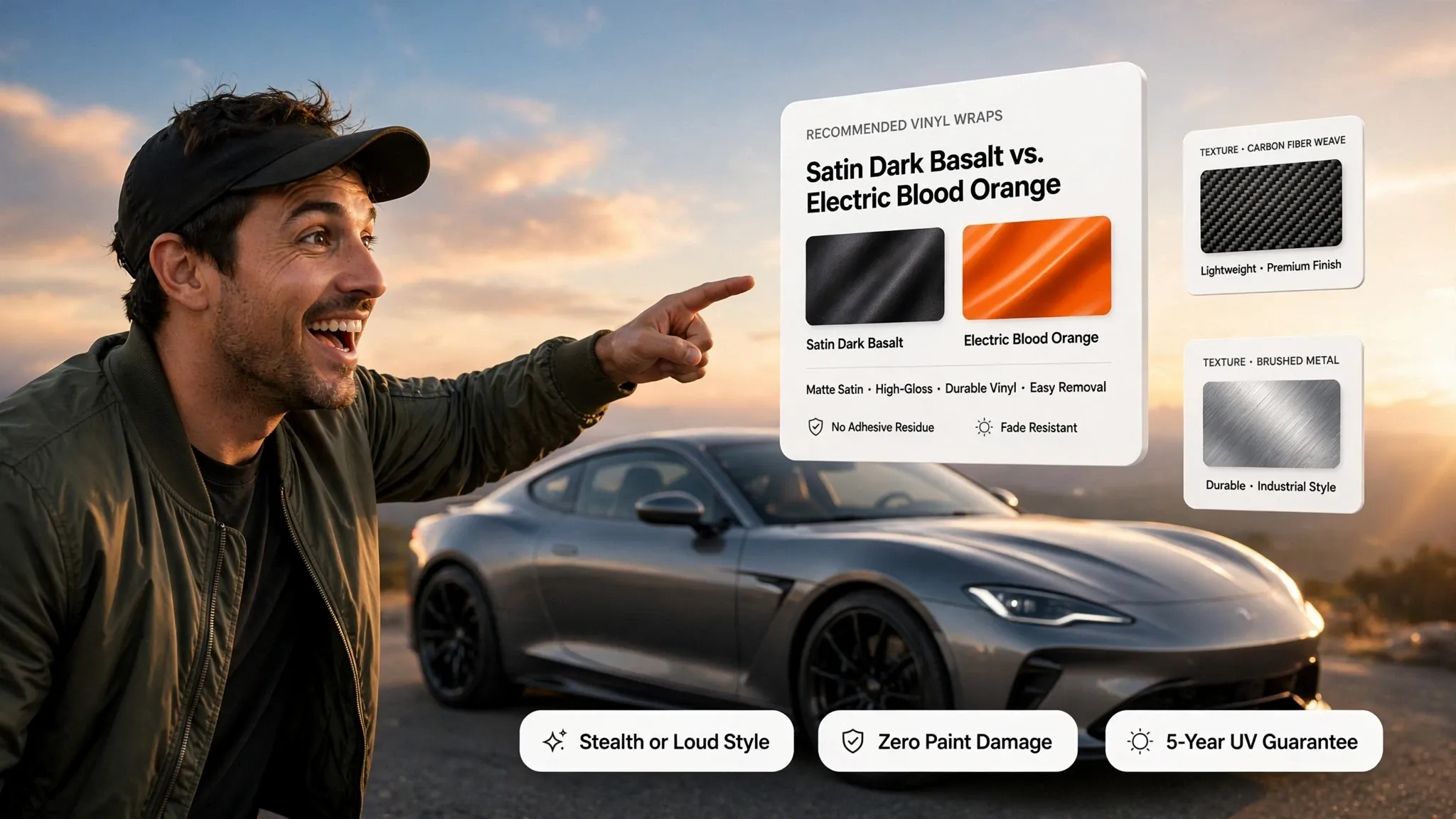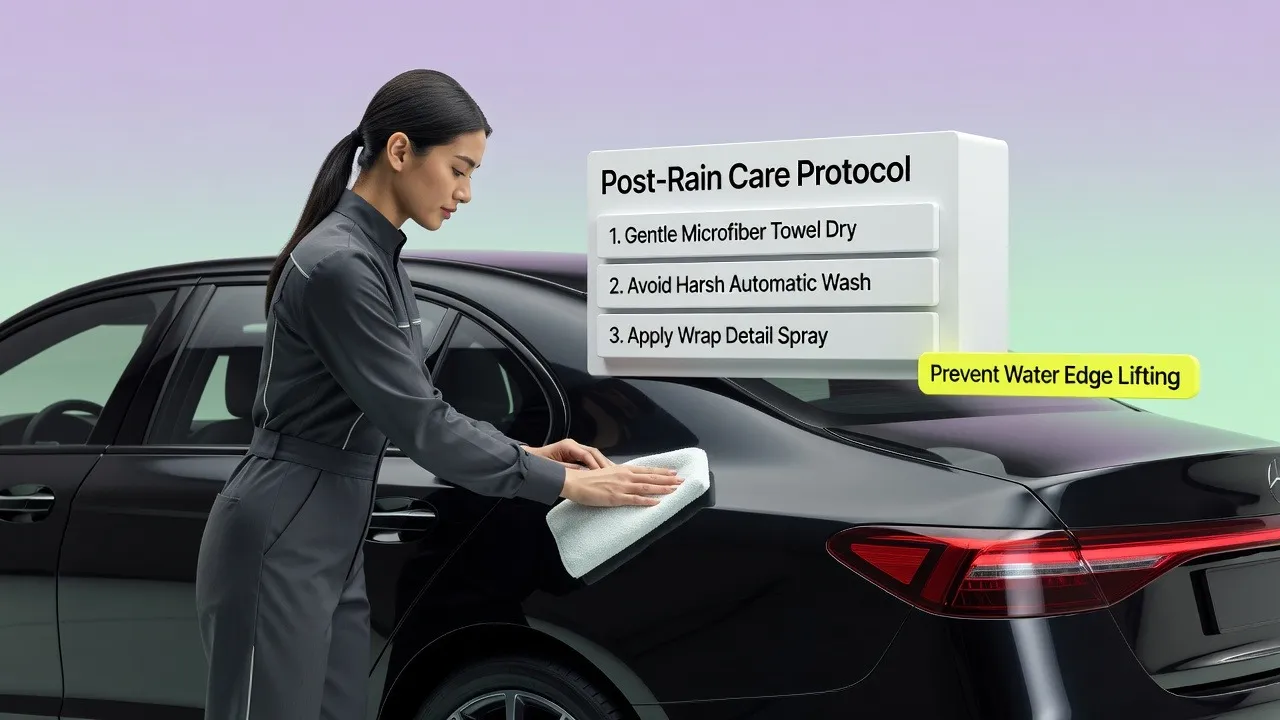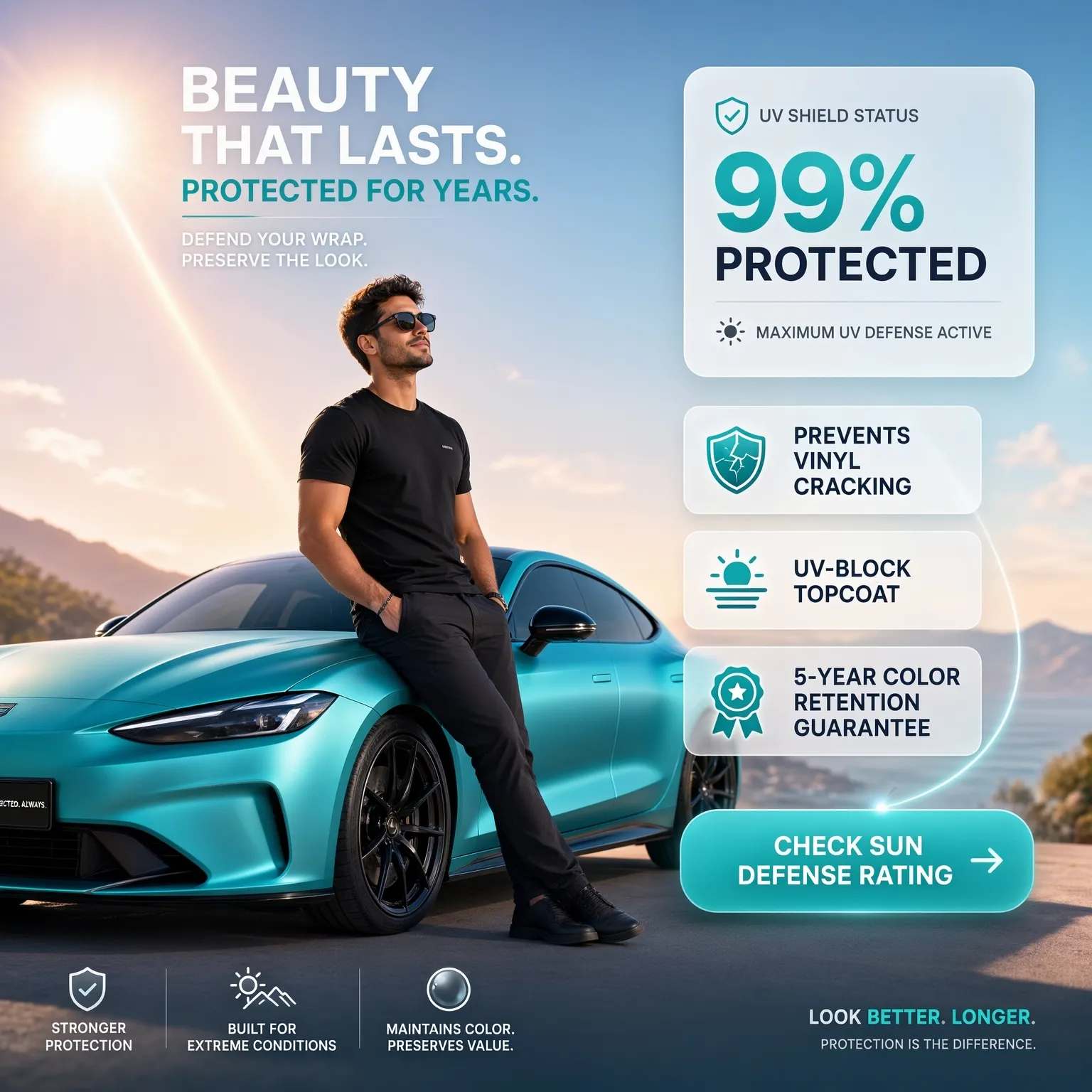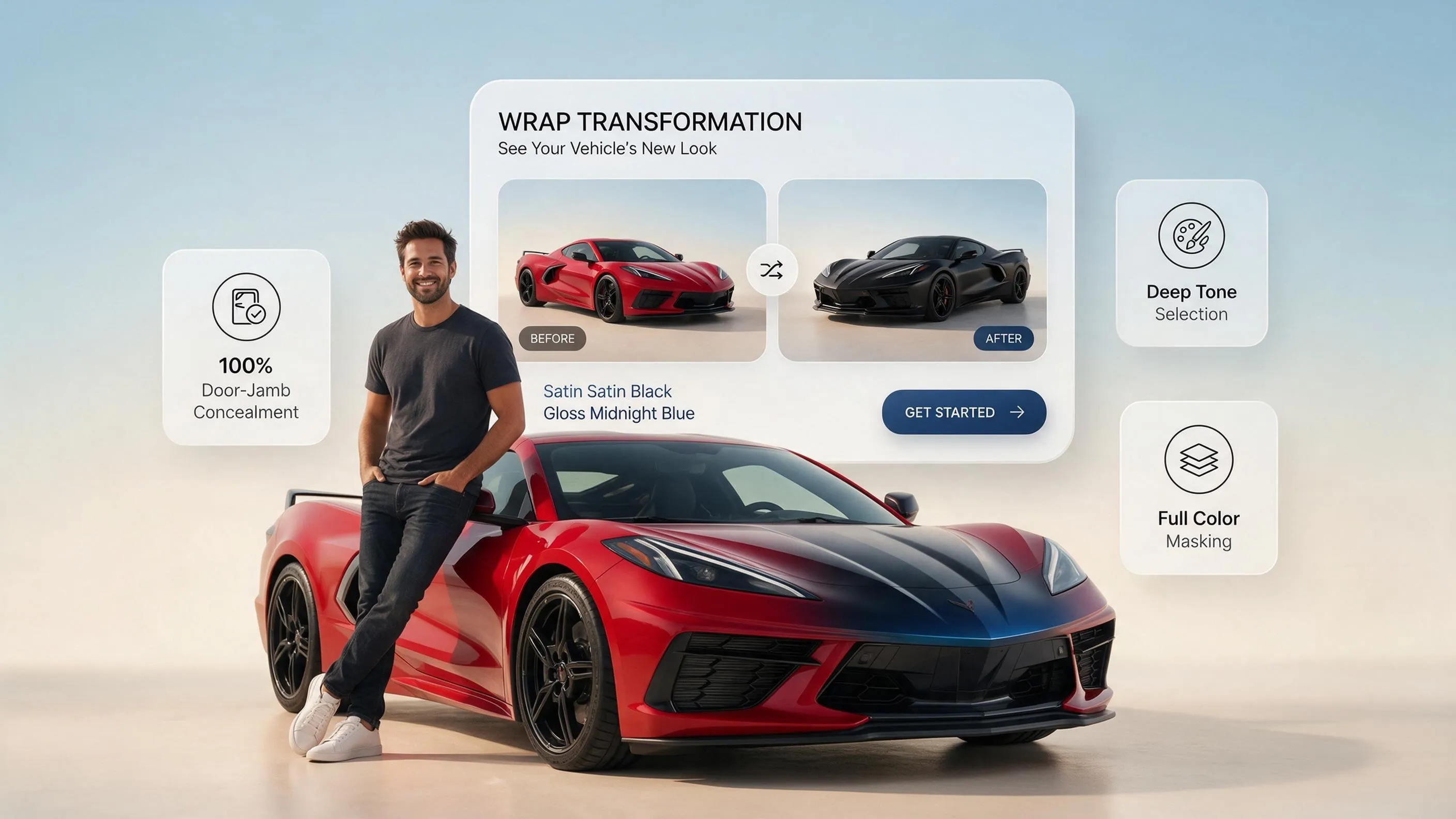
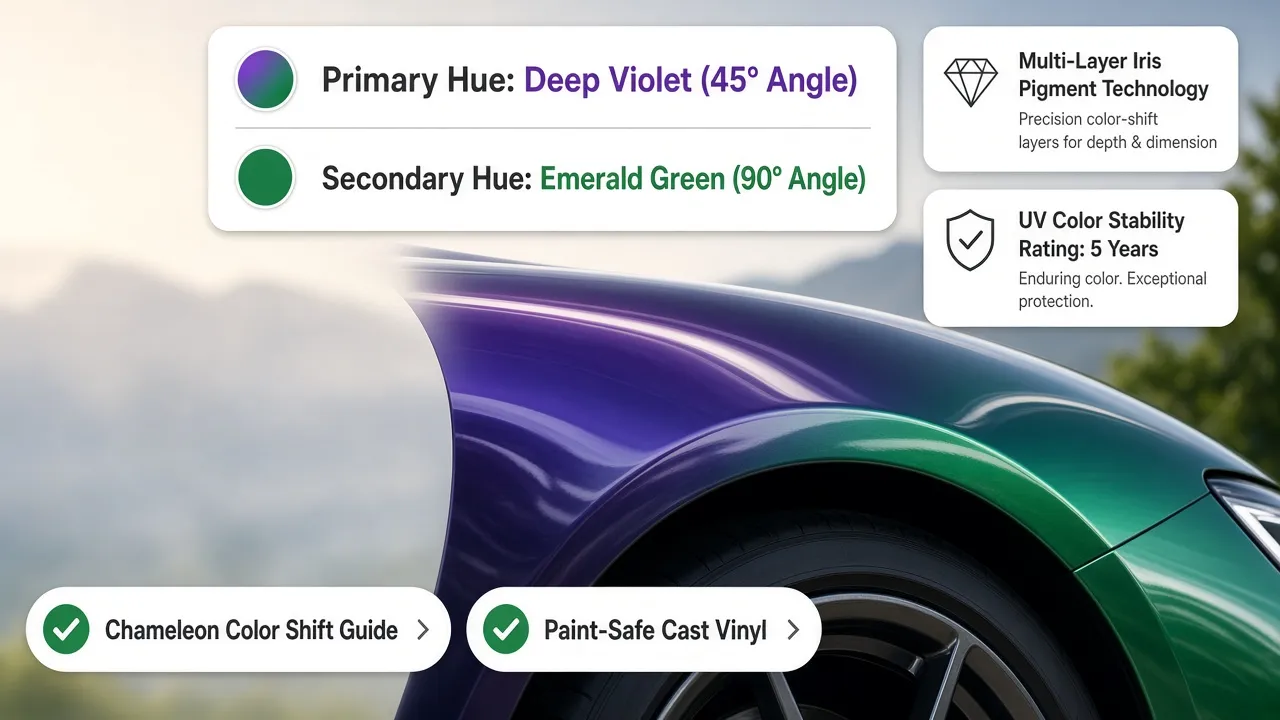

Nothing transforms a vehicle faster than a bold split-color setup. But let's be honest: taking two separate vinyl shades and laying them over a single car is high-stakes styling.
One bad line placement or clashing color palette, and your custom machine looks like a patchwork repair job straight out of a junkyard.
Get the transition points right, however, and you instantly unlock a bespoke, high-end aesthetic that rivals factory dual-tone options from Rolls-Royce and Maybach. Whether you want a sleek floating roof, a track-inspired hood overlay, or a dramatic side-body split, this guide walks you through how to concept, map, and execute a two-tone build with absolute surgical precision.

1. How to Create a Two-Tone Car Wrap That Looks Intentional
Planning a multi-color installation without a clear blueprint leads straight to visual disaster. Most customizers begin their journey asking: "How do I combine two colors without making my car look mismatched?"
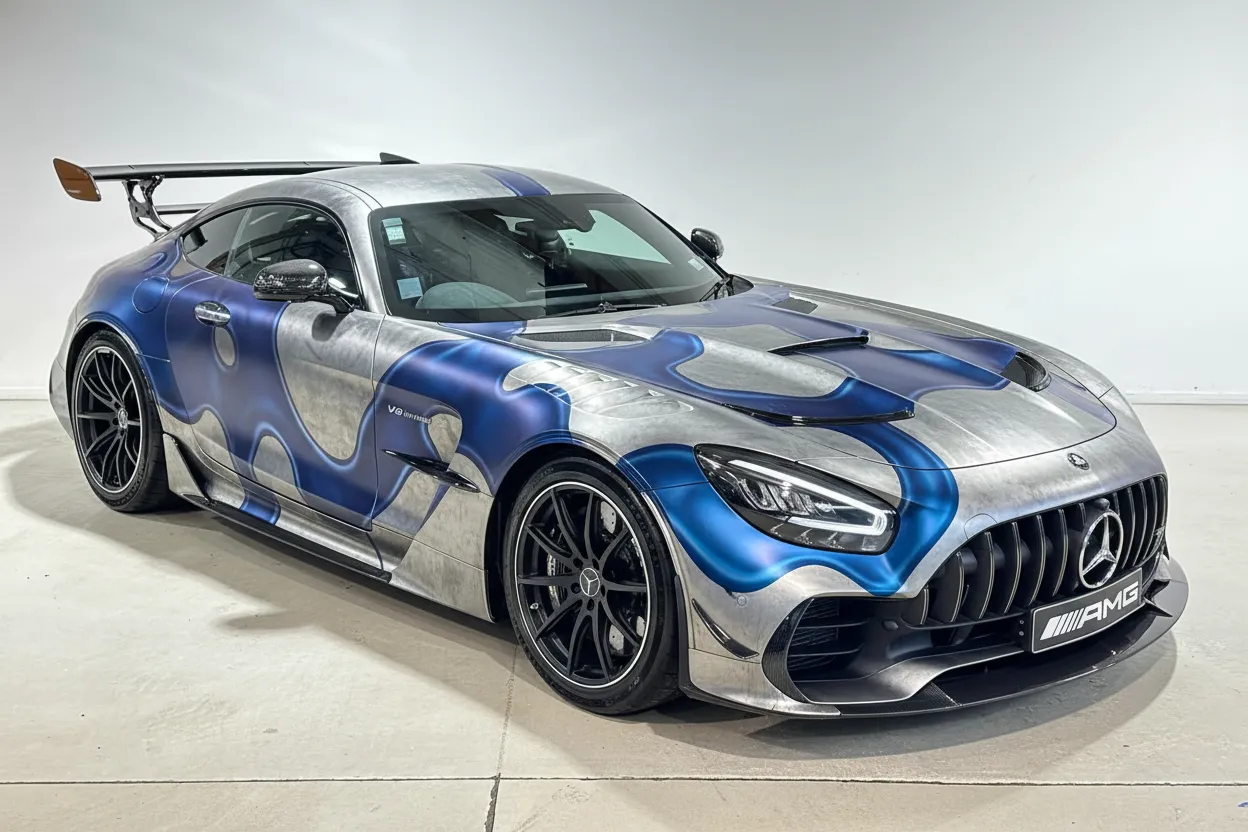
The secret lies in working with your car's natural anatomy rather than fighting against it. Instead of forcing abrupt color shifts across flat panels, an intentional split follows stamped body creases, pillar transitions, and window lines. By jumping straight into our vehicle wrap customizer, you can map candidate color combinations directly onto your vehicle's profile before cutting a single yard of film.
Here is the golden rule of dual-tone styling: your split line must feel like it was designed by the vehicle's original factory team, not added as an afterthought.

2. Choose Two Colors That Work Together on the Same Vehicle
Pairing two random hues together can create extreme visual friction. You inevitably stop and ask: "Which colors actually look good together on a car?"
To keep your design cohesive, build your palette around proven color relationships:
Monochromatic Contrast: Pair deep slate grays with high-gloss blacks for a stealthy, high-end executive vibe.
Classic Race Contrast: Frame crisp alpine whites against rich blues or aggressive reds for a track-ready presence.
Warm & Neutral: Combine metallic copper or bronze accents against satin dark charcoal panels.
To see how foundational shades harmonize across different vehicle profiles, explore our curated list of the best wrap color ideas.
3. Decide Which Color Should Cover More of the Car
Equal 50/50 color splits often leave the eye confused about where to focus. Owners frequently wonder: "Should the darker color go on top or along the lower body?"
Establishing a clear primary base (roughly 70% of the surface) and a secondary accent (30%) creates immediate visual order. Placing darker shades along the lower body panels grounds the stance, making the car look wider and lower to the tarmac. Conversely, darkening the upper half creates a sleek, low-profile canopy effect.
4. Choose Where the Two Colors Should Meet
A split line that cuts randomly across a door panel looks sloppy. You naturally find yourself asking: "Should the color change follow the windows, doors, or body line?"
Always anchor your color transitions to natural panel breaks, such as:
The Beltline: Running a seamless break right along the lower edge of the side windows.
Character Lines: Following the primary stamped body crease that sweeps from headlight to taillight.
Roof Pillars: Isolating the A, B, and C-pillars to separate the roof canopy from the main body mass.
For targeted trim accent strategies, review our complete breakdown of chrome delete wraps.

5. Explore Horizontal, Vertical, and Diagonal Color Splits
Different vehicle shapes react uniquely to visual division. Drivers often hesitate: "What kind of split will look best on my car?"
Horizontal splits are the gold standard for luxury sedans and coupes, accentuating vehicle length and stance. Diagonal splits and aggressive angular cuts work exceptionally well on modern hatchbacks and track builds, giving the machine a sense of forward motion even while parked. If you lean toward clean, subtle accenting over radical multi-panel graphics, check out our guide on how to design a minimalist car wrap.

6. Use the Roof, Hood, or Lower Body as a Contrasting Accent
You don't need to wrap half the car to achieve a striking dual-tone effect. You might ponder: "Can I keep most of the original look and change just one section?"
Focusing your secondary color on isolated architectural zones yields high-impact results with minimal material usage:
Blacked-Out Roof: Gives the optical illusion of a continuous glass canopy.
Contrast Hood Overlay: Delivers a classic muscle or track-inspired front face.
Rocker Panel Stripes: Subtle lower accents that tie front splitters and rear diffusers together cleanly.
To weigh isolated panel swaps against full transformations, read our comparative analysis on full wrap vs partial wrap.

7. Match the Two Colors With Your Wheels, Trim, and Windows
A brilliant dual-tone concept will fail instantly if it fights your rolling gear or factory brightwork. Installers frequently hear: "Will the new colors clash with my black wheels or existing trim?"
Harmonizing your secondary body shade with your wheel finish creates an ultra-cohesive build. If you run dark alloys, check out our styling guide on selecting a wrap color for black wheels to tie your stance and body accents together seamlessly.

8. Choose Finishes That Make Both Colors Look Balanced
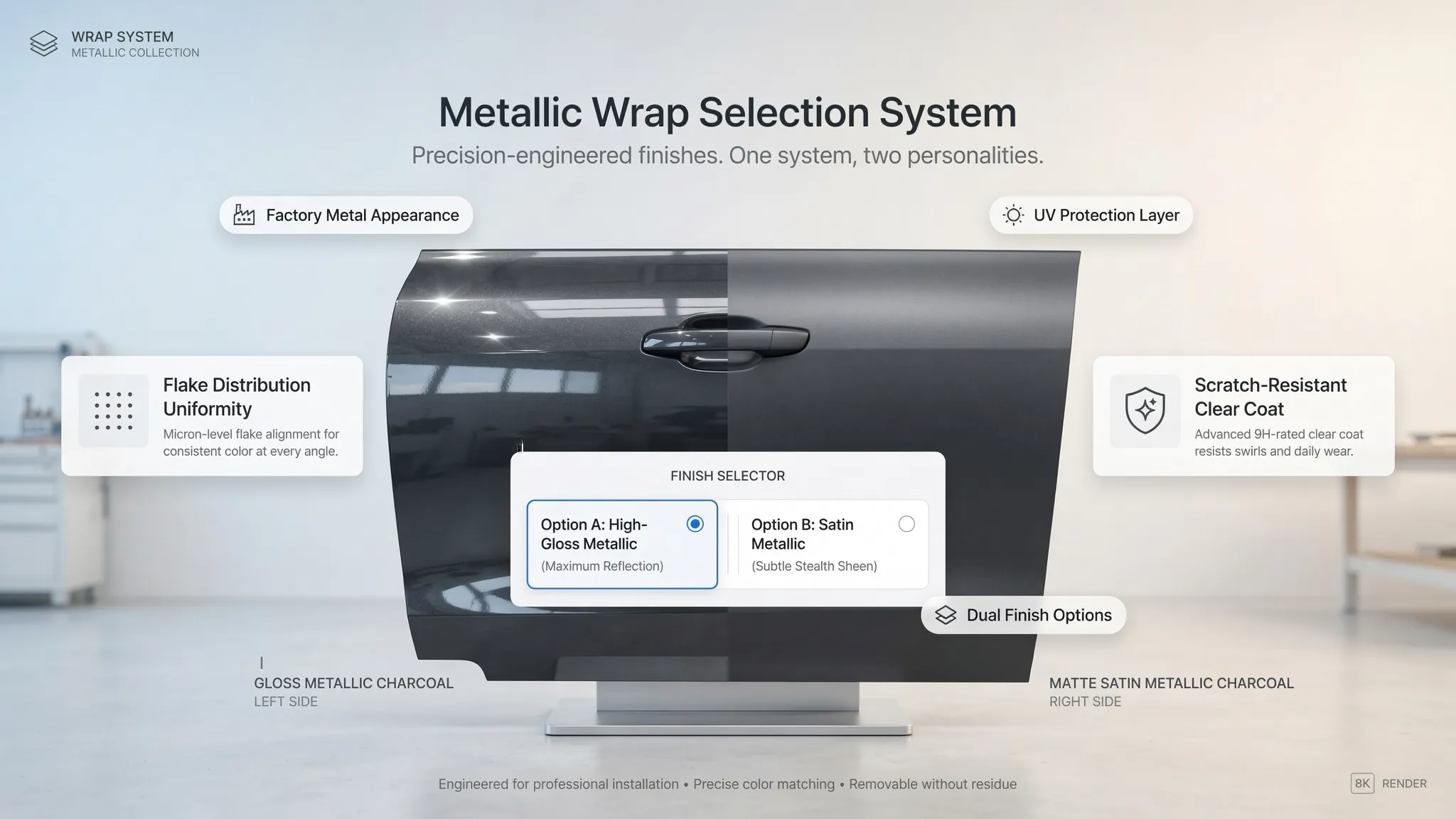
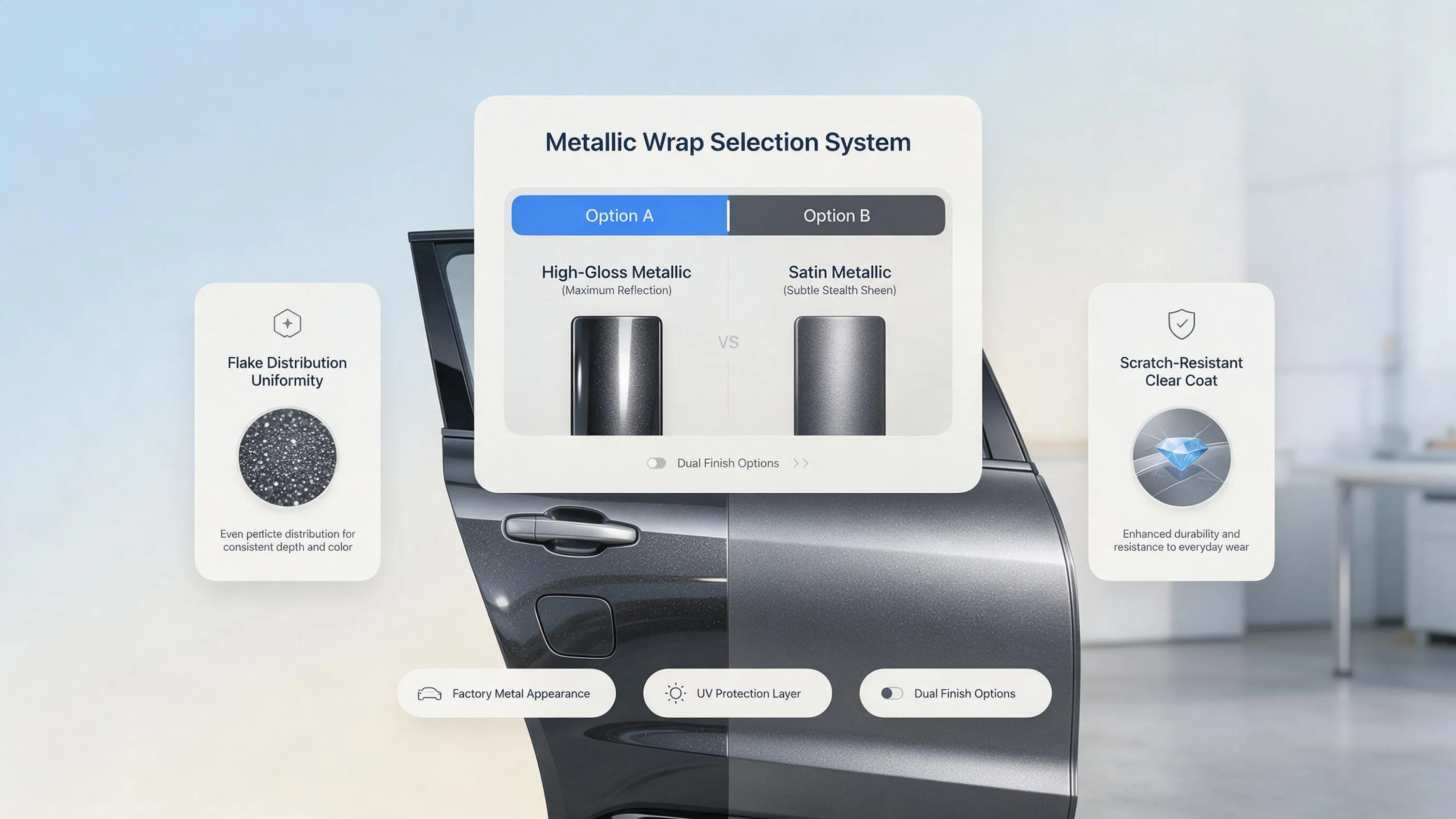
Combining colors is only half the equation; managing surface textures dictates how light reflects off your transition lines. You naturally ask: "Can I combine matte and gloss, or should both colors have the same finish?"
Mixing surface sheens builds incredible visual depth:
Matte Body + Gloss Accents: Absorbs ambient daylight across main panels while making accent sections pop under sunlight.
Satin Body + Gloss Black Roof: Diffuses light smoothly along character lines while creating a liquid-mirror canopy above the glass line.
To see how flat sheens handle real-world driving conditions compared to high-shine coats, dive into our side-by-side breakdown comparing flat textures against glossy finishes.
9. Preview the Two-Tone Design on Your Own Car Before Buying Vinyl
Guessing how a dual-color split will line up on your driveway is an expensive risk. You inevitably ask: "How can I see the combination before spending money on material?"
Digital pre-visualization takes the anxiety out of multi-roll builds. Uploading a clean photo of your vehicle into an online customizer lets you test horizontal splits, swap candidate accents, and fine-tune line placements in real time. Learn more about visual workflows in our tutorial on how to visualize a car wrap before installing.
10. Check How the Color Split Looks From the Front, Side, and Rear
A side-profile render can look sensational, but how does that transition line wrap around the trunk lid or bonnet lip? It is critical to ask: "The side looks great, but will the design work from every angle?"
Inspect your dual-tone concept across 3/4 front and 3/4 rear perspectives. Ensure that horizontal split lines wrap fluidly around corner lamps and bumper seams to avoid awkward visual drops where panels meet.
11. Plan the Vinyl Sections, Edges, and Installation Sequence
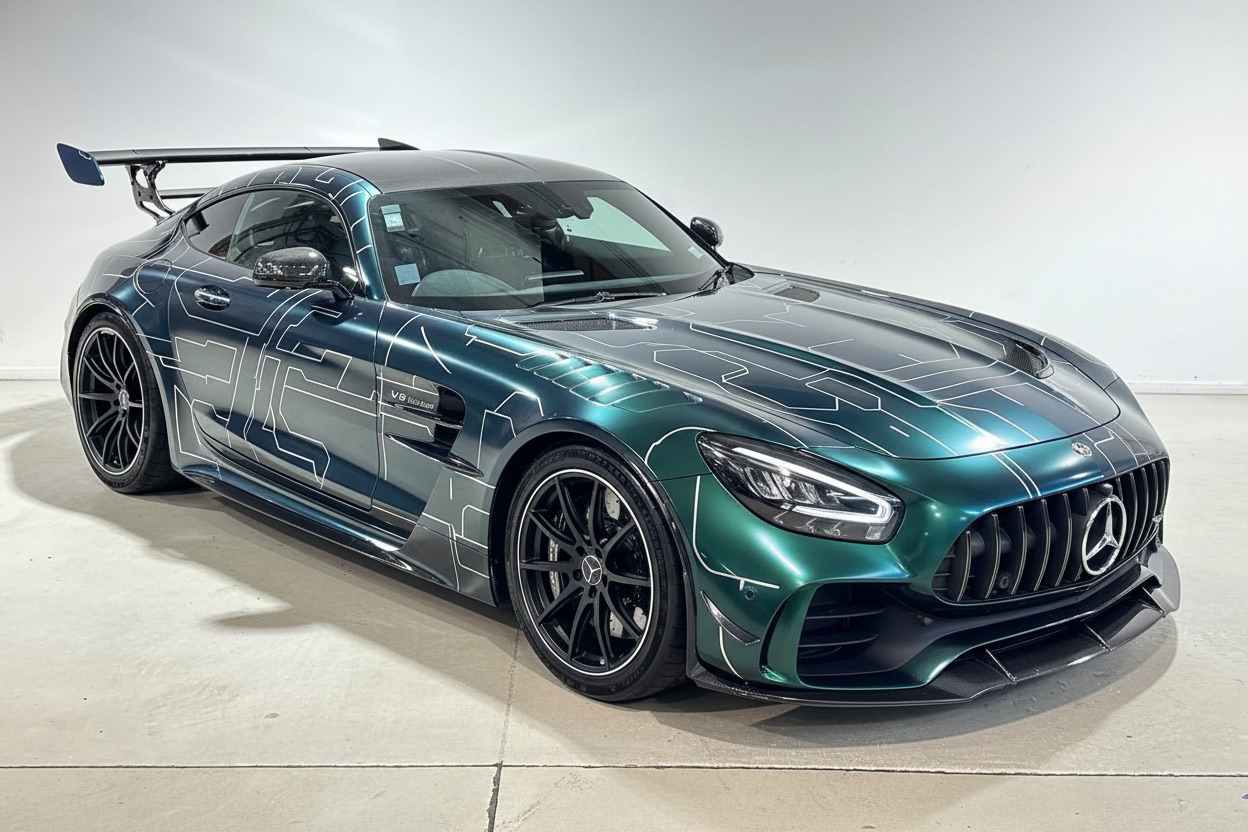
Applying two distinct vinyl rolls requires precise knifeless tape execution to avoid exposed paint gaps or thick overlap ridges. Installers naturally worry: "How do I make the color transition look clean instead of patched together?"
Always lay down your primary base film first, tucking edges cleanly into panel channels. Use precision knifeless tape to lay down crisp, laser-straight seam lines before applying the secondary accent layer over top. To ensure your underlying paint surface holds multi-layer pressure-sensitive adhesives cleanly, check out our complete guide on how to prepare a car for a wrap.

12. Finalize Your Two-Tone Design Before Ordering the Vinyl
You've mapped your transition seams, paired your sheens, and verified your line flow from every angle. Now comes the moment of truth: "What should I confirm before buying two different rolls of wrap?"
Complete these final pre-order steps:
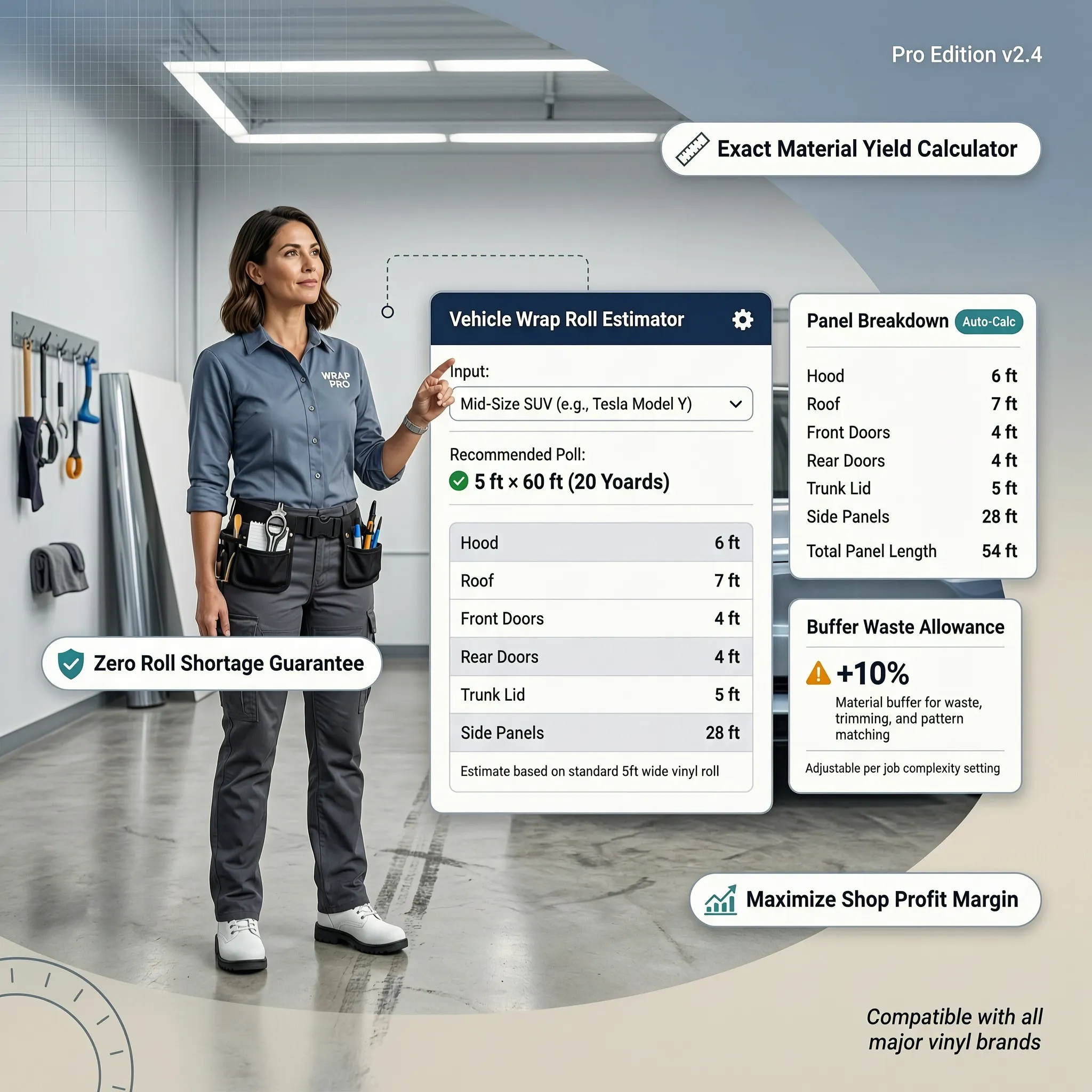
Calculate Footage Separately: Measure the required square footage for both primary and secondary film rolls using our vinyl wrap calculator.
Order Physical Swatches: Request physical sample strips for both chosen colors to verify how their undertones react side-by-side in daylight.
Confirm Batch Numbers: Ensure each respective roll comes from a single manufacturing batch to guarantee absolute color uniformity.
Ready to test your split-color concept on your ride? Fire up our vehicle wrap customizer, render your dream combination, and turn your vision into reality!
Frequently Asked Questions: How to Create a Two-Tone Car Wrap
Here are the top 12 real-world questions vehicle owners and customizers ask when planning, rendering, and installing an intentional split-color or two-tone vinyl wrap.
1. How do I create a two-tone car wrap that looks clean and intentional?
Creating a stunning two-tone wrap requires anchoring your color transition lines directly to your car's factory body lines, roof pillars, or natural panel gaps. Instead of splitting panels randomly, use a vehicle wrap customizer to test how secondary accent shades flow across your ride's profile before laying down physical film.
2. What are the best two-tone car wrap color combinations?
The most visually striking two-tone combinations rely on clear color harmony:
Monochromatic Stealth: Matte slate grey paired with high-gloss liquid black.
Track-Inspired Contrast: Alpine white body framed by deep metallic midnight blue.
Warm Executive Accents: Metallic copper or gold accents against satin dark charcoal.
Testing contrasting body shades on screen ensures your chosen palette elevates your vehicle's stance without feeling mismatched.
3. Should the darker color go on the top or bottom of a two-tone wrap?
Placing the darker color along the lower body panels grounds your vehicle's stance, making it look visually lower, wider, and more aggressive on the road. Conversely, applying a dark wrap to the upper half—such as blacking out the roof canopy, A-pillars, and hood—creates a sleek, low-profile aircraft canopy aesthetic.
4. Where is the best place to split colors on a two-tone car wrap?
Color transitions should always follow natural architectural breaks on the vehicle:
The Window Beltline: Running a continuous horizontal seam along the lower edge of the side glass.
Character Creases: Aligning the split line directly with the primary stamped body line from headlight to taillight.
Pillars and Roof Channels: Isolating the upper roof section from the main door mass.
5. Can I create a two-tone look by wrapping just the roof, hood, or mirrors?
Yes. Partial wraps are an exceptional, high-impact way to achieve a two-tone aesthetic without wrapping the entire vehicle. Blacking out a roof panel creates the optical illusion of a continuous glass ceiling, while wrapping only the hood or side mirrors provides a bold contrast accent while preserving your factory base paint.
6. Will a two-tone wrap clash with my black wheels and exterior trim?
A two-tone design will only clash if your secondary body shade fights your rolling gear. If you run dark alloys, selecting a secondary accent color that matches your wheel finish creates an ultra-cohesive build. Blacking out bright window surrounds using a dedicated chrome delete also prevents extra visual clutter.
7. Can you mix matte and gloss finishes on a two-tone car wrap?
Absolutely. Combining different surface textures creates incredible visual depth. A popular setup is pairing a light-absorbing satin or matte body wrap with a high-gloss black roof and hood overlay. The flat body panels diffuse ambient daylight, while the glossy accents reflect crisp highlights under direct sunlight.
8. How do professional installers get laser-straight seams on a two-tone wrap?
Professional installers use specialized knifeless masking tape to lay down perfectly straight seam lines directly on the bodywork without risking razor cuts to the paint. The primary base film is laid first, the knifeless tape line is pulled to create a razor-sharp edge, and the secondary vinyl layer is laid cleanly over the seam with exact overlap.
9. How do I visualize a two-tone wrap design on my car before buying vinyl?
You can preview split-color concepts risk-free by uploading a clean photo of your vehicle into a digital wrap visualizer. Simulating horizontal splits, contrast hoods, and different finish combinations on screen allows you to fine-tune your visual balance before ordering expensive rolls of material.
10. How much extra vinyl do I need to order for a two-tone car wrap project?
The exact amount depends on your design layout, but multi-color installations generally require more total footage due to panel overlap requirements and directional film alignment. You should calculate the square footage of the primary base section and the secondary accent sections separately using a vinyl wrap calculator.
11. Does a two-tone vinyl wrap cost more to install than a single color?
Yes. Professional installers charge more for two-tone installations because multi-color builds require precise panel alignment, extra surface prep along overlap seams, detailed knifeless tape application, and careful post-heating along exposed transition edges to guarantee long-term adhesion.