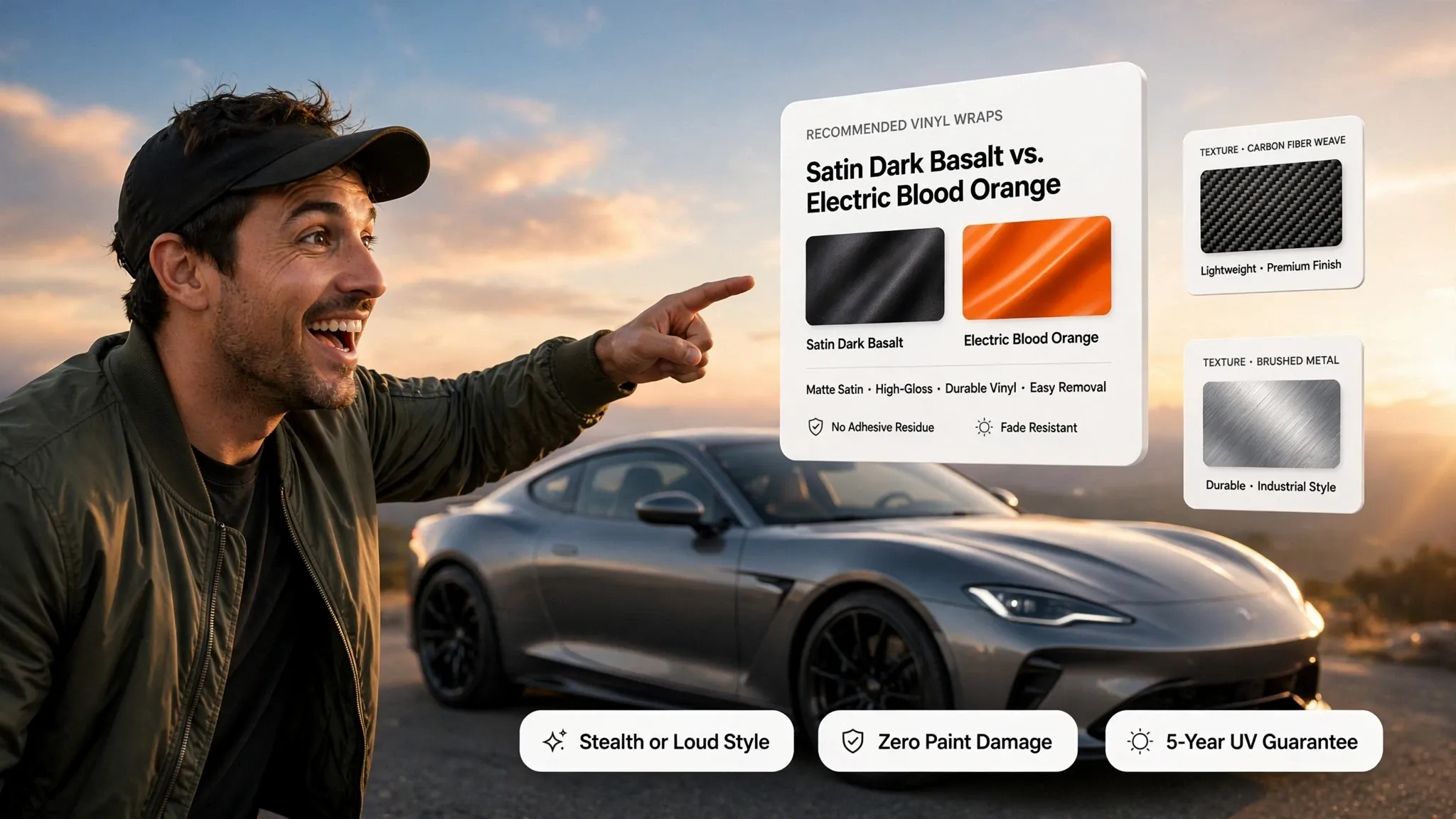

Standing out on the street doesn't require loud neon splatters, aggressive digital camo, or oversized sponsor logos. In fact, cluttering your ride with excessive graphics often destroys its original beauty, making the vehicle feel chaotic rather than sleek.
True elegance lies in restraint.
A well-executed, subtle transformation accentuates your car's factory contours, elevates its road presence, and delivers a factory-fresh, bespoke look that turns heads for all the right reasons. If you want to bypass the trap of tacky designs and craft an understated masterpiece, this guide breaks down the exact steps to map, test, and execute a refined build with total confidence.
1. How to Design a Minimalist Car Wrap That Looks Clean and Refined
Attempting a custom build without a clear design philosophy often leads to visual overload. Most drivers step into the custom styling world with one simple thought: "I want my car to look different, but I don't want too many graphics."
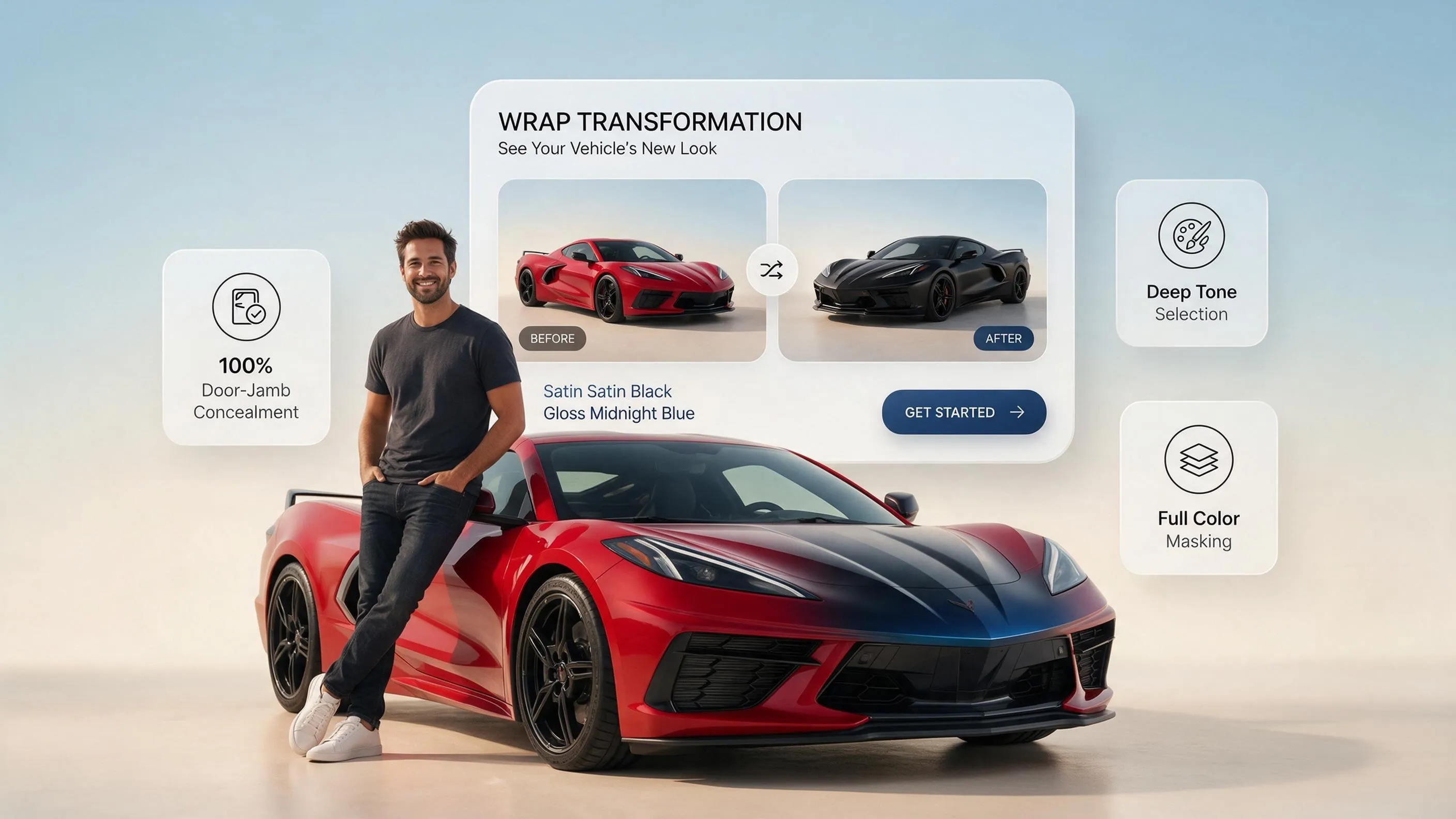
The core goal is absolute visual balance. Instead of adding elements until the car looks busy, minimalist design focuses on stripping away distractions to highlight pristine paint movement and body geometry. By leveraging a high-definition vehicle wrap customizer, you can test subtle transformations directly over your factory lines before laying down physical film.
Here is the secret top customizers live by: less isn't just more—it's everything when building a timeless machine.
2. Choose One Main Color Instead of Mixing Too Many Shades
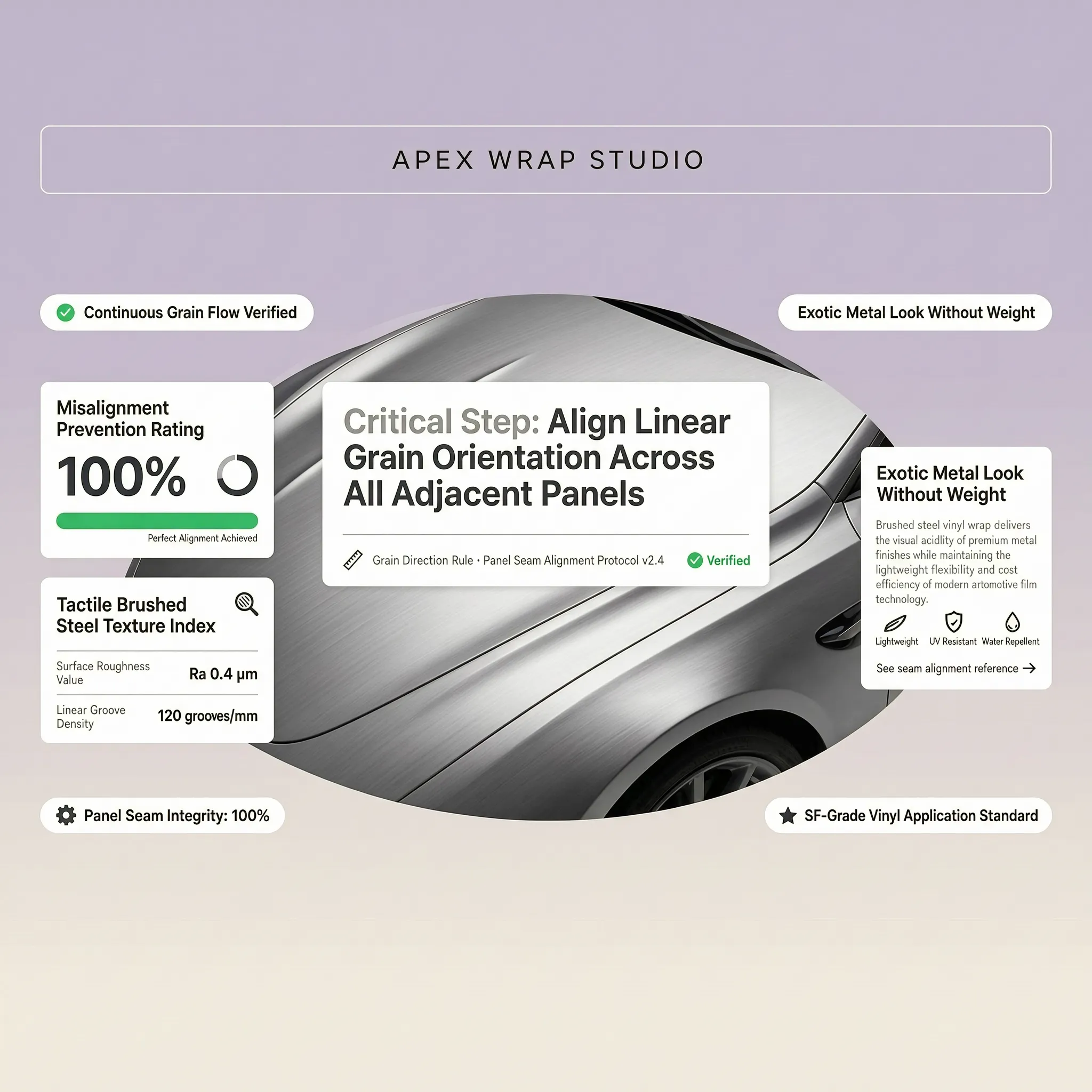
Juggling multiple primary colors across bumpers, doors, and side skirts creates mental clutter. You naturally catch yourself wondering: "Would one solid color look better than a complicated design?"
Limiting your build to a single dominant color establishes immediate aesthetic authority. A uniform, rich pigment lets the eye effortlessly trace the length of your vehicle from front splitter to rear spoiler. To discover how single-tone selections dramatically transform daily drivers, browse our curated collection of the best wrap color ideas.
3. Use Subtle Contrasts to Give a Plain Wrap More Character
Going minimalist doesn't mean your build has to feel dull or invisible. You might ask: "How can I make a simple wrap interesting without adding too much?"
The trick lies in micro-adjustments. Pairing a deep charcoal body with a subtle gloss-black chrome delete creates an eye-catching depth that rewards anyone taking a closer look. For a breakdown on executing sleek trim updates, explore our guide on chrome delete wraps.
4. Try Two-Tone Accents Without Making the Design Busy
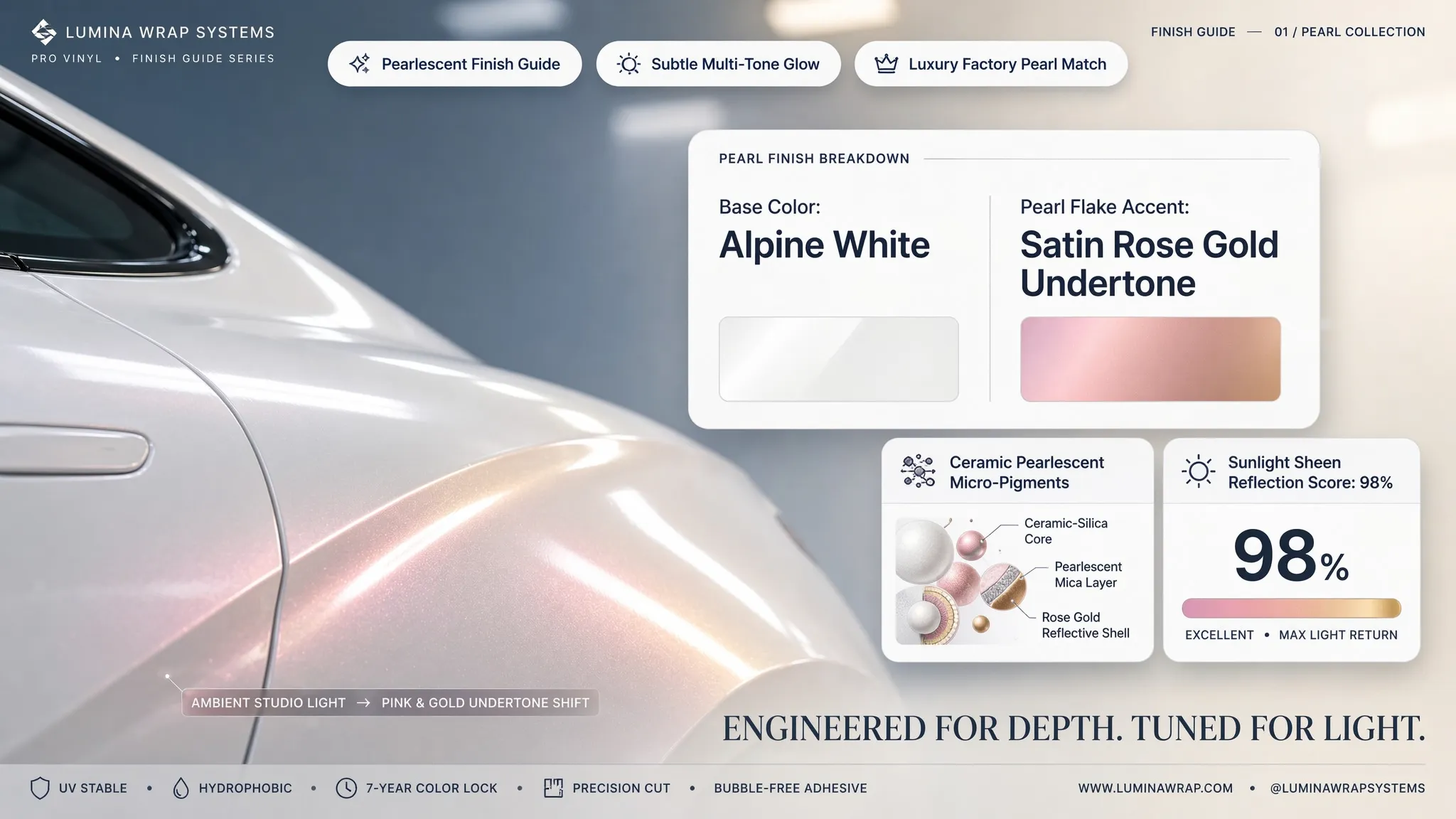
Adding a second tone to your ride can easily go wrong if the proportions fall out of sync. It's common to hesitate and think: "Can I use two colors and still keep the minimalist look?"
Keep your secondary shade strictly functional. Darkening only the upper pillars or framing the side air intakes establishes clear visual hierarchy without disrupting the primary silhouette. If you are balancing multi-panel styling, check our step-by-step tutorial on how to create a two tone car wrap.
5. Use Thin Stripes and Small Graphics Instead of Large Decals
Loud, thick racing stripes often overpower a hood's natural character line. You might like sporty accents, but still ask: "I like racing stripes, but I want something more understated."
Instead of bold center blocks, opt for pinstripe accent lines along existing body creases or tiny offset fender markers. Subtle lines guide the viewer's eye along the car's structural contours without screaming for attention.
6. Let Your Car's Original Body Lines Shape the Design
Forcing geometric patterns across natural door curves creates an awkward visual clash. Installers and owners frequently ask: "How do I make the wrap look like it belongs on the car?"
Your vehicle's designers already spent thousands of hours perfecting its aerodynamic flow. Work with those factory stamped creases, not against them. Flowing your accent lines parallel to character curves ensures your wrap looks like an exclusive factory option rather than an aftermarket afterthought.
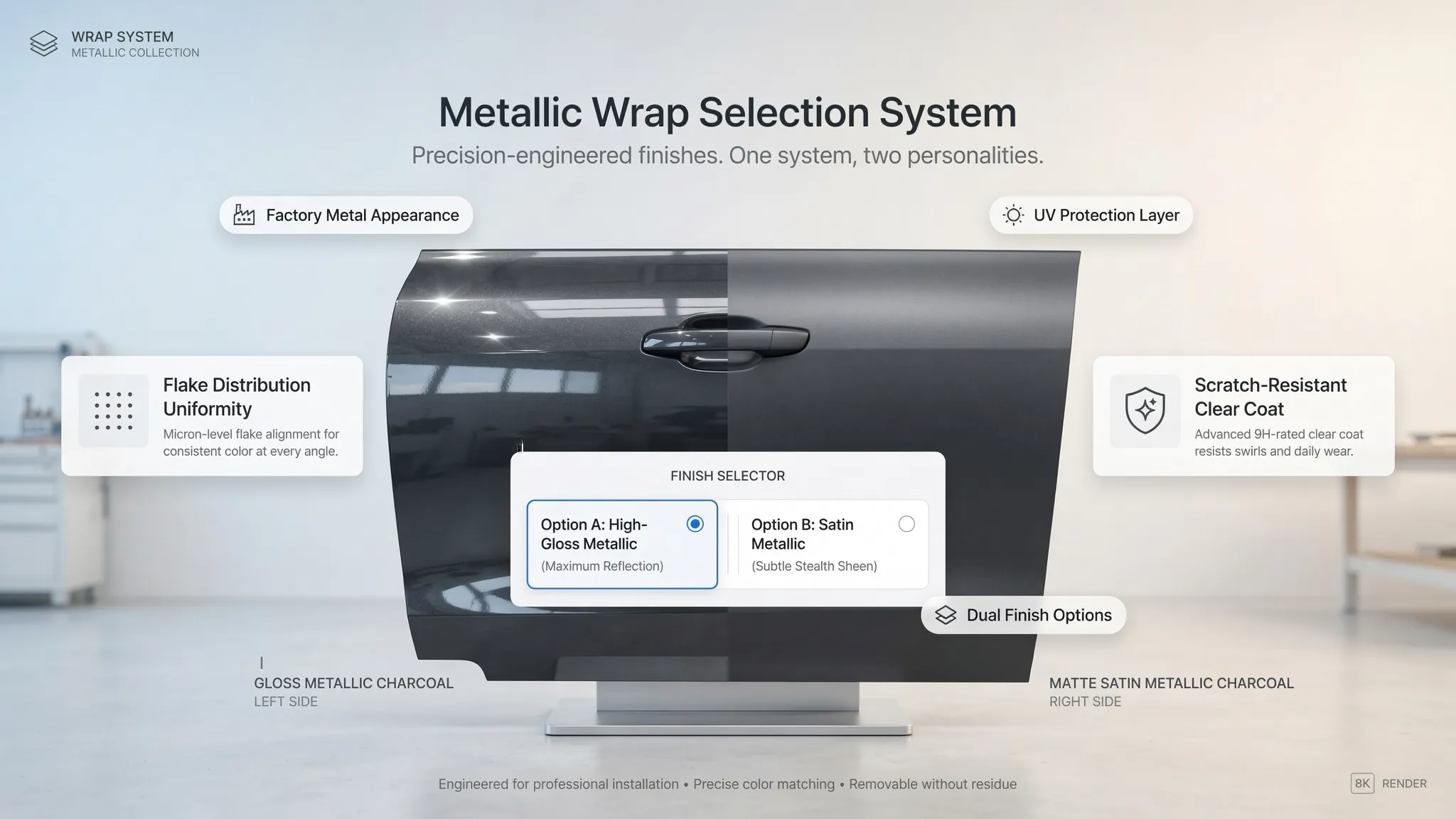
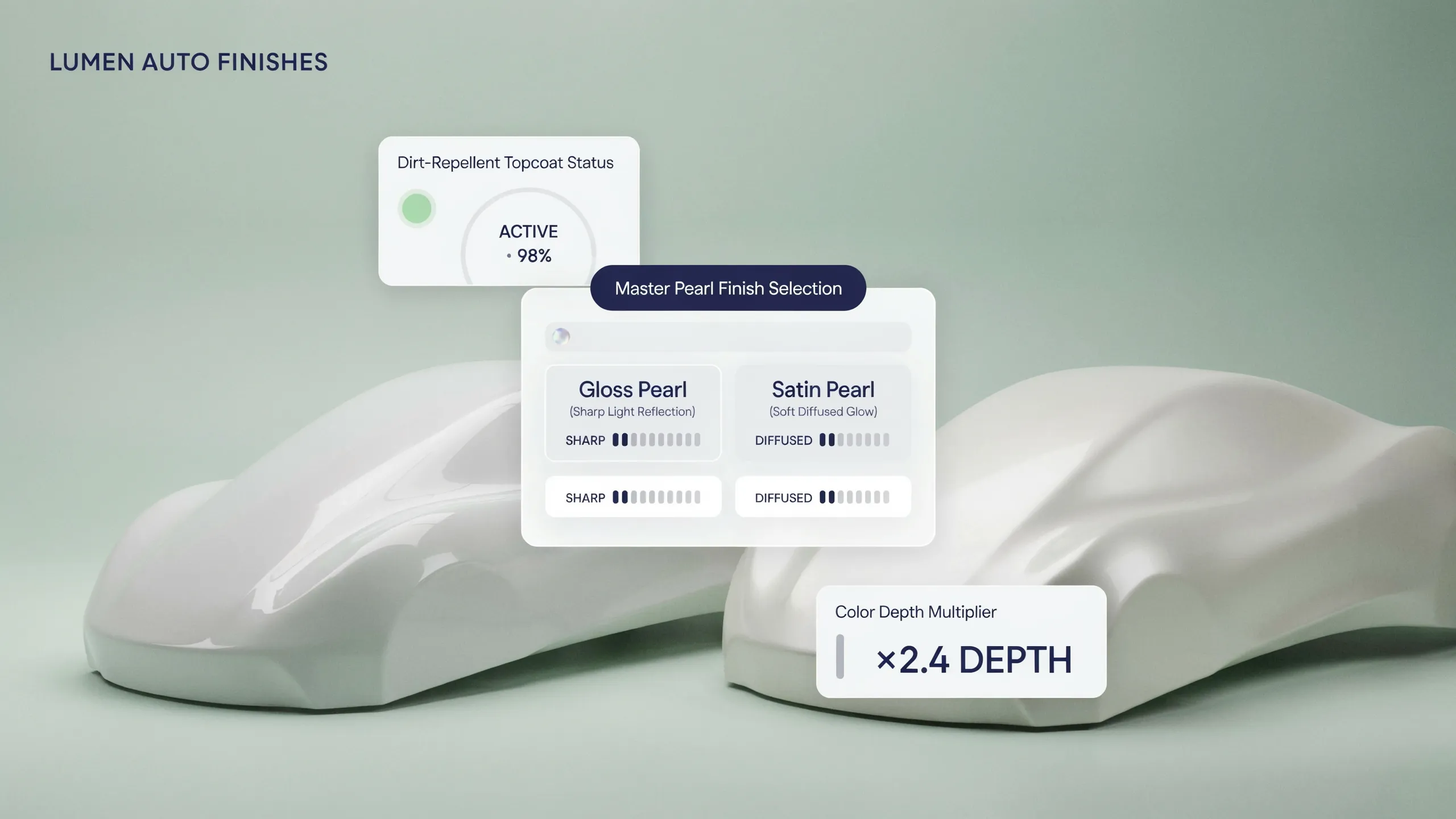
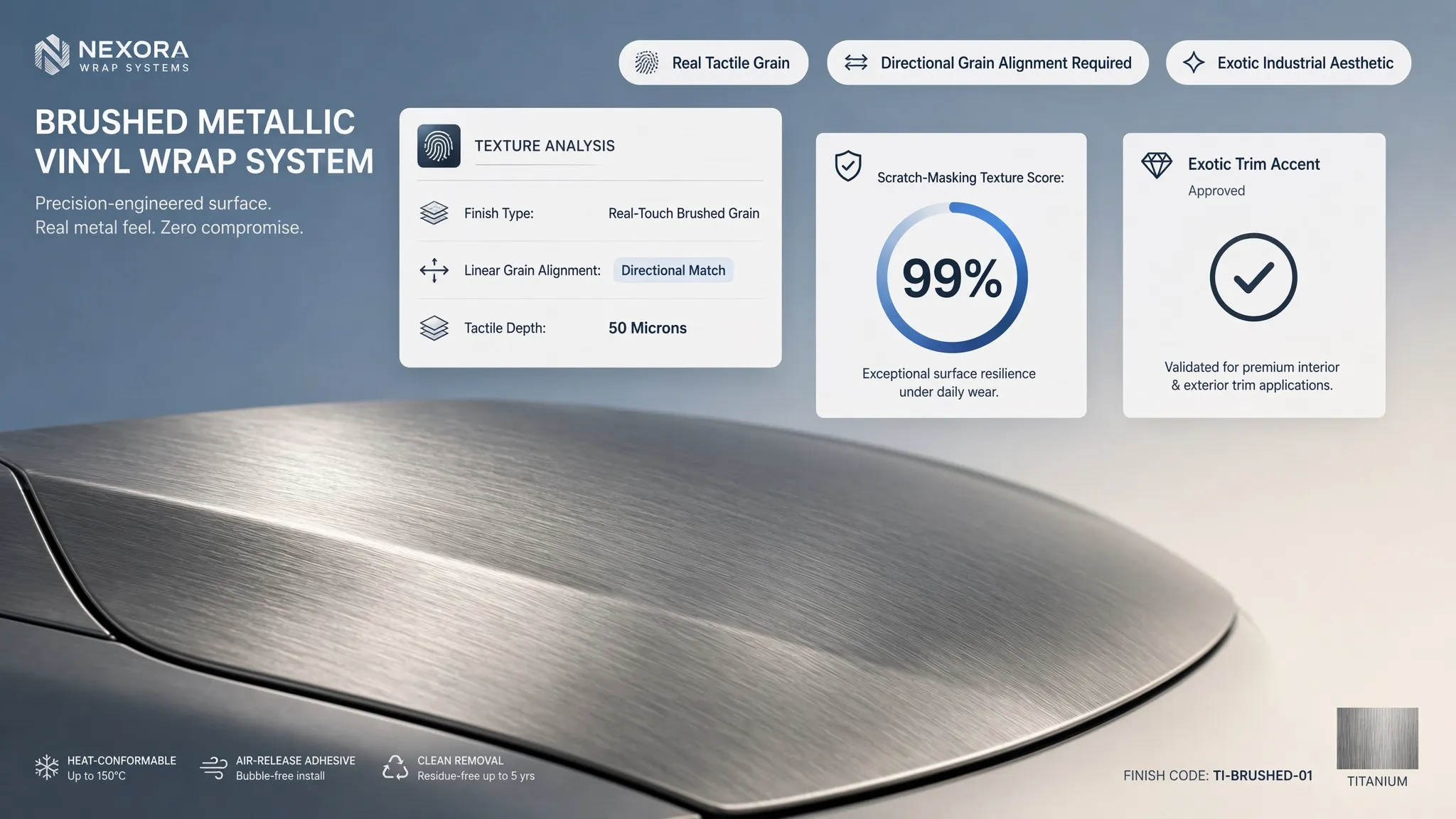
7. Choose Matte, Satin, or Gloss for the Right Minimalist Finish
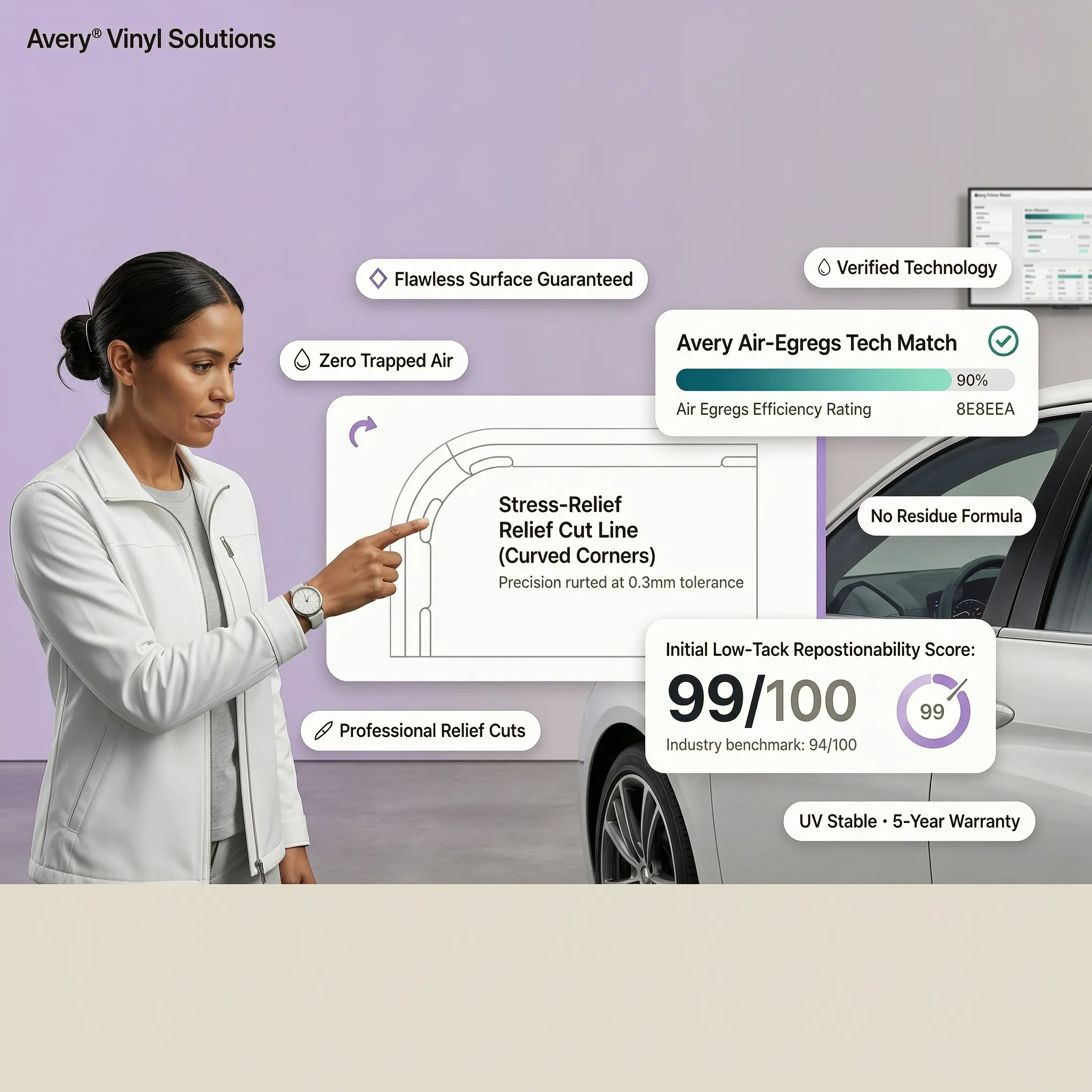
When you stick to a single refined color, the surface sheen becomes the absolute star of the show. You will inevitably ask: "Can a single color look premium just by changing the finish?"
The surface texture dramatically transforms how light travels across your panels:
- Gloss: Yields a wet, mirror-like depth that amplifies luxury contours.
- Matte: Absorbs ambient reflections completely, throwing sharp body lines into dramatic relief.
- Satin: Strikes the ultimate middle ground, spreading light across curves like liquid silk.
To see how flat sheens hold up against reflective coats, dive into our side-by-side analysis on comparing flat textures against glossy finishes.
8. Decide Whether Your Roof, Mirrors, or Trim Need an Accent Color
Wrapping the entire car in a single hue is safe, but targeted color breaks often elevate the stance. You might ponder: "Should I wrap everything in one color or highlight a few sections?"
Blacking out a roof panel visually lowers your car's center of gravity, giving it a lower, wider, more aggressive profile on the road. To see how selective panel wraps match up against complete color changes, review our breakdown of full wrap vs partial wrap.
9. Match the Wrap With Your Wheels and Existing Exterior Details
An incredible body color can fail instantly if it clashes with bright aluminum wheels or silver window surrounds. You naturally wonder: "Will my black wheels and chrome trim work with this color?"
Harmonizing your exterior elements creates a cohesive design package. If you are running dark alloys, check out our styling guide on picking the right wrap color for black wheels to tie your entire setup together effortlessly.
10. Preview Minimalist Wrap Ideas on Your Own Car Before Buying Vinyl
Guessing how a subtle color shift will translate from an online sample to your driveway is an expensive gamble. You are left asking: "Can I see whether the design suits my car before spending money?"
Digital simulation eliminates the guesswork entirely. Uploading a clear photo of your ride into an online simulator lets you swap tones, test satin finishes, and fine-tune subtle pin-striping in real time. To learn more about modern pre-visualization workflows, check our guide on how to visualize a car wrap before installing.
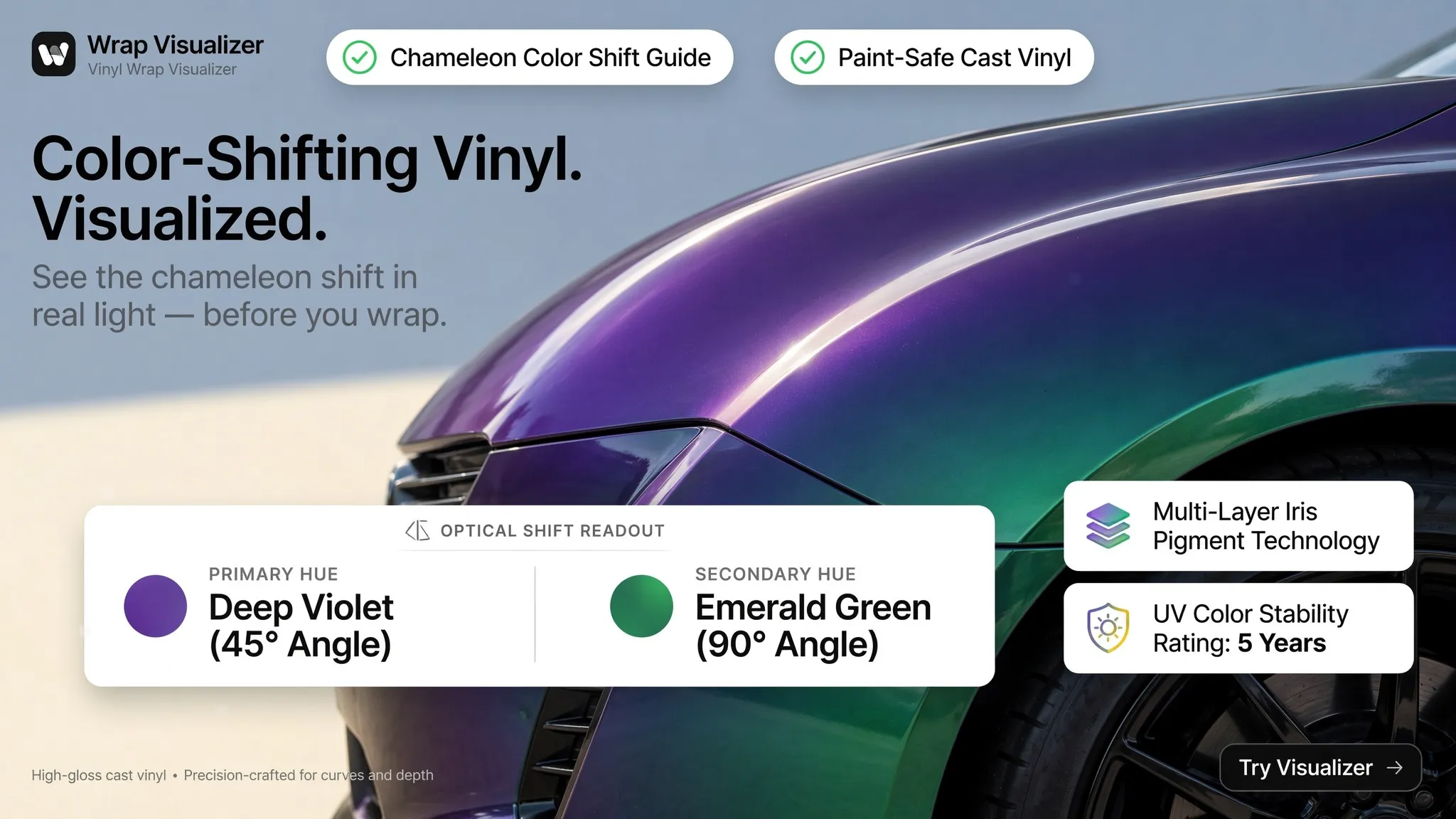
11. Check the Design From Every Angle Before Finalizing It
A subtle side profile render can look stunning, but how does that minimalist aesthetic carry over to the rear bumper and hood? Owners often ask: "Will the car still look balanced from the front, side, and rear?"
Vehicles are dynamic 3D objects, not flat canvases. Inspecting your concept from multiple perspectives ensures light reflections flow continuously around every corner, preventing awkward visual breaks where panels meet.
12. Finalize the Color, Finish, and Details Before Ordering Vinyl
You have eliminated unnecessary clutter, selected a stunning finish, and harmonized your trim accents. Now comes the moment of truth: "What should I confirm before committing to the material?"
Run through these final steps before ordering:
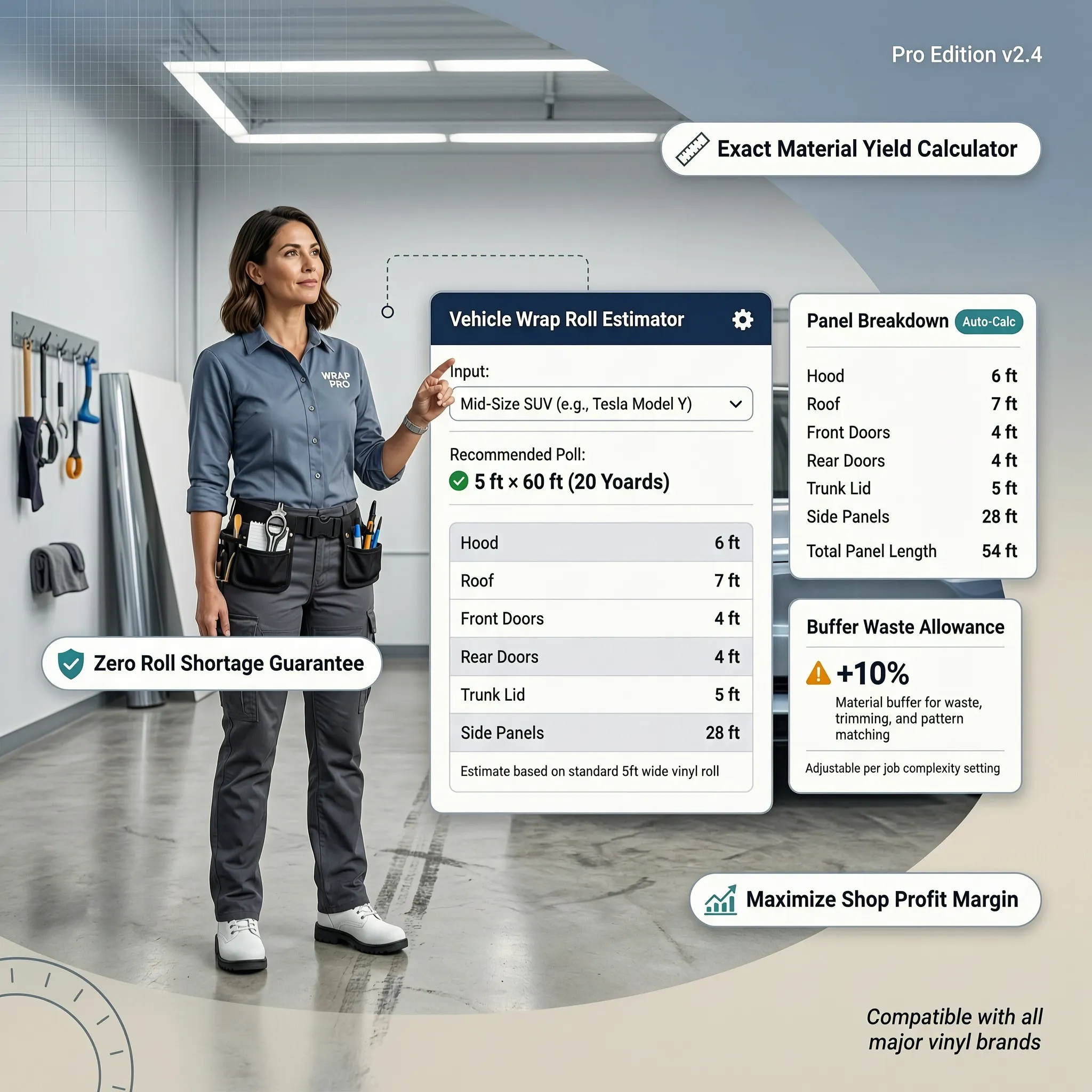
- Measure your total required square footage with our vinyl wrap calculator.
- Confirm material batch numbers to ensure 100% color uniformity across rolls.
Launch the Car Wrap Visualizer one last time to double-check your finished concept and bring your minimalist vision to life!
Frequently Asked Questions: How to Design a Minimalist Car Wrap
Here are the top 12 real-world questions car enthusiasts, daily drivers, and customizers ask when aiming to create a refined, understated, and timeless vehicle wrap design.

1. How do I design a minimalist car wrap that looks clean and refined?
Creating an understated, high-end look requires focusing on visual balance rather than heavy graphics. Instead of cluttering your vehicle with loud decals or complex patterns, choose one dominant color, leverage subtle contrasts, and let your car's natural body lines dictate the design flow. Using a vehicle wrap customizer lets you preview minimalist color shifts directly over your vehicle's profile on screen before committing to installation.
2. Is a single solid color better than a multi-color design for a minimalist car wrap?
Yes. A single primary color establishes immediate aesthetic authority and lets the eye effortlessly trace the vehicle's silhouette. Limiting your palette prevents visual clutter, giving your ride a factory-fresh, bespoke appearance that turns heads for its sheer quality rather than loud distractions.
3. How can I add character to a simple car wrap without over-styling?
The key to subtle sophistication lies in micro-adjustments. Incorporating controlled, low-key contrast—such as pairing a rich charcoal body wrap with a subtle gloss black chrome delete—builds deep visual character without disrupting the clean, minimalist baseline.
4. Can I use a two-tone layout while keeping my car wrap minimalist?
Absolutely, provided the secondary color is functional and restrained. Blacking out only the upper roof canopy or accenting the side mirror caps creates a sleek, low-profile stance. For detailed guidance on multi-panel split execution, explore our tutorial on how to create a two tone car wrap.
5. What are the best subtle car graphics for a minimalist vehicle design?
If you want graphic elements, swap out thick racing stripes and large decals for thin, elegant accent lines or offset pinstripes running parallel to existing body creases. Restrained linework highlights your vehicle's aerodynamic curves while maintaining an understated, factory-plus aesthetic.
6. How do I use my car's original body lines to shape a clean wrap design?
Your vehicle's designers spent thousands of hours perfecting its geometric flow, so your wrap should work with those stamped panel creases, not fight against them. Aligning subtle color breaks or accent strips along natural body lines ensures your custom wrap looks like an exclusive, high-end factory package rather than an aftermarket add-on.
7. Should I choose a matte, satin, or gloss finish for a minimalist car wrap?
When relying on a simple color scheme, the surface sheen becomes the main feature. A high-gloss finish mimics mirror-like clear coats, matte absorbs light to accent sharp body folds, and a silky satin finish spreads daylight across panels like liquid metal. To compare flat sheens against high-shine coats under real driving conditions, read our guide comparing flat textures against glossy finishes.
8. Is a contrasting roof wrap considered a minimalist car wrap accent?
Yes. Blacking out a roof panel is one of the most effective minimalist styling techniques available. It creates the optical illusion of a continuous glass ceiling, visually lowering your car's center of gravity for a wider, sleeker stance without cluttering the main body panels.
9. How do I match a minimalist car wrap with my black wheels and exterior trim?
Harmonizing your wrap pigment with existing dark accents creates a cohesive, factory-grade package. If your vehicle runs dark alloys, check out our styling guide on selecting a wrap color for black wheels to tie your stance and trim together effortlessly.
10. Can I preview minimalist car wrap ideas on my ride before buying vinyl?
Yes. Simulating your concept digitally eliminates all guesswork. Uploading a clear photo of your car into an online wrap visualizer lets you swap subtle tones, test satin sheens, and evaluate chrome deletes in real time before spending money on material.
11. How do I ensure a minimalist wrap design looks balanced from every angle?
- Vehicles are three-dimensional forms, so a design must hold up from every perspective. Inspect your concept across front 3/4, rear 3/4, and side profile views to ensure panel transitions and light reflections flow continuously around corners without awkward visual drops.