
Either your front bumper is taking a beating from highway gravel, road salt, and bug splatters, or your original factory paint feels plain, ordinary, and invisible in a sea of identical cars.
When you look into exterior upgrades, you hit a massive crossroads: Should you armor your vehicle with clear Paint Protection Film (PPF), or restyle it with a custom Vinyl Wrap?

At first glance, both materials seem to do the same thing—they cling to your panels and alter your vehicle's exterior. But expecting a thin decorative film to block high-speed highway stones leaves your hood chipped, while spending top dollar on clear armor won't give you that head-turning satin finish you've been eyeing.
Here is the exact breakdown of how both solutions perform, what they cost, and which one belongs on your machine.
PPF vs. Vinyl Wrap: The Core Difference
The distinction between PPF and Vinyl comes down to material science and primary intent:
- Paint Protection Film (PPF): An ultra-thick, high-density polyurethane shield engineered to absorb physical impacts. Its main job is defense—stopping gravel, self-healing swirl marks, and keeping original factory paint flawless.
- Vinyl Wrap: A lightweight polyvinyl chloride (PVC) film designed strictly for visual transformation. Its main job is style—giving you complete freedom across hundreds of colors, metallic sheens, satins, and custom graphics.
PPF vs. Vinyl Wrap Comparison Table
| Feature | Paint Protection Film (PPF) | Vinyl Wrap |
|---|---|---|
| Primary Focus | Heavy-duty paint protection with maximum impact resistance. | Complete color changes and vehicle customization. |
| Material |
Thermoplastic Polyurethane (TPU) Approximately 8–10 mil thick |
Premium PVC Vinyl Approximately 3–4 mil thick |
| Rock Chip Protection |
Excellent
Absorbs impacts from rocks and road debris. |
Limited
Primarily cosmetic with minimal impact protection. |
| Self-Healing | ✅ Heat-activated surface repairs minor scratches. | ⚠️ Available only on select premium films. |
| Appearance | Clear, gloss, or stealth matte while preserving factory paint. | Hundreds of colors, matte, satin, gloss, metallic, chrome, and custom graphics. |
| Average Lifespan | 7–10+ years | 3–7 years |
| Investment | Higher upfront investment for long-term paint preservation. | More affordable way to completely change your vehicle's appearance. |
What Is Paint Protection Film (PPF)?
Paint Protection Film—frequently called "clear bra"—is an invisible, heavy-duty polyurethane barrier built for drivers who refuse to let road debris ruin their clear coat.

The PPF Defense System
Polyurethane Shield
Absorbs impacts from rocks, gravel, and road debris before they reach your factory paint.
Elastomeric Self-Healing Topcoat
Minor scratches and wash swirls disappear when exposed to sunlight or heat.
Advanced UV Protection
Blocks harmful UV rays to reduce paint fading, oxidation, and yellowing over time.
Factory Paint Preservation
Helps maintain your vehicle's original finish, protecting long-term appearance and resale value.
- Heavy-Duty Impact Resistance: At nearly triple the thickness of standard vinyl, PPF absorbs impact energy, keeping gravel from touching your factory finish.
Self-Healing Technology: Surface scuffs and swirl marks disappear automatically when exposed to ambient heat, hot water, or direct sunlight.
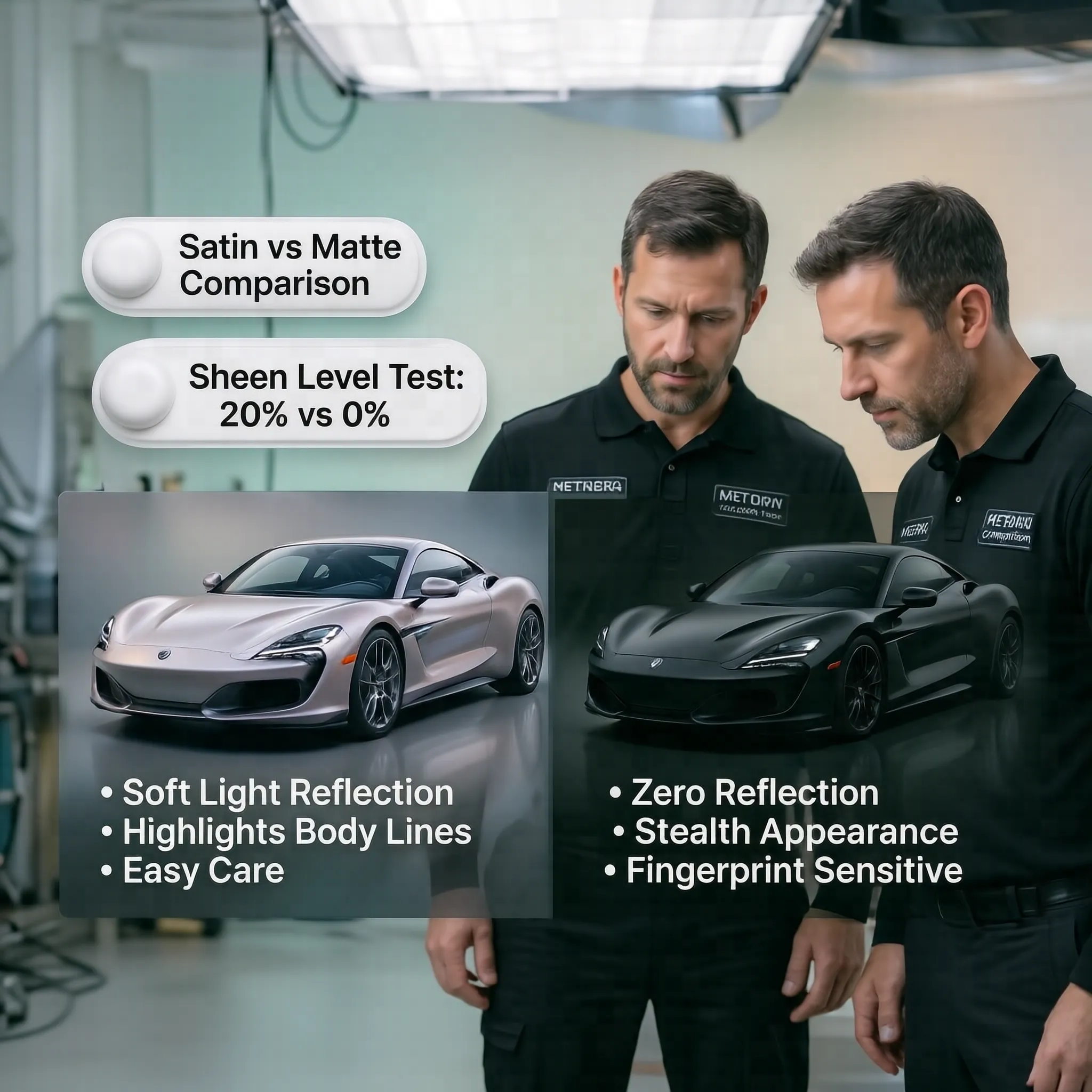
- Clear or Stealth Sheen: Standard PPF remains completely invisible to preserve original paint, while stealth PPF converts glossy factory paint into a smooth satin-matte sheen without changing the base shade.
What Is a Vinyl Wrap?
A vinyl car wrap is a flexible, highly customizable film applied directly over your panels to completely alter your car's personality.
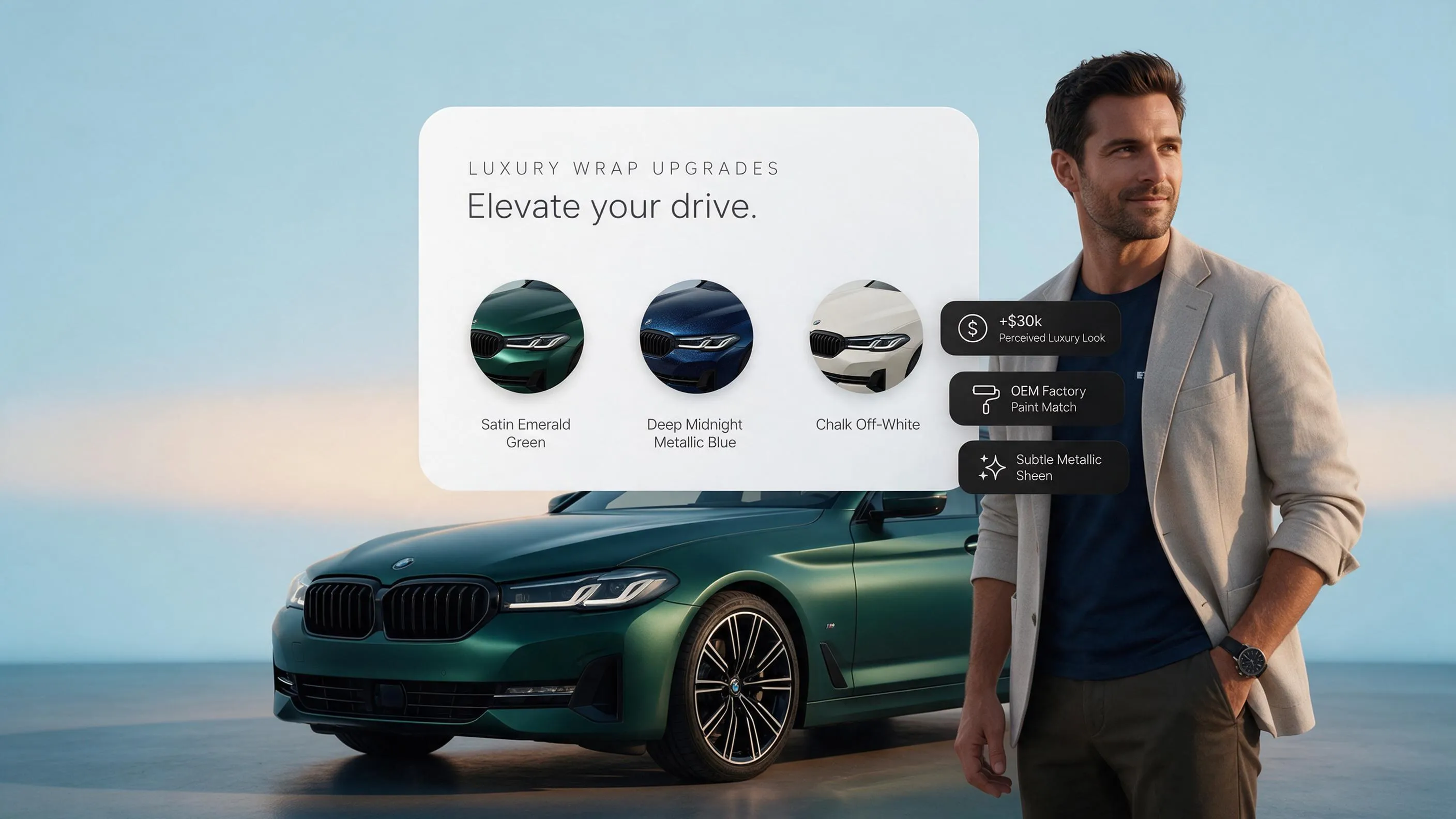
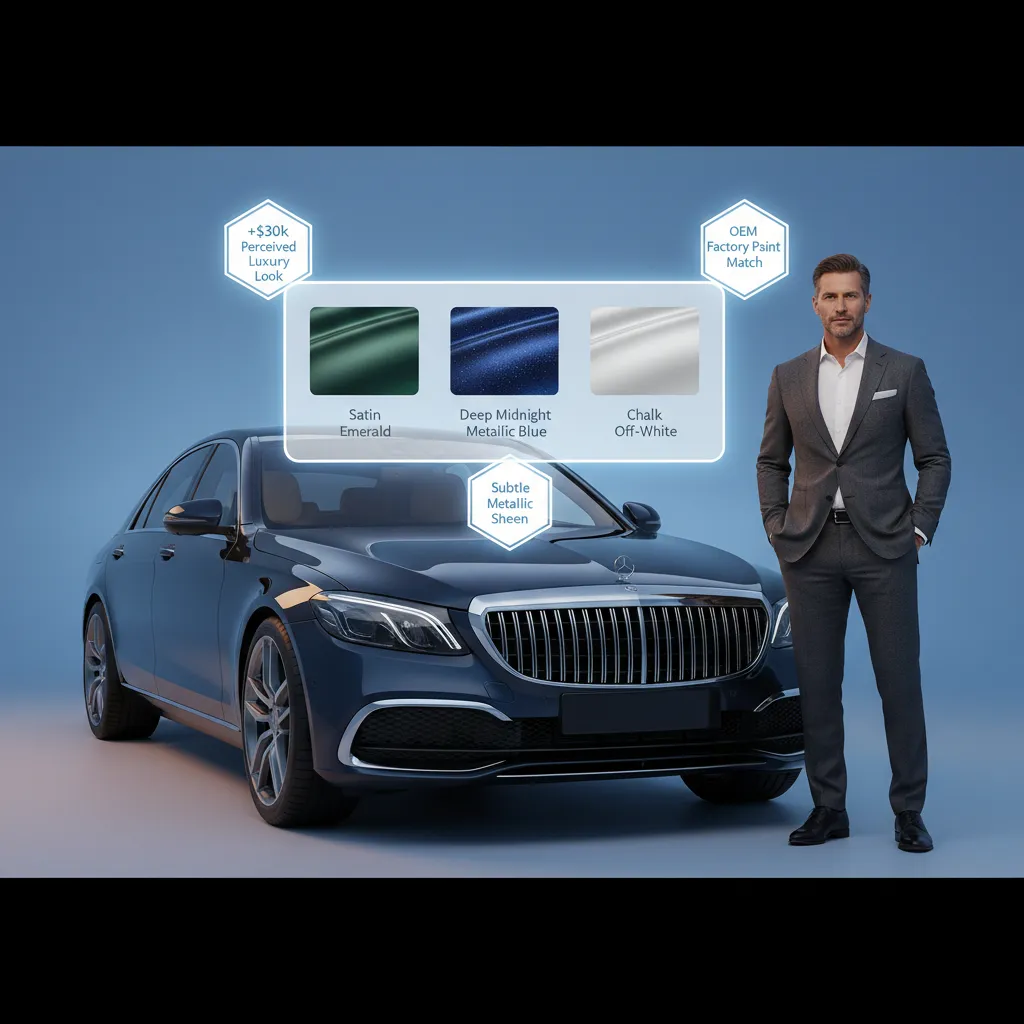
- Limitless Personalization: Choose from satin metallic, high-gloss color shifts, stealth blackouts, forged carbon textures, or business branding.
- Light Surface Protection: While not thick enough to stop heavy road gravel, a vinyl car wrap shields underlying paint from daily UV rays, light surface oxidation, and environmental fallout.
- Preserving Original Condition: Removing high-quality film leaves original paint untouched, ensuring that asking does wrapping a car ruin the paint yields a reassuring "no" when installed and removed properly.
Protection, Appearance & Durability
Impact Defense & Scratches
- PPF: Built for extreme physical protection. It deflects gravel, road salt, key scratches, and bug acidity on high-speed runs.
- Vinyl Wrap: Built for light coverage. It holds up against sun exposure and wash swirls, but sharp stones will cut right through the film to the paint below.
Visual Styling & Customization
- PPF: Keeps your build looking original. It enhances paint clarity without changing your shade, unless you opt for a matte transformation.
- Vinyl Wrap: Complete aesthetic freedom. Convert a dark blue car to satin black, execute a high-contrast full wrap vs partial wrap, or test a high-shine finish with a matte vs gloss wrap.
PPF vs. Vinyl Wrap Cost
Understanding how much it costs to wrap a car compared to applying PPF comes down to material sourcing and installation labor:
Price & Value Tier
While both improve your vehicle, they deliver value in different ways.
Lower Upfront Investment
- ✓ Lower material costs than Paint Protection Film.
- ✓ Dry installation process for faster customization.
- ✓ Excellent value for complete color changes and custom designs.
Premium Long-Term Investment
- ✓ Advanced polyurethane technology with self-healing properties.
- ✓ Precision wet installation requires specialized expertise.
- ✓ Delivers maximum paint protection and long-term resale value.
- Vinyl Wrap Value: High visual return on investment. Transforming your whole car's color with vinyl costs noticeably less than full-body PPF.
- PPF Value: Higher upfront investment due to raw polyurethane costs and precise wet-application methods. To balance your budget, consider a "Track Package" (protecting front bumpers, hoods, fenders, and mirrors) while leaving low-impact zones clear.
Pros and Cons of PPF vs. Vinyl Wrap
Paint Protection Film (PPF)
Pros: Unmatched rock chip resistance, self-healing topcoat, 7–10+ year lifespan, preserves resale value.
Cons: Higher initial cost, limited to clear or matte finishes (no color changes).
Vinyl Wrap
- Pros: Hundreds of colors and textures, affordable full-body transformation, easy to replace individual panels, completely reversible.
- Cons: Minimal rock chip defense, shorter lifespan (3–7 years), requires careful hand-washing.
Which Should You Choose?
Choose PPF If:
- You bought a new, luxury, or high-value vehicle with pristine factory paint you want to protect.
- You drive heavily on highways or track days where gravel impacts are guaranteed.
- You love your original factory color and want long-term armor.
Choose Vinyl Wrap If:
- you are bored of your car's factory color and want an eye-catching new shade.
- You want an affordable way to test custom satins, metallics, or partial accents.
- You need high-visibility business branding or want to update your vehicle's look every few years.
Preview Vinyl Wrap Colors Before Installation
The fastest way to regret an exterior upgrade is buying rolls of film without seeing how the finish matches your vehicle's lines.
Don't guess with physical swatch books. Upload a shot of your vehicle to our customizer to test colors, preview satins, compare finishes, and evaluate custom layouts in photorealistic 3D before committing to materials or shop labor.
Frequently Asked Questions
Is Paint Protection Film (PPF) the same as a clear bra?
Yes. "Clear bra" is simply the popular term for a front-end Paint Protection Film installation. It covers high-impact strike zones—like your front bumper, hood, side mirrors, and fenders—to give you heavy-duty car paint protection against highway debris without altering your factory color.
What is the main difference between Paint Protection Film vs Vinyl Wrap?
The core difference comes down to armor versus style. Paint Protection Film is an ultra-thick (~8–10 mils) polyurethane shield engineered specifically for rock chip defense and self-healing durability. A vinyl car wrap is a thinner (~3–4 mils) PVC film designed strictly for aesthetic transformation, offering hundreds of shades for a complete color change wrap.
Can I put clear bra or PPF over a vinyl car wrap?
Absolutely. Combining PPF or vinyl wrap techniques is a popular setup for high-performance builds. Applying clear Paint Protection Film over high-impact front zones of a color change wrap protects the vinyl from tearing on highway runs while maintaining your custom look.
Does PPF vs Vinyl Wrap cost significantly more?
Yes, when comparing PPF vs vinyl wrap cost, Paint Protection Film carries a higher initial price tag due to raw polyurethane material costs and precise wet-install labor. A vinyl car wrap offers a lower entry cost for total color transformation, making it a highly accessible choice for restyling.
How does self-healing PPF actually work?
Self-healing PPF utilizes an advanced elastomeric topcoat. When minor scratches, wash swirls, or scuffs mark the surface, exposure to ambient heat—like direct sunlight, warm water, or engine heat—causes the polyurethane memory layer to return to its smooth, original state.
Will installing a vinyl wrap vs PPF damage my original paint?
Neither option will damage factory paint as long as your original finish is sound and uncured body shop paint isn't present. Both materials preserve your original coat under high-quality adhesive layers, ensuring clean removal when performed by experienced professionals.
How do I find the best certified car wrap shop near me?
Look for certified installation studios (3M Endorsed, Avery Dennison Certified, or KPMF Accredited) with a physical shop rather than mobile-only installers. Check local reviews for photo proof of tight corner tucks, clean seam alignments, and zero razor marks on factory paint.
How much does a professional car wrap cost near me?
Local pricing depends on your location, vehicle size, body complexity, and film type:
- Partial Wraps & Accents: $400 – $1,200
- Standard Full Color Change Wrap: $2,500 – $4,000+
- Exotic, Chrome, or Complex Full Wraps: $4,500 – $7,000+
Can a local wrap shop handle custom design and mockup work?
Yes. Professional wrap studios employ dedicated wrap designers to help you conceptualize custom graphics, business commercial wraps, or partial accent layouts. You can also bring your own digital mockups to speed up the consultation process.
Should I wash my car before dropping it off at a local wrap installer?
Yes, bring your vehicle in clean and free of heavy mud or wheel grime, but do not apply wax, paint sealants, or ceramic coatings. The installer will perform a specialized chemical decontamination wash to strip all oils and ensure maximum film adhesion.