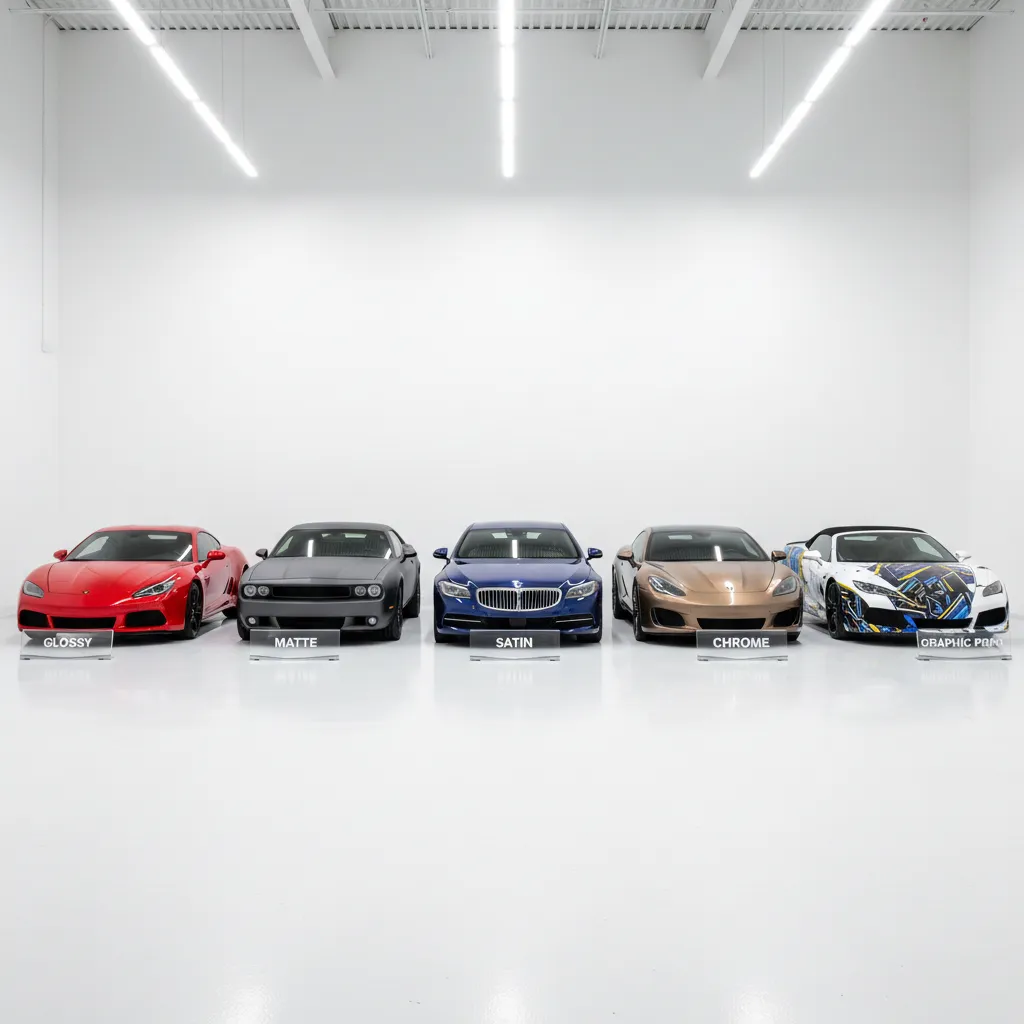

You pull out of the detail bay, and for about forty-eight hours, your car looks like a million bucks.
Then reality hits. You commute down a rain-slicked highway behind a semi-truck, park under a sap-dropping pine tree at work, and squeeze into a tight grocery store spot next to a dusty SUV. Within three days, that showroom glow is buried under a haze of road grime, brake dust, and water spots.
This is the daily driver reality check.
Most color charts and social media reels showcase wrapped cars sitting motionless under controlled indoor studio lighting, freshly wiped down with quick detailer. They don't show what happens after three months of sun, highway debris, automatic sprinkler overspray, and weekly grocery runs.
Choosing the best wrap finish for a daily driver isn't just about picking what looks coolest in a 10-second video. It’s about matching a vinyl texture and hue to your actual lifestyle, parking conditions, and detailing routine so your car looks great on day 90—not just day one.
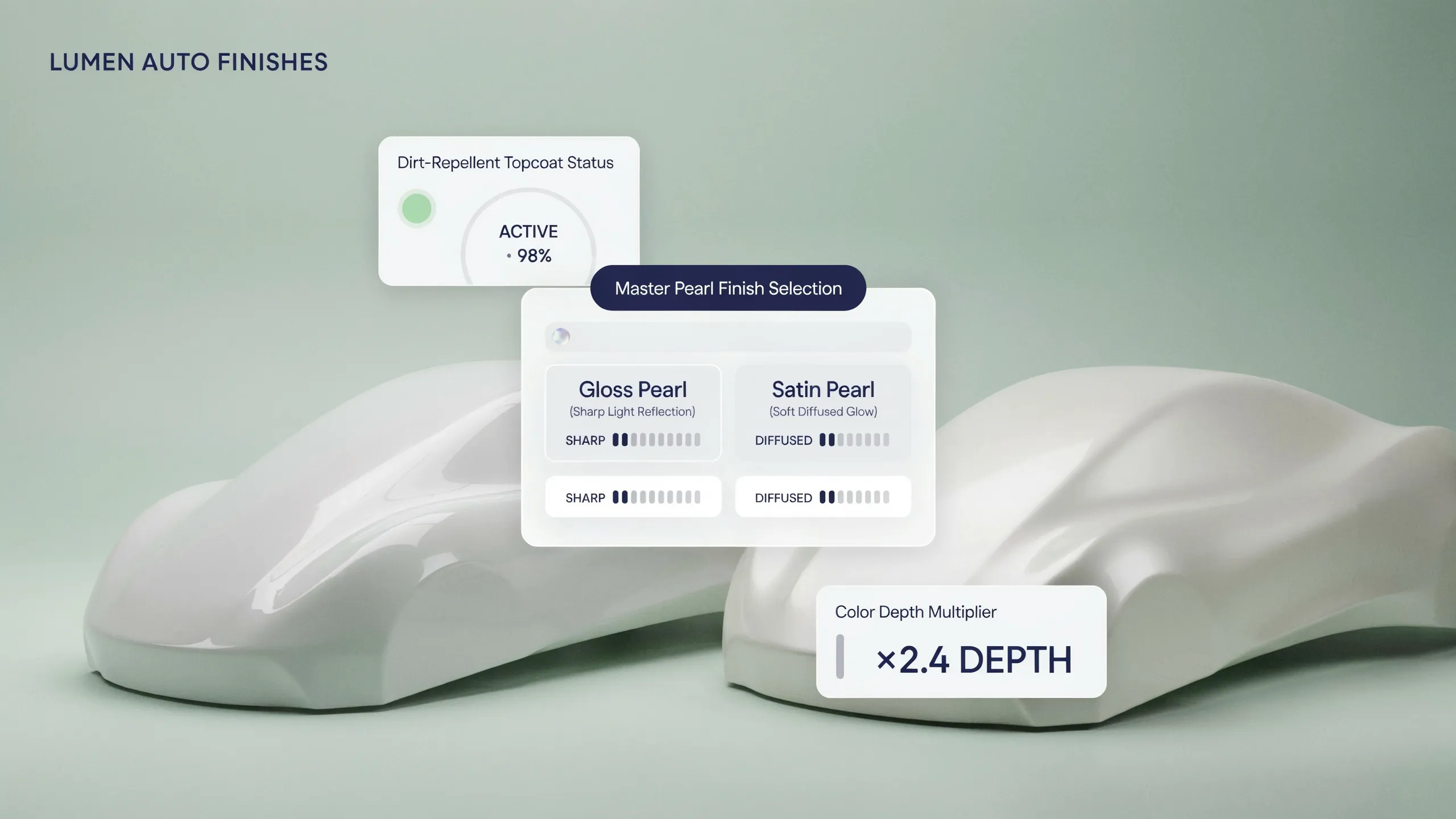
1. Gloss, Satin, or Matte: Which One Suits the Way You Actually Use Your Car?
When evaluating car wrap finishes, every surface texture creates a distinct visual trade-off between depth, glare, and maintenance friction.
┌────────────────────────────────────────────────────────────────────────┐ │ GLOSS vs. SATIN vs. MATTE COMPARISON │ ├────────────────────────────────────────────────────────────────────────┤ │ [ Gloss ] --> High reflection | High depth | Shows swirls & dust │ │ [ Satin ] --> Medium sheen | Smooth look | Hides micro-scratches │ │ [ Matte ] --> Zero glare | Stealth vibe| Requires specific soaps │ └────────────────────────────────────────────────────────────────────────┘
Gloss Wraps
A gloss vinyl wrap mirrors factory paint most accurately. It offers high optical clarity, deep reflections, and vibrant color pop.
However, because the clear topcoat is smooth and reflective, it highlights fine surface dust, water spots, and micro-swirls under direct sunlight just like clear-coated factory paint.
Satin Wraps
A satin car wrap features a semi-sheen topcoat that diffuses direct glare without flattening the vehicle's body lines.
Because it disperses point-source reflections, satin is exceptionally forgiving: it hides fine dust layers, masks minor surface micro-scratches, and keeps a uniform appearance even when you skip a wash week.
Matte Wraps
A matte vinyl wrap absorbs incoming light completely, delivering a sleek, low-glare aesthetic.
While it looks stunning on aggressive body shapes, matte film lacks a protective gloss cap. Road oil, finger grease around door handles, and harsh bug splatter etch into unsealed matte surfaces much faster if neglected.
When comparing a gloss vs satin vs matte car wrap for a commuter vehicle, satin consistently strikes the ideal balance between low-maintenance effort and high visual reward.
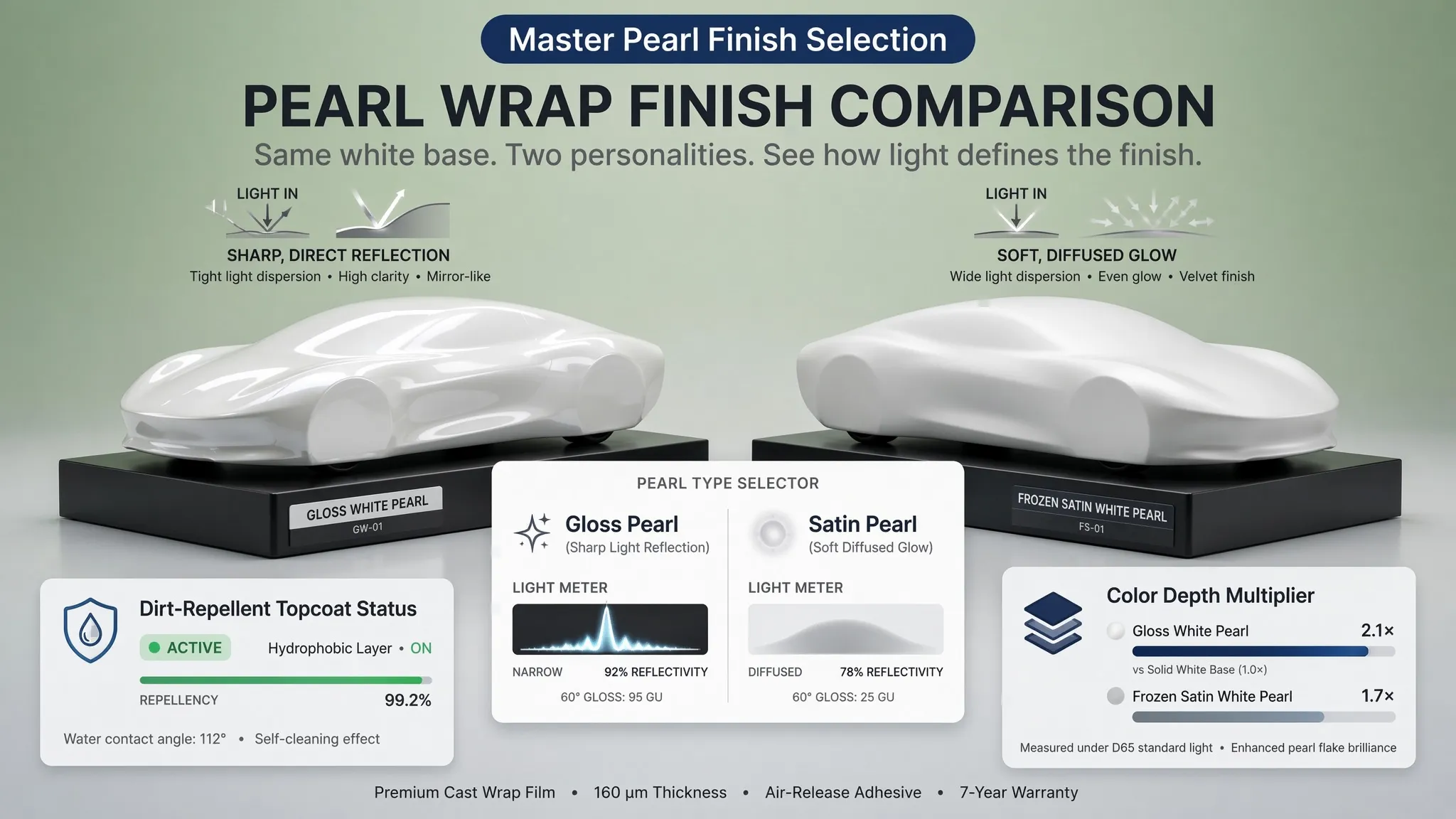
2. Will Your Car Look Dirty Again the Day After You Wash It?
If you live in an area with heavy dust, pollen, or rain, certain wrap finishes and color values force you into an endless washing routine.
DUST & DIRT VISIBILITY MATRIX [ High Visibility ] --> Gloss Black, Gloss White, Ultra-Matte Dark Tones [ Medium Visibility ]--> Bright Gloss Colors, Matte Pastel Tones [ Low Visibility ] --> Satin Gray, Satin Metallic Blue, Metallic Silver
Dark, ultra-reflective surfaces act like mirrors for surface contaminants. A high-gloss black or deep navy wrap shows a layer of yellow pollen within hours of being parked outside.
Conversely, matte wrap dirt visibility manifests differently: fine dust blends into the flat finish reasonably well, but mud splashes and oily road spray leave dark, obvious water marks.
If you want a vehicle that stays looking clean between car washes, select a satin metallic vinyl wrap in a mid-tone shade like gunmetal gray, titanium, or slate blue.
The metallic flake breaks up static surface glare, while the satin sheen prevents water spots and dust films from creating harsh contrast lines.
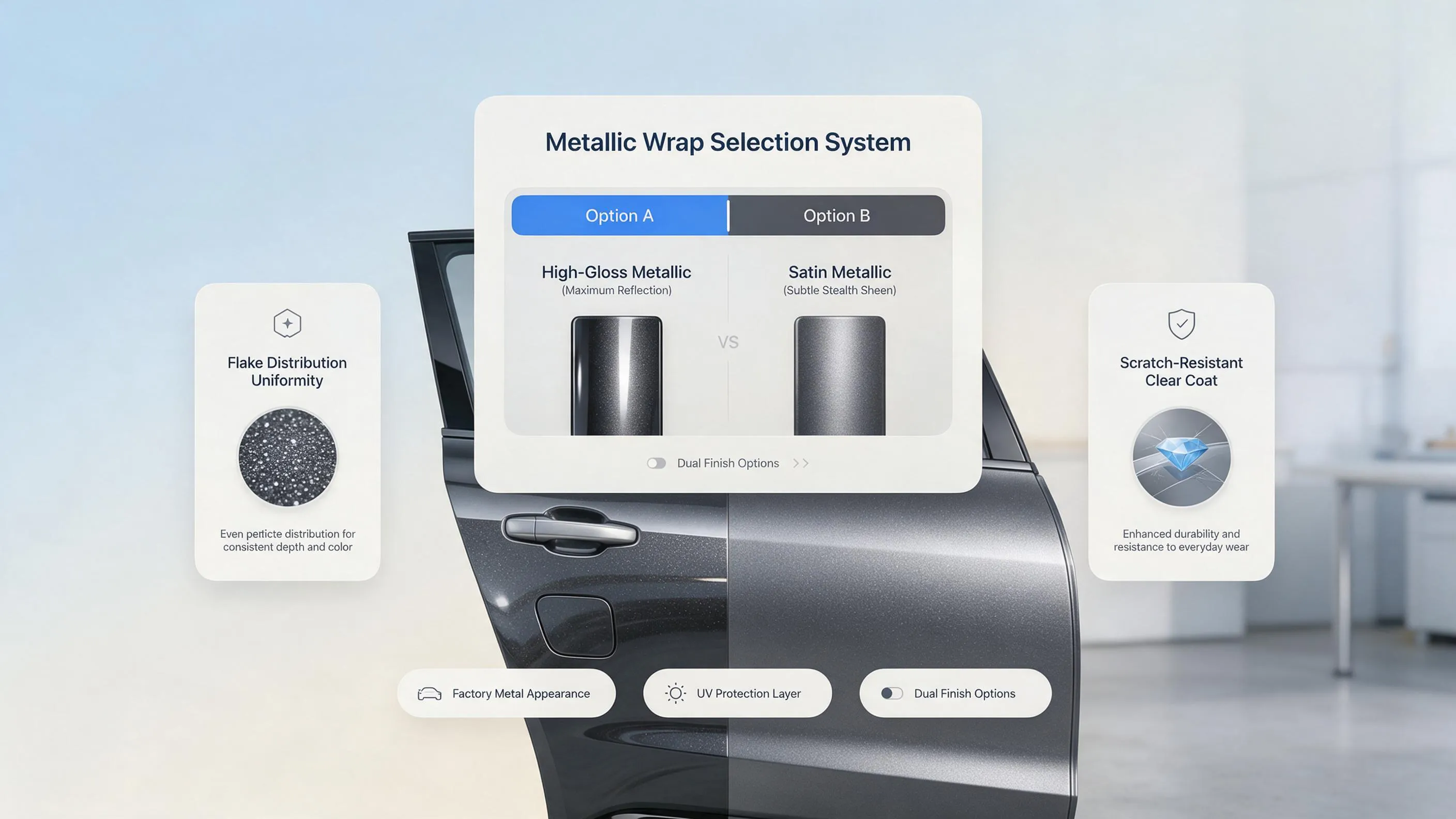
3. Park Outside Every Day? Here's What Matters More Than the Finish
If your vehicle sits in an open driveway overnight and bakes in a sunny office parking lot for eight hours a day, UV radiation and thermal cycling become your film's biggest enemies.
┌────────────────────────────────────────────────────────────────────────┐ │ OUTDOOR EXPOSURE FACTOR PROFILE │ ├────────────────────────────────────────────────────────────────────────┤ │ • UV Degradation --> Horizontal panels (hood/roof) age 2x faster │ │ • Heat Absorption --> Dark colors retain heat, breaking down glues │ │ • Film Cast Class --> Cast vinyls endure heat; calendered vinyls shrink│ └────────────────────────────────────────────────────────────────────────┘
Choosing the best car wrap for outdoor parking comes down to material chemistry:
Specify Premium Cast Film: Never let a shop install cheap calendered film on a daily driver. Premium cast vinyls from industry leaders like 3M Commercial Solutions and Avery Dennison Graphics are engineered to expand and contract under outdoor temperature swings without shrinking, lifting, or cracking.
Understand Horizontal vs. Vertical Wear: Hoods, roofs, and trunk lids take direct UV hit vertically. A quality cast wrap easily lasts 3 to 5 years on vertical doors and fenders, but horizontal panels in high-UV regions may show wear earlier if left unprotected.
Apply Hydrophobic Coatings: Applying a specialized wrap ceramic sealant shields the clear topcoat from acid rain, industrial fallout, and UV fading, keeping the film flexible and easy to clean.
4. Do You Want a Five-Minute Wash—or Another Thing to Maintain?
Maintenance friction varies significantly across different wrap sheens. Matching a finish to your routine ensures you won't regret your color choice a month down the road.
MAINTENANCE FRICTION INDEX [ Gloss Finish ] --> Easy to wash | Easy to wax/seal | Shows swirl marks [ Satin Finish ] --> Easiest overall | Forgiving topcoat | Standard care [ Matte Finish ] --> Hand wash only | Specialty soaps | No waxes allowed
Gloss Maintenance
Washing a gloss wrap is straightforward. You can use standard pH-neutral automotive shampoos, spray waxes, and quick detailers.
However, using improper drying towels or dirty wash mitts causes micro-swirls over time, dulling the reflective topcoat.
Matte Maintenance
Finding the easiest car wrap finish to maintain means looking closely at what matte care actually requires.
Matte wraps require specialized care:
You cannot use traditional waxes or gloss-enhancing detail sprays (they leave shiny, blotchy streaks across the flat finish).
You cannot buff or polish out a scratch (polishing smooths the matte texture into an unwanted glossy spot).
You must use dedicated, wax-free matte shampoos to prevent oil buildup.
If you want low-maintenance convenience, satin wraps offer the best of both worlds—they clean up quickly with standard wrap-safe soaps while hiding micro-scratches effortlessly.
5. What Will Everyday Scratches and Scuffs Look Like on Your Wrap?
Road debris, flying gravel, and stray shopping carts happen. Understanding car wrap scratch visibility helps you pick a finish that ages gracefully despite minor wear.
┌────────────────────────────────────────────────────────────────────────┐ │ SCRATCH VISIBILITY BY FINISH │ ├────────────────────────────────────────────────────────────────────────┤ │ [ Gloss ] --> Shows fine spiderweb swirls under direct sunlight │ │ [ Satin ] --> Diffuses light; hides light scuffs and towel marks │ │ [ Matte ] --> Resists swirls, but deep scratches cannot be polished │ └────────────────────────────────────────────────────────────────────────┘
Light scuffs from clothing or microfiber towels stand out immediately on high-gloss dark films under direct sunlight.
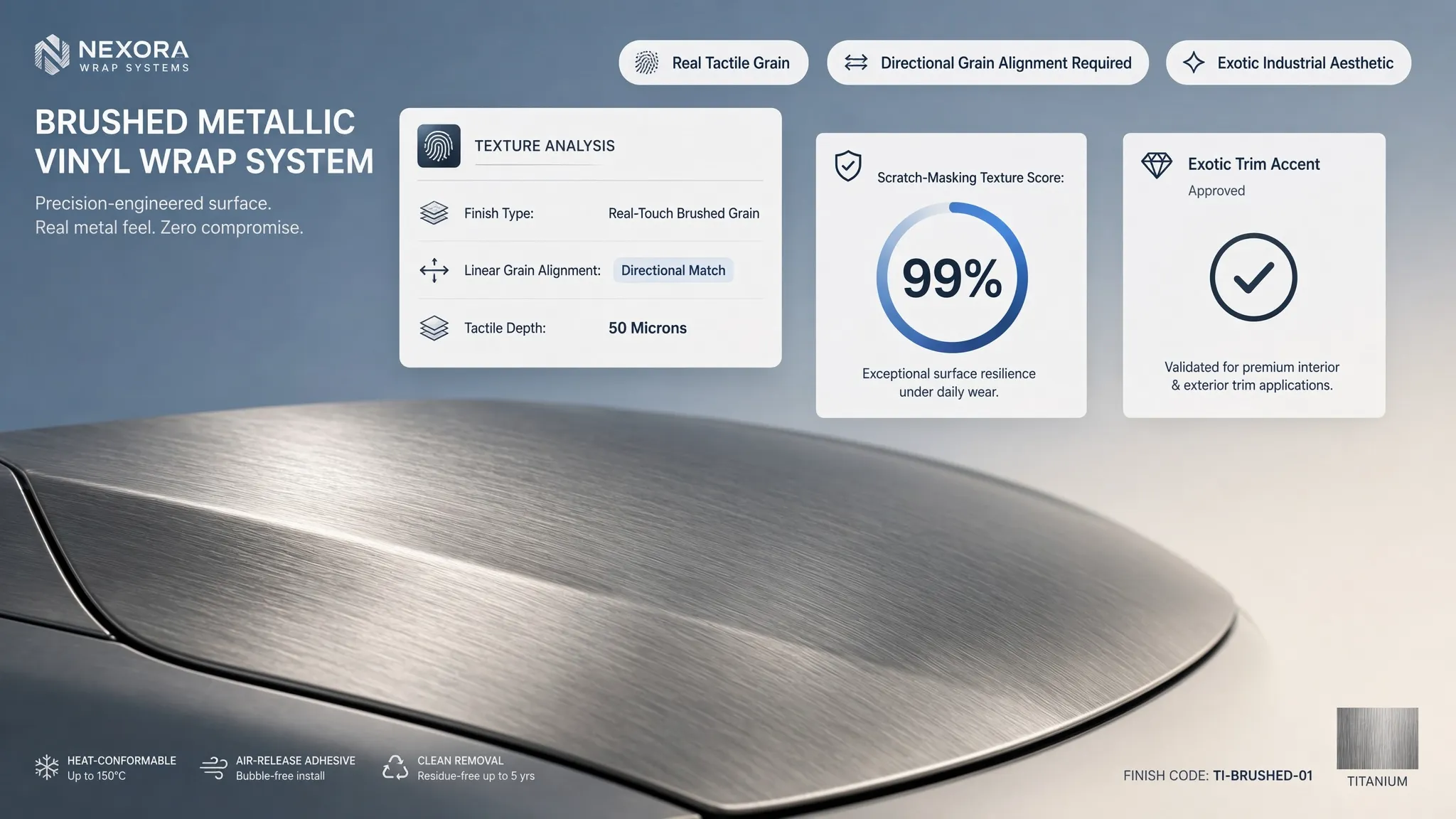
Satin and brushed textures diffuse point-source light, rendering light surface scuffs nearly invisible from a few feet away.
Furthermore, high-grade cast wraps feature thermal self-healing topcoats. Minor wash swirls on a gloss or satin wrap often smooth out naturally when exposed to warm sunlight or a splash of hot water.
6. The Same Wrap Color Can Look Completely Different in Sunlight
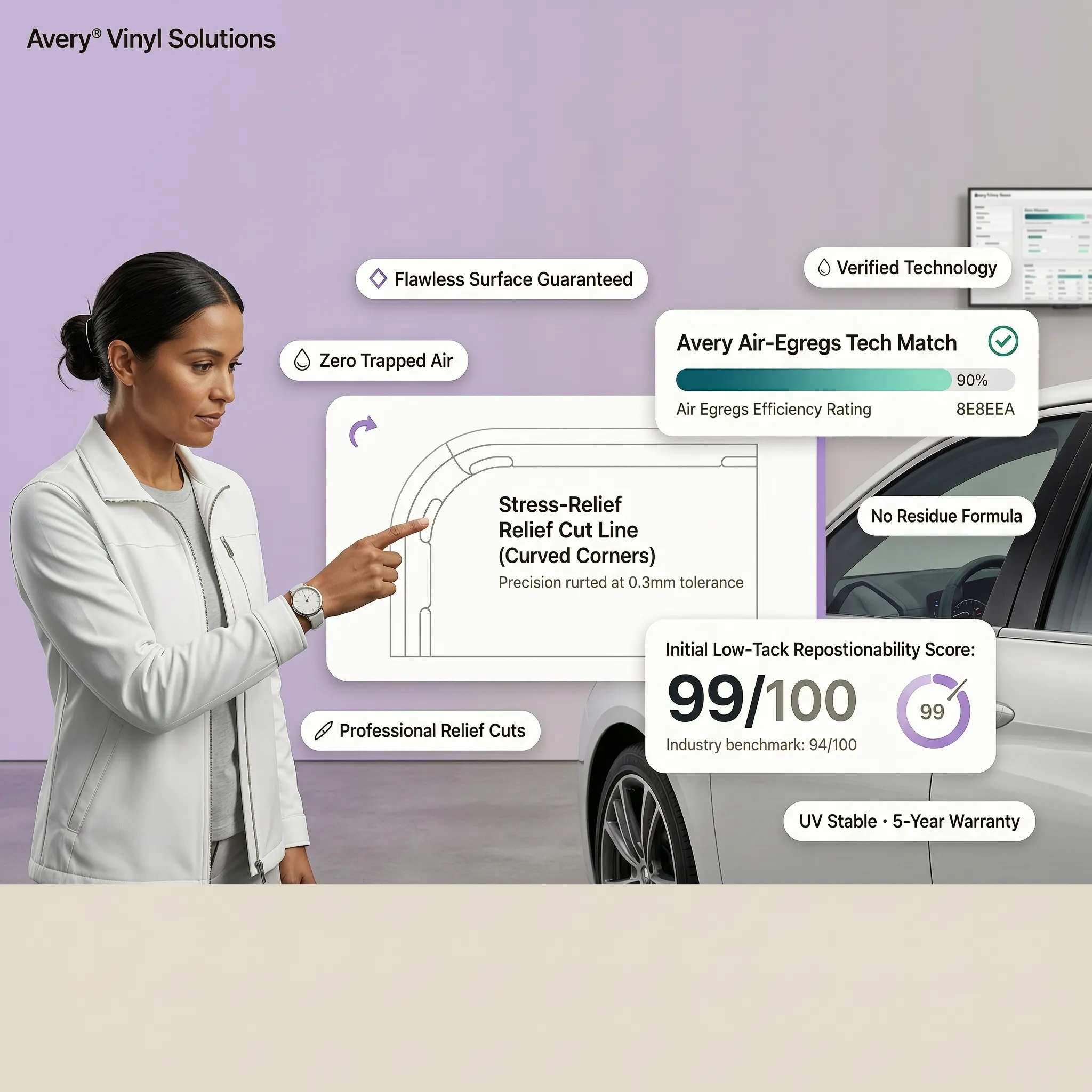
A color sample that looks stunning under bright fluorescent lights inside an installer's showroom can shift dramatically once applied across your vehicle's complex curves outdoors.
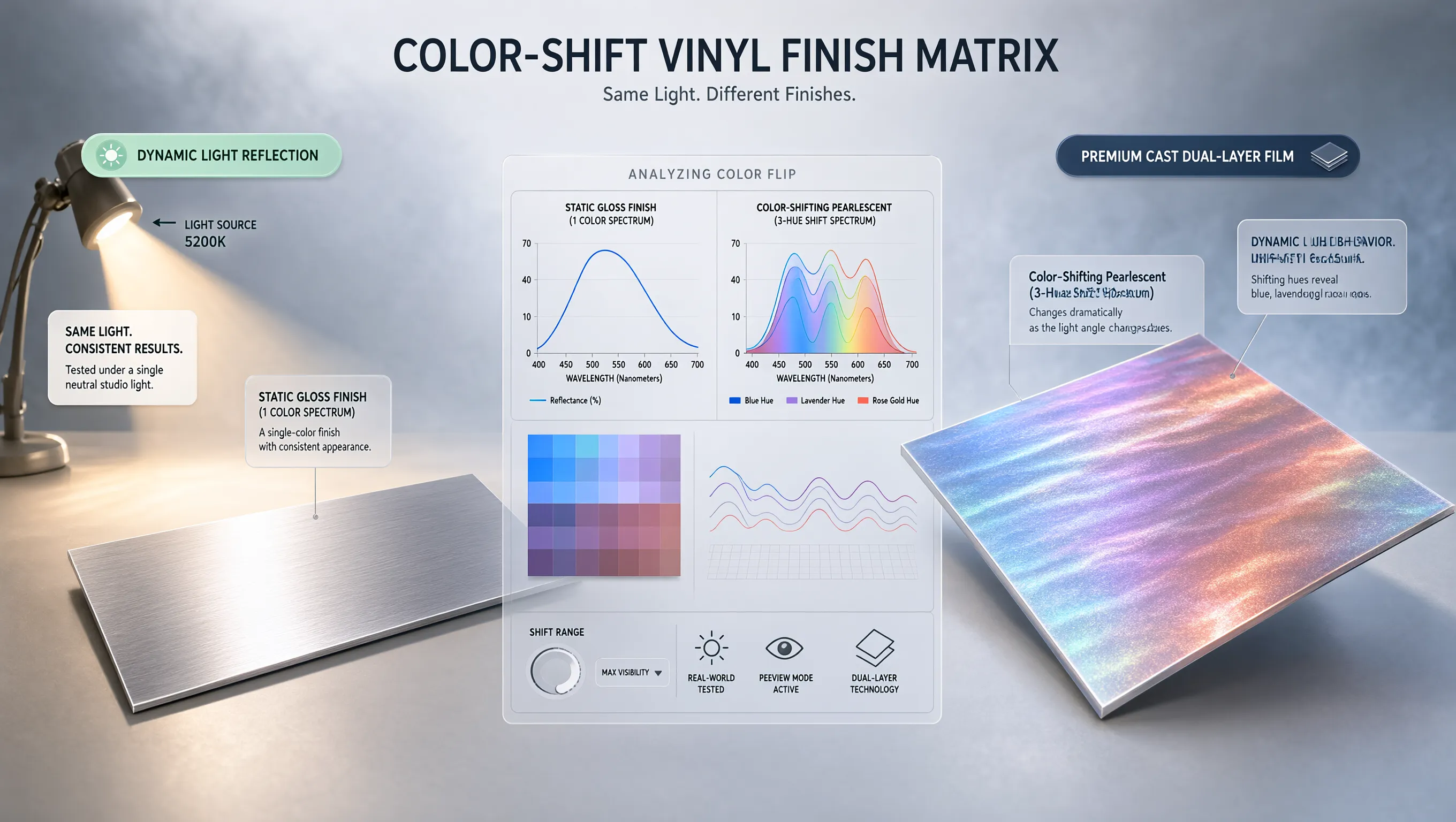
LIGHTING RESPONSE VARIATION [ Showroom LEDs ] --> Amplifies artificial shine; crisp highlight lines [ Direct Sunlight ] --> Activates metallic/pearl flakes; brightens hues [ Overcast Shade ] --> Deepens base pigments; softens reflection contrast
When evaluating car wrap colors for daily drivers, consider how ambient lighting changes throughout your daily routine:
High-gloss solid colors maintain a consistent tone, but pick up heavy reflections from surrounding traffic and buildings.
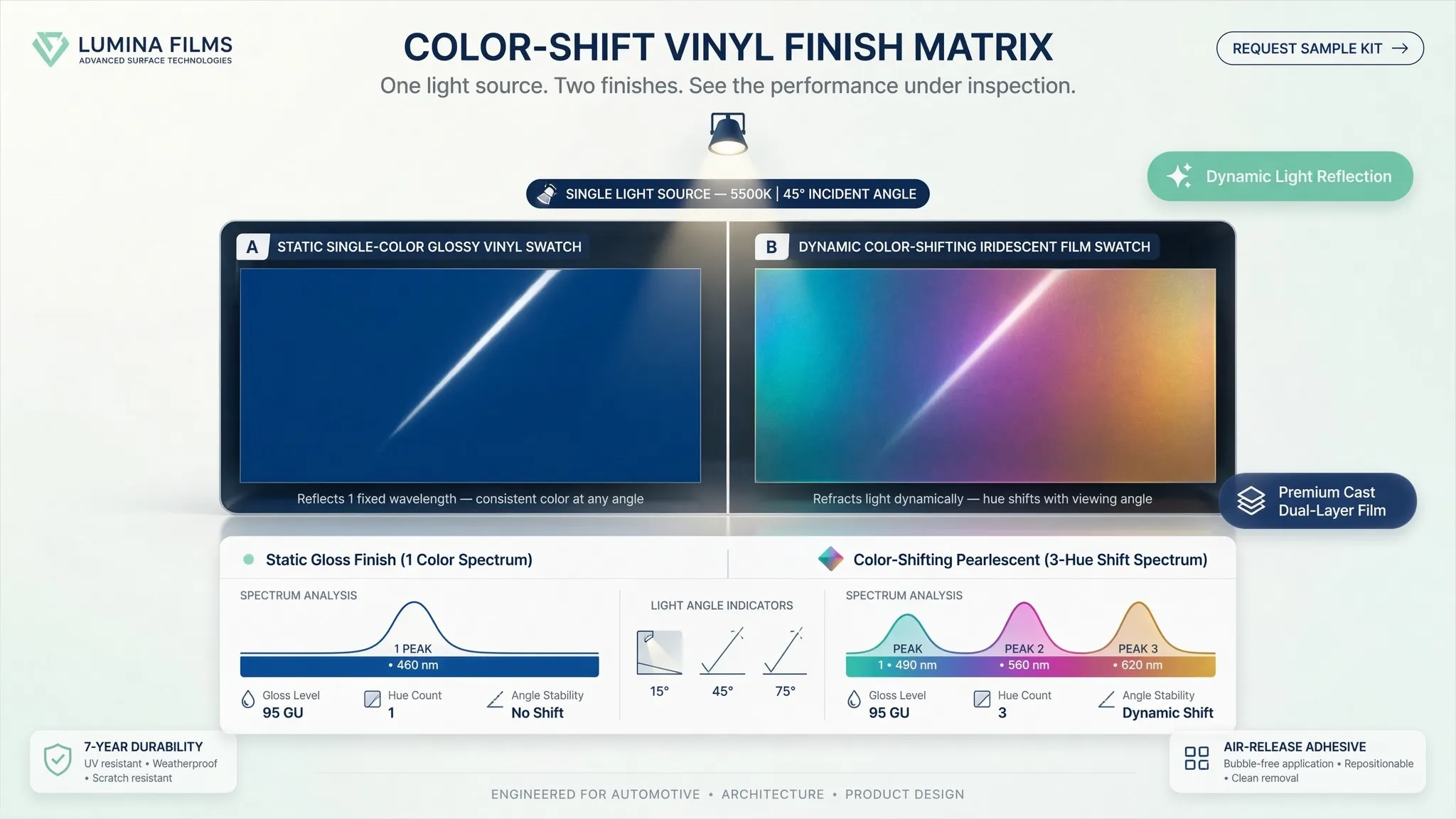
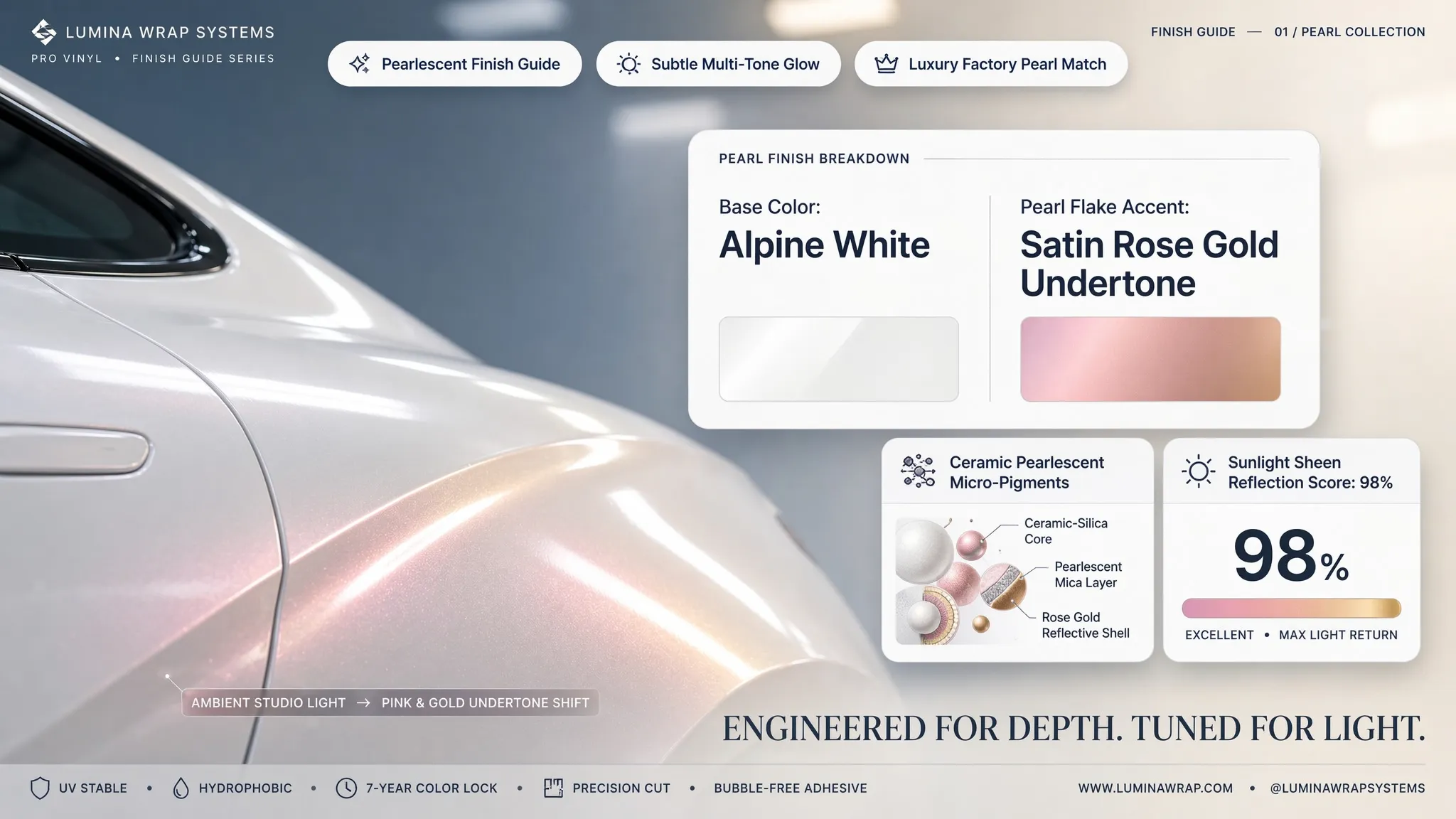
Metallic and pearlescent wraps adapt dynamically, glinting brightly under direct sun and settling into a smooth, rich tone in the shade.
Satin finishes maintain visual consistency across all lighting conditions, delivering smooth highlights without harsh sun glare.
7. Rain, Road Grime, and Traffic: What Does Your Daily Drive Put Your Wrap Through?
Daily driving exposes your vehicle's front clip to road salt, bug splatter, oil spray, and gravel impacts.
┌────────────────────────────────────────────────────────────────────────┐ │ HIGH-IMPACT ENVIRONMENTAL RISKS │ ├────────────────────────────────────────────────────────────────────────┤ │ • Bug Splatter & Sap --> Organic acids etch topcoats within 48 hours │ │ • Road Salt & Oil --> Degrades adhesive along lower side skirts │ │ • Gravel & Rock Chips --> Penetrates thin film on lower front bumpers │ └────────────────────────────────────────────────────────────────────────┘
Preserving a durable vinyl wrap on a daily commuter requires protecting high-wear zones.
Bug splatter and bird droppings contain concentrated acids that etch into PVC if left baking under summer sun. Keeping a small bottle of wrap-safe detail spray and a soft microfiber towel in your trunk allows you to spot-clean aggressive contaminants within minutes.
For vehicles driven daily on high-speed highways, pairing a color-change vinyl wrap with a layer of clear Paint Protection Film (PPF) over the front bumper provides ultimate defense against heavy rock impacts.
8. You Don't Have to Wrap the Whole Car to Change Its Personality
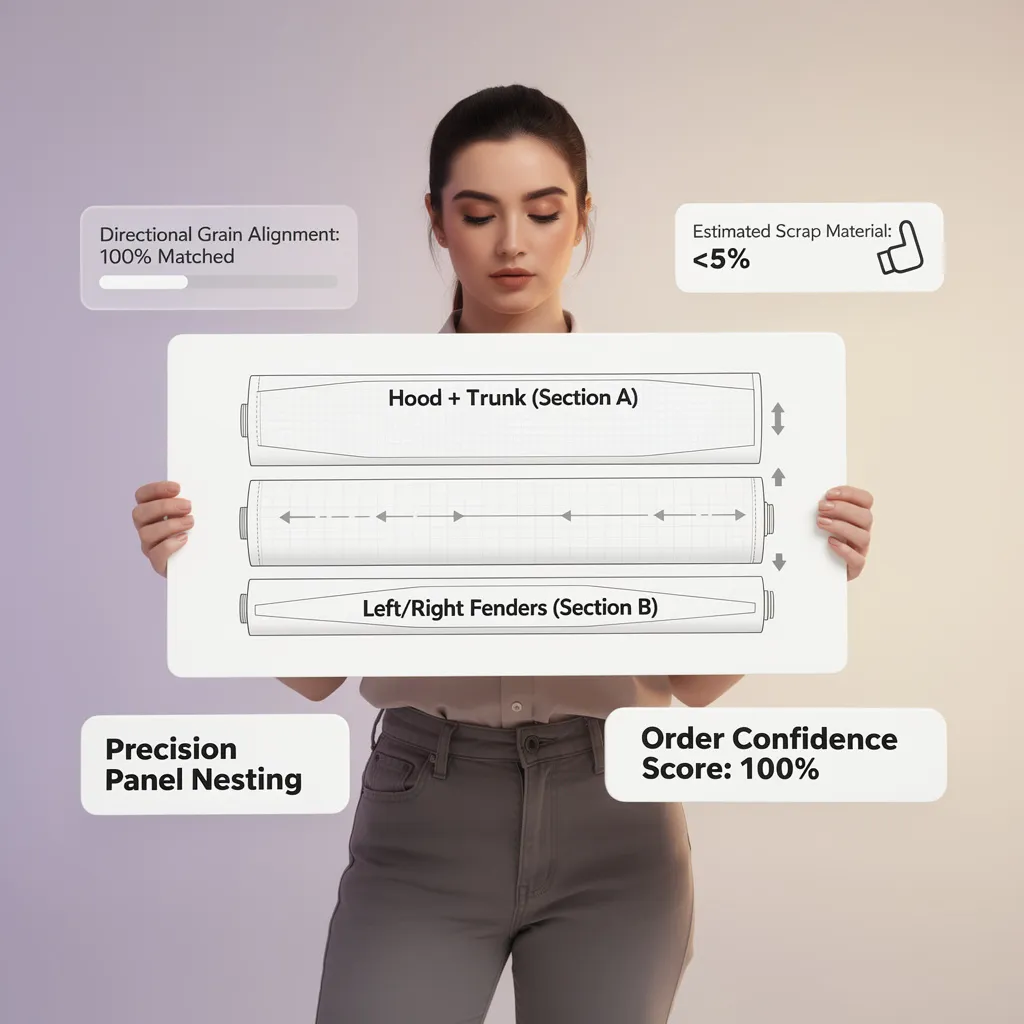
If you want a fresh aesthetic for your daily driver without committing to a full-vehicle installation cost, partial wraps offer an intelligent, cost-effective alternative.
POPULAR PARTIAL WRAP ACCENTS [ Gloss Black Roof ] ----> Creates a sleek, panoramic glass roof illusion [ Carbon Fiber Hood ] ---> Adds aggressive, lightweight motorsport styling [ Satin Mirror Caps ] ---> Delivers subtle, high-contrast factory-plus accenting
Opting for a partial car wrap—such as a gloss black roof, a satin carbon fiber hood, or accent side mirrors—allows you to customize key character lines while leaving most of your durable factory paint untouched.
It cuts material and labor costs significantly while keeping your maintenance footprint minimal.
To explore installation quotes and labor variables for partial vs. full projects, check out our guide on comparing car wrap installation costs and quotes.
9. If One Panel Gets Damaged, Will the Replacement Match?
A major anxiety for daily driver owners is handling accidental panel damage. What happens if someone doors you in a parking lot or scrapes your fender?
┌────────────────────────────────────────────────────────────────────────┐ │ PANEL REPLACEMENT MATCH FACTORS │ ├────────────────────────────────────────────────────────────────────────┤ │ 1. Roll Batch Match --> Color hue varies slightly between print lots │ │ 2. UV Film Aging --> Aged film on car may be lighter than new roll│ │ 3. Clean Seamlessness--> Wrapped doors strip & re-wrap in hours │ └────────────────────────────────────────────────────────────────────────┘
Unlike custom paint—which requires repainting and carefully blending adjacent panels to hide color variations—car wrap panel replacement is straightforward.
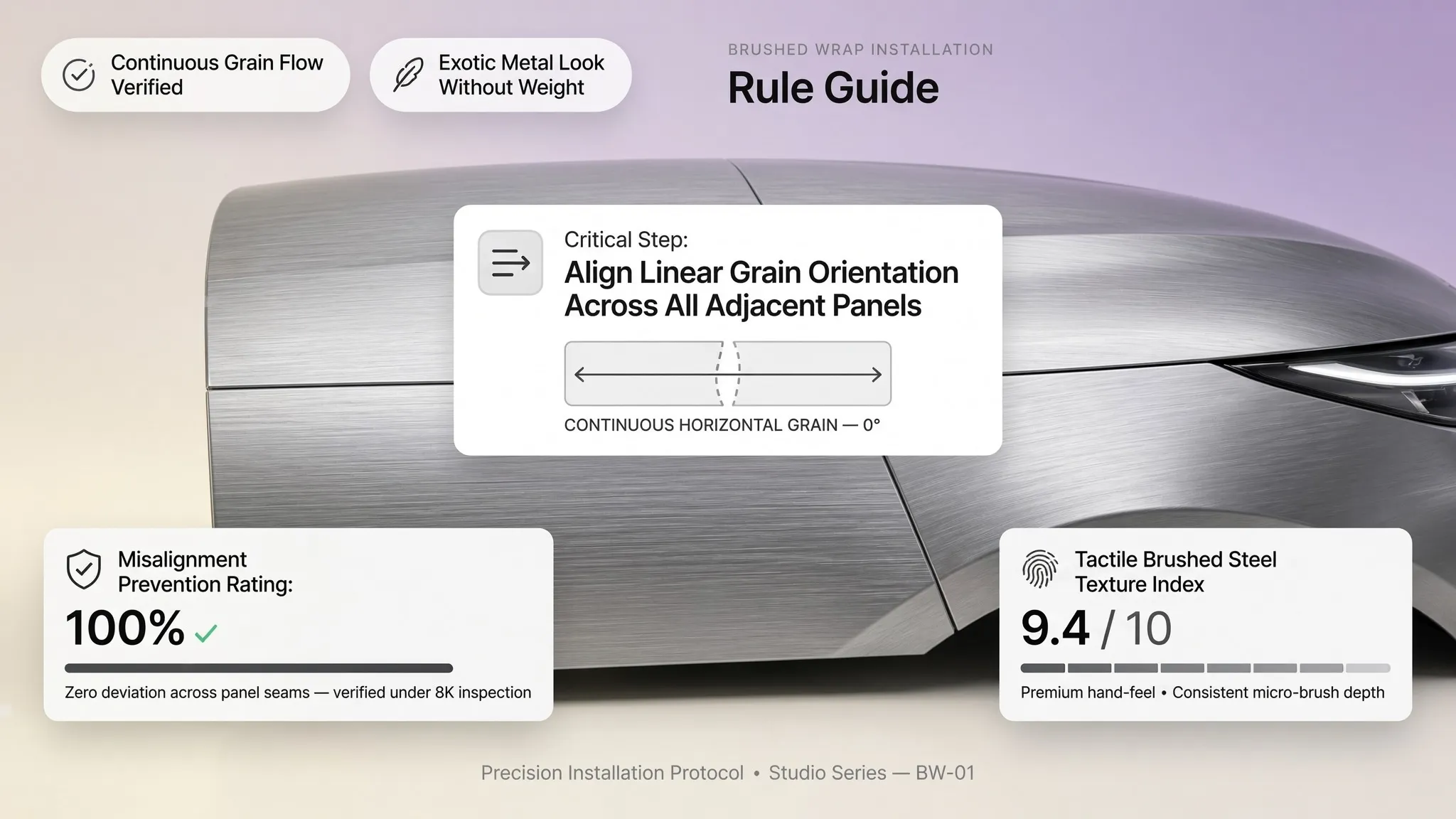
Your installer simply strips the damaged film off that single panel and applies a fresh section from the same roll batch.
Because quality cast films maintain strong color stability, a newly wrapped door or fender blends seamlessly back into the rest of the vehicle without touching adjacent panels.
To verify whether your installer offers labor warranties on edge lifting and panel repairs, review our guide on checking car wrap quality and installation standards.
10. Matte Looks Incredible in Photos. Are You Happy With Its Care Requirements?
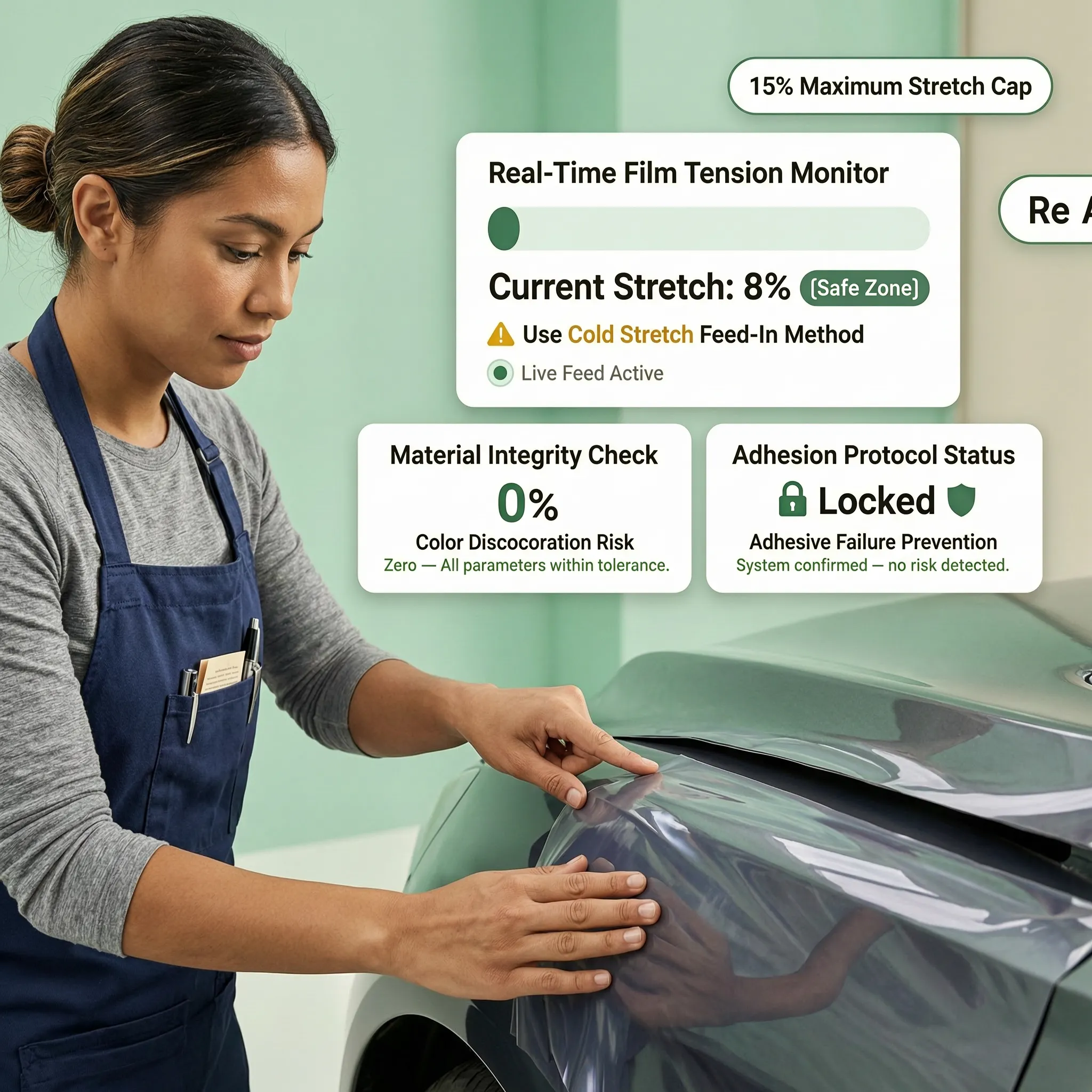
If your heart is set on a stealthy, head-turning matte finish, go into the decision with clear expectations regarding its long-term care needs.
MATTE PROS & CONS BALANCE [ Pros ] --> Unmatched aggressive look; zero sun glare; head-turning style [ Cons ] --> Cannot buff out scratches; requires specialized hand-wash soaps
Matte wraps look phenomenal on sculpted sports sedans, performance coupes, and aggressive trucks.
However, if you rely on automated drive-thru car washes or prefer a quick, low-effort wash routine, the strict maintenance requirements of matte film can become a hassle over time.
If you love the low-glare aesthetic of matte but want a far more forgiving surface that cleans easily, a satin vinyl wrap provides the perfect middle ground.
11. How to Choose a Finish You'll Enjoy Every Single Day
Before making a deposit or selecting a film roll, evaluate physical samples under real-world conditions.
┌────────────────────────────────────────────────────────────────────────┐ │ RECOMMENDED SELECTION STEPS │ ├────────────────────────────────────────────────────────────────────────┤ │ Step 1: Request physical 12x12" swatches (Gloss, Satin & Matte) │ │ Step 2: Place samples directly against your car's hood outdoors │ │ Step 3: Evaluate reflections in direct sun, open shade & under rain │ └────────────────────────────────────────────────────────────────────────┘
Visit a local installation center and ask for physical 12x12" swatches of your top finish candidates. Hold the samples directly against your car's fender in bright sunlight, step into the shade, and see how each sheen handles dust and fingerprints.
Testing real physical samples ensures complete confidence in your final selection.
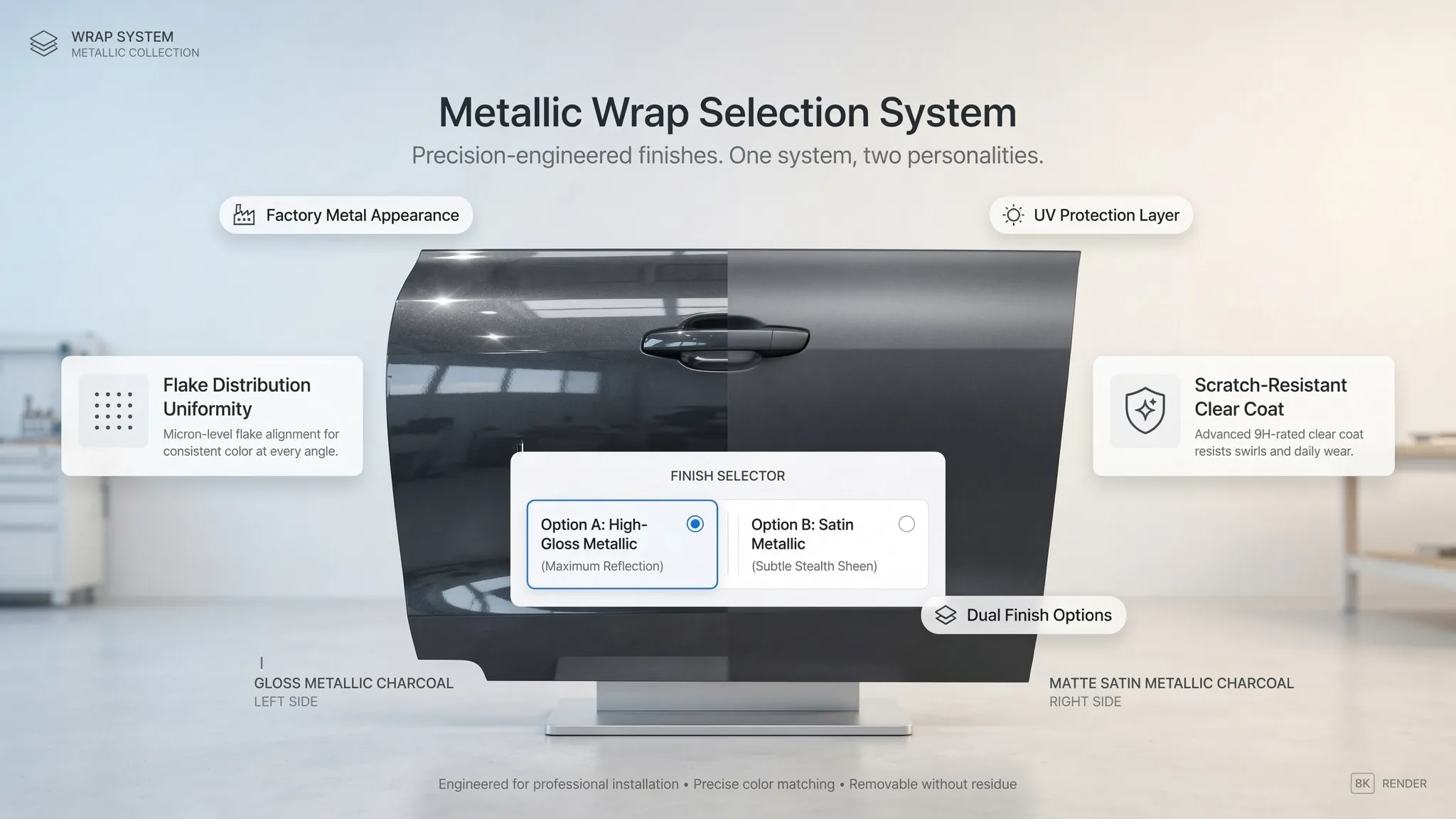
12. Preview Your Finish Concept Live Before Scheduling Shop Time
Want to see how a gloss, satin, or matte finish changes the lines of your vehicle before booking an installation bay or placing a non-refundable film deposit?
Visualizing your custom wrap online removes all uncertainty and helps you pick the exact sheen and color combination for your daily drive.
You can upload a photo of your vehicle or select a matching body model, test gloss vs. satin vs. matte finishes, experiment with dynamic colors, and preview partial accent schemes live.
Check out our interactive AI car wrap visualizer tool to test custom finishes and preview your build live before scheduling your shop appointment. FAQs About Best Wrap Finish for a Daily Driver

FAQs About Best Wrap Finish for a Daily Driver
1. "Which wrap finish is actually the most practical for a car I drive every single day?"
If you want the ultimate balance of eye-catching aesthetic and low-maintenance reality, a satin car wrap is widely considered the best wrap finish for a daily driver. Unlike high-gloss films that highlight every drop of rain and dust layer, satin diffuses ambient light evenly across your body panels. It masks road film, hides minor wash swirls, and resists finger smudges around door handles far better than gloss or flat matte finishes.
2. "Why does my gloss wrap look dirty and scratched just a few days after washing it?"
High-gloss vinyl mimics factory clear-coated paint, which means it reflects direct point-source light like a mirror. Under harsh midday sun, that high reflectivity creates intense contrast, making fine road dust, water spots, and micro-swirls stand out immediately. While a gloss wrap offers brilliant color pop when freshly wiped down, it requires frequent hand washing to maintain that crisp showroom reflection on a daily commute.
3. "Is a matte car wrap really a nightmare to maintain on a commuter vehicle?"
A matte wrap isn't impossible to care for, but it carries strict maintenance rules that catch many daily drivers off guard. Because matte vinyl lacks a protective gloss cap, it absorbs oils and environmental contaminants quickly. You cannot use traditional car waxes or quick detailers (which leave shiny, blotchy patches), and you cannot polish out a surface scratch without permanently smoothing the matte texture into an unwanted gloss spot.
4. "How do metallic and pearl wrap finishes hold up to everyday road dust and pollen?"
Satin metallic and pearlescent wraps are remarkably forgiving for everyday driving. The micro-flakes and mica particles embedded inside the vinyl break up static surface reflections. When yellow pollen or light highway dust settles on a metallic gray or satin blue wrap, the reflective flake pattern camouflages the dirt layer, keeping your vehicle looking clean even when you skip a weekend wash.
5. "What wrap colors and finishes hide road grime best if my car is parked outside 24/7?"
Mid-tone metallic shades in a satin finish—such as satin dark gray, titanium, or slate blue—are the absolute best at disguising outdoor weathering. Ultra-dark solid colors (like gloss black or deep navy) act as optical mirrors for dirt, while stark solid whites highlight tar spots and road oil. Mid-tone satin metallic colors soften environmental fallout and maintain a clean visual baseline under direct sunlight.
6. "Will a daily driver car wrap hold up if my vehicle sits in open sun at work all day?"
Yes, provided your shop uses a premium cast vinyl (like 3M 2080 or Avery Dennison SW900) rather than a cheap calendered film. High-grade cast films expand and contract under severe outdoor temperature swings without cracking, peeling, or shrinking. Applying a wrap-safe ceramic detailer every few weeks adds a vital hydrophobic and UV-blocking barrier that prevents the topcoat from baking and fading under continuous solar heat.
7. "How do I deal with everyday rock chips and bug splatter on my daily wrapped bumper?"
Bug acids and bird droppings contain concentrated organic compounds that can etch into PVC vinyl if left baking in the sun. Keep a small bottle of pH-neutral, wrap-safe quick detailer and a soft microfiber towel in your trunk to spot-clean droppings within 24 hours. For heavy highway driving, many daily driver owners pair a color-change vinyl wrap with a layer of clear Paint Protection Film (PPF) over the front bumper to absorb high-velocity gravel impacts.
8. "Can I take my daily wrapped car through an automated drive-thru car wash?"
Never take a wrapped vehicle through an automated car wash with spinning mechanical brushes. Heavy nylon bristles drag dirt across the clear topcoat, creating severe swirl marks on gloss wraps and ruining the uniform texture of satin and matte finishes. To preserve your wrap's lifespan, stick to gentle hand washing with a pH-neutral car shampoo, or use a touchless pressure-washer bay from a safe distance.
9. "What happens if a door gets scraped or dinked in a grocery store parking lot?"
Unlike custom paint—which requires repainting and carefully blending multiple adjacent panels to match—repairing a wrapped daily driver is fast and contained. Your installer simply strips the damaged vinyl off that single door panel and lays a fresh sheet of matching film from the same roll lot. The new section blends seamlessly into the surrounding panels without touching the rest of the car.
10. "If I want a bold look without high maintenance, are partial wraps good for daily drivers?"
Partial wraps are an intelligent, low-maintenance way to customize a daily commuter. Wrapping high-impact character panels—such as applying a gloss black roof wrap to create a panoramic glass effect, or a satin carbon fiber hood—delivers aggressive custom styling while leaving your durable OEM factory paint untouched on high-wear door faces. It dramatically reduces project cost and detailing effort.
11. "How long can I realistically expect a wrap finish to last on a daily driven vehicle?"
When installed by a certified technician using top-tier cast vinyl, expect a real-world service life of 3 to 5 years on a daily driver. Vertical panels (doors and fenders) easily last up to 5 years, while horizontal panels (hoods and roofs) experience twice as much direct solar radiation and may show wear closer to year 3 if left ungaraged and unsealed.
12. "How can I verify which finish fits my daily driving routine before buying film?"
Never choose a wrap finish based solely on compressed smartphone photos or indoor showroom lighting. Visit a local professional wrap bay and ask for physical 12x12" film samples of gloss, satin, and matte swatches. Take the samples outdoors, hold them directly against your car's hood in direct sunlight, and test them with water spots and fingerprints to see which finish truly matches your lifestyle before committing to a full roll order.