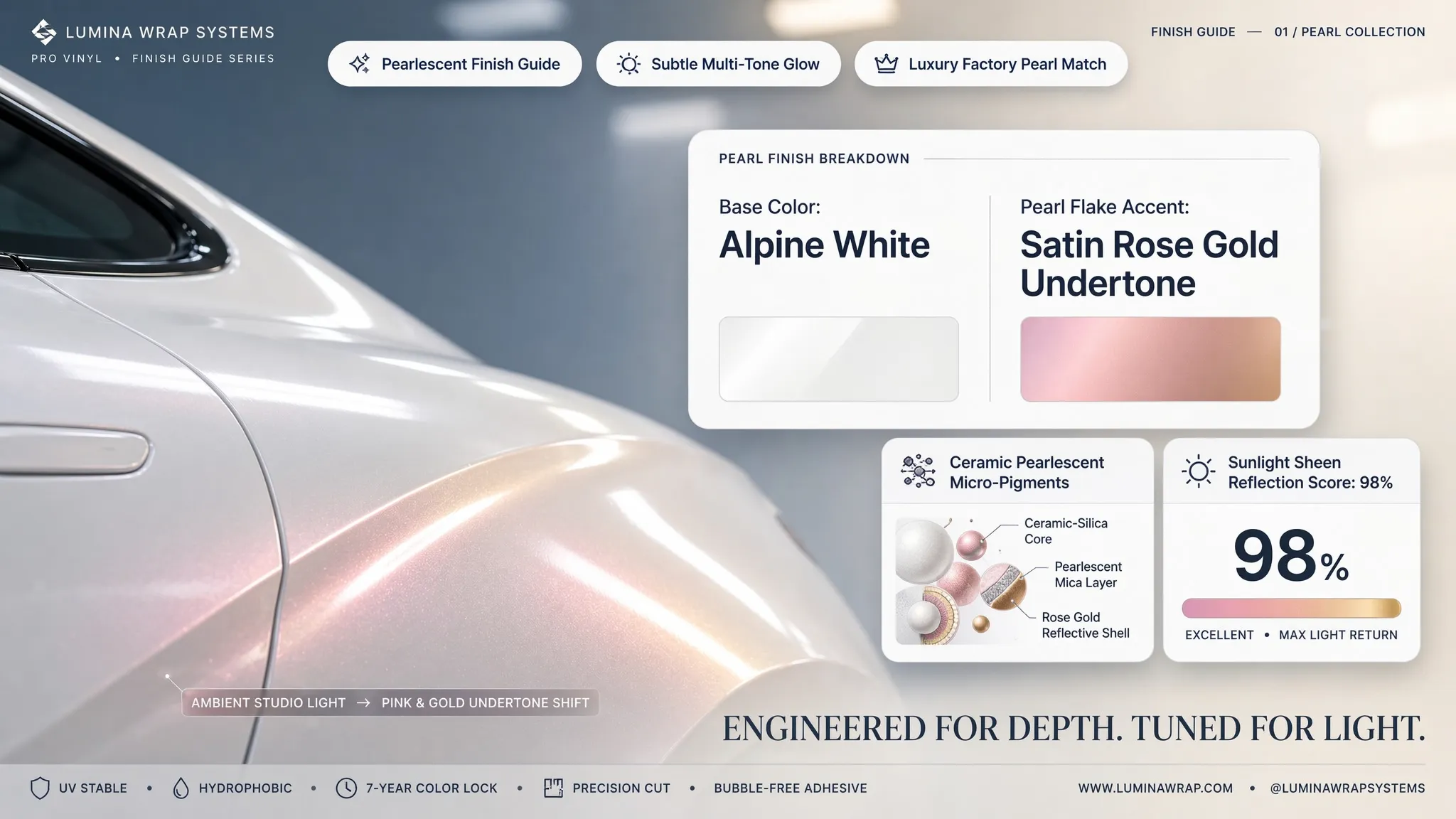

Imagine walking toward your parked vehicle in a sunlit garage.
From thirty feet away, the hood glistens in a deep, electric royal blue. As you walk up to the driver's door, the shade fluidly morphs into a rich, velvety purple along the front fender. By the time you reach the rear quarter panel, the hip line reflects a fiery flash of copper along its top ridge.
There are no buttons to push, no electronics embedded in the sheet metal, and no costly multi-stage liquid paint sprays involved.
That mesmerizing optical transformation is the hallmark of a color-shifting car wrap.
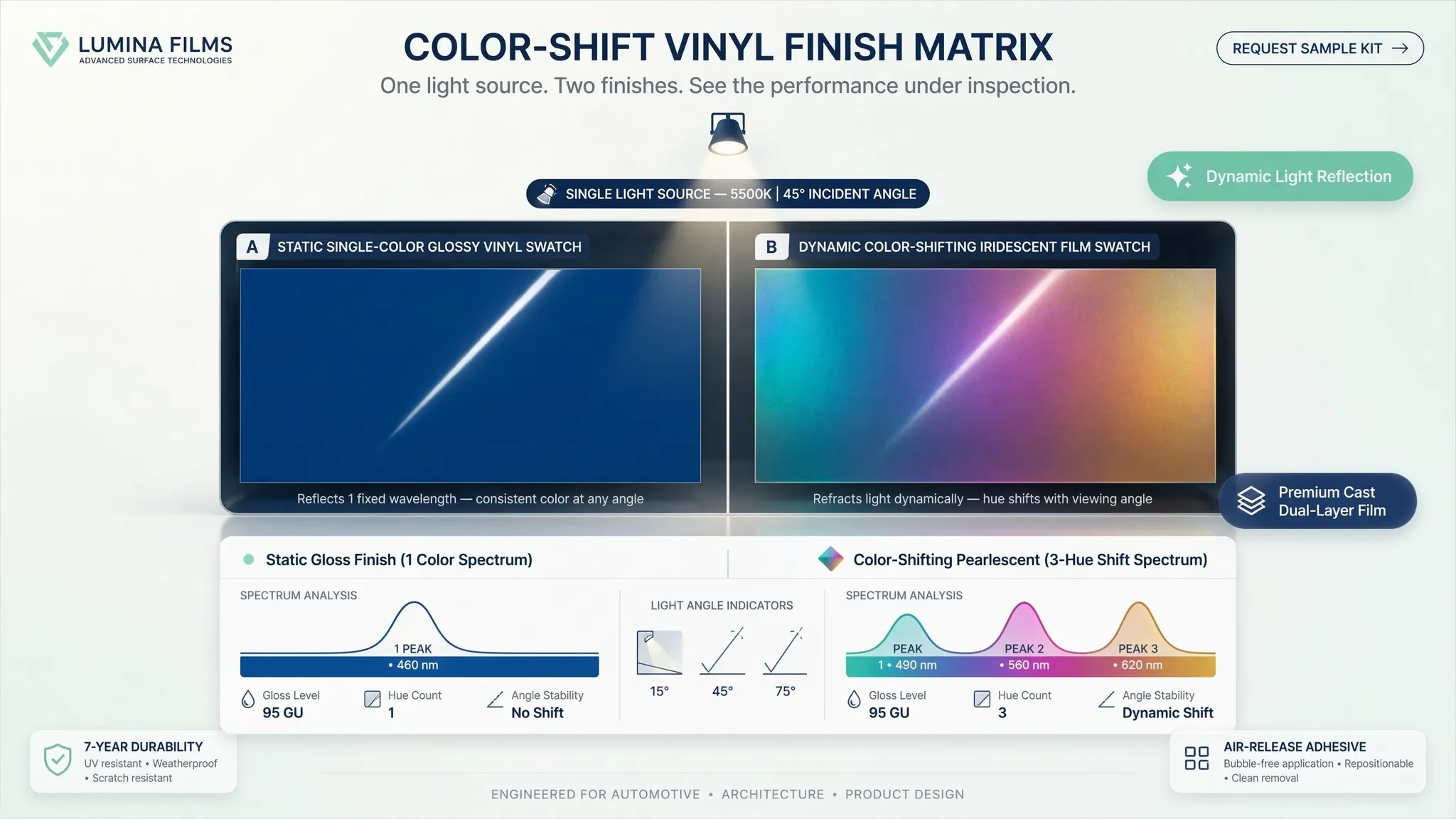
Made possible by advanced optical interference technology embedded inside multi-layer cast vinyl, these specialized films reflect different light wavelengths depending on the angle from which they are viewed.
If you want a head-turning aesthetic that makes your vehicle stand out from every angle while protecting your factory clear coat underneath, here is a complete guide to how color-shift vinyl works, how lighting affects its appearance, and how to execute a flawless build.
1. Why Does Color-Shifting Vinyl Change Color When You Move Around the Car?
To understand how a color-shifting vinyl wrap creates its signature optical trick, you have to look beyond standard color pigments.
Traditional automotive finishes rely on static chemical dyes that absorb specific light wavelengths and reflect one fixed color straight back at your eyes.
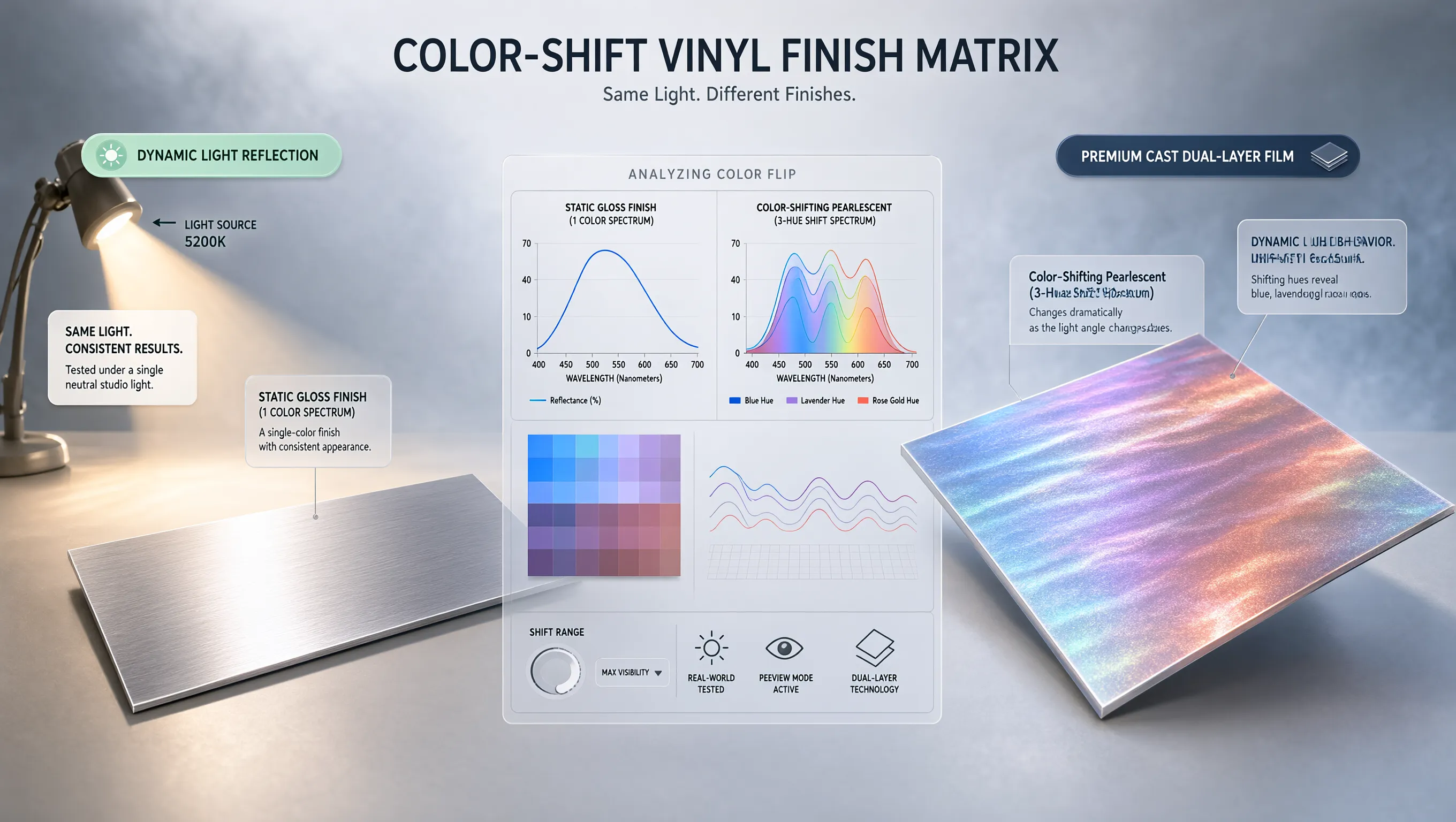
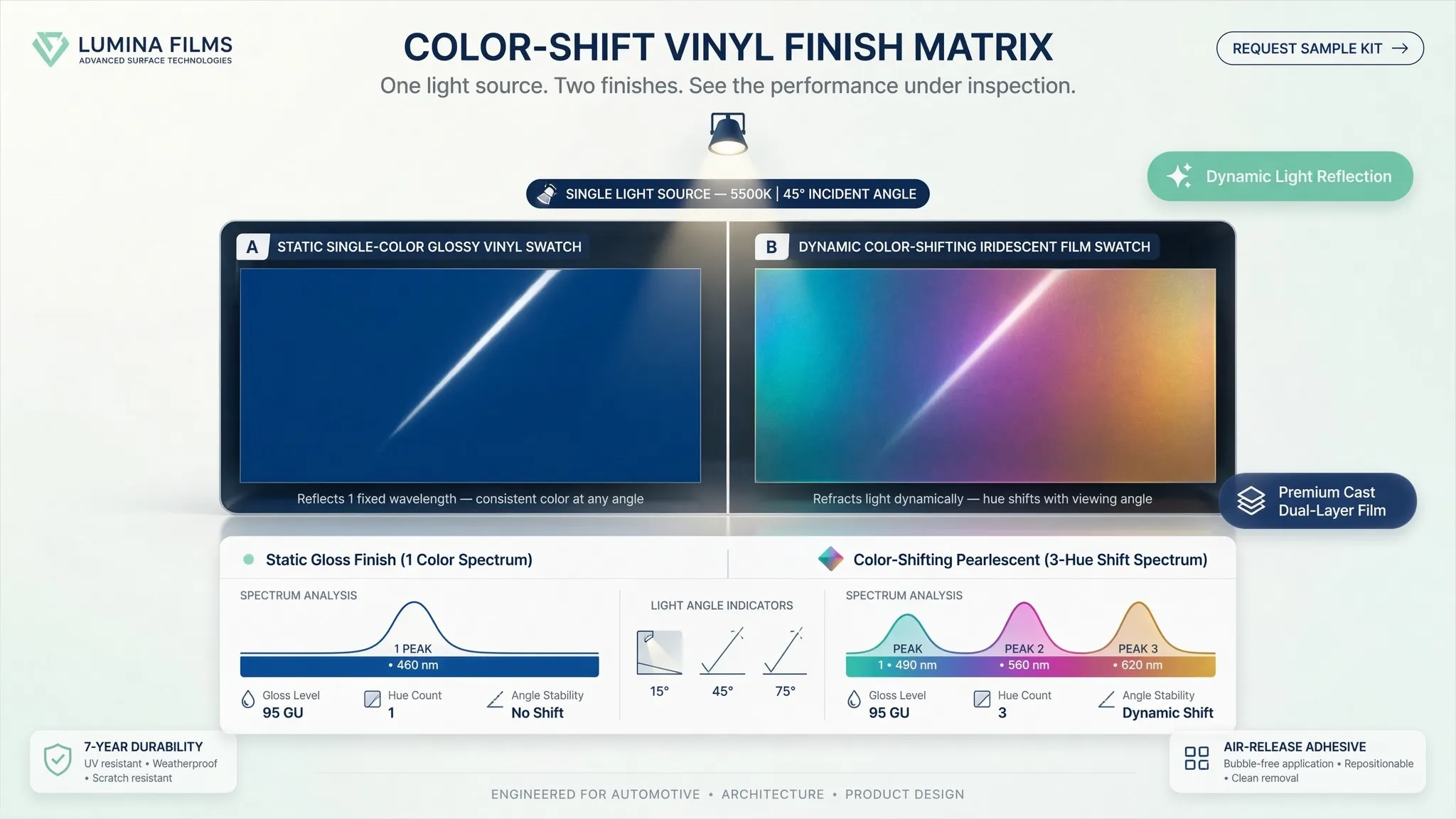
┌────────────────────────────────────────────────────────────────────────┐ │ STATIC VINYL vs. COLOR-SHIFT FILM │ ├────────────────────────────────────────────────────────────────────────┤ │ [ Static Vinyl ] --> Fixed pigment layer --> Single color reflection│ │ [ Color-Shift Film ] --> Multi-layer optical interference particles │ │ light refracts into shifting color spectra │ └────────────────────────────────────────────────────────────────────────┘
A color-changing car wrap utilizes multi-layer cast film technology. Suspended between protective clear coats are microscopic optical interference flakes composed of metal-oxide-coated silicate platelets.
When ambient light strikes these layered platelets:
Light waves bounce off different internal layer depths simultaneously.
As your viewing angle changes relative to the light source, the distance light travels through the microscopic layers shifts.
This light wave interference splits white light into distinct spectral colors, causing the surface color to transition as you move around the vehicle.
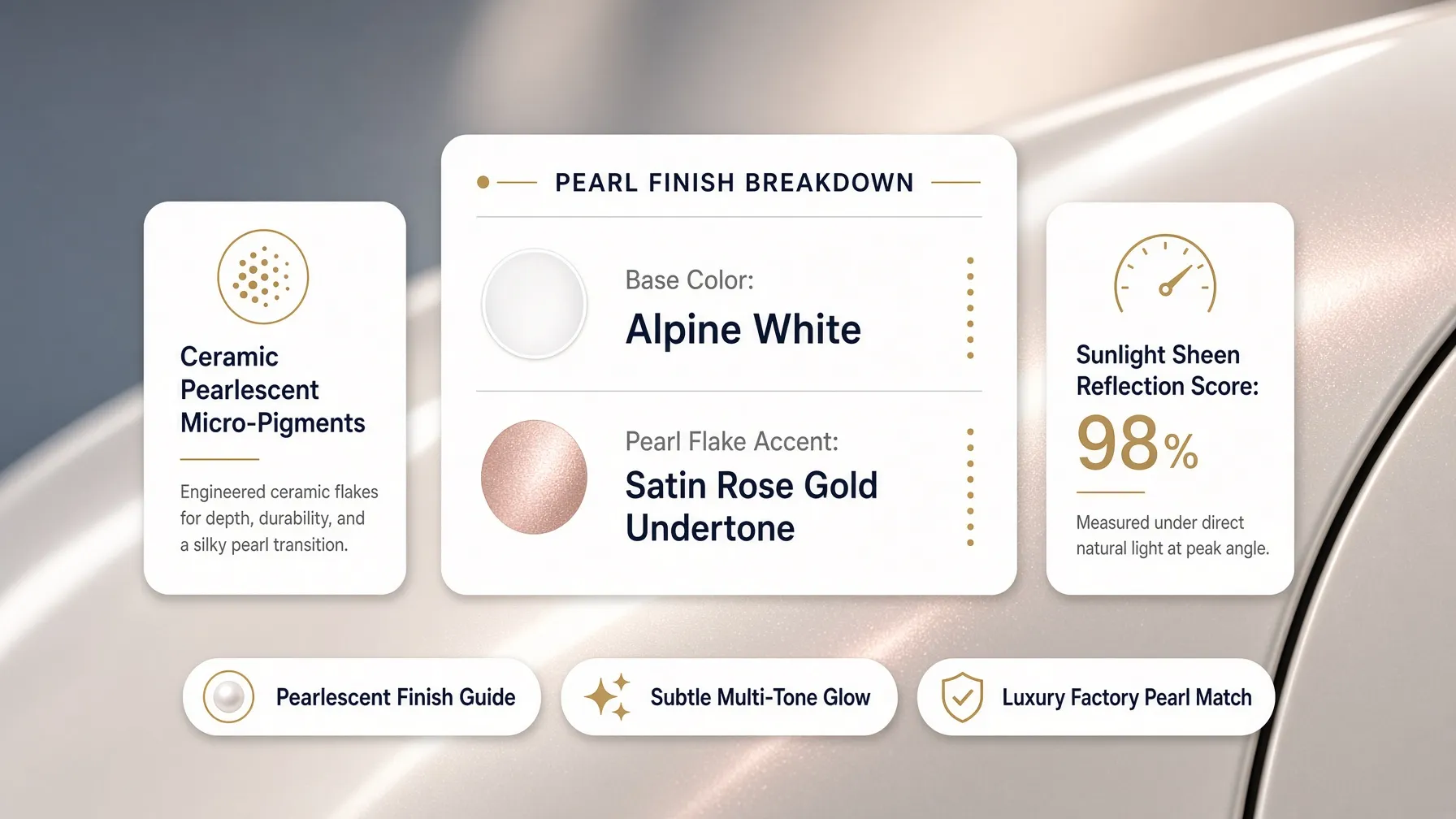
2. Color Shift vs. Chameleon vs. Iridescent Wrap: What's the Difference?
When searching for dynamic, shade-changing vinyls, you'll encounter several terms used interchangeably across shop catalogs and online galleries.
Understanding these visual characteristics helps you pick the exact look you want without guesswork.
FINISH COMPARISON MATRIX [ Color Shift / Flip ] -> Smooth, dramatic transition between 2 to 3 distinct hues [ Chameleon Film ] ----> Aggressive multi-hue shifts across opposite spectrums [ Iridescent Wrap ] ---> Soft, pearlescent pastel sheen; delicate rainbow glint
Color Shift / Color Flip
A color flip car wrap offers a controlled transition between two or three primary shades—such as deep sapphire blue shifting into rich violet red. The color transition is smooth, elegant, and follows your vehicle's physical body contours.
Chameleon Finish
A chameleon car wrap delivers a dramatic multi-tone spectacle. A single panel can display green, purple, gold, and magenta simultaneously across steep curve transitions, creating a bold statement under direct sunlight.
Iridescent Finish
An iridescent car wrap provides a softer, pearlescent aesthetic. Rather than jumping between bold primary shades, it casts a subtle, liquid rainbow sheen across a lighter base shade, reflecting delicate pastel highlights as light glides over the panel.
3. What Color Combinations Can a Color-Shifting Wrap Create?
Modern chemical coating technology allows manufacturers to produce diverse color-transition palettes.
Leading film developers like 3M Commercial Solutions and Avery Dennison Graphics engineer cast color-shift films across numerous striking spectrums.
┌────────────────────────────────────────────────────────────────────────┐ │ POPULAR COLOR-SHIFT PALETTES │ ├────────────────────────────────────────────────────────────────────────┤ │ • Deep Purple to Royal Blue --> Elegant, royal tones with subtle shifts│ │ • Emerald Green to Copper --> Earthy, organic depth with warm glow │ │ • Cyan to Purple / Magenta --> Vibrant, high-contrast arcade look │ │ • Satin Metallic Shade Shift--> Low-glare, industrial metallic transitions│ └────────────────────────────────────────────────────────────────────────┘
When reviewing chameleon vinyl colors or picking a purple blue color shift vinyl wrap:
High-Contrast Shifts (Green-to-Purple or Gold-to-Red): Draw instant attention under bright sunlight, highlighting aggressive vents, sharp scoops, and wide body flares.
Low-Contrast Shifts (Blue-to-Violet or Charcoal-to-Bronze): Deliver an understated, luxurious look that appears as a deep solid color in the shade, revealing its dynamic hue transition only under direct light.
4. How Does a Color-Shifting Wrap Look in Sunlight, Shade, and at Night?
A fascinating aspect of owning a color-shifting car wrap is watching its personality change under different environmental lighting conditions throughout the day.
LIGHTING RESPONSE BEHAVIOR [ Direct Sunlight ] --> Maximum optical activation; vivid multi-tone spectrums [ Overcast / Shade ] --> Soft, deep primary base tone with subtle edge hues [ Night / Streetlights] --> Dynamic point-source highlights along body creases
Direct Bright Sunlight
Direct sunlight fully activates the optical interference layers. Primary and secondary colors pop with intense saturation, creating high contrast between highlighted panel edges and shaded body recesses.
Overcast Shade
In diffused lighting, the intense multi-hue shift steps back. The film settles into a rich, deep base shade with a soft metallic or satin sheen, giving your car a clean, sophisticated look.
Nighttime Under Streetlights
At night, overhead street lamps and headlights bounce off the film at sharp angles. As you drive through lit intersections, point-source light sweeps across the body, creating localized flashes of shifting color along your car's hip lines.
5. Which Cars Look Best With a Color-Shifting Wrap?
Vehicle geometry plays a major role in how effectively shade-changing vinyl performs. Because color-shift films rely on varying light angles to display multiple hues, vehicles with sculpted body lines show off the material best.
┌────────────────────────────────────────────────────────────────────────┐ │ VEHICLE GEOMETRY SUITABILITY │ ├────────────────────────────────────────────────────────────────────────┤ │ [ Sports Cars & Coupes ] --> Aggressive hips & vents trigger multi-tone shifts│ │ [ Sculpted Sedans ] --> Flowing character lines create smooth gradients │ │ [ Flat Boxy Trucks ] --> Flat doors show fewer simultaneous angle shifts │ └────────────────────────────────────────────────────────────────────────┘
Sports Cars & Muscle Cars: Defined body creases, vented hoods, and flared wheel arches catch light from multiple angles simultaneously, displaying two or three distinct shades across a single fender.
Sculpted Sedans & Luxury Coupes: Long, sweeping shoulder lines provide an expansive canvas for smooth, unbroken color gradients from front bumper to rear tail light.
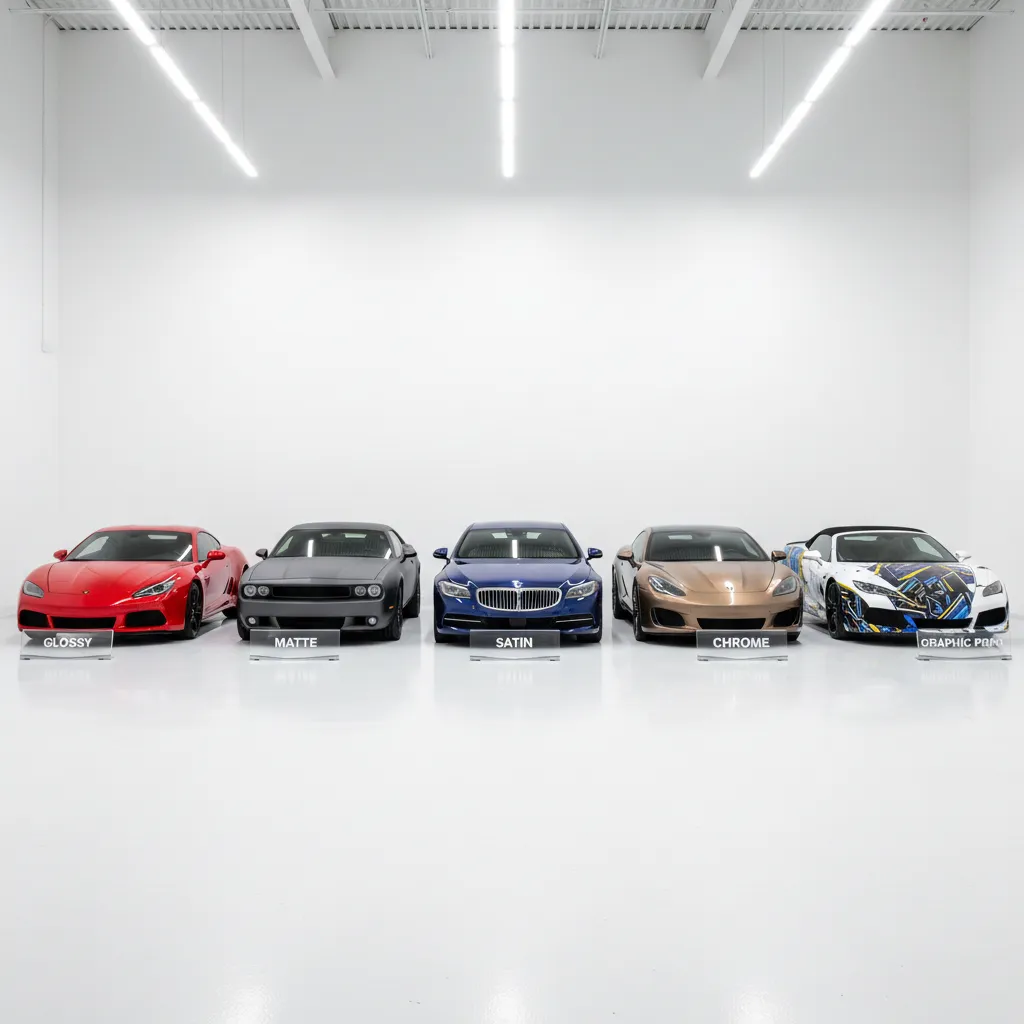
6. Gloss, Satin, or Matte: Which Color-Shift Finish Should You Choose?
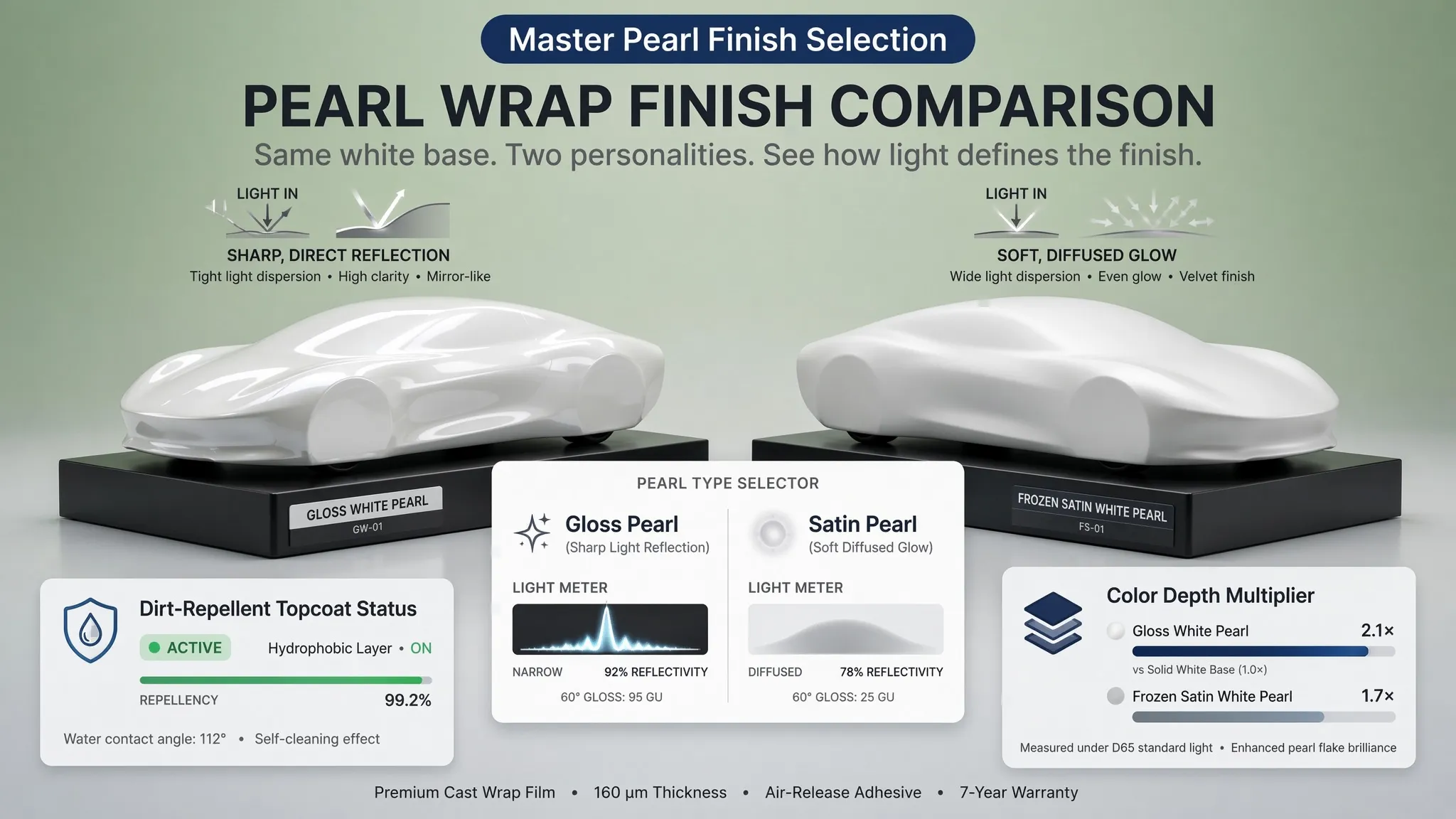
Color-shifting cast films are available in three distinct surface sheen options, each delivering a different aesthetic character.
GLOSS vs. SATIN vs. MATTE SHIFT [ Gloss Finish ] --> Glass-like reflection; maximum color pop [ Satin Finish ] --> Frosted sheen; smooth, liquid-like gradients [ Matte Finish ] --> Low-glare stealth look; subtle hue transitions
Gloss Color Shift
Gloss finishes provide maximum shine and high-contrast color pop. The glass-like clear topcoat amplifies light refraction, making colors look wet, deep, and brilliant under direct sun.
Satin Color Shift
Satin finishes feature a subtle, semi-matte sheen that diffuses direct glare. Light spreads smoothly across the panel surface in a soft, frosted gradient, making it an ideal choice for highlighting complex body contours without intense mirror reflection.
7. Color-Shifting Wrap vs. Chameleon Paint: What's the Difference?
Achieving a multi-color shift with traditional liquid paint requires a complex three-stage or four-stage spraying process involving expensive specialty pigments.
Comparing liquid paint to cast vinyl highlights why wrap technology dominates the custom styling market.
┌────────────────────────────────────────────────────────────────────────┐ │ WRAP vs. PAINT COMPARISON │ ├────────────────────────────────────────────────────────────────────────┤ │ [ Chameleon Paint ] --> $8,000–$15,000+; permanent; hard to match panel│ │ [ Color Shift Wrap ]--> $3,500–$5,500; 100% reversible; preserves OEM │ └────────────────────────────────────────────────────────────────────────┘
Reversibility and Factory Finish Protection
Custom chameleon paint permanently alters your car, requiring sanding down the original factory clear coat. A color shift vinyl wrap is 100% removable, protecting your original OEM paint underneath from UV damage and light road debris while preserving resale value.
Repairability and Panel Matching
If a fender gets damaged on a painted chameleon car, blending that single panel to match the rest of the aged multi-stage paint is notoriously difficult. With a vinyl wrap, an installer can simply strip the damaged fender and lay a fresh panel of matching film from the same batch.
8. How Much Does a Color-Shifting Car Wrap Cost?
Because manufacturing multi-layer cast optical interference films requires specialized production technology, raw roll costs run higher than basic solid-color gloss films.
On average, a professional full-body installation ranges between $3,500 and $5,500, depending on core project variables:
PRICE DETERMINING FACTORS [ Vehicle Scale ] --> Small two-door coupes use ~50ft; full SUVs use ~75ft+ [ Material Class ] --> Premium cast optical film carries higher roll costs [ Grain Alignment ] --> Maintaining directional layout increases film usage [ Teardown Scope ] --> Disassembling handles, trim & lights adds labor hours
Beware of cut-rate shops offering full-body wraps for suspiciously low prices. Lowball quotes typically indicate cheap calendered film imported from overseas that shrinks under summer heat and lacks durable optical layers.
To understand what goes into a fair pricing quote, review our guide on evaluating professional car wrap installation quotes.
9. Does Color-Shifting Vinyl Need Special Installation or Care?
Yes. Installing color-shifting vinyl requires high technical discipline from an experienced technician.
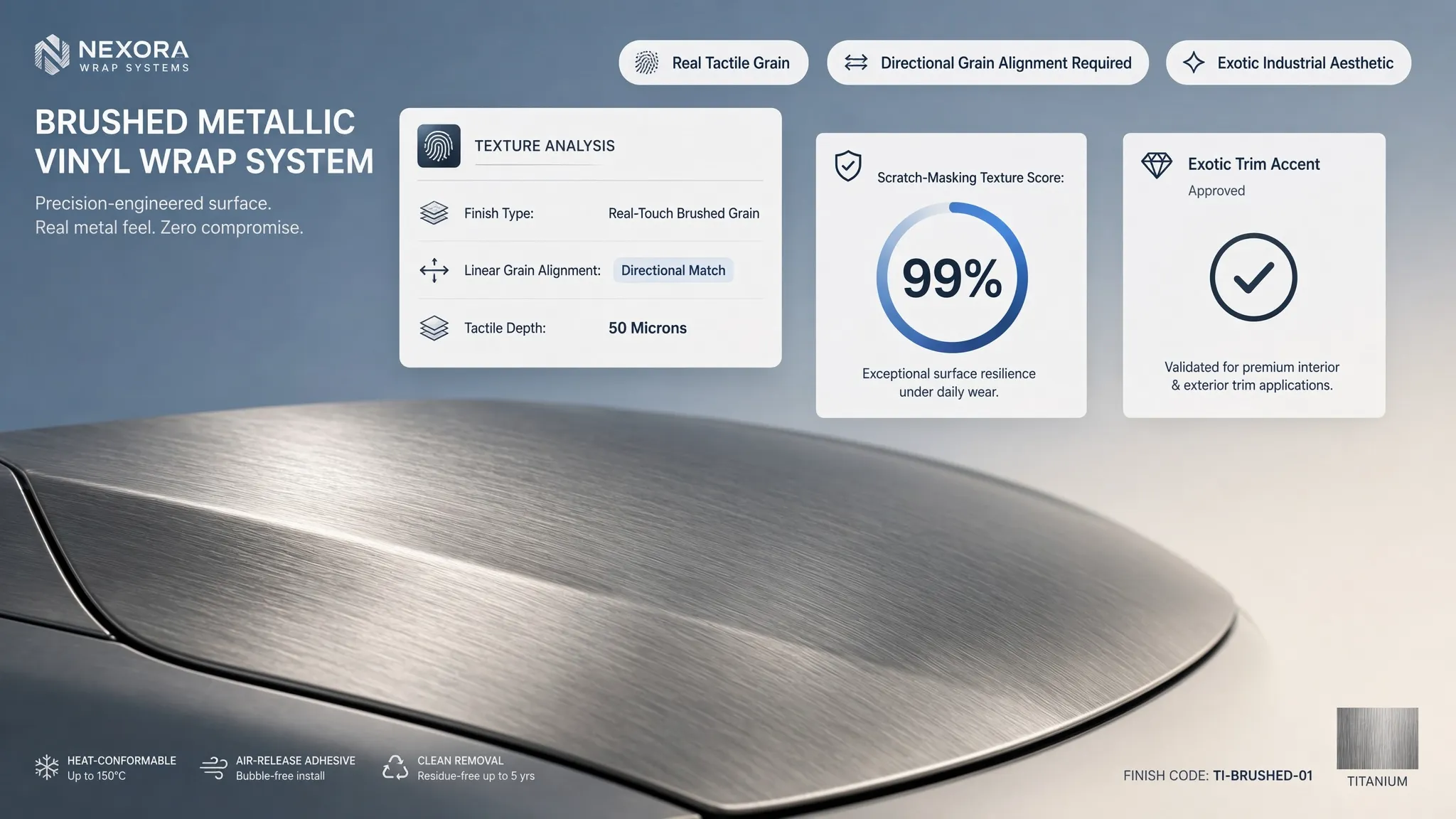
Because optical interference films contain directional micro-particles, installers must manage orientation alignment and heating limits carefully.
┌────────────────────────────────────────────────────────────────────────┐ │ INSTALLATION & CARE DIRECTIVES │ ├────────────────────────────────────────────────────────────────────────┤ │ 1. Strict Orientation: Panels must be unrolled in the same direction │ │ 2. Controlled Heat: Over-heating distorts optical layers & causes haze│ │ 3. Proper Hand Wash: Use pH-neutral soap & avoid automatic brush washes│ └────────────────────────────────────────────────────────────────────────┘
Strict Panel Orientation Alignment: Color-shift vinyl has a strict manufacturing direction. If a technician accidentally rotates a sheet 90 degrees to save material on a door, the color shift will run perpendicular to the rest of the car, completely ruining the visual transition.
Over-Stretching Controls: Over-heating and forcefully stretching film into deep bumper corners distorts the internal optical layers, leaving behind cloudy, discolored patches.
To verify whether a local shop possesses the skill required for specialty cast films, check out our walkthrough on inspecting car wrap quality and installation standards.
10. How Long Does a Color-Shifting Car Wrap Last?
When installed by a skilled professional and properly maintained, a high-grade color-shifting vinyl wrap for cars offers a durable service life of 3 to 5 years.
FACTORS INFLUENCING DURABILITY [ Climate Exposure ] --> Direct sun in high-UV regions accelerates film wear [ Panel Angle ] --> Horizontal hoods/roofs experience higher UV load [ Care Routine ] --> Hand washing extends clarity & prevents edge lifting
According to technical specifications from film distributors like Fellers Automotive Vinyl Supply, vertical panels (doors and fenders) maintain their optical clarity longer than horizontal surfaces (hoods and roofs), which absorb direct solar radiation. Applying a wrap-safe ceramic detailer helps shield the top layer against UV degradation.
11. How to Choose a Color-Shifting Wrap You'll Love Long-Term
Choosing a shade-shifting color based strictly on a compressed image on a smartphone screen can lead to surprises when the roll arrives.
Digital screens cannot display how multi-layer interference flakes reflect real sunlight across curved body panels.
┌────────────────────────────────────────────────────────────────────────┐ │ RECOMMENDED SELECTION PROCESS │ ├────────────────────────────────────────────────────────────────────────┤ │ Step 1: Request physical 12x12" film samples from your wrap shop │ │ Step 2: Place the physical swatch directly against your car's hood │ │ Step 3: Inspect the sample in direct sun, open shade & under LEDs │ └────────────────────────────────────────────────────────────────────────┘
Visit a local installation center and examine physical material swatches in person. Take the swatches outside into direct sunlight, tilt them at different angles against your car's fender, step into the shade, and view them under shop lights. Seeing how the color transition reacts under real-world lighting guarantees total confidence in your style choice.
12. Preview Your Color-Shift Concept Live Before Booking Shop Time
Want to see exactly how a gloss or satin color-shifting finish transforms your vehicle's specific lines before placing a deposit or ordering film rolls?
Visualizing your aesthetic concept beforehand removes all uncertainty and helps you choose the exact color combination you want.
You can upload a photo of your vehicle or select a matching body model, test dynamic color transitions, compare gloss vs. satin sheens, and experiment with custom accent schemes instantly.
Check out our AI vehicle wrap visualizer tool to test custom finishes and preview your build live before scheduling your shop appointment.
FAQs About What Is a Pearl Car Wrap
1. How does a pearl car wrap manage to change tones without looking like a loud chameleon or rainbow finish?
A pearlescent car wrap achieves its signature look through multi-tier cast film construction embedded with semi-translucent mica or silicate micro-particles. Instead of bouncing light back flatly like standard gloss vinyl or jumping aggressively across completely opposite colors like chameleon films, pearl vinyl refracts light through internal layers. This allows the primary base color to remain dominant while throwing off a soft, liquid secondary flip tone—like champagne gold, rose, or icy cyan—strictly along highlight curves where direct light hits.
2.Why are dark pearl shades like midnight blue or nardo gray becoming so popular over traditional white pearl?
While a pearl white car wrap remains a timeless luxury staple, darker base tones provide a much higher contrast canvas for embedded mica flakes. Darker pigments absorb background light, forcing the pearlescent mica layer to radiate with dramatic, liquid-like intensity. A midnight blue pearl or satin dark pearl wrap displays crisp, glowing highlights along shoulder lines and fender arches that make complex vehicle geometry look sculpted and wet.
3. Is there a noticeable difference between choosing a gloss pearl car wrap versus a satin pearl vinyl wrap?
The difference comes down to reflection style and surface glare. A gloss pearl car wrap features a glass-like clear topcoat that mirrors direct point-source light, giving your vehicle high shine and maximum color pop similar to factory metallic paint. A satin pearl vinyl wrap diffuses overhead light into a frosted, semi-matte sheen, spreading the soft pearl luster evenly across body panels without harsh mirror reflections—perfect for accentuating muscular lines on modern sports cars and coupes.
4. Why do wrap installers warn customers about directional layout when applying a pearlescent car wrap?
Because pearlescent film contains directional mica particles suspended inside the PVC matrix, it carries a strict manufacturing grain from the factory roll. If a technician accidentally rotates a panel sheet 90 degrees to save roll material on a fender, that panel will reflect sunlight at a slightly different angle than the adjacent door. Master technicians unroll every panel in the exact same orientation across the entire car to maintain smooth, unbroken undertone transitions from bumper to bumper.
5. Does a pearl effect vinyl wrap hold up well when parked outside in hot sun every day?
Direct UV rays and intense ambient heat naturally accelerate plasticizer degradation on all PVC films, particularly on horizontal panels like hoods and roofs. While high-grade cast pearl vinyl stands up to outdoor exposure, continuous 24/7 parking in harsh sunny climates can shorten the horizontal film window compared to vertical door panels. Using a wrap-safe ceramic detail spray or parking under cover during peak summer heat shields the clear topcoat and keeps the mica layer reflecting clearly for years.
6. How much should I expect to pay for a high-quality pearl car wrap cost on a sedan or SUV?
When budgeting for your project, a professional full-body installation utilizing premium cast pearlescent vinyl typically ranges between $3,200 and $5,500. The final price depends on your vehicle's total square footage, bumper channel complexity, and the amount of hardware teardown required (such as removing door handles, mirrors, and light housings to tuck edges cleanly). Higher material roll costs for multi-layer pearl effect vinyl wrap account for the slight price increase over basic gloss colors.
7. Will a pearl vinyl wrap protect my factory paint, or will removal damage my clear coat down the road?
A quality cast pearl finish acts as a protective barrier over your OEM paint, guarding your factory clear coat against UV fading, road grime, bird dropping stains, and minor swirl marks. When applied over sound factory-baked paint and removed within its recommended 3 to 5 year service life, the film releases cleanly without taking clear coat with it or leaving stubborn adhesive residue behind.
8. Why does my pearl car wrap look like a clean cream color on cloudy days but glow like gold in direct sun?
That dynamic shift is a natural optical feature of pearlescent materials. Overcast shade provides diffused ambient light, causing the embedded mica particles to step back so you see mostly the smooth, solid base pigment. The moment direct, point-source sunlight strikes the clear topcoat, light penetrates down into the mica layers, instantly activating the secondary undertone and creating that rich, radiant glow along every character line.
9. Can over-stretching pearl vinyl wrap during installation ruin the pearlescent finish on my bumper?
Yes, over-stretching is a major technical risk when working with mica-infused cast films. If an inexperienced technician applies too much heat and forcefully pulls pearl vinyl into deep bumper intakes or handle recesses, the embedded mica particles get pulled apart. This creates noticeable cloudy, whitish patches known as color bleaching, where the uniform pearl depth has been permanently stretched thin. Skilled installers use inlay seams to avoid forcing film past its elastic limits.
10. What is the best way to wash a pearlescent vinyl wrap without dulling its soft glow?
Always hand wash your wrapped vehicle using a pH-neutral car shampoo and a soft, clean microfiber wash mitt. Avoid automated drive-thru car washes with spinning mechanical brushes, as those heavy bristles create fine micro-scratches across the clear topcoat that scatter incoming light and dull the reflective luster of the mica particles beneath. Gently dry the surface with a plush microfiber drying towel to prevent hard water spots.
11. Is a custom pearl vinyl wrap a better financial choice than getting a three-stage pearl paint job?
For most owners, wrapping is far more practical and cost-effective. A true three-stage pearl paint job requires a base coat, mid-coat, and clear coat, often costing anywhere from $6,000 to $12,000+ while leaving your car in a bodyshop for weeks and permanently altering its factory finish. A pearl wrap costs a fraction of that price, takes just 3 to 5 business days to install, is 100% reversible, and preserves your car’s resale value by keeping the original factory paint intact underneath.
12. What is the best way to verify a pearl wrap color before buying a full roll?
Digital smartphone screens render images through RGB light pixels, which fail to capture how physical mica particles refract real-world sunlight across three-dimensional metal curves. Never rely solely on online photos or digital mockups. Visit a local wrap facility, request physical 12x12" material swatches, and inspect them outdoors directly against your vehicle's hood in direct sun, in open shade, and under streetlights at night before making your final decision.