
You’re walking up to a pristine sports sedan parked outside a weekend car meet.
As you get closer, your eyes catch the hood. Under direct sunlight, a tight diagonal weave pattern catches the light, shimmering with actual physical depth as you shift your viewing angle. It looks like a multi-thousand-dollar custom autoclaved composite panel straight off a GT3 race car.
Then you look under the edge of the panel. It’s not a $4,000 dry carbon panel—it’s a high-precision carbon fiber car wrap.
Modern cast vinyl technology has evolved far beyond the flat, cheap-looking printed stickers of a decade ago. Today’s top-tier carbon films utilize micro-embossed textures, multi-layer depth, and high-gloss clear caps to replicate the exact light-refracting weave of real composite carbon fiber.
Whether you want to add an aggressive motorsport accent to your hood, transform a faded roof, or upgrade your interior trim without blowing your entire budget, here is your definitive guide to how carbon fiber vinyl works, how the different dimensional tiers compare, and how to execute a show-quality build.
1. What Makes Carbon Fiber Vinyl Look Like Woven Carbon?
To understand why a modern carbon fiber vinyl wrap looks so strikingly convincing, you have to look past basic color printing and analyze how light interacts with structural texture.
Flat vinyl films rely on printed ink patterns sealed under a smooth topcoat. When sunlight hits a flat surface, the glare reflects uniformly in two dimensions, instantly betraying the illusion of depth.
┌────────────────────────────────────────────────────────────────────────┐ │ PRINTED FLAT VINYL vs. TEXTURED CARBON │ ├────────────────────────────────────────────────────────────────────────┤ │ [ Printed Vinyl ] --> Flat ink layer --> Direct 2D reflection │ │ [ Textured Carbon ] --> Embossed 3D weave --> Multi-angle refraction │ │ creates light-shifting composite depth │ └────────────────────────────────────────────────────────────────────────┘
A high-grade woven carbon fiber look is achieved through structural micro-embossing. Advanced cast PVC films carry a physical, tactile crosshatched grid pressed directly into the material.
When ambient light strikes these angled micro-ridges:
Light refracts sideways along the directional grid lines rather than bouncing straight back.
As you move past the panel, the alternating "threads" of the weave light up and drop into shadow sequentially.
This dynamic light-shifting behavior mirrors the optical characteristics of actual woven carbon thread bound in clear resin.
2. Carbon Fiber Wrap vs. Real Carbon Fiber: What's the Difference?
While carbon fiber wraps deliver aggressive motorsport styling, understanding the functional boundaries between vinyl film and actual composite manufacturing prevents costly mistakes.
MATERIAL FUNCTION COMPARISON [ Real Carbon Fiber ] -> Structural weight reduction; rigid; $1,500–$5,000+ per panel [ Carbon Vinyl Wrap ] -> Cosmetic styling; flexible; 100% reversible; $200–$600 per panel
Real Carbon Fiber
Real carbon fiber consists of woven carbon polymer strands laid into molds and cured with epoxy resin under intense pressure. It is built for structural rigidity and extreme weight savings in high-performance motorsport applications, carrying a massive price tag to match.
Carbon Fiber Vinyl
Carbon fiber vinyl wrap for cars is a specialized cosmetic PVC film with adhesive backing. It adds virtually zero structural weight or rigidity, but delivers a matching high-tech visual aesthetic for a fraction of the cost—while keeping your original factory clear coat protected underneath.
3. 2D vs. 3D vs. 4D vs. 5D Carbon Fiber Wrap: What Changes?
Navigating carbon wrap options gets confusing quickly when manufacturers throw around "dimensional" labels. Decramapping these product tiers reveals how visual realism evolves across film technology.
┌────────────────────────────────────────────────────────────────────────┐ │ CARBON FILM DIMENSIONAL TIERS │ ├────────────────────────────────────────────────────────────────────────┤ │ [ 2D Carbon ] --> Flat printed pattern | Matte topcoat | Low realism │ │ [ 3D Carbon ] --> Embossed dry texture | Tactile feel | Matte carbon │ │ [ 4D Carbon ] --> Deep texture weave | Satin sheen | Smooth flow │ │ [ 5D / 6D ] --> Embossed weave + High-gloss resin cap | Wet carbon │ └────────────────────────────────────────────────────────────────────────┘
2D Carbon Fiber Vinyl
The oldest generation. It features a flat printed checkerboard pattern under a smooth matte finish. It lacks physical texture and looks synthetic up close.
3D Carbon Fiber Wrap
Features a true physical, tactile micro-embossed surface that feels like raw, dry woven composite cloth. It is flexible, easy to install, and ideal for creating a matte racing aesthetic.
4D Carbon Fiber Wrap
Refines the 3D micro-embossed weave with a smoother, semi-gloss sheen and a tighter, more geometric weave structure. It mimics modern OEM dry carbon trim pieces found in sports car cabins.
5D Carbon Fiber Wrap & 6D Films
Combines a physical 3D/4D textured base layer fused beneath a thick, glass-like high-gloss clear cast topcoat. It creates the optical illusion of wet, hand-poured clear coat resin over raw carbon weave—delivering the most realistic wet carbon look available.
4. Gloss vs. Matte Carbon Fiber Wrap: Which Finish Looks Better?
Choosing between a gloss carbon fiber wrap and a matte carbon fiber wrap depends heavily on your vehicle's existing trim accents and paint sheen.
GLOSS vs. MATTE CARBON SELECTION [ Gloss Carbon Finish ] [ Matte Carbon Finish ] │ │ • Wet-look resin reflection • Tactile, dry weave texture • High contrast against paint • Subtle, understated stealth look • Matches factory clear-coat carbon • Pairs well with satin/matte wraps
Gloss Carbon
Gloss carbon replicates "wet carbon" components. The high-shine top layer amplifies depth and contrast, making it the premier choice for exterior accent panels like hoods, roofs, and trunk spoilers where you want maximum visual pop against factory gloss paint.
Matte Carbon
Matte or satin carbon fiber vinyl mimics "dry carbon" composite parts used in high-level racing. It offers a subtle, technical look that works exceptionally well for interior center consoles, dash trim, and exterior rear diffusers.
5. What Colors and Carbon Fiber Patterns Can You Choose?
While a black carbon fiber wrap remains the timeless standard, modern manufacturing offers diverse weave options and color spectrums.
┌────────────────────────────────────────────────────────────────────────┐ │ CREATIVE CARBON PATTERN OPTIONS │ ├────────────────────────────────────────────────────────────────────────┐ │ • Classic Black 3x3 Twill --> Standard diagonal motorsport weave │ │ • Forged Carbon Wrap --> Random marbleized composite flake pattern│ │ • Colored Carbon (Red/Blue)--> Tinted clear resin over black carbon │ │ • Stealth Satin Dark Gray --> Subtle industrial tone for interior trim│ └────────────────────────────────────────────────────────────────────────┘
When exploring alternatives:
Colored Carbon Fiber Wrap: Options like a blue carbon fiber vinyl or red carbon fiber wrap utilize tinted top layers over dark weave, adding a subtle splash of color that pops when sunlight hits the panel.
Forged Carbon Wrap: Rather than a traditional twill weave, forged carbon replicates pressed composite shreds, creating an organic, marble-like stone pattern popular on modern hypercars.
6. Which Parts of a Car Look Best With Carbon Fiber Wrap?
Executing an impactful styling upgrade requires strategic placement. Rather than wrapping an entire car, carbon fiber vinyl excels as a high-contrast accent material.
┌────────────────────────────────────────────────────────────────────────┐ │ HIGH-IMPACT ACCENT LOCATIONS │ ├────────────────────────────────────────────────────────────────────────┐ │ [ Carbon Fiber Hood Wrap ] --> Creates aggressive front-end stance │ │ [ Carbon Fiber Roof Wrap ] --> Mimics low-center-of-gravity aesthetic│ │ [ Carbon Fiber Mirror Wrap ] --> Delivers subtle, factory-plus detail │ │ [ Interior Trim Wrap ] --> Refreshes scratched center consoles │ └────────────────────────────────────────────────────────────────────────┘
Hoods & Roofs: A carbon fiber hood wrap or carbon fiber roof wrap visually lowers the vehicle's profile, delivering an aggressive motorsport aesthetic that contrasts sharply against light factory paint colors.
Mirror Caps & Spoilers: A carbon fiber mirror wrap adds subtle, high-end detail that ties together front and rear aero components.
Interior Trim: Applying a carbon fiber interior wrap over scratched piano-black center consoles and dash panels completely modernizes your cabin with a clean, smudge-resistant finish.
7. Does a Carbon Fiber Wrap Look Realistic on an Actual Car?
The key to achieving a realistic carbon fiber vinyl wrap comes down to material selection and technician craftsmanship.
REALISM CRITICAL FACTORS [ Film Selection ] --> Use multi-layer 5D or 3D cast films with true depth [ Pattern Flow ] --> Maintain 45-degree diagonal weave angle across panels [ Tension Control ] --> Avoid over-stretching around tight bumper corners
To ensure your wrap looks like a real composite panel rather than a cheap sticker, two elements matter most:
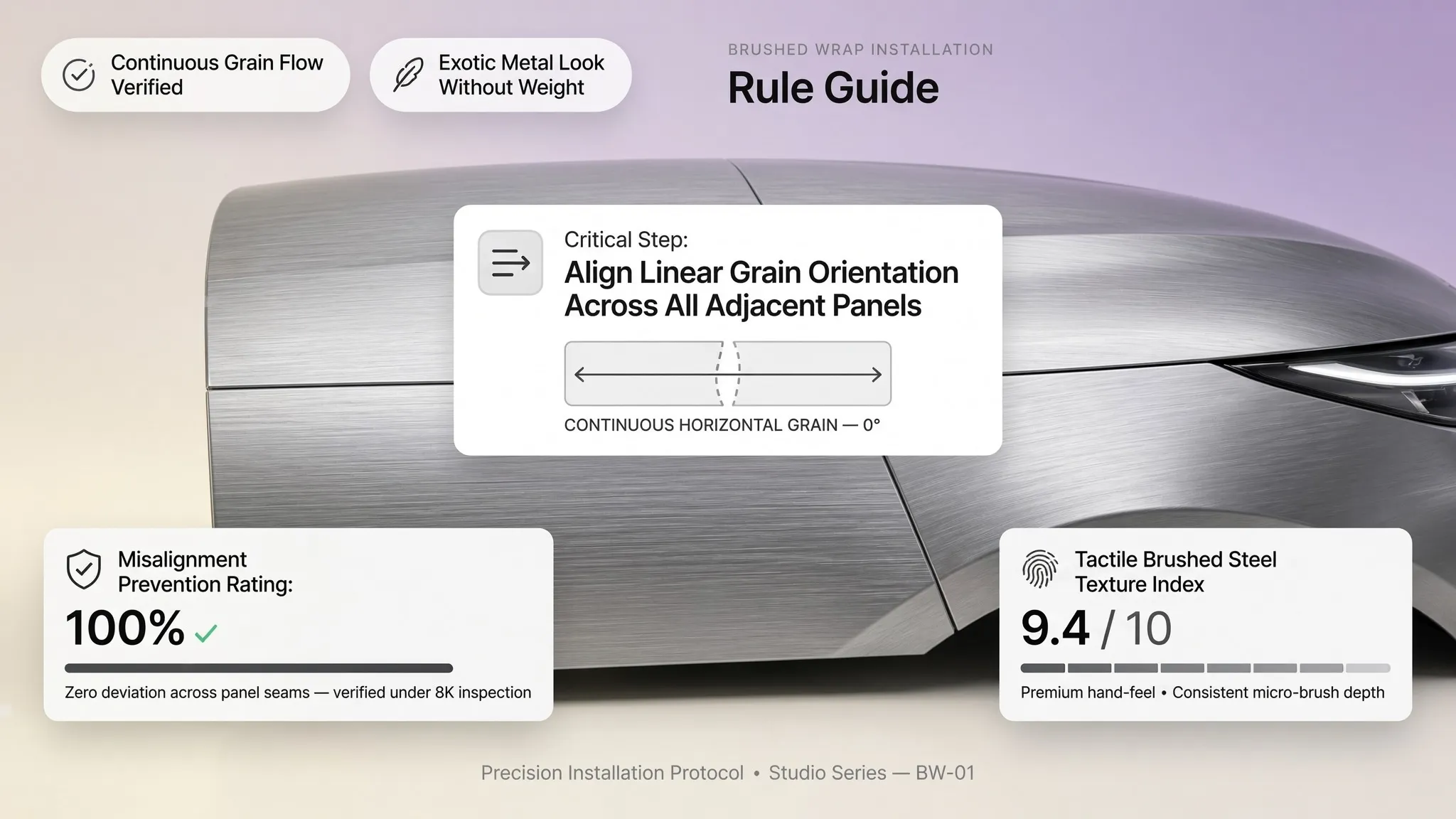
Grain Alignment: A professional installer aligns the diagonal weave direction consistently across adjacent panels (e.g., matching the angle between the hood and front fenders).
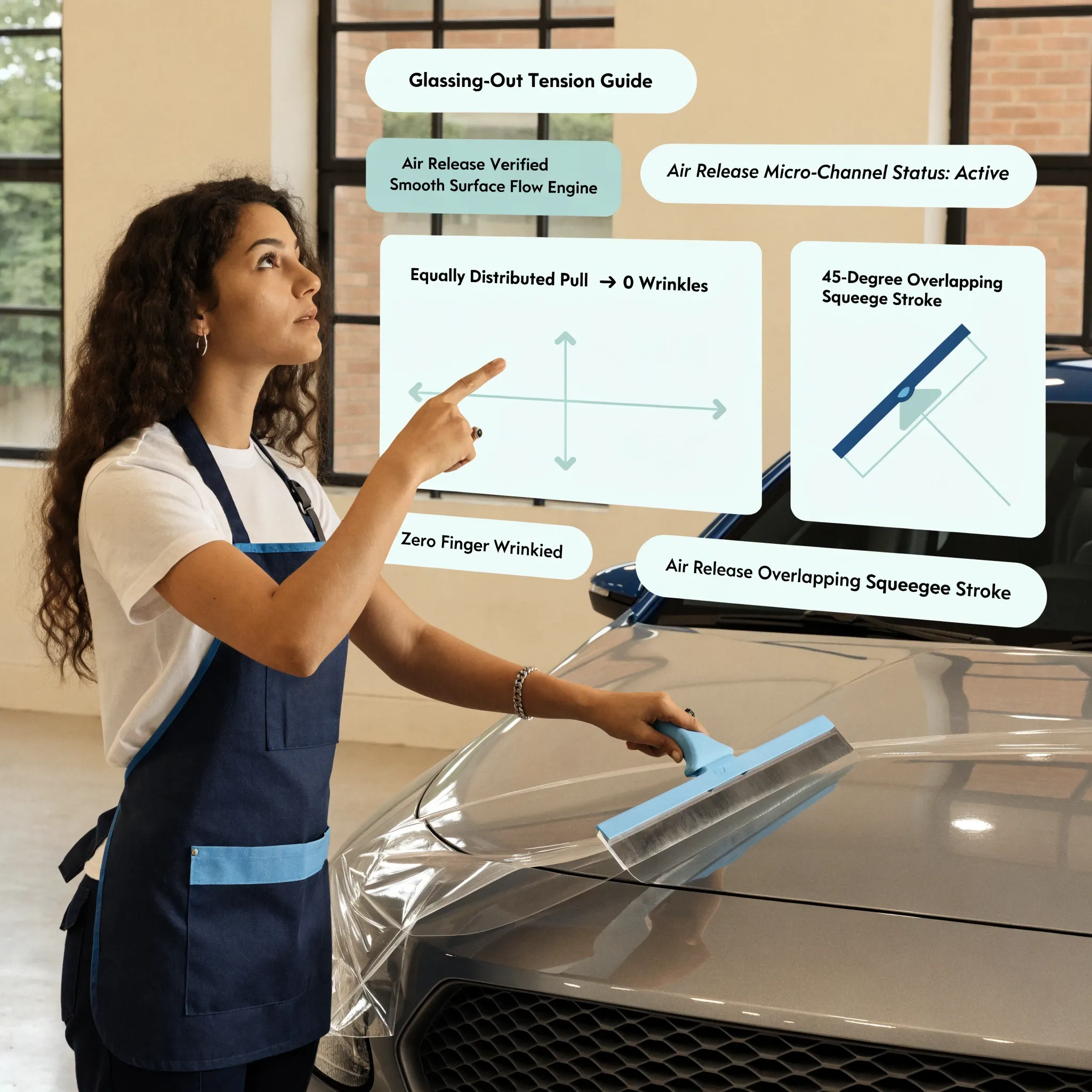
Distortion Management: Over-stretching carbon film distorts the geometric weave pattern into wavy lines. Master technicians use proper glassing techniques to feed the film naturally without pulling the weave out of shape.
To verify whether your installer understands proper directional layout, check out our guide on inspecting car wrap quality and installation standards.
8. Can Carbon Fiber Vinyl Protect Your Car's Original Paint?
Yes. Beneath its high-tech texture, carbon fiber vinyl acts as a sacrificial barrier shielding your factory paint from everyday environmental wear.
┌────────────────────────────────────────────────────────────────────────┐ │ PROTECTIVE BENEFITS & LIMITATIONS │ ├────────────────────────────────────────────────────────────────────────┤ │ [ Protects Against ] --> UV oxidation, swirl marks, bug acids & sap │ │ [ Does Not Stop ] --> High-velocity gravel impacts (requires PPF) │ └────────────────────────────────────────────────────────────────────────┘
A carbon fiber wrap paint protection barrier guards your hood and roof against solar UV fading, bird dropping etching, and minor wash swirls.
While vinyl is thinner than dedicated clear Paint Protection Film (PPF), it absorbs everyday surface friction, keeping your original OEM paint factory-fresh beneath.
9. How Much Does a Carbon Fiber Car Wrap Cost?
Because manufacturing multi-layer 3D textured or 5D high-gloss carbon films requires specialized production processes, raw roll costs run higher than basic gloss colors.
However, because carbon fiber is primarily applied to accent panels, project costs remain highly accessible:
AVERAGE PROJECT COST RANGES [ Mirror Caps / Handles ] --> $150 – $300 [ Carbon Fiber Hood Wrap] --> $300 – $600 [ Carbon Fiber Roof Wrap] --> $350 – $650 [ Full Vehicle Wrap ] --> $3,800 – $6,000+
Factors affecting total carbon fiber car wrap cost include panel complexity, surface prep time, and hardware teardown requirements.
To compare pricing variables across partial vs. full vehicle installations, review our guide on evaluating professional car wrap installation quotes.
10. How Long Does Carbon Fiber Vinyl Last, and How Do You Maintain It?
When installed by a skilled technician using premium cast materials, you can expect a carbon fiber wrap lifespan of 3 to 5 years.
MAINTENANCE BEST PRACTICES [ Recommended ] --> Hand wash with pH-neutral soap & soft microfiber towels [ Surface Care ] --> Apply wrap ceramic detailers to preserve gloss depth [ Strictly Avoid] --> Automated brush car washes & heavy mechanical buffing
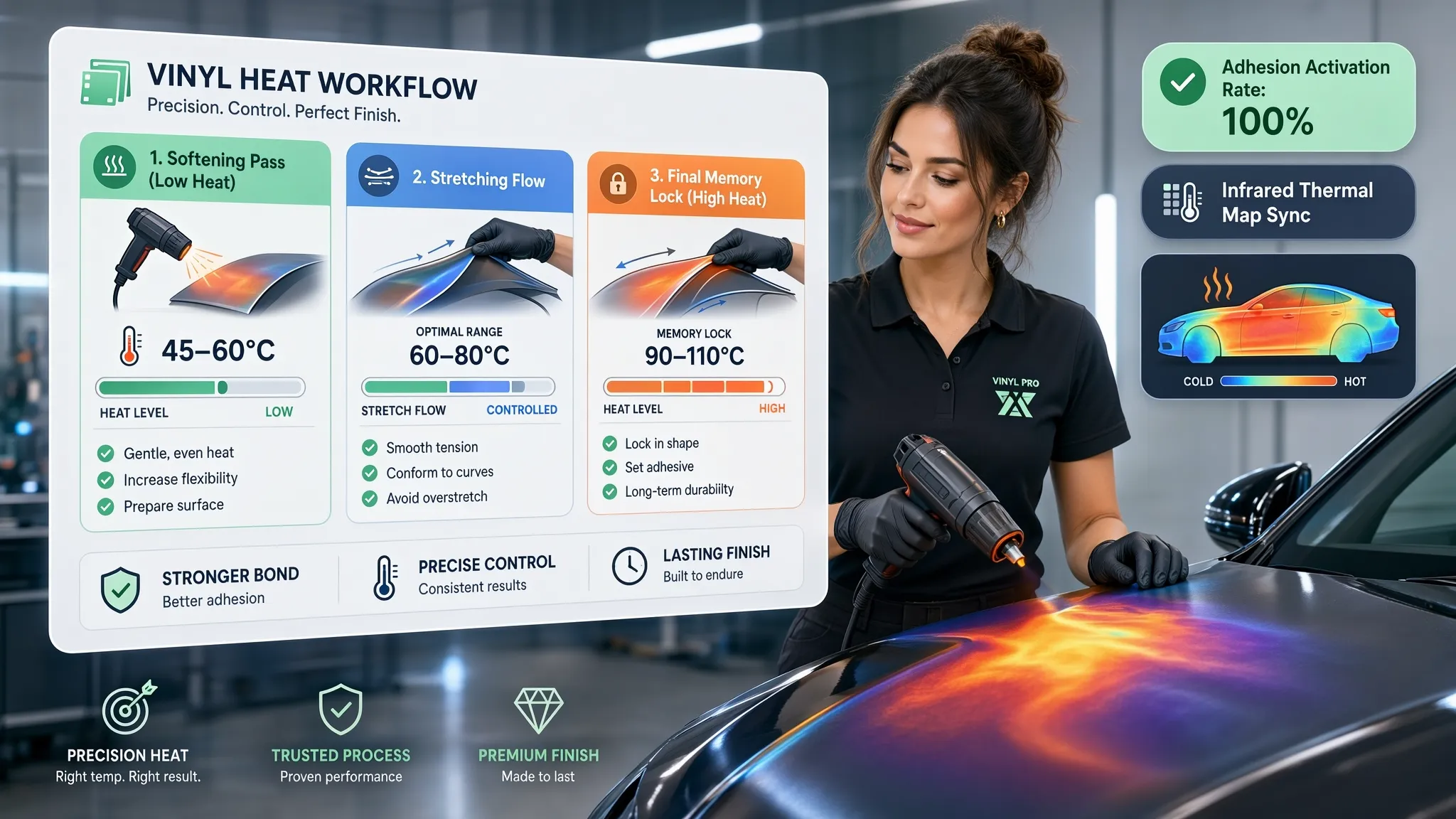
Avoid Mechanical Buffing: Never run a rotary buffer over a 3D textured or 5D carbon wrap. Heavy polishing smooths out physical micro-grooves and clouds the clear topcoat.
Hand Wash Only: Automated brush car washes drag grit across the surface, scratching clear caps and catching exposed edge hems.
Keep Contaminants Off: Wash off fuel spills, bug splatter, and bird droppings promptly using warm water and a wrap-safe detail spray.
11. How to Decide if a Carbon Fiber Wrap Suits Your Car
Before ordering rolls of film or placing a deposit at a local shop, evaluating physical samples ensures you choose a weave pattern that complements your vehicle.
┌────────────────────────────────────────────────────────────────────────┐ │ RECOMMENDED SELECTION PROCESS │ ├────────────────────────────────────────────────────────────────────────┤ │ Step 1: Request physical 12x12" swatches (3D dry vs. 5D wet carbon) │ │ Step 2: Place swatches directly against your car's hood & bodylines │ │ Step 3: Inspect the weave pattern in direct sun, shade & under LEDs │ └────────────────────────────────────────────────────────────────────────┘
Visit a local installation bay and examine physical material swatches in person. Take the samples outside into natural sunlight, hold them against your hood, and view them from a few paces back. Seeing how the light catches the weave in person guarantees total confidence in your choice.
12. Preview Your Carbon Fiber Accent Concept Live Before Booking
Want to see exactly how a gloss or matte carbon fiber hood, roof, or mirror accent transforms your car's lines before scheduling shop time?
Visualizing your custom styling ideas in real time removes all uncertainty.
You can upload a photo of your vehicle or choose a matching body model, test gloss vs. 3D carbon textures, experiment with accent panel combinations, and preview custom styling live.
Check out our interactive AI car wrap visualizer tool to test custom finishes and preview your build live before scheduling your shop appointment.

FAQs About What Is a Carbon Fiber Car Wrap
1. Is a carbon fiber car wrap real carbon fiber, or is it just a vinyl sticker?
It is a specialized multi-layer cast vinyl film designed to replicate the exact visual appearance of woven carbon composite. While real carbon fiber consists of rigid carbon polymer strands cured in epoxy resin for structural weight reduction, a carbon fiber vinyl wrap is a flexible cosmetic coating. It gives your vehicle that high-tech motorsport aesthetic at a fraction of the cost while keeping your factory paint protected underneath.
2. What is the difference between 3D, 4D, 5D, and 6D carbon fiber wrap?
These labels describe how realistic the depth and finish of the weave look:
3D Carbon Fiber Wrap: Features a physical, tactile micro-embossed texture that feels like raw, dry woven carbon cloth with a matte finish.
4D Carbon Fiber Wrap: Uses a smoother, semi-gloss sheen with a tighter, geometric weave that mimics OEM dry carbon trim.
5D and 6D Carbon Fiber Wraps: Combine a textured 3D/4D weave base layer beneath a thick, high-gloss clear cast topcoat, creating the optical illusion of wet, hand-poured clear coat resin over raw carbon.
3. How much does a carbon fiber car wrap cost for a hood, roof, or full vehicle?
Because carbon fiber vinyl is typically used as a high-impact styling accent rather than a full color change, project pricing depends on which panels you choose to wrap:
Carbon Fiber Mirror Wrap / Door Handles: $150 – $300
Carbon Fiber Hood Wrap: $300 – $600
Carbon Fiber Roof Wrap: $350 – $650
Full Carbon Fiber Car Wrap: $3,800 – $6,000+
4. Will a carbon fiber hood wrap or roof wrap look realistic up close?
When installed using high-grade 3D textured or 5D high-gloss cast film, it looks remarkably convincing even under close inspection. The key to a realistic carbon fiber vinyl wrap comes down to installation craftsmanship: master technicians align the diagonal 45-degree weave pattern consistently across adjacent panels and avoid over-stretching the film, which prevents the geometric weave from distorting into wavy lines around bumper corners.
5. Does carbon fiber wrap protect paint against rock chips and UV damage?
A carbon fiber wrap provides a solid sacrificial barrier against solar UV rays, bird dropping stains, tree sap, and light wash swirls, keeping your original OEM clear coat factory-fresh. However, because vinyl film is thinner than dedicated clear Paint Protection Film (PPF), it will not stop heavy, high-velocity gravel impacts on lower front bumpers.
6. Should I choose a gloss carbon fiber wrap or a matte carbon fiber wrap?
It depends on the visual contrast you want against your car's primary paint:
Gloss Carbon Fiber Wrap: Replicates "wet carbon" components. The high-shine top layer amplifies weave depth, making it the premier choice for exterior accents like hoods, roofs, and trunk spoilers against factory gloss paint.
Matte Carbon Fiber Wrap: Mimics "dry carbon" composite parts used in racing. It offers a subtle, low-glare aesthetic that works exceptionally well for interior center consoles, dash trim, and rear diffusers.
7. Can you get a colored carbon fiber wrap, or does it only come in black?
While classic black carbon fiber wrap remains the industry standard, modern cast vinyl technology offers diverse color spectrums and weave styles. You can choose a blue carbon fiber vinyl or red carbon fiber wrap, which feature tinted clear layers over a dark weave that pop under direct sun. You can also opt for a forged carbon wrap, which replicates the marbleized, non-directional composite pattern found on modern hypercars.
8. How long does a carbon fiber vinyl wrap last on an outdoor-parked car?
When installed by a professional technician using top-tier cast vinyl (such as 3M 2080 or Avery SW900), you can expect a carbon fiber wrap lifespan of 3 to 5 years. Vertical panels like doors and trunk caps maintain their finish longer than horizontal panels like hoods and roofs, which take direct daily UV radiation and solar heat.
9. What is the proper way to clean and maintain a carbon fiber vinyl wrap?
Upkeep is straightforward as long as you follow a few basic rules:
Hand Wash Only: Wash your vehicle using a pH-neutral car shampoo and soft microfiber wash mitts.
Avoid Rotary Buffers: Never run a heavy mechanical polisher over 3D textured or 5D carbon vinyl, as buffing smooths out the physical micro-grooves and clouds the clear topcoat.
Spot Clean Contaminants: Remove fuel spills, bird droppings, and bug splatter within 24 to 48 hours using warm water and a wrap-safe detail spray.
10. Can I wrap my interior center console and dash trim with carbon fiber vinyl?
Yes, a carbon fiber interior wrap is one of the most popular and cost-effective cabin upgrades. It covers up scratched piano-black plastic, hides fingerprints, and adds a modern, high-tech motorsport feel to your center console, door switch plates, and dashboard trim without interfering with button functions.
11. Is a carbon fiber car wrap easy to remove when I want to sell my car?
Yes, high-grade cast carbon fiber vinyl is designed to be 100% removable within its 3 to 5 year service life. When warmed with a heat gun, the film peels away cleanly without damaging your original factory clear coat or leaving stubborn adhesive residue behind, preserving your vehicle's resale value.
12. How do I make sure I choose the best carbon fiber wrap for my vehicle?
Never rely solely on digital smartphone photos or online mockups, as phone screens compress color profiles and fail to show how natural light refracts across a 3D weave. Visit a local wrap facility, request physical 12x12" swatches of 3D dry and 5D wet carbon films, and hold them directly against your vehicle's hood in direct sunlight and open shade before making your final decision.