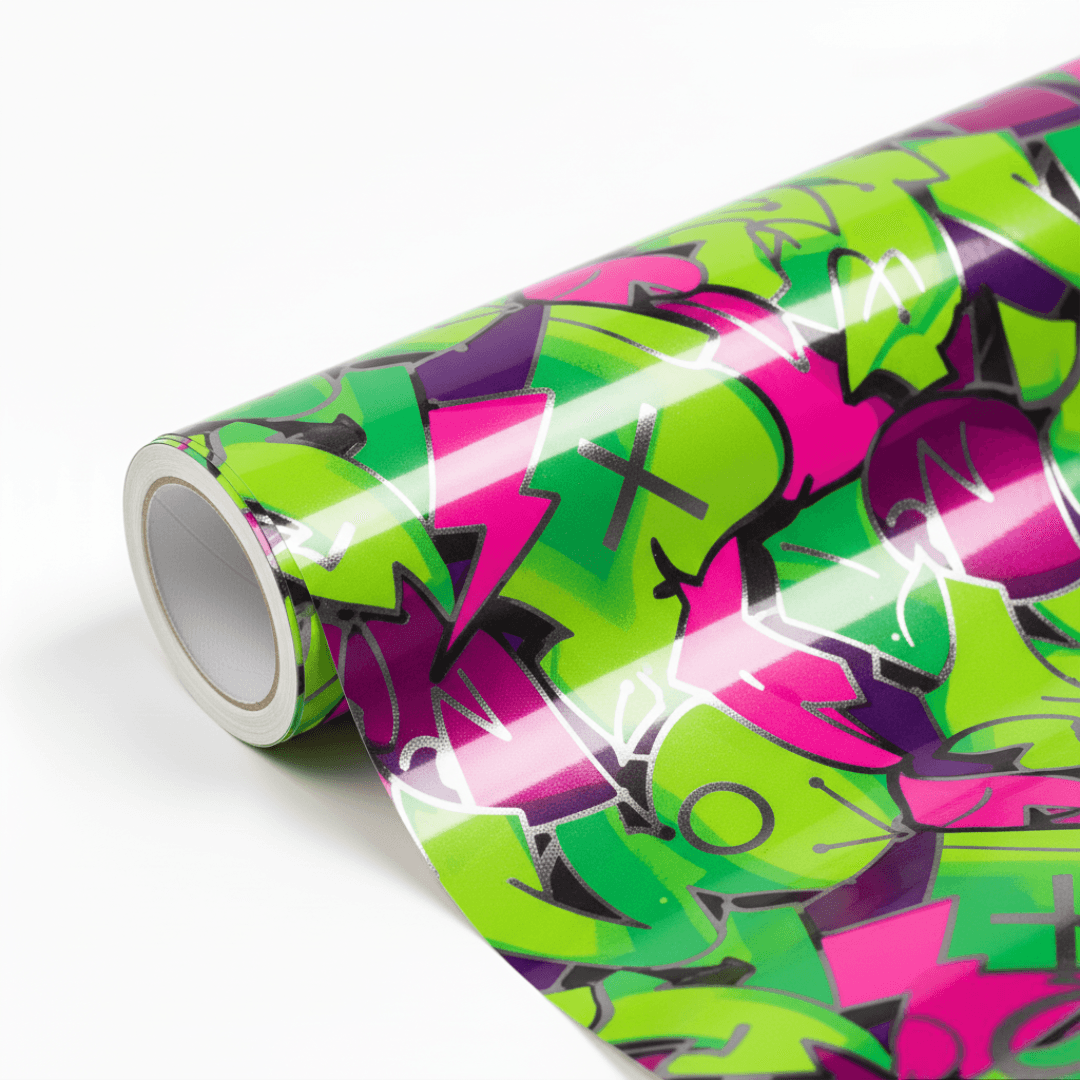

Staring at your car’s front bumper and wondering whether to change its color or shield it from flying highway gravel?
Here’s the cold, hard truth:
Picking between a vinyl wrap and Paint Protection Film (PPF) isn't an apples-to-apples choice. Vinyl is built for total aesthetic style, while PPF is engineered for heavy-duty armor.

The Bottom Line: Vinyl vs PPF
| Feature | Vinyl Wrap | PPF |
|---|---|---|
| Primary Purpose | Color Change & Custom Style | Impact & Gravel Armor |
| Material Thickness | ~3.5 to 4.5 mils | ~8.0 to 10.0 mils |
| Self-Healing Ability | No (Heat relaxes minor scuffs) | Yes (Fights stone chips) |
| Upfront Investment | $2,000 – $5,000 | $3,500 – $7,000+ |
| Average Lifespan | 5 to 7 Years | 7 to 10+ Years |
Vinyl Wrap vs PPF at a Glance
Need to evaluate your options in under a minute?
Look:
If you want a sleek satin Nardo Grey finish tomorrow, buy vinyl. If you want to blast down the interstate without worrying about rock chips ruining your factory paint, buy PPF.
| Evaluation Metric | Vinyl Wrap | Paint Protection Film (PPF) |
|---|---|---|
| Visual Transformation | Complete color & texture change | Clear, gloss, or stealth (satin) protection |
| Gravel/Stone Shield | Minimal (Guards against light UV) | Superior (Absorbs high-speed rock impacts) |
| Scuff Repair | Manual panel replacement required | Automatic heat-activated self-healing |
| Resale Defense | Keeps OEM clear coat pristine | Prevents front-end pitting entirely |
Trying to decide how much coverage your budget allows? See how full and partial wraps differ before booking shop time.
What Is a Vinyl Wrap?
A vinyl wrap is an ultra-thin (~3.5 mil) polyvinyl chloride (PVC) sheet applied directly over your car's exterior panels.
Vinyl Wrap Core Benefits
- Instant Color Freedom (Matte, Satin, Gloss, Chrome)
- Reversible Shield for OEM Clear Coat
- Budget-Friendly Style Upgrade vs Paint
Think about it:
Instead of paying a body shop $8,000 to repaint your car, a vinyl wrap lets you change its color, shield the original paint from sun fading, and peel it off whenever you want to sell.
Curious how vinyl compares to traditional body shop repaints? Read our complete breakdown on car wrap vs paint.
What Is Paint Protection Film (PPF)?
Paint Protection Film (often called Clear Bra) is a thick (~8 to 10 mil) thermoplastic polyurethane (TPU) layer applied over painted surfaces.
PPF Core Benefits
- Heavy Gravel & Rock Chip Defense
- Heat-Activated Self-Healing Topcoat
- Invisible Optical Clarity (Preserves OEM Color)
Here's why it matters:
Unlike vinyl, PPF contains an elastomeric polymer layer that "remembers" its flat shape. When flying gravel swirls or scratches your bumper, simply park your car in the warm sun—or pour warm water over the panel—and the scratches disappear.
Cost Comparison: Vinyl Wrap vs Paint Protection Film
Let's address the elephant in the room:
Why does PPF cost significantly more than vinyl? Raw TPU material costs three times as much as PVC, and laying thick clear film around complex bumper curves without leaving optical distortion requires specialized labor.
Partial Bumper/Hood PPF
$900 – $1,800
Full Vehicle Vinyl Wrap
$2,000 – $5,000
Full Vehicle PPF
$3,500 – $7,000+
Planning your customization budget? Explore the complete vehicle wrap pricing or check out our SUV wrap cost and truck wrap cost guide.
Paint Protection: Which One Protects Better?
Here's the truth:
Vinyl is styling film that offers light cosmetic protection. PPF is high-impact armor.

Protection Power Spectrum
- VINYL (~3.5 mil): Guards against UV rays & tree sap
- PPF (~8.0 mil): Stops gravel chips, scratches & salt
If highway debris strikes a vinyl-wrapped bumper at 70 mph, the rock will tear right through the thin film and chip your paint. PPF’s dense elastomeric structure dissipates the impact energy, leaving your clear coat completely untouched.
Customization: Which Gives You More Design Freedom?
Want your ride to stand out?
Vinyl wrap wins the aesthetic crown hands down.
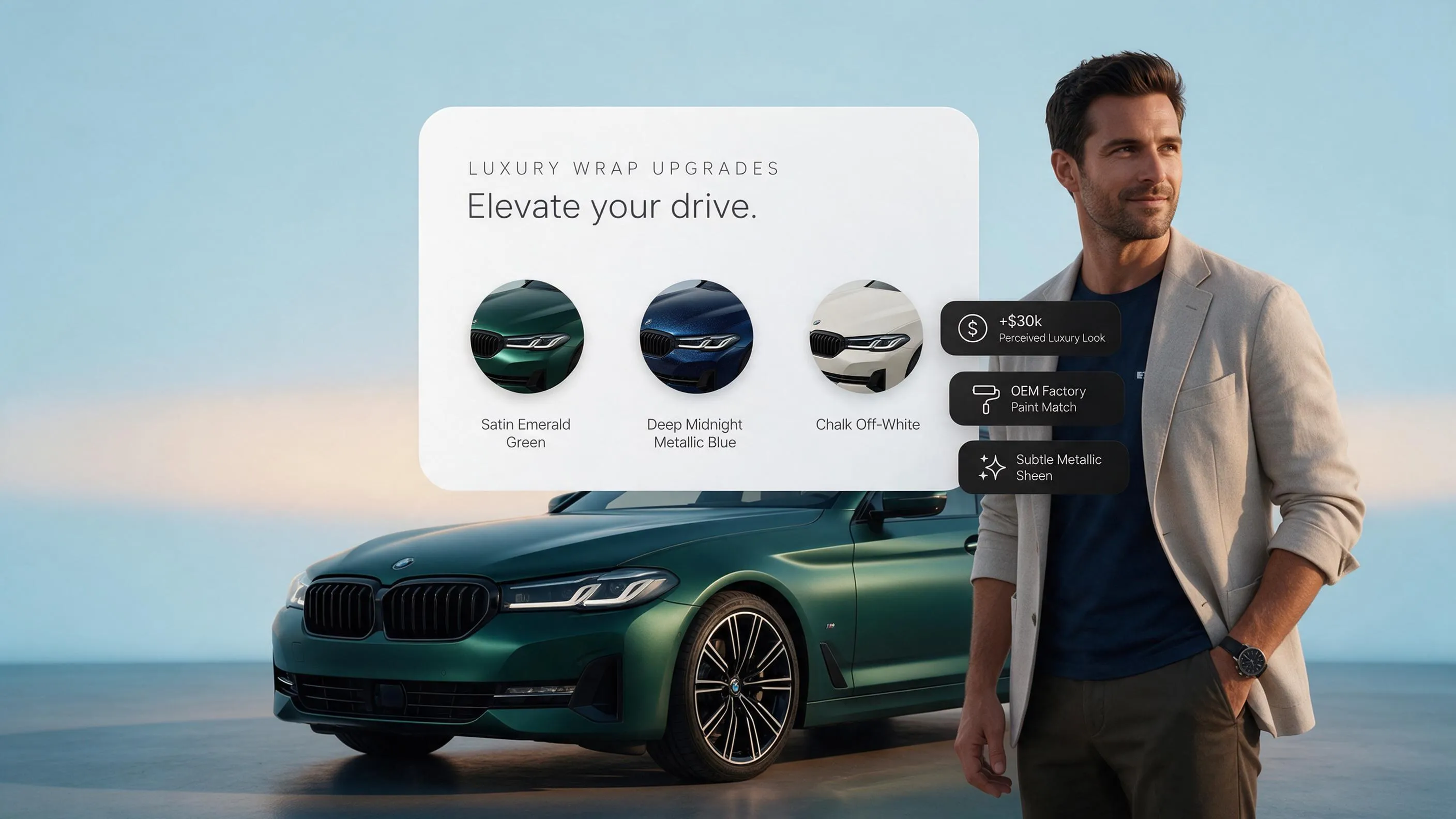
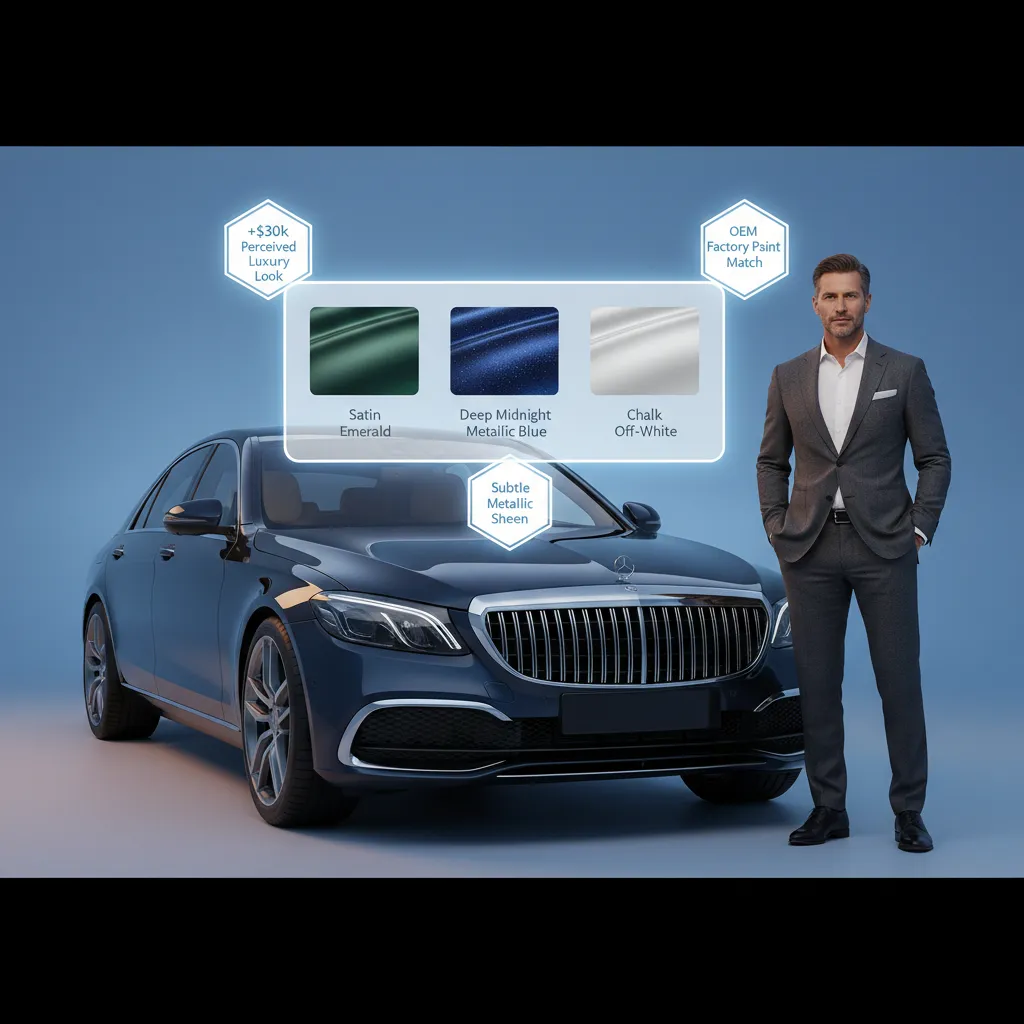
Vinyl Variety: Pick from over 500 shades, including brushed metal, forged carbon fiber, color-shifting chameleon, matte military olive, or satin black.
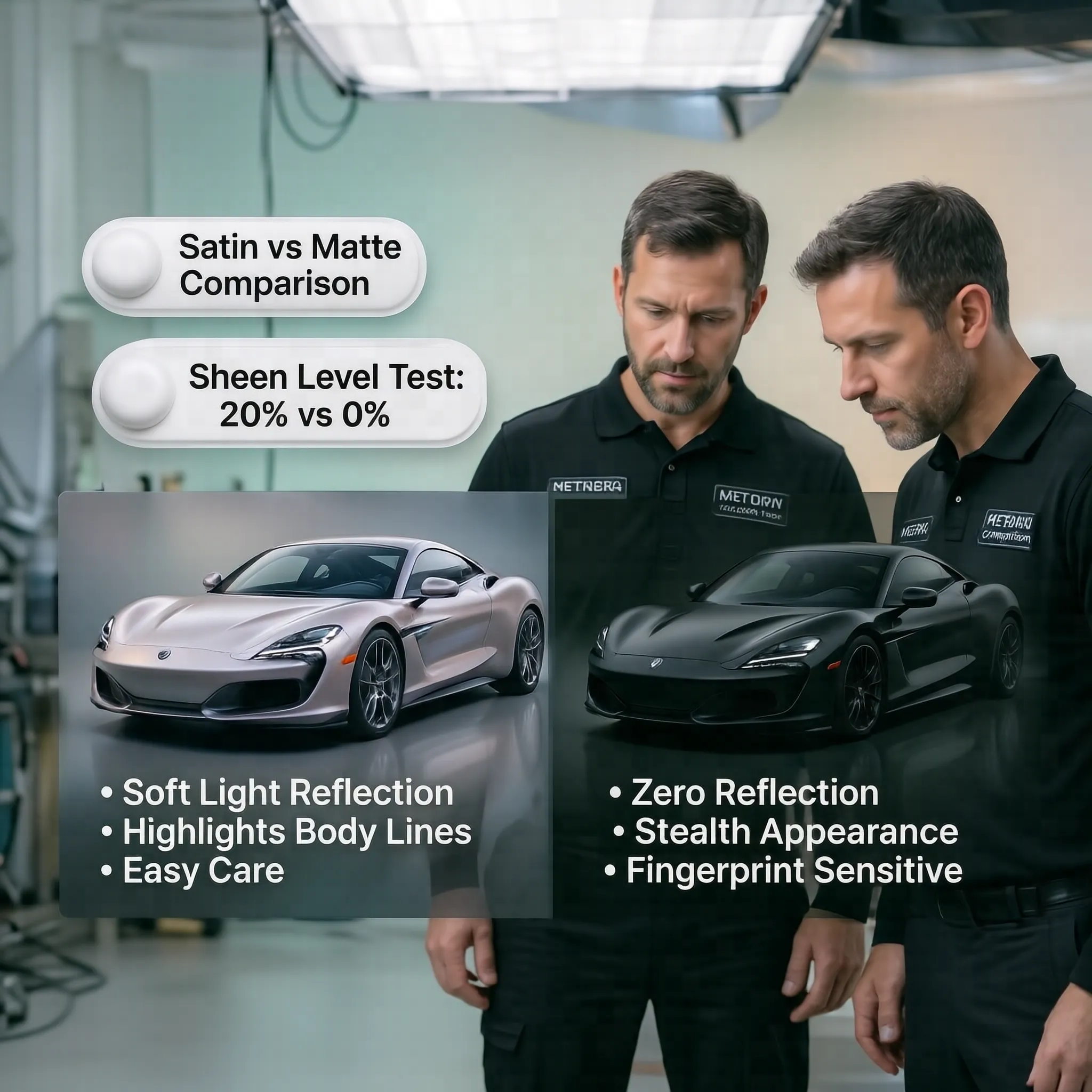
PPF Variety: Available primarily as an invisible high-gloss shield or a "Stealth" satin transformation film that turns glossy factory paint into a smooth matte finish.
Stuck between sheens? Compare different vinyl finishes to match your vehicle's body lines.
Durability, Maintenance & Lifespan
The best part?
Both options preserve your vehicle's resale value, but their maintenance routines differ.
Vinyl Wrap
- 5 to 7 Year Lifespan
- Hand wash with pH shampoo
- Avoid abrasive polishes
Paint Protection Film
- 7 to 10+ Year Lifespan
- Self-healing properties
- Hydrophobic, easy wash
Want to make your installation last? Review our car wrap lifespan guide to keep film edges secured for years.
Who Should Choose a Vinyl Wrap?
A vinyl wrap is your best match if you:
- Want an affordable, head-turning color transformation without repainting.
- Prefer rare textures like forged carbon, satin metallic, or matte shifts.
- Drive primarily in suburban environments with low gravel impact risk.
- Plan to change your car’s aesthetic style every 3 to 5 years.
Who Should Choose Paint Protection Film?
PPF is your best match if you:
- Drive frequently on highways, gravel roads, or track days.
- Own a brand-new, exotic, or high-end vehicle with pristine OEM paint.
- Want maximum rock chip protection while keeping your original factory color.
- Desire a low-maintenance, self-healing finish backed by a 10-year warranty.
Compare Colors Before You Spend Thousands
Stop guessing how satin stealth grey or matte black will look on your car.
Upload Your Vehicle Photo: Drop a picture of your car into our customizer.
Test Finishes Live: Toggle between gloss, matte, satin, and carbon fiber looks instantly.
Connect with Experts: Preview wrap colors on your own vehicle now, then connect with a trusted local wrap specialist to bring your vision to life.
Frequently Asked Questions: Vinyl Wrap vs Paint Protection Film (PPF)
What is the primary difference between a vinyl wrap and PPF?
It comes down to aesthetics versus protection. A vinyl wrap is a thin PVC film (~3.5 to 4.5 mils) designed primarily to change your car’s color and finish (satin, matte, chrome, or carbon fiber). Paint Protection Film (PPF) is a thick polyurethane film (~8.0 to 10.0 mils) engineered to absorb high-speed rock chips, gravel strikes, and surface scratches.
Is PPF more expensive than a vinyl wrap?
Yes, significantly. A full-body vinyl wrap costs between $2,000 and $5,000, whereas a full-body PPF installation ranges from $3,500 to $7,000+. Raw TPU material costs roughly three times more than PVC vinyl, and applying clear film without optical stretching defects requires higher labor precision.
Can you put PPF over a vinyl wrap?
Yes! Many vehicle owners wrap their car in a custom vinyl color first, then apply a clear PPF over high-impact zones like the front bumper, hood, and side mirrors. This gives you custom aesthetic styling combined with heavy-duty rock chip protection.
Does vinyl wrap offer any protection against rock chips?
Vinyl provides light protection against UV rays, bird droppings, tree sap, and light swirl marks. However, because vinyl is thin and rigid, high-speed gravel or sharp stones will tear right through it and chip your underlying factory paint.
How does PPF self-heal scratches?
Top-tier PPF features an elastomeric polymer topcoat with shape memory. When light scratches, swirl marks, or scuffs occur on the film, applying heat (from direct sunlight, hot water, or a heat gun) causes the polymers to relax and bond back into their flat state, making the scratch disappear.
Which lasts longer: vinyl wrap or PPF?
PPF outlasts vinyl. A high-quality PPF installation lasts 7 to 10+ years and often comes backed by 10-year manufacturer warranties against yellowing or peeling. A premium cast vinyl wrap typically lasts 5 to 7 years before horizontal panels (hood and roof) require replacement.
Will removing vinyl wrap or PPF damage my original factory paint?
No, provided the film is removed within its recommended service lifespan and was installed over sound, OEM factory paint. Both adhesives peel off cleanly when warmed, leaving your factory clear coat untouched. (If your car has low-quality aftermarket respray work, peeling film may lift loose clear coat).
Can I wash my car normally after getting vinyl wrap or PPF installed?
You must wait 48 to 72 hours after installation for the adhesive to cure fully. Afterwards, stick to hand washing with pH-neutral car shampoo or touchless car washes. Never use automated brush car washes, and keep high-pressure pressure washer nozzles at least 12–18 inches away from film seams and edges.
Can I get PPF on just the front of my car instead of full coverage?
Absolutely. A popular budget-friendly strategy is the "Partial Front" or "Full Front" PPF package ($900–$2,200), which covers only high-impact zones—the front bumper, hood, fenders, and side mirrors—where 90% of highway rock chips occur.
Does PPF or vinyl wrap yellow over time?
Budget films used to yellow under harsh sun exposure, but modern premium cast vinyls and TPU PPF films contain advanced UV inhibitors. Reputable PPF brands (like XPEL, SunTek, and 3M) offer 10-year warranties guaranteeing the clear film will not yellow, haze, or stain.
How do vinyl wrap and PPF affect my car's resale value?
Both protect and boost resale value by preserving your underlying OEM clear coat from sun oxidation, micro-scratches, and road debris. When trading in or selling your vehicle, removing the film reveals factory-fresh paint underneath, allowing you to command top market value.