
The average cost to wrap an SUV ranges from $2,500 to $6,000+.
For a standard midsize SUV receiving a high-quality, full color change wrap, expect to pay around $3,200 to $4,500. If you're looking for a partial wrap—such as a roof, hood, or chrome delete—prices start as low as $300 to $1,500. On the high end, full-size luxury SUVs or exotic finishes like chrome can exceed $7,000.
Because SUVs have significantly more surface area and complex curves than sedans, installation requires extra material and specialized labor. Below, we break down every pricing variable so you can accurately budget before contacting local shops.
Quick SUV Wrap Cost Breakdown
Use this quick pricing reference to compare standard coverage types, finishes, and protective material options for SUVs:
| Finish Type | Average Cost | Best For | Why Drivers Choose It |
|---|---|---|---|
|
Gloss / Satin / Matte
Most Popular Choice |
$2,800–$4,500 | Daily drivers, SUVs, luxury vehicles | ✔ Factory-quality appearance with complete color transformation. |
|
Metallic / Pearl
Premium Finish |
$3,500–$5,200 | Luxury SUVs & show vehicles | ✔ Adds richer depth, shimmer, and premium visual appeal. |
|
Carbon Fiber / Textured
Performance Style |
$4,500–$6,500 | Sports SUVs & custom builds | ✔ Creates a unique performance-inspired appearance. |
|
Chrome / Color Shift
Premium
Exotic Finish |
$6,000–$9,000+ | Supercars, marketing vehicles, show builds | ✔ Maximum attention with mirror-like or color-changing effects. |
Not Sure Which Finish Looks Best?
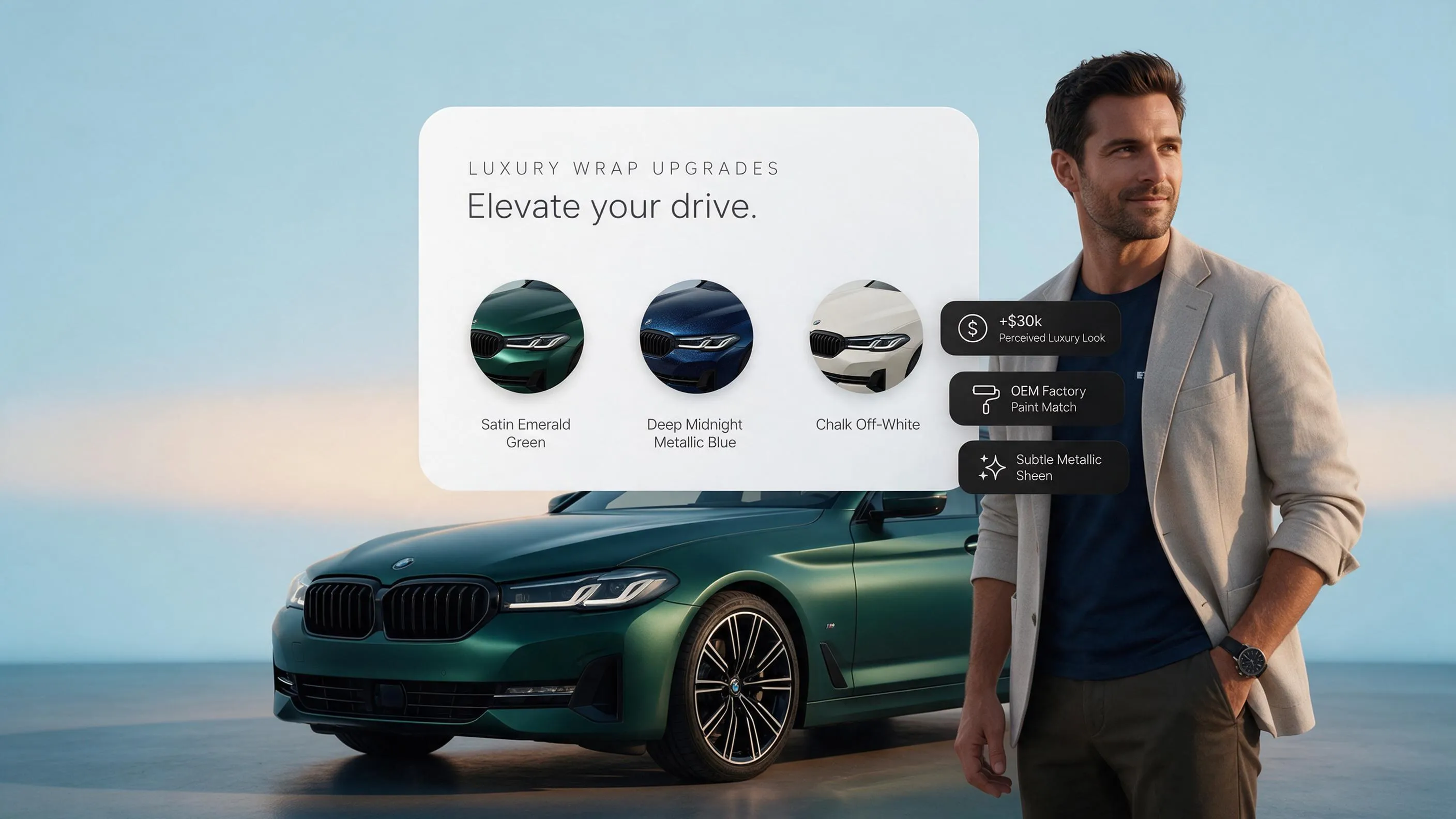
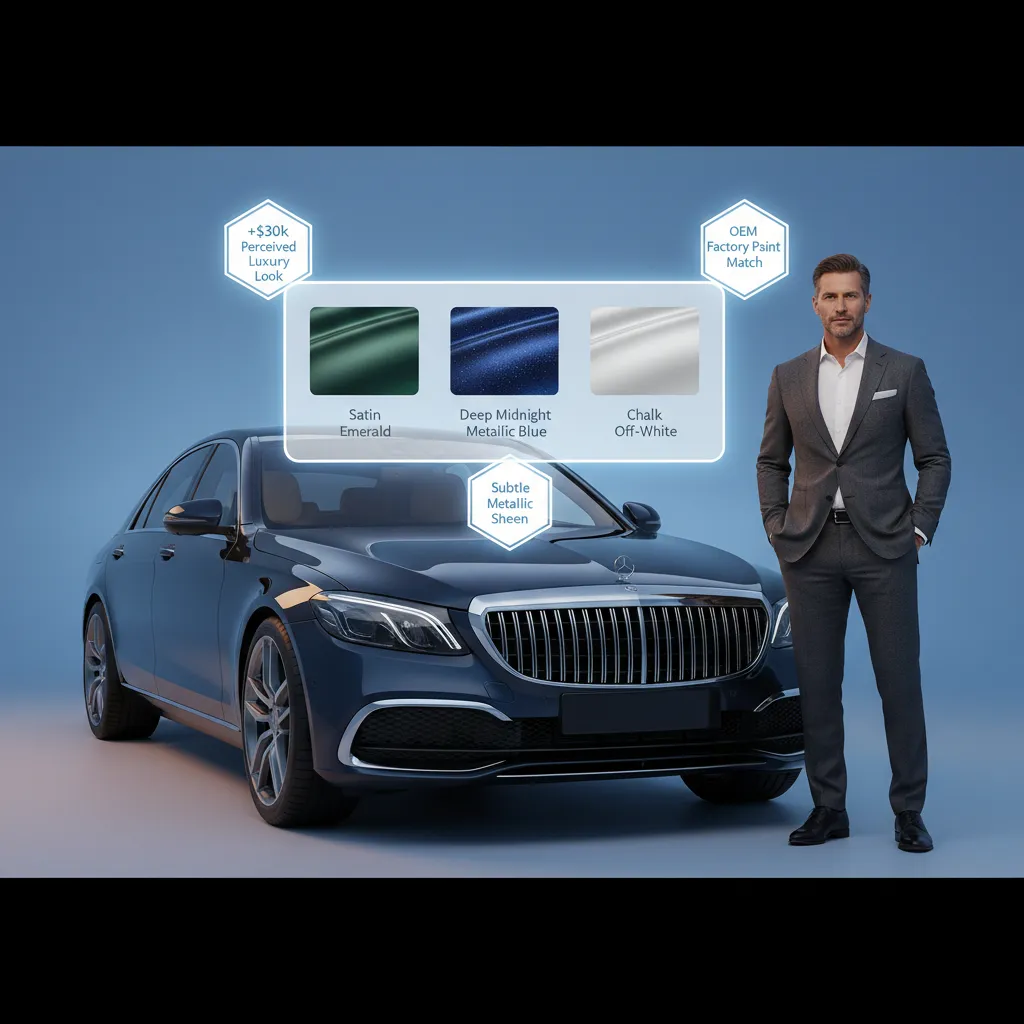
One of the biggest concerns vehicle owner have is spending thousands on a wrap they later regret. Preview different finishes on your own SUV before committing, so you can compare gloss, matte, satin, metallic, chrome, and more with confidence.
What Affects SUV Wrap Cost?
If you receive two quotes from different installers that are $1,500 apart, it usually comes down to six distinct factors:

- Overall Vehicle Size: A compact crossover uses far less material than an extended-wheelbase full-size SUV.
- Body Complexity & Moldings: Complex body lines, deep recessed channels, wide bumpers, and tall rooflines require extra heating, stretching, and precision relief cuts.
- Vinyl Material Grade: Tier-one cast vinyls from manufacturers like 3M or Avery Dennison cost more than entry-level calendered films, but offer vastly superior longevity and paint safety.
- Disassembly & Assembly Labor: A proper wrap job involves removing door handles, roof rails, taillights, and badging so edges can be tucked cleanly out of sight.
- Paint Condition & Prep: Vinyl adheres strictly to clean, smooth surfaces. If your factory clear coat is peeling, rusted, or chipped, it must be repaired first.
- Geographic Location: Wrap studios located in major metropolitan areas carry higher overhead, resulting in higher hourly labor rates.
SUV Wrap Cost by Vehicle Size
Vehicle classification directly dictates material yardage and labor hours. Here is what you can expect based on your SUV's class:
| SUV Class | Popular Models | Average Cost | Cost Driver |
|---|---|---|---|
| Compact SUV | Toyota RAV4, Honda CR-V, Mazda CX-5 | $2,500–$3,500 | Less vinyl & labor |
| Midsize SUV | BMW X5, Jeep Grand Cherokee, Ford Explorer | $3,200–$4,500 | Larger body panels |
|
Full-Size SUV
Most Expensive
|
Chevy Tahoe, Escalade, Expedition | $4,200–$6,000+ | Maximum material & labor |
| Luxury / Performance | G-Class, Urus, DBX | $4,500–$7,500+ | Complex bodywork |
SUV Wrap Cost by Finish
| Finish Type | Average Price | Appearance | Best For |
|---|---|---|---|
|
Gloss / Satin / Matte
Most Popular |
$2,800–$4,500 | Factory-style, satin, or stealth finish. | Daily drivers & SUVs |
|
Metallic / Pearl
Premium Finish |
$3,500–$5,200 | Rich depth with metallic sparkle. | Luxury & premium builds |
|
Carbon Fiber / Textured
Performance Look |
$4,500–$6,500 | 3D texture with sporty styling. | Sports & custom SUVs |
|
Chrome / Color Shift
Premium
Exotic Finish |
$6,000–$9,000+ | Mirror shine or color-changing effect. | Show cars & super SUVs |
Pro Tip: Finish selection can change your total wrap cost by more than $4,000. Preview gloss, matte, satin, metallic, and chrome before committing to an installation.
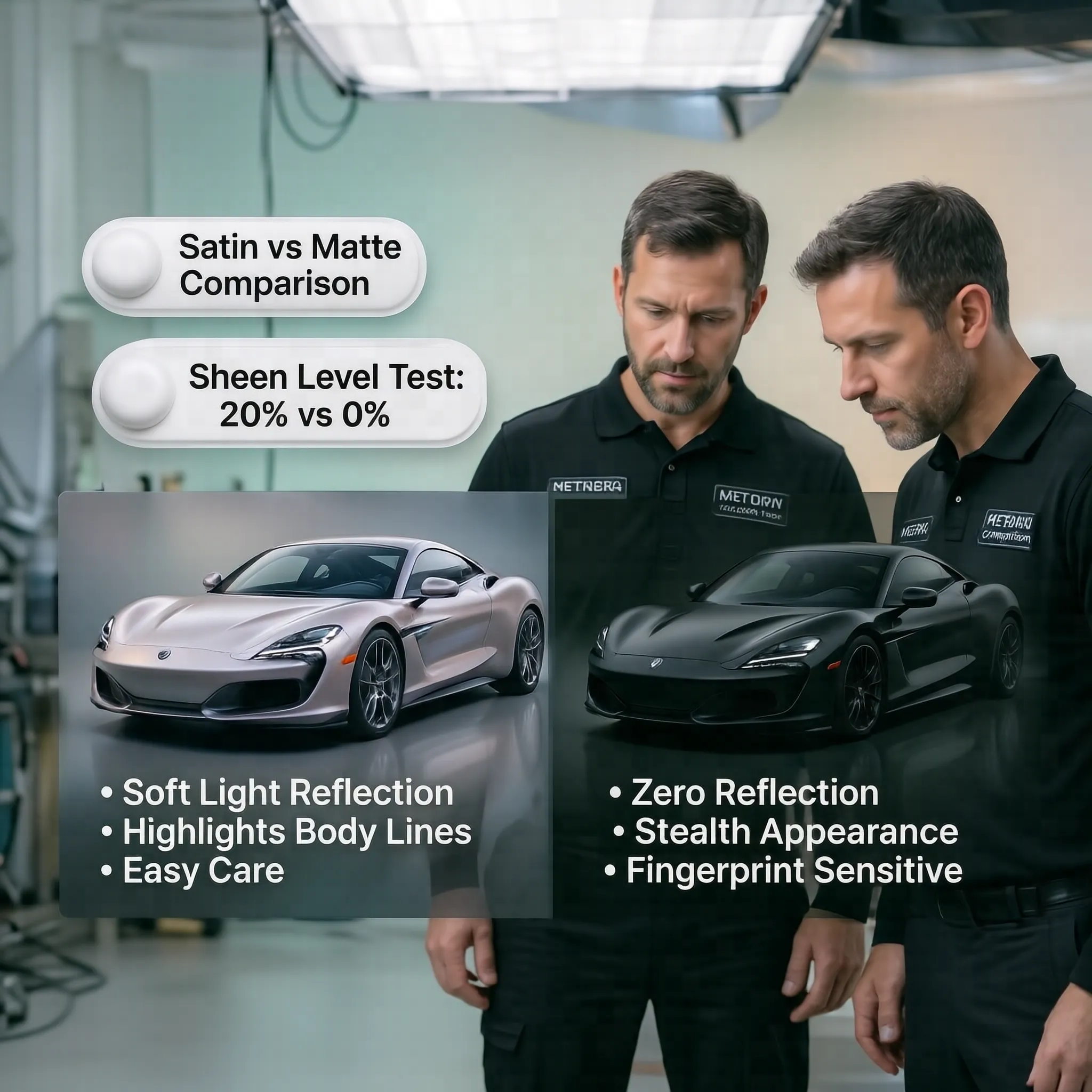
Gloss, Matte & Satin: Standard material pricing. These films are user-friendly for installer handling, keeping costs predictable. For a deeper breakdown on surface sheen choices, check out our guide on Matte vs. Gloss Wrap finishes.
Metallic & Pearl: Slightly higher material costs with light-reflecting flakes that require precise directional alignment during installation.
Custom Printed Wraps: Requires graphic design time and specialized wide-format printing/laminating before installation, typically running $3,800 to $5,500+.
Chrome & Mirror Finishes: Extremely rigid and difficult to stretch around SUV curves. Working with chrome requires master-level certification, making it the most expensive finish available.
Full Wrap vs. Partial Wrap Cost for SUVs
If a full color change exceeds your budget, partial wraps allow you to transform key body areas strategically.
Full Wrap
Complete Color Change
- ✓ 100% exterior coverage
- ✓ Completely changes vehicle color
- ✓ Maximum paint protection
- ✓ Highest resale appearance
- ✓ Installation: 3–5 days
Partial Wrap
Budget-Friendly Upgrade
- ✓ Wraps only selected panels
- ✓ Highlights roof, hood, or accents
- ✓ Lower upfront investment
- ✓ Ideal for custom styling
- ✓ Installation: About 1 day
Choose a Full Wrap If...
You want a complete color transformation and maximum paint protection.
Choose a Partial Wrap If...
You want a stylish upgrade while keeping costs lower.
To compare how coverage choices stack up across various vehicle styles, see our complete guide on Full Wrap vs. Partial Wrap options.
- Blacked-Out Roof Wrap ($350 – $750): Wrapping the roof and pillars black creates a sleek, floating-roof aesthetic popular on modern crossovers.
- Hood Wrap ($250 – $500): Adding a matte black or carbon fiber hood creates an aggressive track-inspired look while protecting high-impact front paint.
- Chrome Delete Package ($400 – $1,200): Wrapping window surrounds, grille slats, and rear trim in gloss or satin black gives your SUV a modern, stealthy appearance.
Hidden Costs Most SUV Owners Forget
When planning your wrap budget, account for potential secondary services that prevent surprise charges on your final invoice:
- Old Wrap or Decal Removal ($400 – $1,000+): If your vehicle currently has an old vinyl wrap that needs removal, shops charge hourly rates for heat removal and adhesive cleanup.
- Paint Repair & Bodywork: Vinyl cannot hide dented metal, deep scratches, or flaking clear coats. Any body repairs must be resolved prior to install.
- Custom Graphic Design Fees ($75/hr – $150/hr): Custom patterns, commercial branding, or complex printed layouts require pre-production design work.
- Post-Wrap Ceramic Coatings ($400 – $900): Adding a vinyl-safe ceramic coating shields the film against UV fading, water spots, and embedded road grime, making maintenance significantly easier.
Is Wrapping an SUV Worth the Cost?
Compared to a high-end custom paint job, wrapping an SUV offers clear financial and practical advantages:
- Lower Cost Than Quality Paint: A factory-quality paint job requires stripping the vehicle, sanding, and applying multiple clear coats—often costing $6,000 to $12,000+. Wraps achieve identical or superior visual effects for a fraction of the price.
- Preserves Original Resale Value: Unlike paint, vinyl is 100% removable. It preserves your factory clear coat beneath, keeping your vehicle's resale value intact.
- Protects Paint from Daily Wear: Vinyl acts as a sacrifices shield against minor stone chips, sun oxidation, and bird droppings. If you're weighing styling vs. heavy-duty armor, read our comparison on PPF vs. Vinyl Wrap materials.
How to Save Money on an SUV Wrap Without Sacrificing Quality
You don't need to cut corners on material quality to keep your project affordable. Follow this simple checklist to lower costs safely:
- Choose a Partial Accent Layout: A contrast roof, hood wrap, and chrome delete deliver 80% of the visual impact at 30% of the cost.
- Clean the SUV Thoroughly Before Drop-Off: Wash off heavy mud, wheel grease, and road tar to save the shop labor time during prep.
- Select Standard Stock Colors: Stick to widely produced gloss or satin stock vinyls rather than custom-printed or exotic chrome films.
- Wrap Over Sound OEM Paint: Avoid buying a vehicle with failing paint that requires extensive bodywork before wrapping.
- Work With Certified Shops: Cheap uncertified installers often overstretch film or damage paint with razor blades, resulting in costly re-wraps down the line.
Preview Your SUV Wrap Before You Spend Money
The best way to avoid buyer's remorse is seeing your color and finish choices on your specific vehicle model before vinyl is ordered.
- Test Colors & Finishes in 3D: Use a visualizer tool to toggle between matte, gloss, satin, and metallic finishes on your SUV's body panels.
- Review Real-World Mockups: Check out photos of finished builds to verify how specific colors look in real sunlight.
- Plan Your Installation: Read about typical installation timelines in our guide on how long a car wrap lasts to prepare your garage or schedule accordingly.
Get an Accurate SUV Wrap Estimate Today
Ready to transform your SUV's appearance and protect its paint?
Take the next step by exploring custom finish options, estimating your coverage needs, and reaching out to top-rated installers using our local Car Wrap Near Me studio directory to lock in an accurate estimate for your build.
Frequently Asked Questions About SUV Wrap Cost
What is the average cost to wrap an SUV?
The average cost for a full vinyl wrap on an SUV ranges from $2,500 to $6,000+. Compact crossovers start around $2,500 to $3,500, midsize SUVs range between $3,200 and $4,500, while full-size or luxury SUVs (like a Cadillac Escalade or Mercedes G-Wagon) often reach $4,200 to $7,500+.
Why does wrapping an SUV cost more than a sedan or coupe?
SUVs require 20% to 40% more material due to their extended rooflines, larger door panels, tall quarter panels, and oversized rear hatches. Additionally, tall vehicles require extra labor, specialized reach equipment, and often two installers working in tandem to apply large panels cleanly.
How long does a vinyl wrap last on an SUV?
A professionally installed wrap using tier-one vinyl (such as 3M, Avery Dennison, or KPMF) typically lasts 3 to 7 years. Lifespan depends on climate, direct sun exposure, and maintenance. Garaging the SUV and hand-washing it regularly will keep the film looking new for years longer.
Is it cheaper to wrap an SUV or repaint it?
Wrapping is significantly cheaper than a high-quality repaint. A showroom-grade, multi-stage paint job for an SUV usually costs $6,000 to $12,000+, whereas a premium wrap achieves a custom look for $3,000 to $5,000. Furthermore, wraps preserve the underlying factory paint, protecting resale value.
Will wrapping an SUV damage the original factory paint?
No. As long as your SUV has sound OEM (original equipment manufacturer) paint, vinyl wrap will not harm it. In fact, vinyl acts as a protective barrier against minor stone chips, road debris, bird droppings, and UV oxidation. When removed professionally, the original paint remains intact.
Does a matte SUV wrap cost more than a gloss wrap?
Yes, matte and satin wraps typically carry a 10% to 20% higher material cost than standard gloss vinyl due to specialized light-scattering topcoats. Additionally, installers charge slightly higher labor rates for matte applications because overstretching the film can permanently alter its flat sheen.
How much does a partial wrap cost for an SUV?
Partial wraps offer a budget-friendly option to accent your SUV:
- Blacked-Out Roof Wrap: $350 – $750
- Hood Wrap (Matte or Carbon Fiber): $250 – $500
- Chrome Delete Package: $400 – $1,200
- Side Accent Graphics: $300 – $800
How long does a shop need to keep my SUV for a wrap installation?
A proper full wrap installation takes 3 to 5 business days. This timeframe includes deep paint decontamination, surface drying, trimming/disassembly (handles, lights, roof rails), precision vinyl application, post-heating, and a final 24-hour curing inspection to prevent edge lifting.
Can I take a wrapped SUV through an automated car wash?
You should avoid brush-based automated car washes, as spinning bristles can catch vinyl edges or scratch the surface. Touchless automated washes are acceptable, but hand-washing with a pH-neutral, wrap-safe shampoo is the safest way to maintain the wrap's appearance and longevity.
What is the difference between PPF and a vinyl wrap for an SUV?
- Vinyl Wrap: Primary focus is aesthetic transformation (color changes, matte/satin/metallic finishes) with light surface protection ($2,500 – $6,000).
- Paint Protection Film (PPF): Heavy-duty, transparent polyurethane film engineered specifically for impact protection against rock chips, deep scratches, and road debris with self-healing properties ($5,000 – $8,500+).
Does wrapping an SUV affect its resale value or car insurance?
- Resale Value: Wrapping protects resale value by preserving the original factory paint beneath from fading and scratches.
- Insurance: You should inform your insurance provider after wrapping your SUV. Adding the wrap as an aftermarket modification ensures it is covered in the event of an accident or claim.
How can I save money on an SUV wrap without sacrificing quality?
To keep costs down while maintaining professional standards:
- Choose a Partial Accent Layout: A contrast roof, hood wrap, and chrome delete give a custom look for under $1,500.
- Stick to Standard Stock Colors: Avoid ultra-exotic chrome or custom-printed films.
- Drop Off a Clean Vehicle: Wash heavy mud and grease off your SUV beforehand to save the installer labor prep time.
- Choose Certified Installers: Uncertified cheap shops often overstretch material or cut paint with razor blades, leading to costly fixes later.