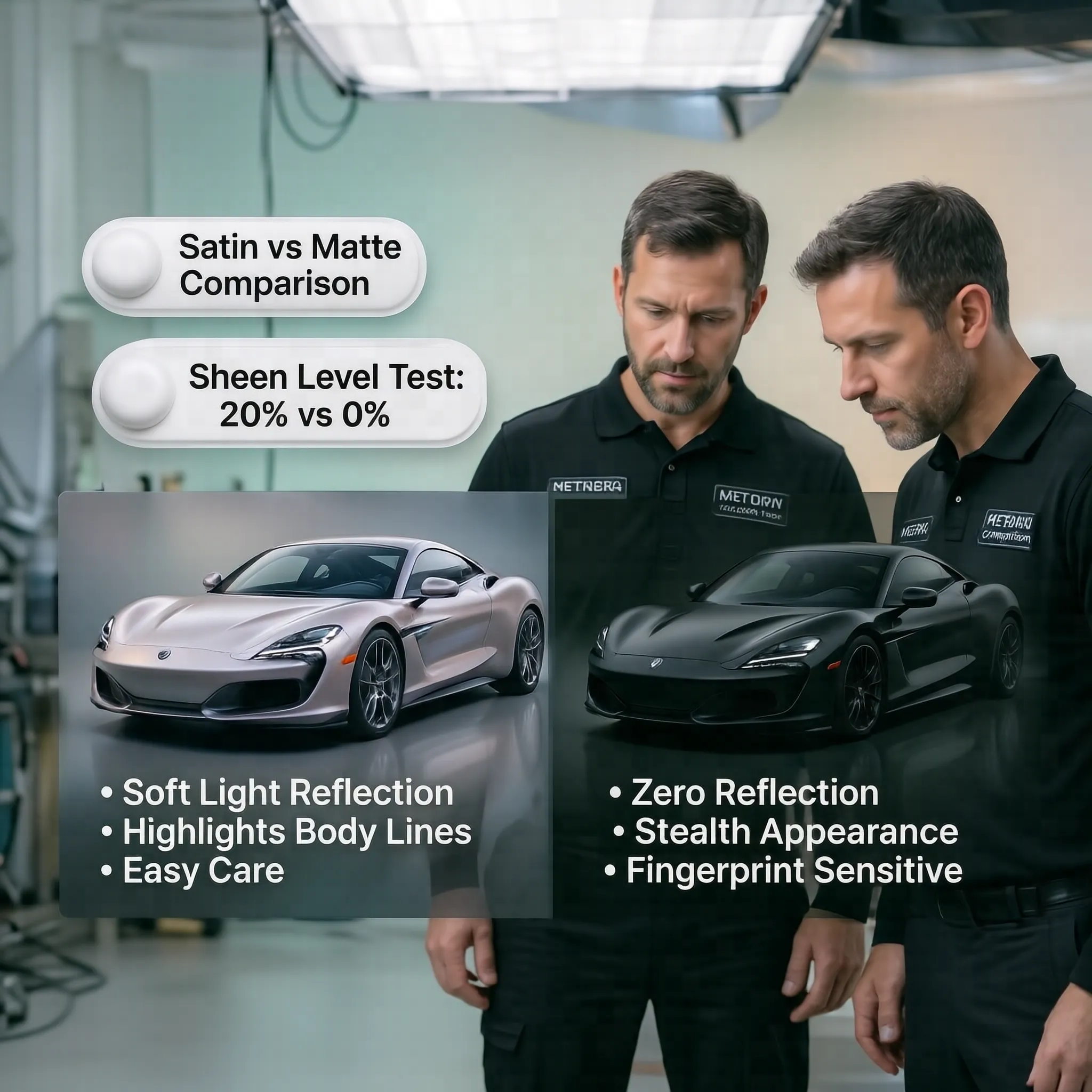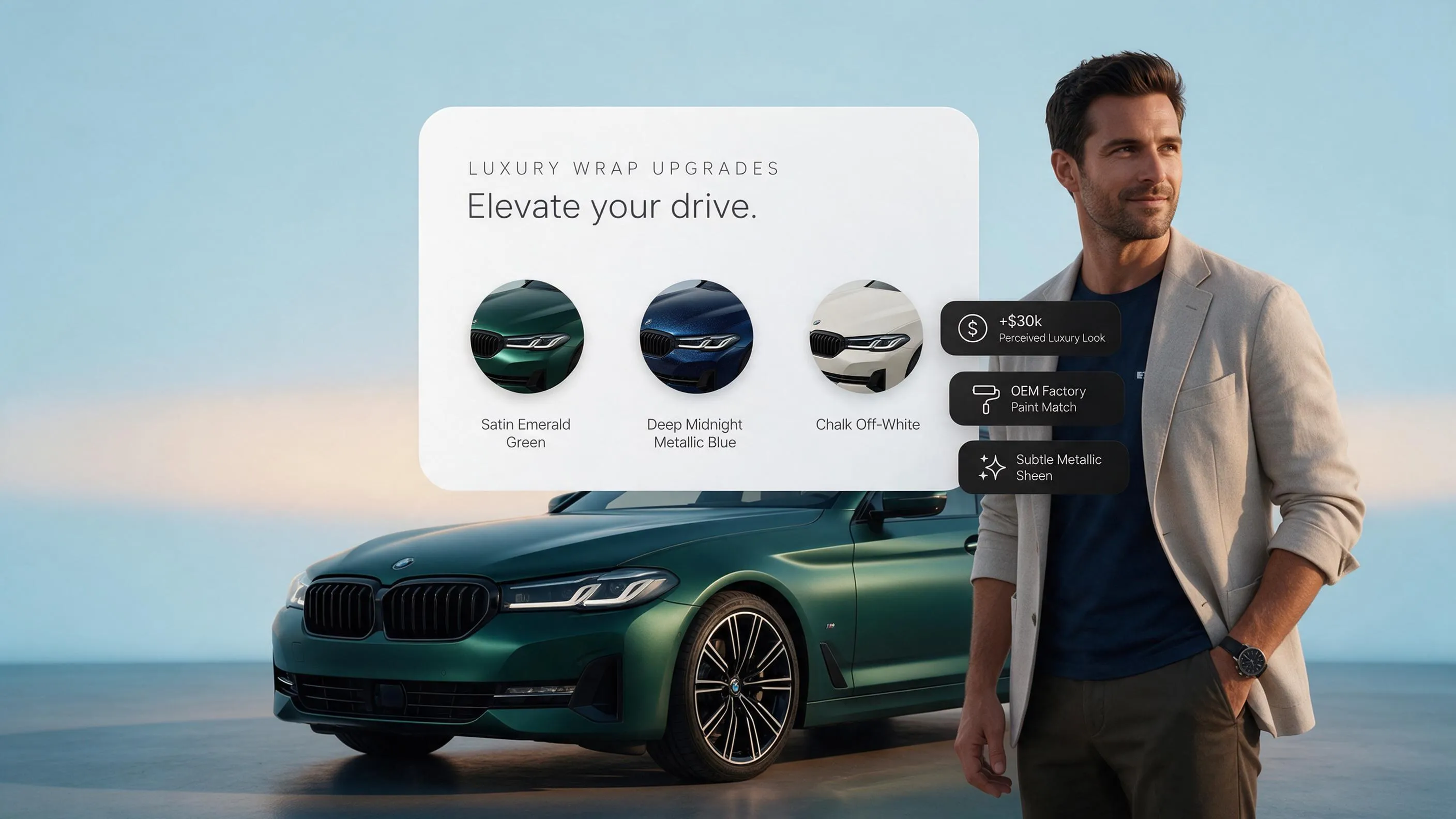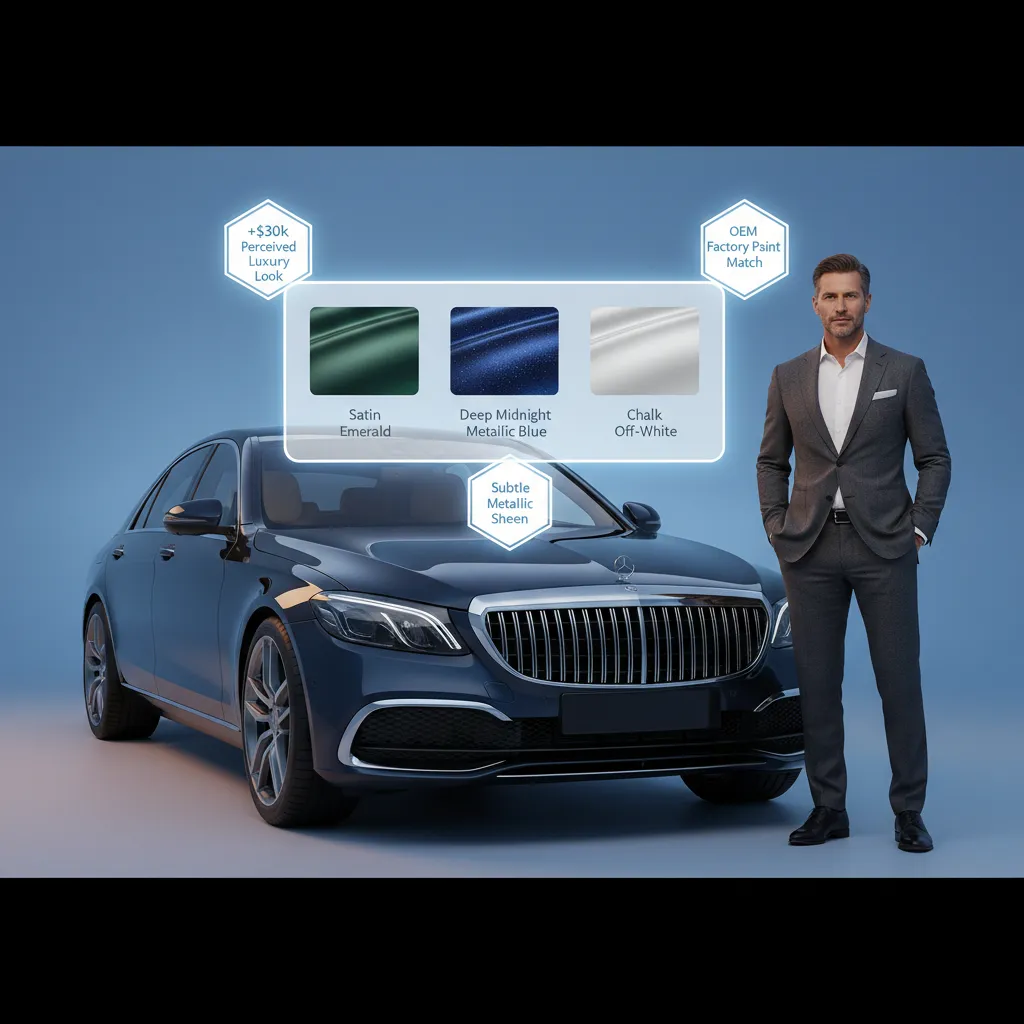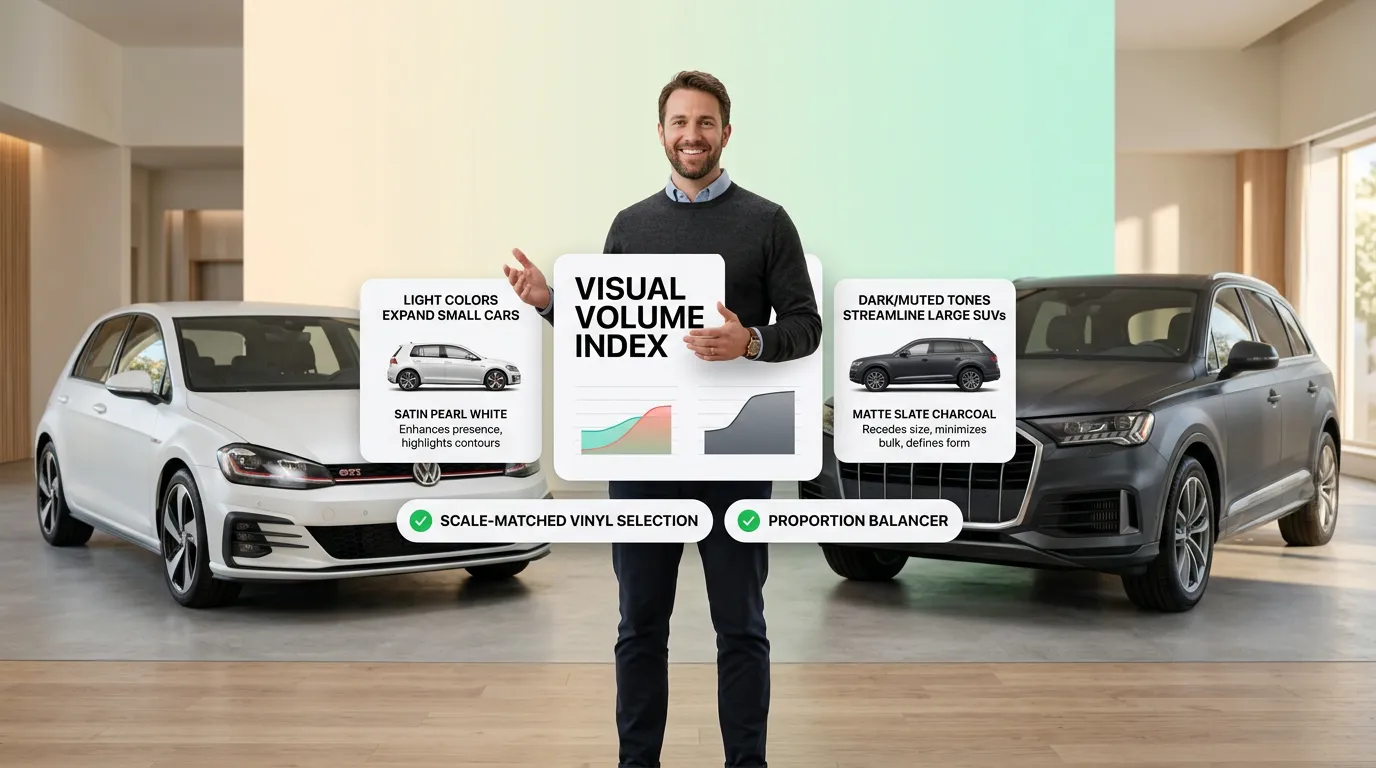
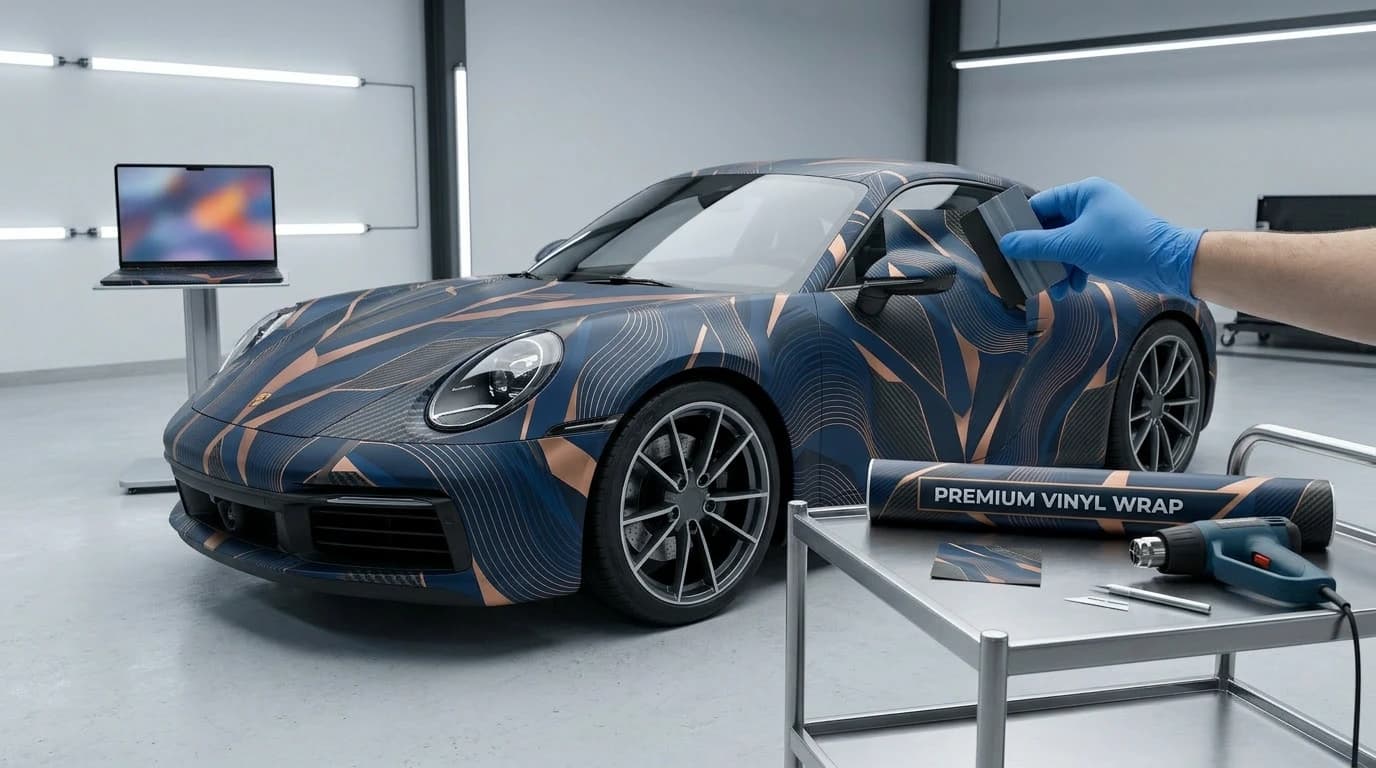
light-catching satin finish or a deep metallic hue that completely redefines the physical lines of your machine.But the moment you stand in front of a raw, unyielding 60-foot roll of film with a utility blade in your hand, you hit a massivecreative wall.
The gap between an immaculate, paint-like finish and a compromised, bubbling disaster comes down to understanding the exact physical laws of the material. This is your master vehicle wrap installation manual—a deep architectural breakdown designed to take you from a blank canvas to a flawless finish, powered by the ultimate pre-visualization technology.
What Is a vehicle wrap?
At its core, a car wrap installation utilizes a multi-layered premium vinyl film applied directly over the factory paintwork of a vehicle. To ensure absolute longevity, high-end applications reject cheap calendered films in favor of premium cast vinyl wrap materials.
Cast vinyl starts as a liquid state and is baked into an incredibly thin, dimensionally stable sheet (typically 2 to 3 mils thick). This chemical engineering allows the film to conform beautifully to complex body lines, extreme recesses, and sharp corners without shrinking, peeling, or lifting over time. Beyond pure visual status, the vinyl matrix acts as a sacrificial shield, sealing your factory paint away from UV degradation, minor road debris, and environmental fallout.
Can You Wrap a Car Yourself?
Yes, you can execute a clean install yourself, but you must first acknowledge the steep technical barrier involved. Wrapping is not a mechanical checklist; it is a discipline driven entirely by tactile feel, temperature control, and extreme patience.
While the basic action of sticking vinyl to a flat sheet of metal appears straightforward, handling highly contoured bumpers or deep door recesses without creating wrinkles requires serious practice. If you choose the self-installation path, treat it as an elite skill to be mastered over days, rather than a quick weekend upgrade.
Eliminate the Guesswork: DIY vs. Professional Installation
Deciding whether to take on a DIY car wrap or hire a high-end restyling studio comes down to balancing your personal labor against your tolerance for installation errors.
A vehicle wrapped by your own hands carries immense personal equity. You value the final aesthetic significantly higher because you personally conquered the physical friction of the installation. But who really wins in the DIY vs. Professional Installation debate? If you want a deeper dive into the costs, time commitment, quality differences, and long-term results, explore our complete DIY vs. Professional Installation guide for a clearer understanding before making your decision
The Ultimate Visual Solution Car Wrap AI
To completely eliminate the traditional anxiety of this choice, creators use our Car Wrap AI intelligence system before buying a single roll of film. Instead of guessing from a tiny 2-inch plastic swatch, you can upload a clear image of your actual vehicle to unlock a full, infinite canvas of your dream design.
An AI-powered visualization system generates unlimited car wrap variations instantly. Explore, test, and compare bold concepts side-by-side before committing to a final design or installation.

When evaluating a long-term identity shift, many vehicle owners compare a car wrap vs paint. Using an AI-powered car wrap visualization system, you can upload a photo of your vehicle and instantly compare the visual depth of a custom paint finish with the appearance of a removable cast vinyl wrap before making a decision.An example of a Mercedes-AMG GTR Pro wrap with AI.
Tools Needed for Car Wrapping
To successfully bypass installation friction, you must equip your workspace with professional-grade car wrapping tools. Attempting a raw transformation with standard household hardware guarantees a flawed result.

- Our Car Wrap AI Intelligence System: The mandatory Phase 0 tool. Upload your photo to test layouts, map material grain direction, and finalize your color choices digitally to prevent ordering the wrong material.
- Best Vinyl Wrap for Beginners: Select an elite cast film featuring built-in micro-recessed air-release channels and a low initial tack profile. This allows you to reposition the sheet easily until firm pressure is applied.
- Car Wrap Squeegee: Your primary tool for air evacuation. Must be equipped with a soft, pristine felt buffer edge to eliminate micro-scratches on gloss or matte film faces.
- Heat Gun for Vinyl Wrap: Essential for softening the vinyl matrix during stretching and permanently resetting the material's memory during post-heating.
- Precision 30-Degree Snap Blades: Crucial for executing clean trims along tight body seams without snagging or tearing the film.
Knifeless Tape: A high-tensile filament applied to the car panels before the vinyl. It cuts the film cleanly from underneath, completely removing the risk of slicing into your vehicle's factory clear coat.
Isopropyl Alcohol (70%+): The baseline chemical required to strip surface oils, gloss enhancers, and hidden contaminants from the paint system.
Preparing Your Vehicle
Surface preparation dictates 90% of your wrap’s ultimate durability. Any microscopic dust, residual wax, or road grime left on the paintwork will compromise the adhesive system, directly causing premature lifting and edge failure.

- Step 1: The Stripping Wash: Wash the vehicle thoroughly with a wax-free strip soap to eliminate road grease and oils.
- Step 2: The Clay Bar Polish: Run a detailing clay bar across every painted panel. The paint must feel completely smooth—like glass—to remove embedded atmospheric fallout.
Step 3: Strategic Disassembly: Remove the door handles, side mirrors, headlights, and taillights. Wrapping beneath these mechanical components rather than merely trimming around them is the exact line that separates an amateur effort from a professional look.
Step 4: The Edge Flush: Complete a meticulous final wipe-down using pure Isopropyl Alcohol inside all body gaps, weatherstripping channels, and inner wheel arches.
Step-by-Step Car Wrap Installation Process
Approach the vehicle panel by panel. Establish your physical rhythm on flat, forgiving surfaces (like the roof or hood) before attempting complex body lines.
[ Panel Measurement ] ──► [ Direct Sheet Glassing ] ──► [ Air Evacuation ] ──► [ Edge Setting ]
- Step 1: Measure and Rough Cut: Measure the target panel carefully. Cut a section from your roll that provides an extra 3 to 4 inches of excess material on all edges. Running short near an edge while stretching will ruin the entire panel.

- Step 2: Position and Tack: Peel away the protective backing paper. Hold the vinyl sheet completely taut above the panel, keeping it suspended. Lower it gently onto the center of the clean metal. The air-release matrix keeps the film from bonding permanently until you apply firm pressure, allowing you to lift and reposition the layout as needed.

- Step 3: Glassing the Panel: Pull the vinyl outward from opposite corners using uniform, balanced physical tension. Watch the surface wrinkles flatten out completely until you are left with a smooth, mirror-like sheet floating right over the panel body. This step is the foundational secret of a successful car wrapping tutorial.
- Step 4: Squeegee Execution: Using your felt-edged squeegee, execute overlapping strokes at a precise 45-degree angle, working systematically from the center anchor line outward. Your path must act like a continuous wave, smoothly pushing trapped air out through the microscopic release channels embedded within the adhesive layer.
- Step 5: Trim and Tuck: Ultilize Knifeless Tape along your body seams to cut clean lines from beneath the film. If using a physical blade, maintain a shallow angle along the panel gaps. Leave exactly 1/8 inch of excess material to tuck softly behind the panel lips for total paint coverage.
How to Wrap Curved Surfaces
Aggressive modern contours—like flared wheel arches, side mirrors, and deep bumper recesses—introduce immense physical tension into a flat sheet of vinyl.
The Golden Rule of Curves: Never force the vinyl into a deep recess or over a sharp curve using heat alone. Overheating and overstretching thins the adhesive backing, distorts the pigment matrix, and causes the film to whiten or fail down the road.
Instead, distribute the material stretch across a larger, flatter area of the panel before it meets the curve. This is called feeding the vinyl.
Use your heat gun gently to warm the material away from the zone of highest tension, bringing it to roughly 40°C to 50°C to make it compliant. Relax the film smoothly over the contour, using a microfiber application glove to form the vinyl naturally into the shape. If tension accumulates at the edges, execute strategic relief cuts outside your final finish line to let the gathered material relax completely.
Common Car Wrapping Mistakes
Conquering the technical barrier requires you to anticipate exactly where an installation faces structural risk. Use these car wrap tips for beginners to protect your material

- Overstretching the Edges: Pulling the vinyl tight right at the very lip of a panel guarantees it will shrink, pull back, and peel away after a few thermal cycles in the sun. Edges must always remain relaxed.
- Improper Blade Depth: Cutting too aggressively slices directly through the clear coat of the underlying paint. Always deploy knifeless tape for intricate body lines and seams
- Neglecting the Post-Heat Protocol: This is the most common cause of vinyl wrap installation problems. Once a panel is laid, pass over all stretched areas and recesses with a heat gun while tracking an infrared thermometer. Bring the material temperature to exactly 90°C to 95°C. This high heat completely breaks the vinyl's original flat memory, permanently forcing it to accept the new shape of your vehicle.
- Wrapping Over Clear Coat Failure: Vinyl will not hide deep stone chips, rust, or peeling clear coat. It acts as a magnifier for surface flaws, and the adhesive system will lift loose paint away upon eventual removal.
Full Wrap vs. Partial Wrap
The absolute scope of your transformation dictates both your overall material footprint and the total vehicle wrap cost. Before buying materials, toggle these exact options inside our intelligence system to preview the contrast configurations instantly:
- Full Wrap: Every visible exterior painted surface is masked by vinyl. This delivers a complete color transformation and total protection across the entire body asset. It demands a complete breakdown of vehicle components and absolute consistency in execution across every single panel.

Partial Wrap: Focuses on selected, strategic areas of the car—such as a contrasting gloss black roof, a carbon fiber hood accent, or targeted commercial layout graphics along the doors. Partial options utilize your existing factory paint color as a functional backdrop, drastically reducing your initial material overhead and cutting down configuration time.
How Professionals Install Wraps
Elite restyling facilities operate under clinical protocols to achieve a finish that looks indistinguishable from factory paint.
Professionals maintain a strictly climate-controlled workspace, keeping temperatures locked between 20°C and 23°C. This prevents the vinyl from becoming brittle when cold or overly aggressive when hot.
Additionally, expert installers plan their builds using high-fidelity rendering intelligence networks. They map out the continuous direction of specialized directional films (like brushed metals or satins) to ensure the grain patterns match flawlessly across adjacent panels. Finally, they execute a mandatory, surgical post-heating sequence to completely erase the film's structural memory, guaranteeing the wrap survives extreme weather conditions without edge contraction.
Car Wrap Maintenance
To safeguard your design asset and prolong the life of your cast film, implement a strict care routine to eliminate atmospheric deterioration:
- Hand Wash Only: Completely avoid automated car washes that use mechanical nylon brushes, which introduce deep micro-scratches to matte and gloss film faces. Use a premium, pH-neutral automotive shampoo.
- Pressure Washer Distances: Keep your pressure nozzle at least 12 inches away from all exposed vinyl seams and operate strictly below 2,000 PSI to eliminate the risk of edge lifting
- UV and Sun Protection: Park your vehicle inside a garage or use a breathable car cover whenever possible. Extended, unshielded solar radiation degrades the polymer matrix over time, fading the pigments.
- Dedicated Aftercare Barriers: Apply specialized ceramic coatings formulated specifically for vinyl wrap to seal the porous surface face against road tar, bird droppings, and industrial fallout.

Frequently Asked Questions
Will a vinyl wrap damage my factory paint?
No. Provided your car features a factory-cured OEM paint system, high-quality cast vinyl will actually protect the clear coat from natural wear. However, if a body panel has been poorly repainted or has pre-existing clear coat failure, the adhesive can pull loose paint off upon removal.
How long does a vehicle wrap typically last?
A professionally installed premium wrap lasts between 5 to 7 years if properly maintained. Matte and heavily textured finishes degrade slightly faster than gloss surfaces due to the porous nature of the film face, which captures more environmental contaminants.
Can I Visualize a Truck Wrap?
Mastering the art of automotive restyling bridges the gap between clean engineering and personal identity. While the technical execution demands precision, controlled environments, and a deep respect for material physics, breaking past that initial creative wall yields a custom, head-turning aesthetic that safeguards your underlying vehicle asset.
Stop guessing and start executing. Upload your car or any vehicle image to our Car Wrap AI intelligence system, unlock unlimited visual variations, and discover the exact look your vehicle was truly destined to command.