
You walk up to your car, and there it is: a nasty key scratch down the door, or a cluster of ugly stone chips across the hood.
It is tempting to think, "Can’t I just wrap over this and pretend it never happened?"
The short answer is yes, you can wrap a car with scratches—but a wrap will not magically erase texture.
Vinyl film acts like a tight second skin over your vehicle. While a fresh color hides faded paint, it conforms to the surface underneath.
Here is how to figure out if your scratches can be wrapped as-is, or if they need quick prep work first.

Which Scratches Can a Car Wrap Cover?
Not all scratches are created equal. Whether a wrap hides or highlights damage comes down to depth:
| [Clear Coat Micro-Swirls] | ---> Wrap Covers Completely | ---> Invisible Under Film |
| [Deep Fingernail Gouges] | ---> Wrap Hugs the Ridge | ---> Indentation Shows Through |
- Light Swirls & Clear-Coat Scratches: Fine lines from automatic car washes or light brush rubs disappear completely under a new vinyl wrap over scratches.
- Shallow Surface Scratches: Scratches that haven't broken through the primer can be wrapped cleanly, especially if you choose a matte, satin, or heavily textured finish.
- Deep Paint Gouges: If a scratch catches your fingernail, the wrap will sink into the groove, leaving a visible line on the surface.
If you are evaluating whether to wrap a scratched car, review our core breakdown on what a car wrap is and how it adheres to paint.
When Scratches Are Too Deep for a Wrap
When damage goes beyond the clear coat and cuts into the primer or bare metal, applying film directly creates serious risks.
| [Deep Gouge to Primer] | ---> Air Pocket Trapped Under Film | ---> Edge Lifts & Peels |
| [Exposed Bare Metal] | ---> Rust Grows Beneath Vinyl | ---> Paint System Fails |
- Trapped Air Pockets: Vinyl cannot seal flush over sharp crater edges, creating micro-air pockets that cause film to lift over time.
- Hidden Rust Expansion: If moisture gets trapped inside an unsealed scratch, rust will continue to eat away at your panel underneath the film.
Addressing deep scratches before a car wrap prevents catastrophic film failure down the road. Explore common prep risks in our guide on car wrap pros and cons.

Surface Damage vs. Normal Scratches: Why It Matters
Installers care about surface integrity far more than cosmetic flaws.
A smooth scratch with stable edges is easy to work with. Flaking clear coat, oxidized chalky paint, or bubbling rust is an installation nightmare.
When scratches under a car wrap have loose edges, the vinyl's strong adhesive will grab those weak flakes. When you remove the film years later, it will pull the surrounding paint right off the panel.
Check whether your factory clear coat is healthy enough for film in our guide on whether wrapping a car ruins paint.
Will a Vinyl Wrap Hide Scratches Completely?
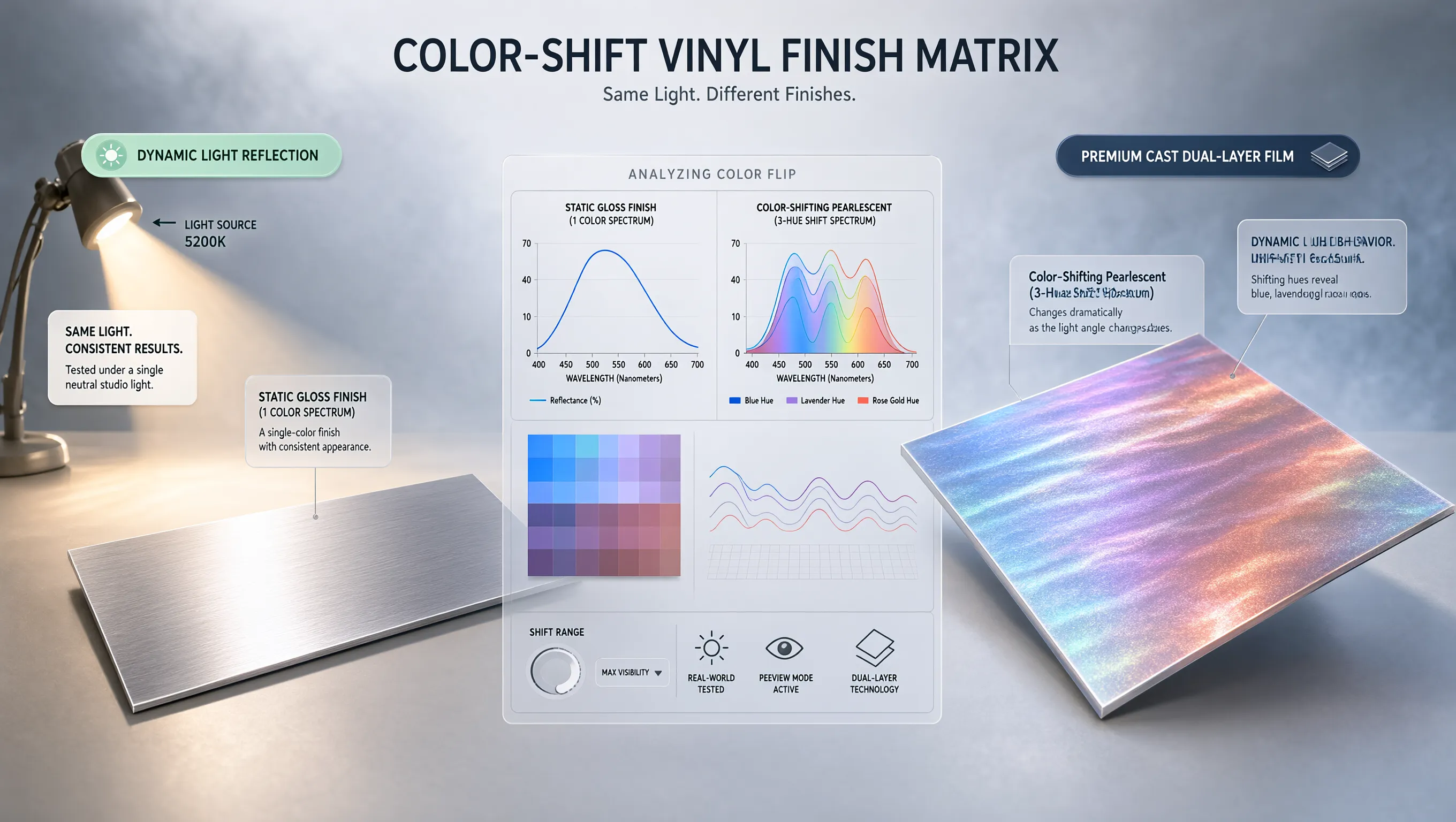
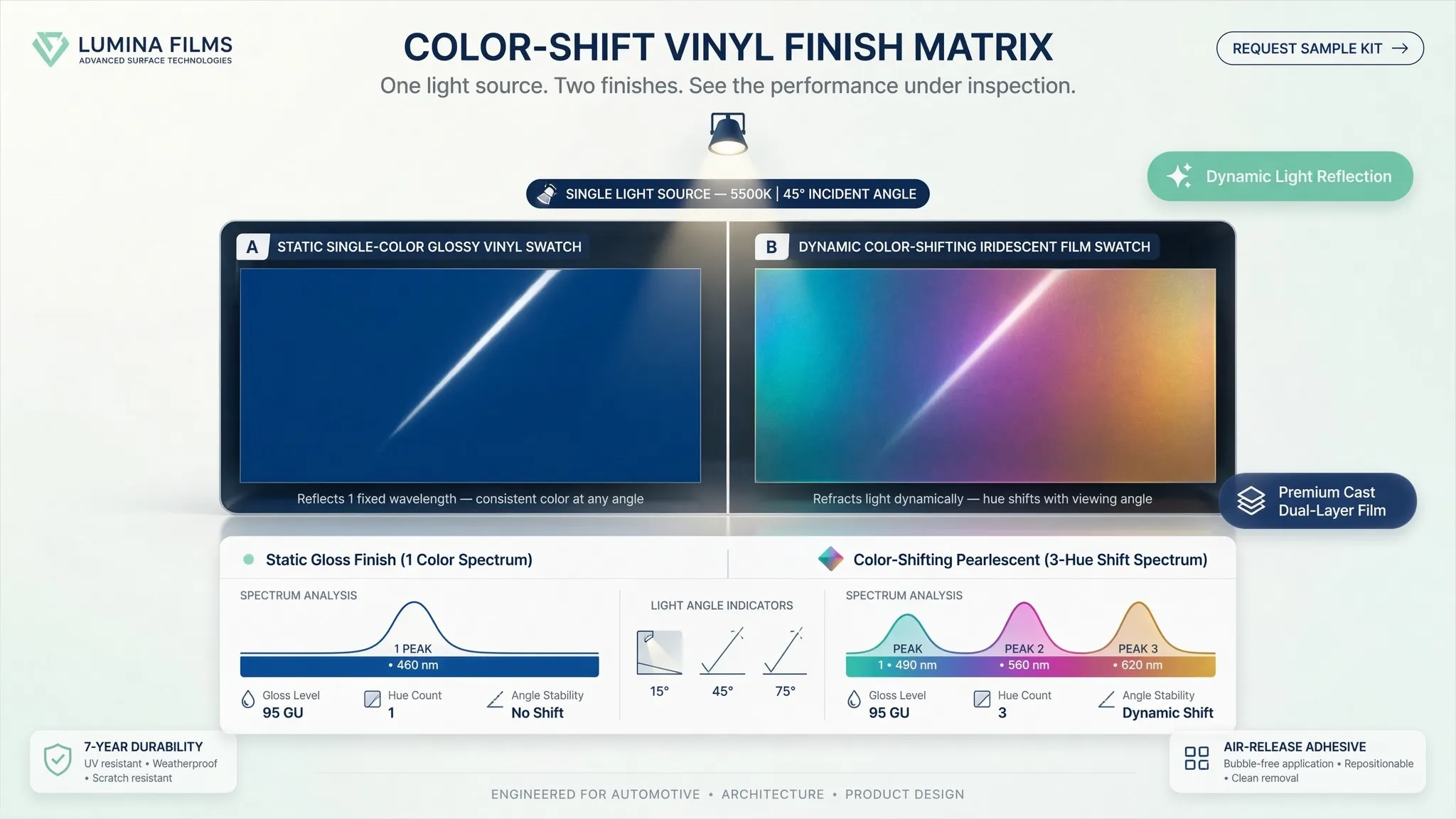
How much surface damage stays visible depends heavily on the wrap finish you choose:
| Wrap Finish | Ability to Hide Imperfections | Visual Effect over Scratches |
|---|---|---|
| High-Gloss Finish | Low | Reflects direct light, highlighting underlying grooves |
| Matte Finish | Medium | Absorbs light glare, smoothing out minor clear coat flaws |
| Satin Finish | High | Diffuses light reflections across panel contours |
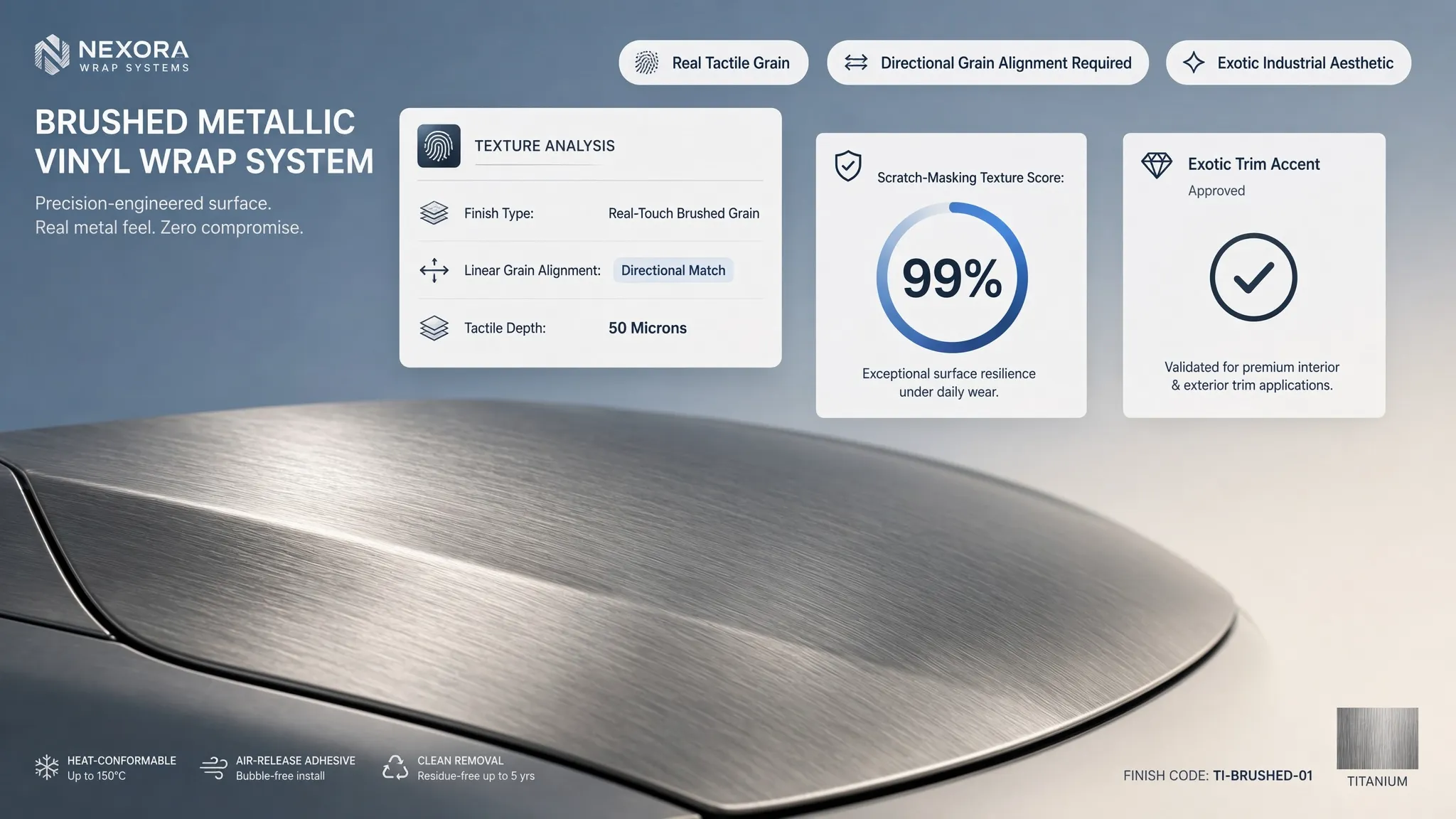
| Textured / Carbon Film | Highest | Heavy visual patterns mask minor surface texture |
Choosing a satin or textured car wrap over scratches is the smartest way to minimize underlying flaws without expensive bodywork. Compare surface reflections in our detailed breakdown of matte vs gloss wrap finishes.
What Happens If You Wrap Over Peeling or Chipped Paint?
Attempting to apply a car wrap over damaged paint that is already peeling is a recipe for disaster.
| [Peeling Clear Coat] + [Vinyl Adhesive] | ---> Film Lifts Immediately |
| [Flaking Factory Paint] + [Film Removal] | ---> Strips Paint to Bare Metal |
Vinyl requires a structurally sound foundation. If the factory clear coat is flaking away, the wrap will pull up from the panel as soon as the material expands in the summer heat.
Always feather-sand peeling areas down to smooth paint before booking an installation.

Should You Repair Scratches Before Wrapping?
You don't need a $2,000 showroom paint job to prep a car for wrapping.
Because the wrap will cover the color, you only need to fix the texture, not the paint color match.
| [Sanding & Feathering] | ---> Fills Groove Flat | ---> Smooth Wrap Surface |
| [Primer Sealer Layer] | ---> Seals Bare Metal | ---> Prevents Rust Under Film |
- Feather-Sanding: Lightly sanding down sharp gouge edges creates a smooth transition for the vinyl.
- Body Filler (Bondo): Filling deep grooves levels the panel completely so the wrap lays down flat.
Learn how simple panel prep keeps project costs down in our guide to car wrap preparation and installation steps.
How Much Can Scratch Repair Add to the Wrap Project?
If your shop needs to perform light body prep before laying down vinyl, expect minor additions to your final bill:
- Minor Spot Sanding & Feathering: $50 – $150 per panel.
- Deep Scratch Filling & Priming: $150 – $300 per panel.
- Full Panel Clear-Coat Stripping: $300 – $600+ for severe peeling.
Factoring minor prep into your car wrap repair cost prevents surprise bills on install day. Calculate overall project costs using our car wrap cost calculator.
Can a Wrap Protect a Car After Scratch Repair?
Once you have filled and sealed deep scratches, applying a vinyl wrap for paint protection locks the panel in a protective vault.
The vinyl layer shields your newly prepped surface from:
- Fresh rock chips and highway gravel impact.
- Harsh UV rays that oxidize exposed primer.
- Salt, road chemicals, and acidic bird droppings.
To weigh restyling film against thick stone armor, explore our guide on color vinyl wraps vs paint protection film (PPF).
How to Check Your Car Before Booking a Wrap
Run through this quick 4-step inspection before contacting a wrap shop:
- 1 The Fingernail Test: Run your nail across every scratch. If it glides over, you are good to go. If it catches, it needs sanding.
- 2 The Flake Check: Inspect rock chips on your hood for peeling clear-coat edges.
- 3 The Rust Audit: Ensure no bare metal is exposed to air or showing orange corrosion.
- 4 The Smoothness Feel: Run your bare hand over the panel to identify raised bumps or deep craters.
Calculate material requirements for your chassis size with our vinyl wrap roll length calculator or measure total coverage with our car wrap square footage tool.
See How a New Wrap Could Look on Your Scratched Car
Don't let minor surface scratches stop you from building a vehicle you love driving every day.
Visualizing your car in a bold new shade or a sleek satin finish helps you decide whether quick spot-sanding is worth the effort before booking your install.
Read why 3D AI wrap previews outperform static Photoshop templates when planning a build.
Upload Your Car and Preview a New Wrap
Why guess how a wrap will look over your current vehicle when you can see it right now?
Test different colors, compare satin and gloss finishes, and plan your custom look before spending a dollar on body prep.

- Preview finishes directly on realistic chassis models using our interactive vehicle wrap customizer.
- Estimate material investment with our car wrap material cost calculator.
- Explore real community transformations in our project showcase gallery.
- Locate certified installers nearby using our wrap shop locator.
Frequently Asked Questions About Wrapping a Scratched Car
1. Will a vinyl wrap completely hide deep scratches on my car?
A vinyl wrap changes the color of your car, but it does not add thickness to fill in physical grooves. Light clear-coat swirls and hairline scratches disappear completely. However, if a scratch is deep enough to catch your fingernail, the thin vinyl film will conform to the groove, leaving a visible line on the surface.
To understand how vinyl film conforms to factory panels, check out our guide on how vinyl film bonds to your vehicle.
2. What happens if you apply a car wrap over peeling clear coat?
Wrapping over peeling or flaking paint is a recipe for film failure. The adhesive on automotive vinyl is extremely strong; if the underlying clear coat is already loose, the wrap will pull up from the panel as the material expands in the heat. Furthermore, when the wrap is eventually removed, it will strip the surrounding paint down to the primer or bare metal.
Learn how healthy factory paint reacts to vinyl in our breakdown on whether wrapping ruins factory clear coat.
3. Do I need to repaint my car before wrapping over deep scratches?
No. You do not need to pay for an expensive paint job or color-matched respray. You only need to fix the surface texture. A wrap shop or body technician can simply feather-sand the sharp edges of the scratch or use a light body filler (Bondo) to make the panel completely flat before laying down the vinyl.
Review essential prep and sanding steps in our complete vehicle wrap installation guide.
4. Which wrap finish is best at disguising minor underlying paint imperfections?
Satin, matte, and textured films (like carbon fiber or brushed metal) are the best at hiding minor surface flaws. Because they diffuse or absorb light rather than reflecting it like a mirror, subtle texture differences underneath become much harder for the eye to spot. High-gloss films reflect direct light and tend to highlight underlying grooves.
Compare reflections side-by-side in our detailed guide on matte vs gloss wrap finishes.
5. Can I wrap over a scratch that goes down to bare metal?
You should never wrap directly over bare metal or exposed rust. If moisture gets trapped beneath the unsealed vinyl film, oxidation will continue to spread unseen, eating away at your body panel. Bare metal scratches must be sanded, treated with rust inhibitor, and sealed with a spot primer before applying wrap film.
Evaluate repair risks and installation options in our guide to DIY vs professional wrap prep.
6. How much extra does spot-sanding scratches add to a professional wrap quote?
Minor spot prep is relatively inexpensive compared to bodywork. Feather-sanding and prepping a few small scratches typically adds $50 to $150 per panel to your total installation cost. Deep gouge filling or fixing large areas of peeling clear coat can range from $150 to $300+ per panel.
Estimate your total project investment using our real-time car wrap cost calculator or break down shop fees with our car wrap labor cost calculator.
7. How can I perform a quick DIY check to see if my scratches need repair?
Use the Fingernail Test: drag your nail gently across the scratch.
- If your nail glides smoothly over: The scratch is in the clear coat and the wrap will cover it cleanly without prep.
- If your nail catches or drops into a groove: The scratch will telegraph through the vinyl and should be sanded smooth first.
Calculate total material requirements for your vehicle size using our vinyl wrap roll length calculator or measure surface coverage with our car wrap square footage calculator.
8. Will a vinyl wrap prevent new scratches from reaching my paint in the future?
Yes. Once installed, the vinyl film acts as a protective sacrificial layer. Daily highway dust, light key rubs, wash swirls, and minor road debris strike the vinyl film rather than your factory clear coat.
To compare restyling wraps against heavy-duty impact armor, read our comparison on color vinyl wraps vs paint protection film (PPF).
9. Can I wrap just a single damaged panel instead of the whole car?
Absolutely. If you have severe scratches isolated to a hood, roof, or fender, you can opt for a partial accent wrap (such as a gloss black or carbon fiber roof/hood wrap). This covers the damaged area stylishly without paying for a full-body color change.
Explore partial setup ideas in our overview of full-body vs partial wrap installations or check out custom options in our custom hood wrap pricing guide.
10. How can I preview how a wrap will look on my car before fixing the scratches?
Rather than trying to visualize the final outcome, use 3D preview tools to see how different colors, sheens, and finishes transform your specific body style under realistic lighting conditions.
Discover why 3D AI wrap previews beat static Photoshop templates. Then, test custom colors directly on realistic chassis models using our interactive vehicle wrap customizer, explore real community builds in our project showcase gallery, or connect with local certified shops using our certified wrap shop locator.