
You step out into the driveway, glance at your door, and there it is.
An annoying parking lot dink staring right back at you.
It makes you wonder: "Can I just throw a fresh vinyl wrap over this and make it disappear?"
Here is the bottom line: Yes, you can wrap a car with dents—but the wrap won't make the dent vanish.
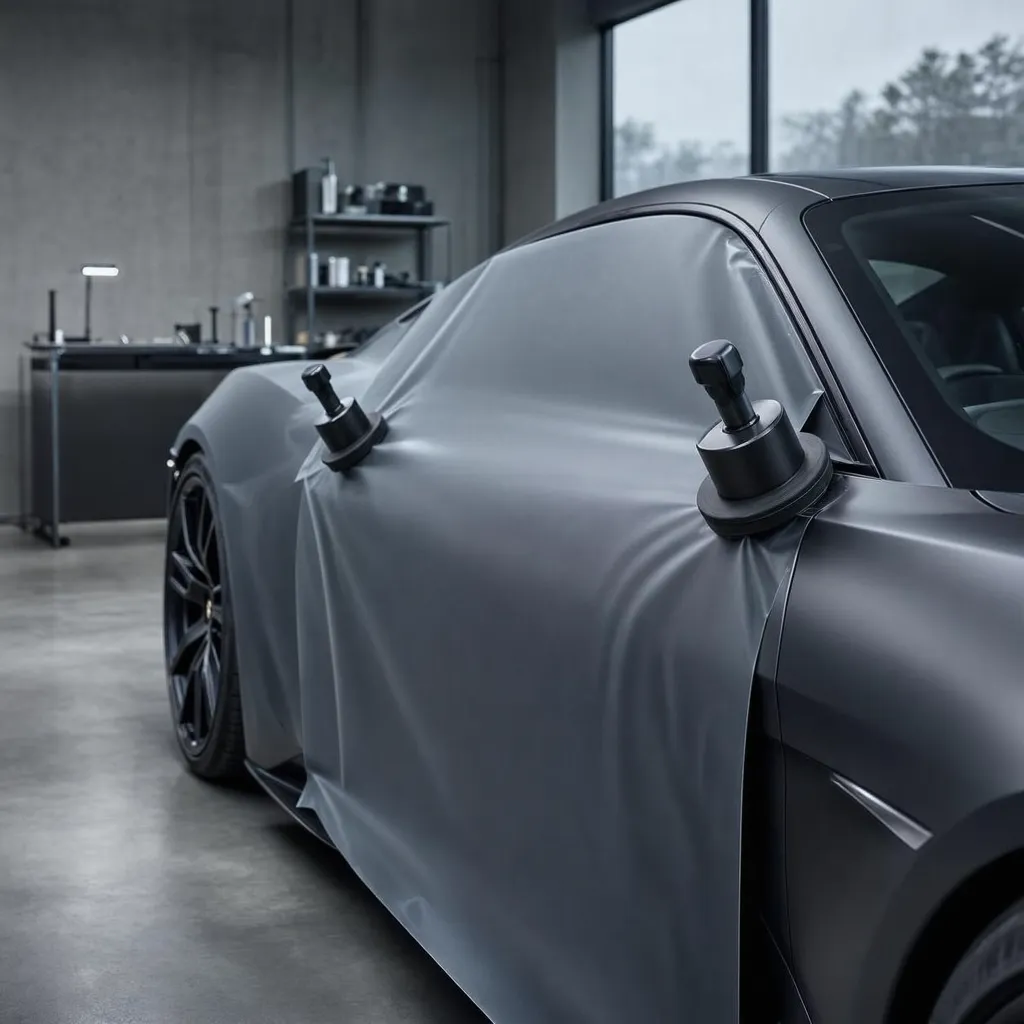
Think of vinyl film like a tight athletic shirt. It changes the color completely, but it hugs every curve, bump, and dip underneath. If your panel has an impression, the vinyl follows that shape directly into the groove.
Let’s look at how different types of dents behave under film so you can make the right call before spending a dime.

Will a Vinyl Wrap Hide a Dent?
It is easy to assume that a layer of heavy vinyl acts like a smooth shield.
In reality, it doesn't.
| [Unrepaired Body Dent] + [High-Gloss Vinyl] | ---> Multiplied Glare & Distortion |
| [Unrepaired Body Dent] + [Satin/Matte Film] | ---> Muted Reflection (Shape Still Visible) |
Applying a vinyl wrap over dents simply covers the impression with new color. When sunlight sweeps across your fender, the light breaks at the edge of the dip, casting a distinct shadow.
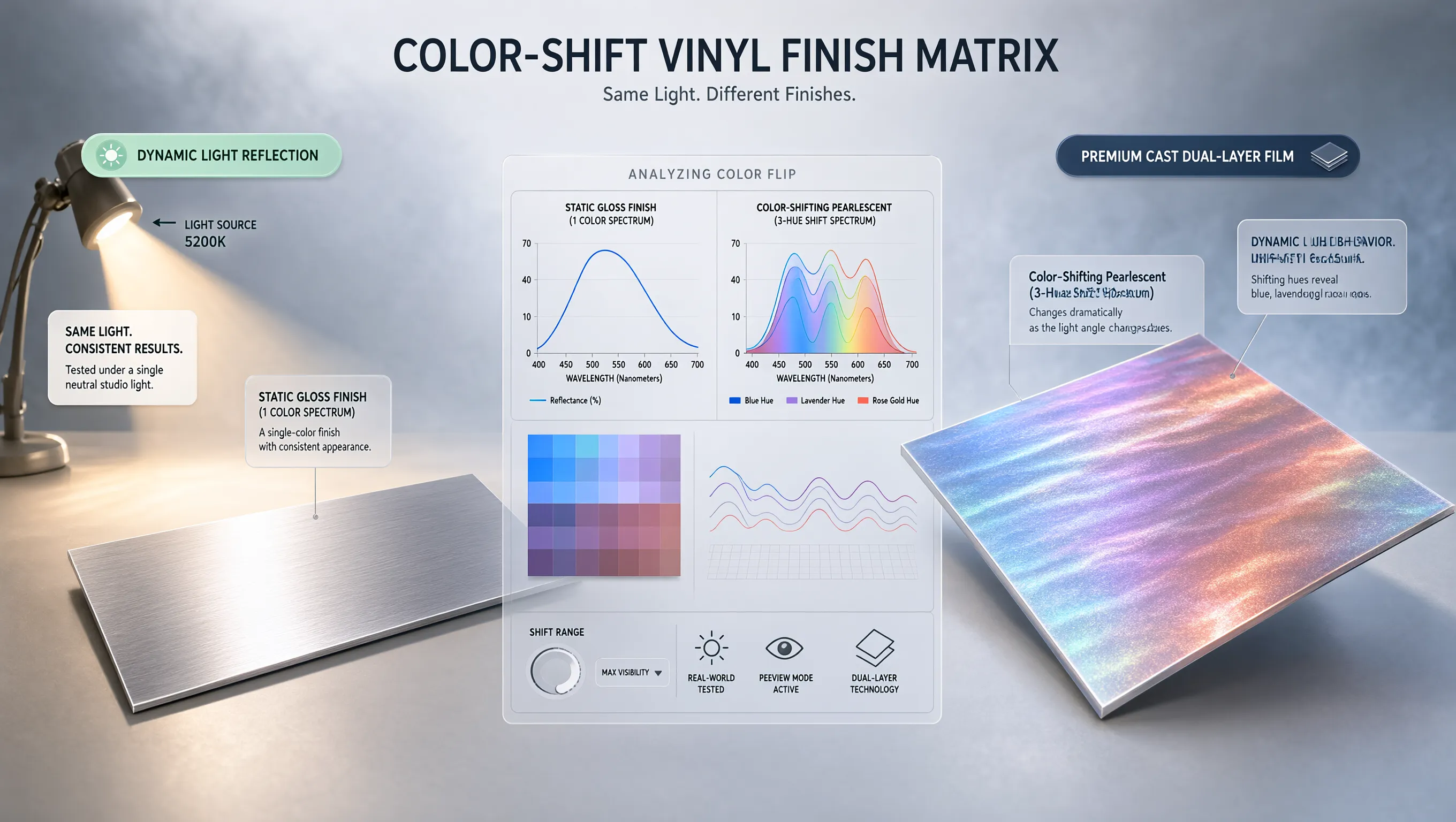
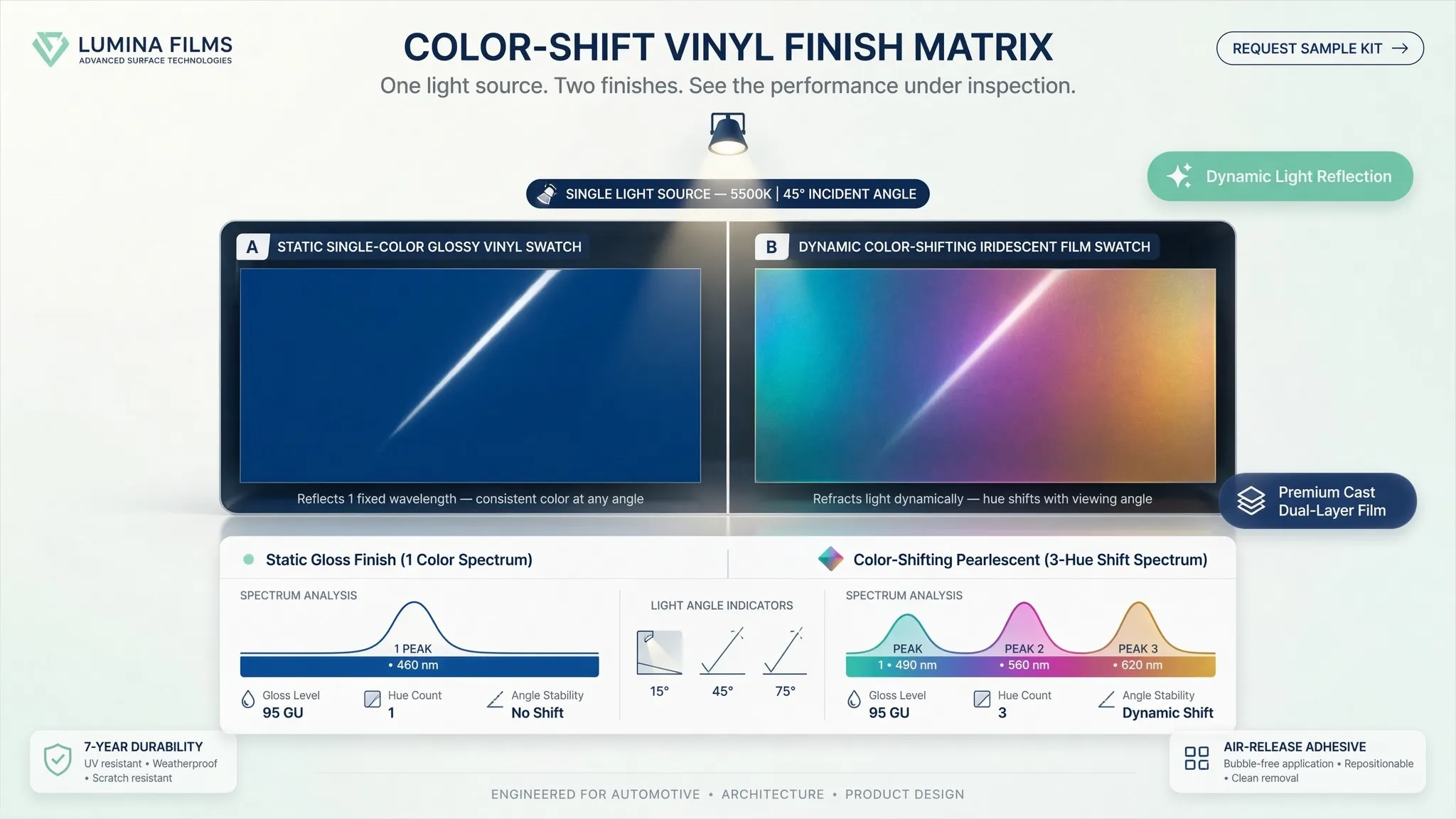
- Gloss Finishes: Reflect light directly, which makes the outline of a dent pop out even more.
- Matte & Satin Finishes: Absorb reflection, dulling the harsh glare, but the physical dip remains easy to spot up close.
If you are weighing a car wrap over dents, start by understanding what a car wrap is and how it adheres to factory panels.
Small Dents vs. Deep Dents: Does Size Matter?
The depth and shape of the damage dictate whether your wrap will hold up or fail prematurely.
- Shallow Door Dinks (Smooth Edges): Light impressions without creased metal are safe for a small dent car wrap. The material sticks smoothly, even if the reflection dips slightly.
- Deep Creases & Sharp Craters: Deep damage stretches the sheet metal. Attempting a deep dent car wrap forces vinyl to bridge over sharp drops, trapping air pockets that lift and bubble over time.
To see how underlying body condition impacts film longevity, check out our guide on car wrap pros and cons.
Where Is the Dent? Some Panels Are Easier to Deal With
Location changes everything when it comes to visibility and installation success:

| [Flat Door Panels] | ---> Eye-Level Sunlight | ---> High Distortion Visibility |
| [Curved Fenders] | ---> Natural Contours | ---> Blends Minor Waves |
| [Plastic Bumpers] | ---> Soft Polymer | ---> Easy Heat Pop-Out Fix |
- Door Panels: A door dent car wrap gets hit with direct eye-level sunlight, making panel distortions stand out every time you walk up to open the door.
- Fenders & Quarter Panels: A fender dent wrap along a dramatic body line can warp the vehicle's side silhouette, altering how the car looks from down the street.
- Plastic Bumpers: A bumper dent wrap is often easier to address because installers can warm up plastic bumper covers and pop small impressions back out from behind before laying down vinyl.
Can You Wrap Over a Dent Without Repairing It?
You can skip bodywork if you just want a quick color shift, but you need to know what trade-offs you are making:
| Decision | Surface Result | Long-Term Durability |
|---|---|---|
| Wrap Over Dent (No Prep) | Dent outline and shadow remain visible | Film can bridge sharp creases and peel in hot weather |
| Fix Dent Before Wrapping | Flat, smooth, factory-grade finish | Solid adhesive bond that lasts 5 to 7 years |
Choosing to wrap over a dent without prep work makes sense for work trucks or delivery vans where utility beats appearance. But for your personal ride, skipping simple repairs usually ends in regret.
Read about proper surface bonding in our guide on whether vinyl wraps damage paint during application.
What Happens to the Wrap Around a Dent?
When an installer lays film over a deep dent, the material has to stretch extra far to reach the bottom of the recessed metal.

| [Stretched Vinyl inside Crease] | ---> Exceeds Memory Limit | ---> Vinyl Bridges & Lifts |
| [Flaking Paint inside Dent] | ---> Sticks to Loose Paint | ---> Pulls Off Metal Panel |
If the impression includes chipped or flaking clear coat, applying a vinyl wrap on a dented car creates a weak point. Moisture creeps under lifted edges, leading to premature peeling and rust spots underneath.
Compare how light reflects across different textures in our guide on matte vs gloss wrap finishes.
Should You Repair the Dent Before Wrapping Your Car?
Yes. Addressing structural dinks first gives you the cleanest, most durable build.
Here is the best part: You don't need to pay for expensive factory paint matching after fixing the dent.
| [Traditional Paint Repair] | ---> Dent Pulling + Sanding + Color-Matched Spray ($1,200+) |
| [Pre-Wrap Prep Repair] | ---> Dent Pulling + Sanding + Spot Primer Only ($150 - $350) |
When you repair a dent before a car wrap, the shop only needs to pull the metal flat or smooth it out with body filler and primer. The wrap completely covers the raw primer with your new custom shade.
Learn how basic surface prep keeps your project moving smoothly in our complete car wrap installation guide.
Paintless Dent Repair (PDR) vs. Body Repair Before a Wrap
If your paint isn't cracked inside the dent, you can avoid body filler entirely.
- Paintless Dent Repair (PDR): A technician uses specialized tools to push the metal back into place from behind the panel. Choosing paintless dent repair before a wrap restores your body panel to original smoothness in just a few hours without touching the factory paint.
- Traditional Body Prep: If the metal is creased or the clear coat is chipped, a tech will use body filler, sand the panel flush, and seal it with primer before laying vinyl.
Does a Dent Increase the Cost of a Car Wrap?
Dents don't change the price of the vinyl material itself, but body prep will add a small labor charge to your shop invoice:
- Minor PDR (1 to 2 door dinks): Adds $75 – $150 per panel.
- Deep Crease Fill & Sanding: Adds $150 – $300 per panel depending on shop hours.
Factoring minor prep into your dent repair cost before a wrap prevents unexpected line items on install day. Calculate your full investment using our real-time car wrap cost calculator.
10. How to Check Your Car's Dents Before Getting a Quote
Follow this quick 3-step inspection before contacting a wrap shop:
- 1 Wash the Panel: Clean off road grime so subtle waves show clearly under light.
- 2 Take Angle Photos: Snap pictures from a 45-degree angle under sunlight to capture depth and shadow distortion.
- 3 Check Paint Integrity: Run your finger inside the dent to verify the clear coat isn't cracked or flaking.
Calculate total material requirements for your chassis size using our vinyl wrap roll length calculator or measure surface coverage with our car wrap square footage calculator.
Preview a New Wrap on Your Car Before Repairing or Wrapping It
Why spend weeks guessing how your car will look after body prep?
Testing bold custom colors, contrast roof packages, and satin sheens on your chassis model helps you decide whether fixing a small dink is worth the effort before booking shop time.
Discover why 3D AI wrap previews beat static Photoshop templates when planning a build.
See What Your Car Could Look Like With a New Wrap
Take the guesswork out of your build right now.
Preview custom finishes, compare shades under realistic outdoor lighting, and map out your project with total confidence before touching a single tool.

- Preview finishes directly on realistic chassis models using our interactive vehicle wrap customizer.
- Estimate material investment with our car wrap material cost calculator.
- Explore real community transformations in our project showcase gallery.
- Locate certified installers nearby using our wrap shop locator.
Frequently Asked Questions About Wrapping a Car With Dents
Can you wrap a car with dents?
Yes, you can wrap a dented car—but the wrap will not hide or erase the dent. Vinyl film is only 3 to 4 mils thick and acts like a second skin over your vehicle's bodywork. It conforms exactly to the shape of the metal underneath. If a panel has a dip, crease, or crater, the wrap will cover it in new color, but the physical impression will remain visible.
Will a matte or satin wrap hide my car's dent better than gloss?
Yes, matte and satin wraps make dents less noticeable than gloss wraps. Gloss finishes act like a mirror, reflecting direct sunlight and creating sharp broken glares along the edges of a dent. Satin and matte finishes absorb reflection, which softens harsh shadows and helps minor surface imperfections blend in better from a distance.
Will vinyl wrap stick to a dent with chipped or peeling paint?
No, vinyl wrap needs a clean, sound surface to adhere properly. If the paint or clear coat inside a dent is cracking, flaking, or peeling, the vinyl adhesive will stick to the loose paint flakes rather than the metal panel. Over time, moisture will creep under the lifted edges, causing the wrap to bubble, peel, or tear prematurely.
What is the difference between wrapping over a small door dink versus a deep crease?
Shallow door dinks only affect appearance, while deep creases threaten the wrap's durability. A minor, rounded parking lot dink allows the vinyl to lay flat without tension. A deep crease or sharp dent forces the installer to stretch the vinyl into the depression. Over time, stretched vinyl tries to shrink back to its original flat shape, creating trapped air pockets that lift off the panel.
Should I get Paintless Dent Repair (PDR) before wrapping my car?
Yes, Paintless Dent Repair (PDR) is the fastest and cleanest way to prep a panel before wrapping. If your factory paint inside the dented area is still intact, a PDR technician can massage the metal back into its original shape from behind the panel. This completely removes the dent without requiring sanding, body filler, or repainting.
Do I need to paint my car after repairing a dent if I plan to wrap it?
No, you do not need to pay for an expensive factory paint match. If a dent requires traditional body repair using body filler (Bondo) and sanding, you only need to apply a basic spot primer or clear coat seal over the repair. The vinyl wrap will cover the primed surface completely, saving you hundreds of dollars on a custom paint respray.
Does wrapping over a dent increase the overall cost of a car wrap?
The vinyl material cost stays the same, but body prep will add labor charges to your installation quote. If your wrap shop handles the dent prep for you, expect minor Paintless Dent Repair (PDR) to add around $75 – $150 per panel, while deep crease filling, sanding, and priming can add $150 – $300 per panel.
Will removing the wrap later pull the paint off inside a dented area?
If the factory paint was already damaged inside the dent, yes, removing the wrap can pull off loose paint. On original, undamaged OEM paint, high-quality wrap adhesive removes cleanly. However, if the clear coat was already cracked, chipped, or previously repaired with low-quality body filler, the adhesive bond may lift those loose layers when peeled away.
Which body panels show dent distortion the most under a wrap?
Flat, eye-level panels like doors and hoods show dent distortions the most. Doors and hoods reflect broad planes of light directly into line-of-sight. Dents on curved quarter panels, lower side skirts, or plastic bumpers are far less noticeable because natural body contours break up light reflections.
Can an installer pop out a plastic bumper dent before wrapping?
Yes, plastic bumper indentations can usually be fixed quickly using controlled heat. Before laying vinyl, installers can warm up the plastic bumper cover with a heat gun to soften the polymer, then pop the impression out from behind. Once cooled, the bumper retains its original shape and can be wrapped smoothly.
How should I inspect my car’s dents before sending photos to a wrap shop for a quote?
To get an accurate quote, follow these three steps:
- 1 Wash the vehicle: Dirt and road grime hide subtle waves and dinks.
- 2 Take 45-degree angle photos: Photograph the dent under bright, direct sunlight from a side angle to capture depth and shadow distortion.
- 3 Inspect paint integrity: Run your finger over the impression to ensure there are no sharp edges or loose clear coat flakes.
How can I see what my vehicle looks like wrapped before fixing my dents?
You can preview different colors, finishes, and accent packages on your specific vehicle chassis using an interactive 3D visualizer tool. Testing interactive mockups allows you to decide whether a matte, satin, or gloss finish suits your build before committing money to body repairs or shop installation time.