
You’ve packed the luggage, locked in your route, and prepped your favorite road trip playlist.
As you walk out to the driveway, you catch the sunlight reflecting off your freshly wrapped vehicle. Then a sharp wave of hesitation hits: Am I about to ruin a multi-thousand-dollar custom wrap by blasting down 800 miles of highway, through swarms of bugs, gravel spray, and unpredictable weather?
It’s an entirely fair question. Long-distance highway travel presents a much tougher test for auto finishes than quick runs to the grocery store.
The short answer? Yes, you can absolutely take a wrapped car on a road trip.
High-grade cast vinyl is engineered to handle high-speed airflow, rainstorms, and intense temperature shifts without flinching.
However, cross-country travel exposes your front bumper, hood, and side mirrors to aggressive environmental hazards. Knowing how to prepare your film, manage highway debris, and handle mid-trip messes ensures your vehicle arrives looking as immaculate as when you backed out of your driveway.
1. Before You Leave, Check These Spots That Could Become a Problem on the Highway
Taking off on an 800-mile journey without inspecting your vehicle's edges is asking for an expensive surprise.
At 75 mph, aerodynamic drag creates constant suction against every panel margin.
┌────────────────────────────────────────────────────────────────────────┐ │ PRE-TRIP EDGE INSPECTION POINTS │ ├────────────────────────────────────────────────────────────────────────┤ │ [ Front Bumper Intakes ] -> Check for lifted edges around grille vents│ │ [ Headlight Bezels ] -> Verify vinyl hasn't lifted near glass seals│ │ [ Wheel Arch Lips ] -> Inspect hemmed edges inside fender wells │ └────────────────────────────────────────────────────────────────────────┘
A quick five-minute car wrap pre-trip inspection saves you from high-speed headaches:
Run Your Thumb Over Edges: Gently press down along the front bumper seams, headlight recesses, and side mirror caps.
Look for Trapped Air: If you find a tiny lifted corner, do not leave it exposed to highway air.
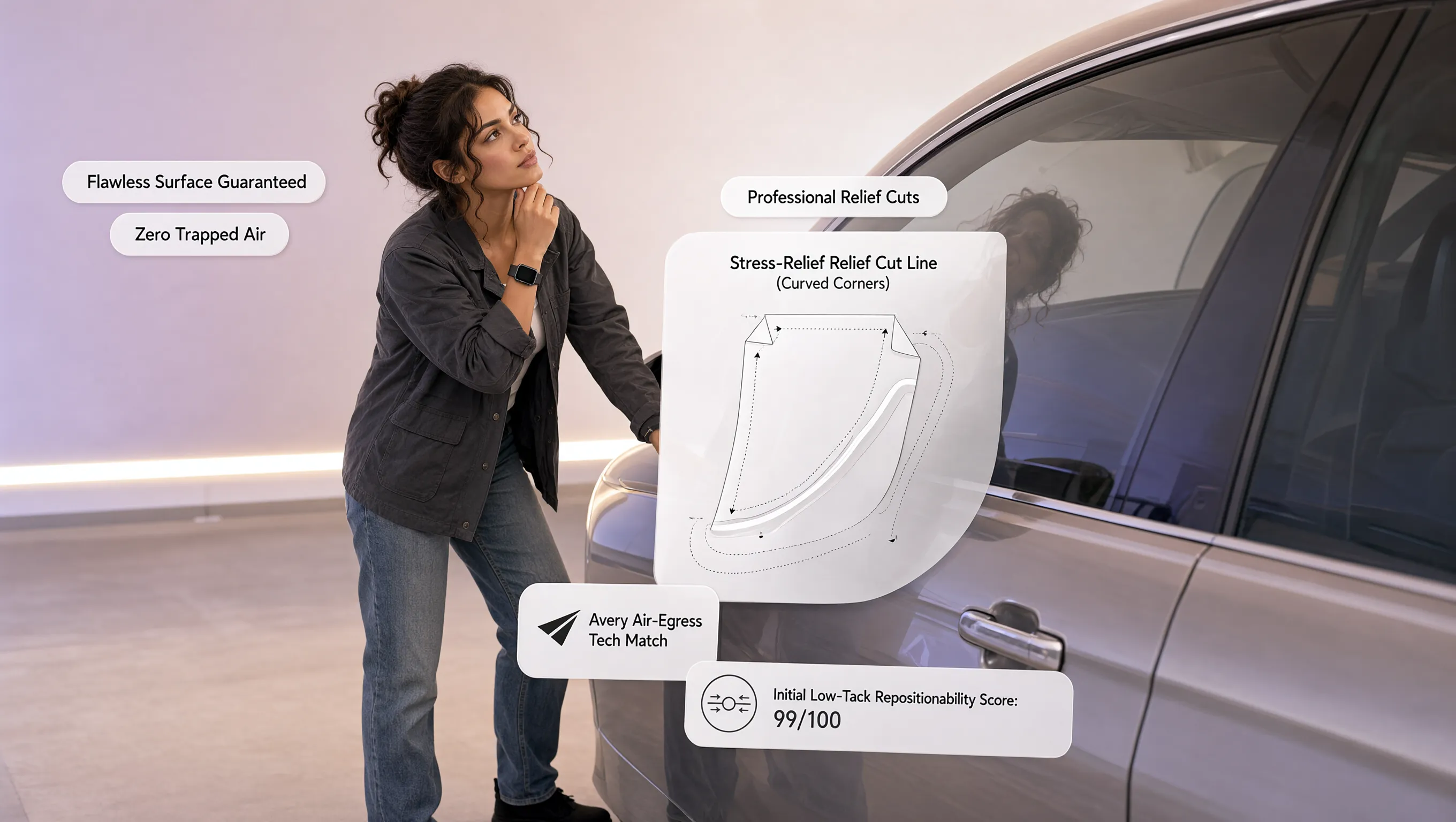
Address Tension Points: Take the vehicle to your installer before leaving so they can seal or trim the margin cleanly using knifeless tape before high-speed wind catches it.
2. Will Highway Speeds Make Your Wrap Peel or Lift?
A major anxiety for drivers embarking on driving a wrapped car long distance is the fear that sustained high speeds will force air underneath a seam and peel the vinyl back like a banana skin.
If your film was installed correctly with professional post-heating, highway speeds pose zero threat.
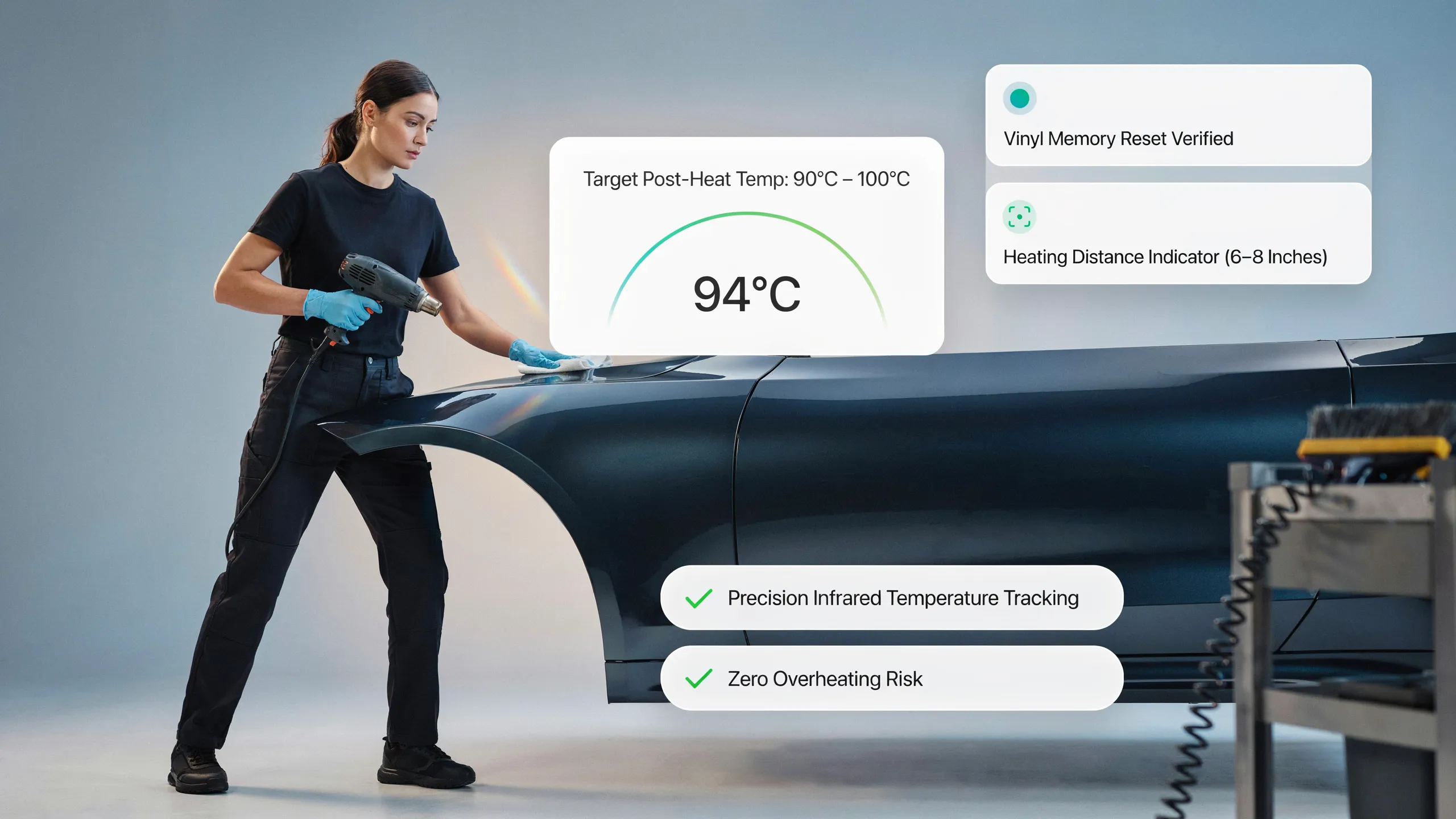
HIGH-SPEED AERODYNAMICS [ Sound Install ] --> Edges post-heated to 195°F+; 100% airtight acrylic bond [ Compromised ] --> Stretched vinyl; lifted edge lip catches 75 mph airflow
Pressure-sensitive cast vinyl adhesives form an airtight, watertight bond with your factory clear coat.
Wind shear simply flows across the smooth panel face. The only scenario where car wrap peeling at highway speeds occurs is when an installer over-stretched the vinyl around a tight bumper intake without resetting the material's memory, leaving an exposed edge lip that catches high-velocity air.
3. What Happens When Gravel Hits Your Wrapped Hood?
When trailing semi-trucks on interstate highways, gravel and tire grit are inevitable. Understanding the protective limits of vinyl prevents false expectations.
┌────────────────────────────────────────────────────────────────────────┐ │ MATERIAL DEFENSE COMPARISON │ ├────────────────────────────────────────────────────────────────────────┤ │ [ Color-Change Vinyl (3.5 – 4 mil) ] --> Guards against UV, bugs & sand│ │ [ Paint Protection Film (8 mil) ] --> Shock-absorbing stone shield│ └────────────────────────────────────────────────────────────────────────┘
A quality vinyl wrap acts as a sacrificial barrier, absorbing light wash swirls, bug impact acids, and fine sand blast.
However, standard 3.5-mil vinyl is not an armored stone shield. High-velocity rock impacts can puncture thin vinyl.
If you frequently embark on long-distance road trips across construction zones or gravel highways, consider pairing your color-change vinyl with clear Paint Protection Film (PPF) over high-impact front bumpers.
To review how clear protective layers pair with custom colors, check out our guide on inspecting car wrap quality and installation standards.
4. Bug Splatter, Bird Droppings, and Tree Sap: What Should You Clean Off First?
After five hours of highway cruising, your front bumper and side mirrors will look like a bug graveyard.
How you handle organic contaminants during a trip makes all the difference.
TRAVEL CONTAMINANT PRIORITY SCALE [ Uric Acid / Bird Droppings ] -> CRITICAL (Etches vinyl within 24 hours) [ Crushed Bug Splatter ] -> HIGH (Acidic juices bake into clear topcoats) [ Highway Road Oil / Soot ] -> MEDIUM (Rinses off easily during wash)
Crushed insects and bird droppings contain acidic compounds that eat into PVC topcoats when baked under direct sunlight.
Pack a "travel detail kit" in your trunk containing a bottle of pH-neutral wrap detail spray and two plush microfiber towels.
When you stop for food or gas, spray down heavy bug splatter, let the fluid break down the dried residue for 45 seconds, and wipe it away gently without scrubbing hard.
5. Can Heavy Rain, Heat, and Sudden Weather Changes Affect Your Wrap?
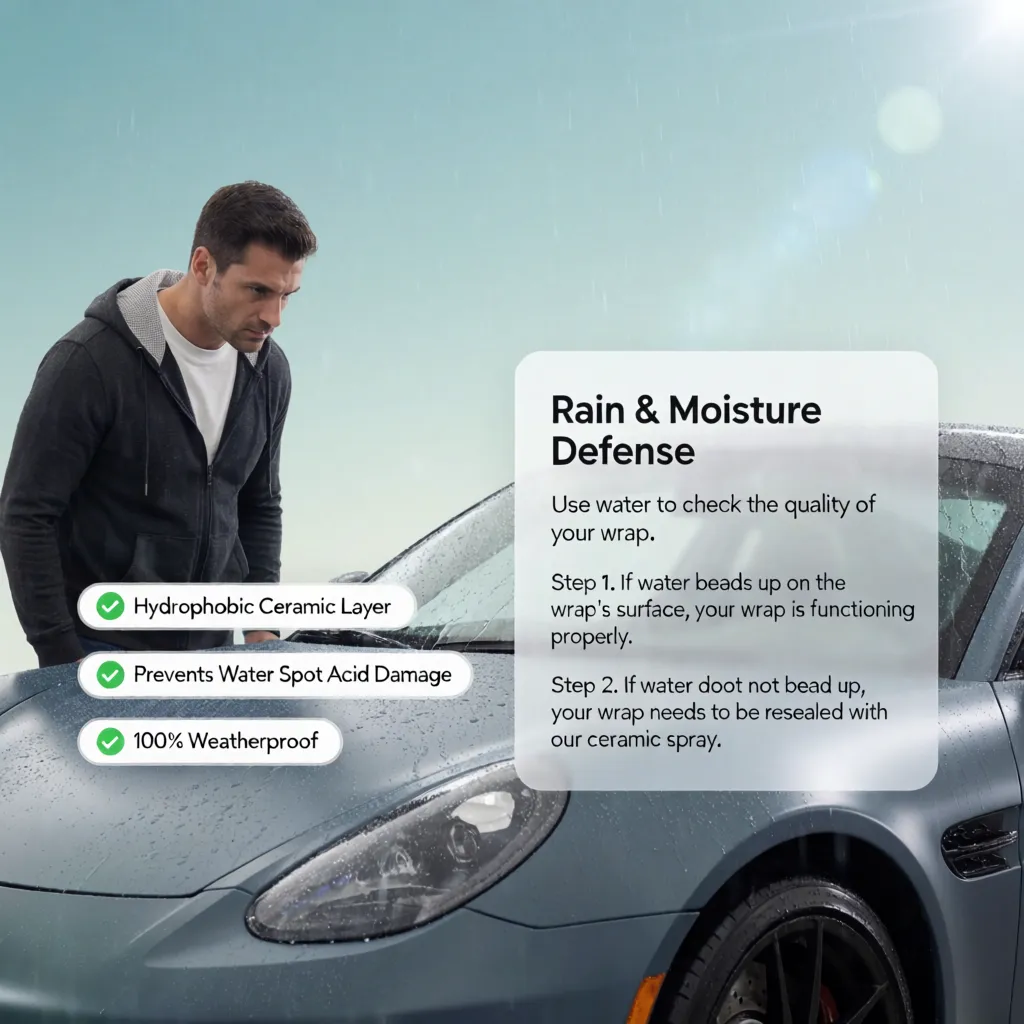
Driving through a torrential downpour, crossing a hot desert, or climbing into freezing mountain passes in a single day will not compromise a professional wrap.
┌────────────────────────────────────────────────────────────────────────┐ │ WEATHER IMPACT REALITY │ ├────────────────────────────────────────────────────────────────────────┤ │ • Heavy Rainstorm: Hydrophobic topcoats shed water instantly │ │ • Desert Heat: Cast vinyl handles expansion up to 200°F (93°C) │ │ • Freezing Cold: Adhesive grip remains stable down to sub-zero temps │ └────────────────────────────────────────────────────────────────────────┘
Cast vinyl is dimensionally stable across dramatic temperature swings.
The primary danger during weather shifts is thermal shock—such as spraying ice-cold water onto a scorching 170°F hood immediately after driving through desert heat.
Allow your body panels to cool down in the shade before washing off road grime.
6. Should You Change How You Drive to Protect a Wrapped Car?
You don't need to drive like you're carrying eggshells just because your vehicle wears vinyl.
Modifying your highway driving habits comes down to basic defensive space management:
DEFENSIVE HIGHWAY DRIVING HABITS [ Follow Space ] -> Increase distance behind gravel haulers & semi-trucks [ Lane Positioning ] -> Shift away from shoulder lanes where tire debris collects [ Parking Selection ] -> Avoid pulling nose-first over high concrete curbs
Increasing your trailing distance behind large trucks cuts your rock chip risk by over 80% while keeping heavy diesel exhaust soot off your hood and front bumper.
7. At Fuel Stops, Watch for the Spill That Can Damage Vinyl
Here is a stealth risk that catches many drivers off guard during long highway trips: spilling gasoline down the quarter panel at gas pumps.
┌────────────────────────────────────────────────────────────────────────┐ │ CHEMICAL DAMAGE DANGER │ ├────────────────────────────────────────────────────────────────────────┤ │ Gasoline = Aggressive Solvent │ │ Risk: Dissolves clear topcoat caps & breaks down pressure adhesives │ └────────────────────────────────────────────────────────────────────────┘
Raw fuel acts as a potent solvent against PVC vinyl and acrylic glues.
If fuel overflows the nozzle and runs down your rear quarter panel:
Grab a clean paper towel immediately and blot (do not rub) the spill.
Rinse the area thoroughly with water from a windshield washing station or a water bottle to neutralize the solvent before it bakes under the sun.
8. Where You Park Overnight Can Matter More Than You Think
After ten hours behind the wheel, parking at your hotel or rest stop requires a quick sanity check.
OVERNIGHT PARKING SELECTION [ Preferred ] -> Well-lit, open spots away from sap-producing trees [ High Risk ] -> Under pine trees, low light fixtures, or construction zones
Avoid parking directly beneath pine trees or light poles where birds nest overnight.
Tree sap and concentrated bird droppings left baking on a warm hood until morning will require significant effort to remove without scratching the film.
9. Do You Need to Wash the Car During the Trip—or Wait Until You Get Home?
If you are on a multi-week cross-country journey, deciding when to wash depends on contamination levels and available facilities.
┌────────────────────────────────────────────────────────────────────────┐ │ MID-TRIP WASHING PROTOCOL │ ├────────────────────────────────────────────────────────────────────────┤ │ • Quick Trip (2–3 Days): Spot-clean bugs at gas stops; full wash home│ │ • Extended Trip (1+ Week): Use self-serve DIY bays; pressure wash salt│ │ • ALWAYS AVOID: Commercial drive-thru brush washes at truck stops │ └────────────────────────────────────────────────────────────────────────┘
Never pull a wrapped car into a highway truck-stop car wash with spinning mechanical brushes. Heavy nylon bristles drag coarse road grit across your panels, ruining high-gloss topcoats and catching vulnerable seam margins.
If you wash mid-trip, use a touchless pressure-washer bay, keeping the spray nozzle at least 12 inches away from wrapped edges.
10. When Should You Stop and Inspect the Wrap Instead of Continuing the Trip?
If you hear a persistent fluttering noise from the front bumper at high speeds, pull over safely at the next exit immediately.
EMERGENCY TRIAGE ACTION [ Fluttering Noise ] -> Pull over; inspect front lip & bumper intakes [ Lifted Corner ] -> Snip loose tail cleanly using scissors; do not pull
If a piece of road debris strikes an intake and catches a vinyl edge, highway air will continuously pull at the opening.
Snapping off the loose overhang cleanly with scissors stops wind from catching the film further, allowing you to complete your drive safely before scheduling a shop touch-up.
To explore installer warranty terms and panel repair rates, review our guide on evaluating professional car wrap installation quotes.
11. When You Reach Your Destination, Give the Wrap This Final Check
Once you arrive at your destination and unpack, perform a systematic five-minute post-drive inspection:
┌────────────────────────────────────────────────────────────────────────┐ │ POST-DRIVE INSPECTION CHECKLIST │ ├────────────────────────────────────────────────────────────────────────┤ │ [ Check 1: Front Bumper ] -> Inspect intake recesses & grille edges │ │ [ Check 2: Side Mirrors ] -> Check leading edges for bug etching │ │ [ Check 3: Rocker Skirts ] -> Flush out road tar & highway oil buildup │ └────────────────────────────────────────────────────────────────────────┘
Flushing off road grime immediately prevents highway oils and bug acids from setting into the film topcoat, keeping your finish looking pristine throughout your stay.
12. Evaluate Real-World Colors for Your Next Build
Planning your next long-distance vehicle project and want to see how different wrap finishes, partial accent layouts, or protective films look on your exact vehicle before placing a roll order?
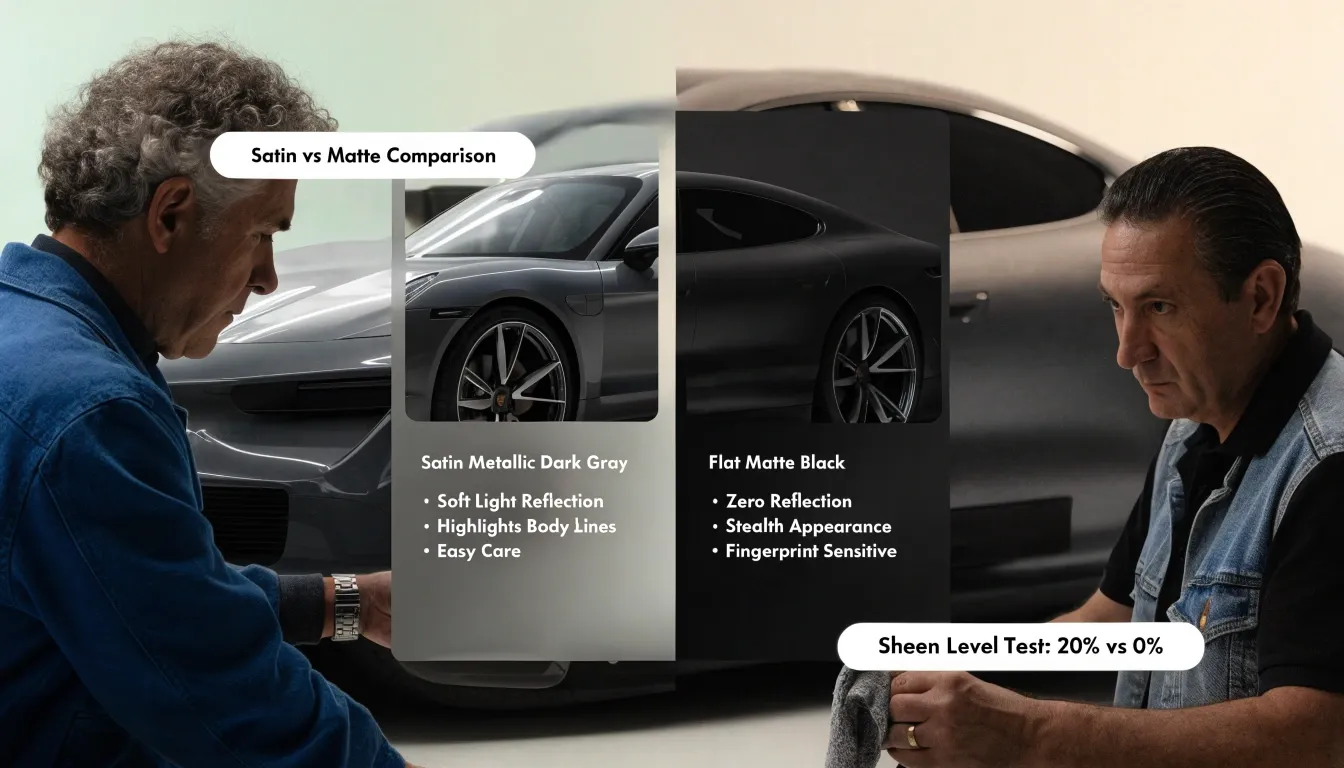
Testing physical 12x12" material samples directly against your car's hood in natural daylight, open shade, and late-afternoon sun allows you to judge dust visibility, metallic depth, and maintenance trade-offs before committing to a film order.
Combining physical swatch testing with expert installer consultation ensures you select a finish that fits both your personal style and your real-world travel routine.

FAQs About Taking a Wrapped Car on a Road Trip
1. Can you take a wrapped car on a road trip without ruining the vinyl?
Yes, taking a wrapped car on a long-distance road trip is completely safe and practical. High-grade cast vinyl is engineered specifically to withstand relentless highway airflow, heavy downpours, and intense solar radiation. While long-distance driving exposes your front end to bug splatter and road grit, the wrap acts as a durable sacrificial shield, preserving your factory clear coat underneath while maintaining its vibrant, head-turning finish across thousands of miles.
2. Will driving at high highway speeds cause the wrap to peel or lift?
When driving a wrapped car long distance at 70 to 80+ mph, properly installed film will not lift or peel back. Pressure-sensitive acrylic adhesives form a rock-solid, airtight bond with your vehicle's paint, allowing high-velocity air to glide smoothly over the panel face. The only scenario where wind shear causes edge lifting is if an installer over-stretched the vinyl around a front intake without proper post-heating, leaving an exposed margin that catches rushing air.
3. What should I inspect on my wrap before embarking on a long highway trip?
Performing a quick pre-trip edge inspection prevents high-speed surprises on the road:
Check High-Tension Zones: Run your fingers along the front bumper grilles, headlight bezels, and wheel arch lips to ensure all hemmed edges are firmly sealed.
Inspect Leading Margins: Check side mirror caps and hood edges for any loose corners.
Address Minor Lift Early: If you spot an exposed edge before leaving, have your installer trim or re-seal the margin cleanly so highway air cannot catch it.
4. How well does a vinyl wrap protect against highway gravel and stone chips?
A quality color-change vinyl wrap (3.5 to 4 mils thick) provides excellent protection against light road grit, surface scuffs, and bug acid etching. However, vinyl is not an impenetrable armor plate against heavy, high-velocity gravel thrown by semi-truck tires. If your road trip route includes rough construction zones or loose gravel highways, pairing your color-change wrap with clear Paint Protection Film (PPF) over high-impact front bumpers delivers maximum rock chip defense.
5. What is the best way to deal with heavy bug splatter and bird droppings on a trip?
Organic messes like crushed insects and bird droppings contain acidic compounds that bake into PVC clear caps under direct sun. Keep a travel detail kit in your trunk with a bottle of pH-neutral wrap detail spray and plush microfiber towels. When you pull over for fuel or food, spray the affected areas generously, let the fluid break down the residue for 45 seconds, and gently wipe it away before it etches into the film.
6. Can sudden weather shifts or extreme rainstorms affect a wrapped car on the road?
Cast vinyl is dimensionally stable and easily copes with dramatic weather changes, from scorching desert heat to freezing mountain downpours. Hydrophobic wrap topcoats shed heavy rain effortlessly. The only real threat during weather shifts is thermal shock—such as spraying ice-cold water onto a scorching 170°F hood immediately after driving through desert heat. Always let your body panels cool down in full shade before washing off road grime.
7. What should I do if gasoline spills on my wrap during a fuel stop?
Raw gasoline acts as a potent solvent that can dissolve vinyl clear coats and break down acrylic adhesives if left to soak. If fuel sloshes out of the pump nozzle onto your quarter panel, act immediately:
Blot the Area: Gently dab the liquid with a clean paper towel (do not rub or smear the raw fuel across the vinyl).
Rinse Thoroughly: Pour clean water over the area from a water bottle or washing station to rinse away the solvent before direct sunlight bakes it into the panel.
8. How should I park my wrapped car overnight at hotels or rest stops?
Overnight parking requires strategic placement to avoid unnecessary environmental damage. Avoid parking directly beneath sap-dropping pine trees, low-hanging branches, or light poles where birds nest overnight. Seeking out well-lit, open parking spots or covered parking structures prevents baked-in tree sap and concentrated bird droppings from ruining your finish before morning.
9. Should I wash my wrapped car at a roadside car wash during a long journey?
If you need to wash off heavy road grime mid-trip, use a self-serve touchless pressure-washer bay using warm water, keeping the spray wand nozzle at least 12 to 18 inches away from panel seams. Never pull a wrapped vehicle into a commercial drive-thru car wash with spinning mechanical brushes; heavy nylon bristles drag coarse highway grit across your panels, creating severe swirl marks and catching vulnerable seam margins.
10. What should I do if I notice a loose edge fluttering while driving on the highway?
If you hear a fluttering noise or notice a loose edge along a bumper intake midway through your trip:
Pull Over Safely: Stop at the next exit or rest area to evaluate the panel.
Snip the Loose Tail: Use a small pair of scissors to carefully trim away the loose, hanging overhang flush with the panel. Do not pull or tear the vinyl further.
Continue Safely: Trimming the loose tail stops high-speed wind from catching the material further, allowing you to complete your journey before booking a professional shop touch-up.