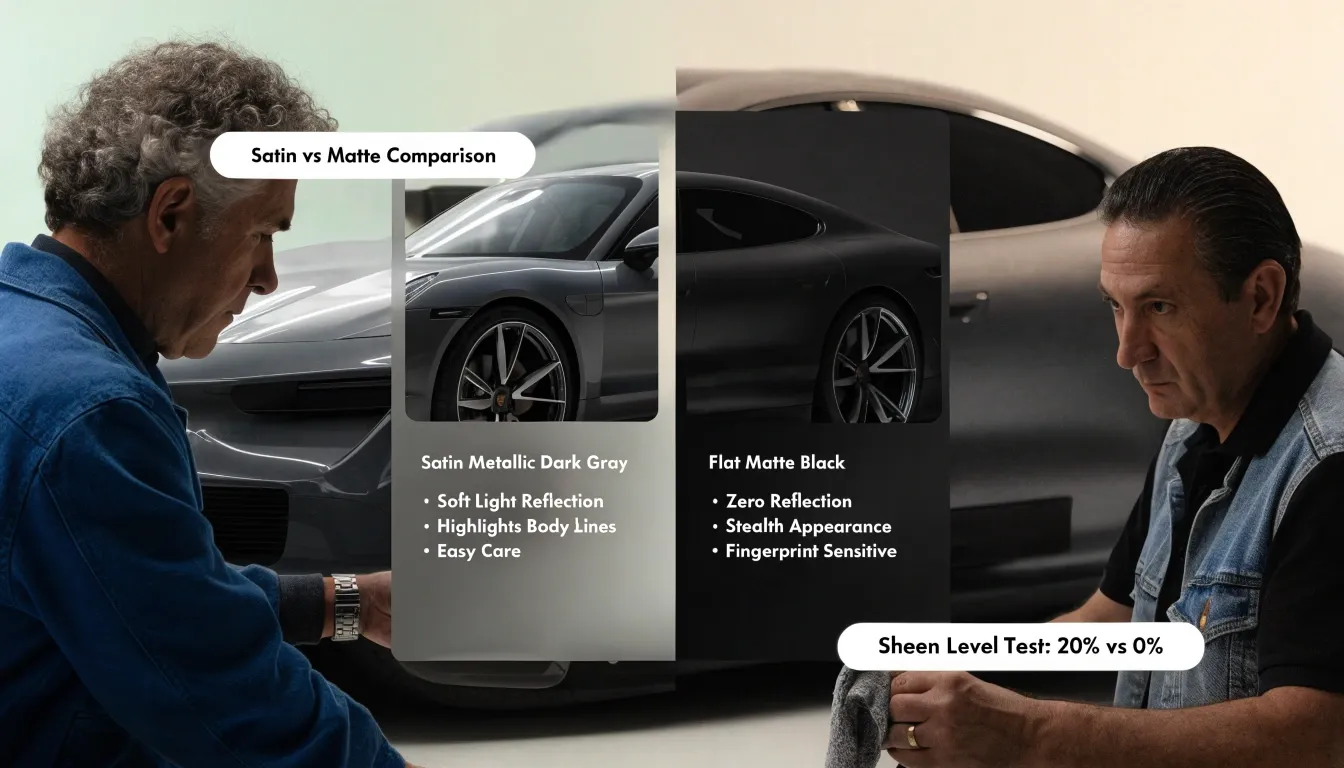

You just stripped off your old vinyl wrap, expecting to see pristine, factory-fresh paint underneath ready for an instant color transformation.Instead, you run your fingers along the door panel and feel sticky adhesive residue, subtle surface discoloration, or tiny clear-coat flaws that were hidden for years.A sharp wave of doubt sets in: Can I actually rewrap my car immediately after removing old vinyl, or will trapped glue and surface defects ruin my fresh multi-thousand-dollar wrap job?It’s one of the most critical questions a vehicle owner can ask during a restyling project.The short answer? Yes, you can rewrap a car after removing vinyl.However, achieving a flawless finish that lasts for years depends entirely on inspecting your underlying factory paint, stripping every trace of petrified adhesive residue, and restoring surface smoothness before laying new cast film.Here is your complete guide to inspecting your post-removal finish, handling glue contamination, repairing clear-coat damage, and preparing your ride for its next head-turning transformation.

1. What Does the Paint Look Like Now That the Old Wrap Is Gone?
Once the old film is pulled off, inspecting the condition of your factory paint is the mandatory first step before booking a new installation.
┌────────────────────────────────────────────────────────────────────────┐ │ POST-REMOVAL PAINT CHECKLIST │ ├────────────────────────────────────────────────────────────────────────┤ │ [ Smooth OEM Paint ] --> READY: Ideal foundation for immediate rewrap│ │ [ Petrification Glue] --> REQUIRES STRIPPING: Solvent prep required │ │ [ Peeling Clear Coat] --> REQUIRES REPAIR: Must sand & seal before wrap│ └────────────────────────────────────────────────────────────────────────┘
When you inspect the bare surface, you will typically find one of three scenarios:Pristine Factory Paint: The original clear coat is completely intact. A quick decontamination wash is all you need before laying new film.Sticky Glue Contamination: Thin patches of pressure-sensitive acrylic adhesive remain stuck to the panels, requiring chemical dissolution.Damaged or Peeling Clear Coat: The paint underneath has oxidized or flaked off during removal, meaning the panel must be prepped and sealed before a new wrap will adhere properly.
2. Does Leftover Adhesive Need to Be Removed Before Rewrapping?
Attempting to apply new vinyl over leftover glue from a previous wrap is a guaranteed recipe for failure.
ADHESION FAILURE MECHANISM [ Leftover Old Glue ] + [ New Vinyl Adhesive ] = Contaminated Bond Result: Surface mapping (lumps), premature bubbling, and edge lifting
Old acrylic glue residue hardens and collects microscopic dust the moment it encounters open air.If an installer lays new film directly over this sticky layer, two problems occur:Lumpy Surface Mapping: The old glue creates raised specks and waves that show straight through the smooth topcoat of your new vinyl.Adhesive Breakdown: The pressure-sensitive glue on the new cast film cannot cross-link cleanly with dirt-laden, petrified residue, causing early edge lifting and bubble pockets.To ensure proper vinyl wrap adhesion, every panel must be chemically stripped using specialized citrus adhesive removers and wiped with a 70/30 isopropyl alcohol mix.
3. What If the Old Wrap Left Faded or Uneven Paint Behind?
If your previous wrap only covered specific sections—such as a hood or roof wrap—you might notice a visual difference in paint tone once it’s removed.
┌────────────────────────────────────────────────────────────────────────┐ │ UV SHIELDING vs. EXPOSED PAINT │ ├────────────────────────────────────────────────────────────────────────┤ │ • Covered Metal: Preserved from UV rays; retains dark original tone │ │ • Uncovered Metal: Exposed to solar heat; subtly faded over time │ │ • Rewrap Impact: ZERO impact on opaque color-change cast vinyl │ └────────────────────────────────────────────────────────────────────────┘
This contrast is caused by UV shielding: the vinyl protected the covered section from sun exposure while the bare panels aged naturally.The good news? Cosmetic paint fading does not affect new vinyl installation. High-grade, multi-cast wrap films are completely opaque, meaning underlying tone differences won't show through your new color.
4. Can New Vinyl Go Over Scratches, Clear-Coat Damage, or Peeling Paint?
You cannot wrap over a structurally compromised paint foundation and expect a smooth, lasting result.
SURFACE INTEGRITY MATRIX [ Light Swirls & Scuffs ] -> SAFE: Vinyl bridges minor scuffs cleanly [ Deep Gouges & Chips ] -> RISKY: Scratches map through thin vinyl [ Peeling Clear Coat ] -> DANGEROUS: Film pulls flaking paint on removal
Vinyl wrap is extremely thin (roughly 3.5 to 4 mils). It acts like a flexible magnifying glass over surface flaws.If your paint suffers from flaking clear coat or rust bubbles, the new vinyl's adhesive will bond to the loose paint layer rather than the car body. When you eventually peel the wrap off years later, it will rip the loose clear coat straight off the metal.Always feather-sand flaking clear coat smooth and spray a protective primer layer over bare spots before rewrapping.
5. Does the Age of the Previous Wrap Affect the Next One?
How long your previous wrap sat on the vehicle directly dictates the labor required to prep for the next one.
┌────────────────────────────────────────────────────────────────────────┐ │ PREVIOUS WRAP AGE IMPACT │ ├────────────────────────────────────────────────────────────────────────┤ │ [ 1 to 3 Years Old ] --> Easy removal; minimal residue; fast prep │ │ [ 5+ Years Baked ] --> Brittle film; petrified glue; heavy labor prep│ └────────────────────────────────────────────────────────────────────────┘
If your old wrap was high-grade cast vinyl removed within its 3 to 5-year service life, it likely peeled off in large sheets with minimal residue.However, if the old film sat unmaintained under solar heat for 6+ years, the PVC matrix becomes brittle, snapping into tiny pieces during removal and leaving stubborn, hardened adhesive behind. This requires extensive labor and chemical stripping before the surface is safe for a new installation.
6. Can You Change to a Completely Different Wrap Color?
Transitioning from a dark gloss black wrap to a bright satin white or ultra-metallic shade is completely achievable once the old film is gone.
COLOR TRANSITION EXECUTIONS [ Light to Dark ] ---> Seamless coverage; easily masks underlying panels [ Dark to Light ] ---> Requires tight edge tucking to prevent paint flashes
When changing to a contrasting color, specialized installation techniques come into play:Installers tuck the new vinyl 1/4 inch deep into panel margins to conceal original paint flashes along door gaps.For complete conversions, adding a door jamb color change wrap ensures zero original factory paint shows when opening the doors.To learn how master technicians handle complex panel gaps without stretching film, read our guide on inspecting car wrap quality and installation standards.
7. Should You Rewrap the Whole Car or Only Certain Panels?
If your previous wrap was removed due to isolated damage—such as a side-swipe scuff or hail impact on the hood—you don't always need a full vehicle overhaul.
┌────────────────────────────────────────────────────────────────────────┐ │ FULL vs. PARTIAL REWRAP SCOPE │ ├────────────────────────────────────────────────────────────────────────┤ │ [ Full Car Rewrap ] --> Complete color overhaul; 100% uniform finish │ │ [ Partial Rewrap ] --> Replaces damaged hood, roof, or door panels │ └────────────────────────────────────────────────────────────────────────┘
Executing a partial car wrap replacement on single panels saves thousands in material and shop labor.However, if your remaining wrap is several years old, fresh vinyl applied to a single panel might look slightly brighter due to natural UV aging on the older surrounding panels.
8. Will the New Wrap Stick Properly After the Old One Is Removed?
Achieving maximum adhesive bond strength on a rewrapped vehicle requires strict surface decontamination.
DECONTAMINATION PROTOCOL [ Step 1: Chemical Peel ] --> Dissolve leftover glue with citrus adhesive solvent [ Step 2: Clay-Bar Scrub] --> Lift embedded road grit and fallout from clear coat [ Step 3: IPA Wipe Down ] --> 70/30 Isopropyl alcohol wipe to strip residual oils
Skipping any of these steps leaves invisible skin oils, wax residue, or solvent films behind.Using a 70/30 isopropyl alcohol and distilled water wipe-down immediately before installation ensures the pressure-sensitive acrylic adhesive forms a direct, airtight bond with your vehicle's clean surface.

9. How Soon Can You Rewrap a Car After Vinyl Removal?
If your paint is in good condition and all adhesive residue has been thoroughly cleaned, you can rewrap your vehicle immediately.
┌────────────────────────────────────────────────────────────────────────┐ │ REWRAP TIMELINE REQUIREMENTS │ ├────────────────────────────────────────────────────────────────────────┤ │ • Clean OEM Paint: Immediate rewrap (Same day installation) │ │ • Spot-Repainted Panels: Must cure 21 to 30 days before applying vinyl │ └────────────────────────────────────────────────────────────────────────┘
The only scenario where you must wait is if any panel required fresh body paint or clear-coat touch-ups after wrap removal. Fresh automotive paint outgasses solvents for 21 to 30 days; applying vinyl over uncured paint will cause trapped gas bubbles and pull the fresh paint right off the panel during future removal.
10. Is Rewrapping Cheaper Than Removing and Starting From Scratch?
Understanding your total car rewrap cost comes down to separating removal fees from surface prep and installation labor.
REWRAP COST BREAKDOWN MATRIX [ Old Wrap Removal ] --> $400 – $1,000 (Already completed or shop-billed) [ Surface Prep & Repair ] --> $200 – $500 (Adhesive stripping & clay-bar prep) [ New Wrap Installation ] --> $2,500 – $4,500 (Varies by film series & scope) ------------------------------------------------------------------------ [ Total Investment ] --> $3,100 – $6,000
If you handle the tedious process of peeling the old film and stripping the adhesive yourself, you eliminate up to $1,000 in shop labor costs.To review detailed regional labor rates and breakdown quotes, check out our guide on evaluating professional car wrap installation quotes.
11. What to Check Before Booking Your Next Car Wrap
Run through this essential inspection checklist before scheduling your rewrap:
┌────────────────────────────────────────────────────────────────────────┐ │ PRE-BOOKING REWRAP CHECKLIST │ ├────────────────────────────────────────────────────────────────────────┤ │ [ Check 1: Adhesive ] --> Verify 100% of sticky residue is stripped │ │ [ Check 2: Paint ] --> Ensure no flaking clear coat or rust exists │ │ [ Check 3: Scope ] --> Decide between full rewrap or partial panels│ └────────────────────────────────────────────────────────────────────────┘
Addressing these three areas ensures your installer can work on a smooth, clean foundation without unexpected labor delays or extra fees.
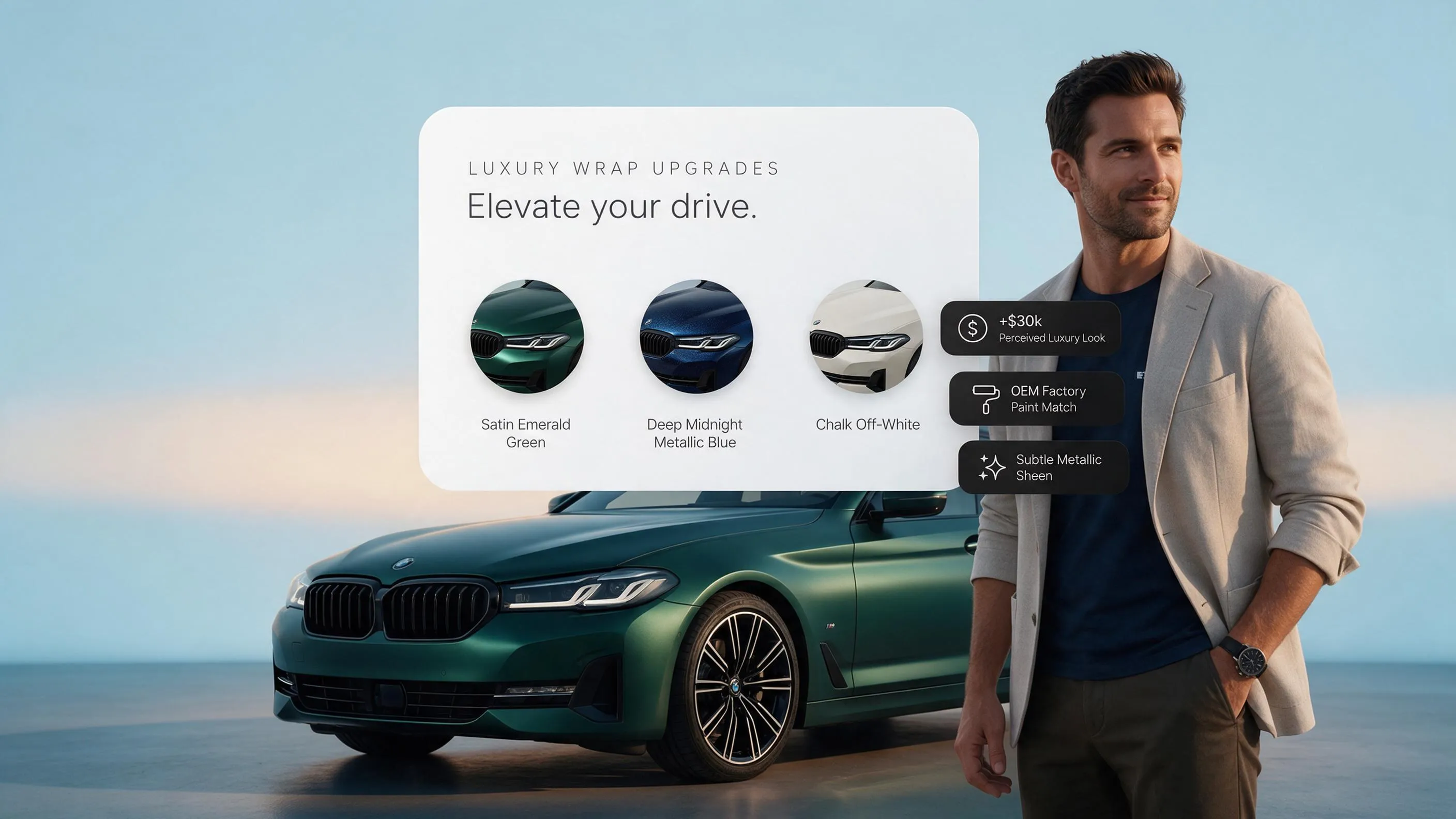
12. Eliminate Color Regret: Preview Your Next Wrap Live First
Staring at tiny $2\times 2$-inch physical swatch samples in a shop makes it almost impossible to predict how a new color will look across your car's complex body lines.Guessing based on a tiny swatch often leads to disappointment once the film covers the entire vehicle.By using our interactive AI car wrap visualizer tool, you can remove all uncertainty and save time and money.Upload a photo of your vehicle, experiment with gloss, satin, and matte finishes in real time, test contrasting roof or mirror accents, and discover your ideal look before spending a single dollar on installation.

FAQs About Rewrapping a Car After Removing Vinyl
1. Can you rewrap a car immediately after removing old vinyl?
Yes, you can rewrap a car immediately after removing old vinyl, provided the underlying factory paint is in good condition and all adhesive residue has been completely stripped. If the paint underneath is clean, smooth, and undamaged, your installer can begin prepping and applying the new cast film right away without any mandatory waiting period.
2. Does all the old adhesive residue need to be removed before rewrapping?
Yes, removing 100% of the leftover adhesive residue is absolutely essential. Old pressure-sensitive glue hardens and collects microscopic dust the moment it encounters open air. Applying new vinyl over leftover glue creates unsightly surface lumps and prevents the new film's adhesive from forming a proper cross-linking bond, leading to premature bubbling and edge lifting.
3. What happens if the paint underneath has peeling clear coat or rock chips?
Vinyl wrap is extremely thin (roughly 3.5 to 4 mils) and acts like a magnifying glass over surface flaws. If your factory clear coat is flaking or deeply chipped, new vinyl will telegraph those textures straight through the topcoat. More importantly, the new vinyl will adhere to the loose clear coat rather than the car body, causing the paint to strip off completely during future removal. Damaged areas must be feathered-sanded smooth and primed before rewrapping.
4. Will faded or uneven paint under the old wrap show through the new vinyl?
No, cosmetic paint fading or uneven UV exposure will not show through high-grade automotive cast vinyl. Premium color-change wrap films are completely opaque. Even if your previous wrap left distinct UV-shielded lines on the bare paint, the new vinyl layer will cover those shade differences uniformly across every panel.
5. How does the age of the old wrap affect the rewrapping process?
The age of your previous wrap directly dictates the labor required to prepare the surface. If the old film was removed within its 3 to 5-year service life, it usually peels off cleanly in large sheets. However, if the old vinyl sat sun-baked on the vehicle for 6+ years, it becomes brittle, tears into tiny fragments, and leaves petrified glue that requires extensive chemical stripping before the new wrap can be installed.
6. Can you rewrap a car a completely different color, like going from black to white?
Yes, you can transition to any color you choose. However, switching to a dramatically contrasting shade—like going from dark black to bright white—requires precise edge execution. Installers must tuck the new vinyl deep into panel gaps and door jamb margins to prevent the original factory paint from flashing through when the panels flex or when the doors are opened.
7. Do you have to rewrap the entire car, or can you replace individual panels?
You do not have to rewrap the whole vehicle if only specific sections are worn or damaged. Performing a partial car wrap replacement on single panels—such as just the hood, roof, or door—is a cost-effective way to restore your vehicle's look. However, keep in mind that fresh vinyl on a single panel may look slightly more vibrant than older surrounding wrap panels that have experienced natural sun exposure.
8. How do installers make sure the new wrap sticks properly after removal?
To ensure maximum adhesive bond strength, installers follow a strict three-step decontamination protocol:
Chemical Solvent Strip: Dissolve all leftover adhesive residue using dedicated citrus solvents.
Clay-Bar Scrub: Lift embedded microscopic road grit and fallout from the clear coat.
Alcohol Wipe-Down: Perform a thorough wipe-down with a 70/30 isopropyl alcohol and distilled water mix to remove all remaining oils.
9. If a panel was repainted after removing the old wrap, how long must you wait before rewrapping?
If any panel required fresh body paint or clear-coat touch-ups after wrap removal, you must wait 21 to 30 days before applying new vinyl. Fresh automotive paint outgasses solvents during its curing process; applying vinyl over uncured paint will cause trapped gas bubbles and can pull the fresh paint straight off the panel when the wrap is eventually removed.
10. Is rewrapping a car cheaper than wrapping it for the first time?
Rewrapping can be cheaper if you perform the tedious removal and adhesive stripping work yourself, saving anywhere from $400 to $1,000 in shop labor fees. However, if the shop has to spend hours stripping brittle, sun-baked film and petrified glue, the total labor cost for the rewrap project may end up slightly higher than a standard first-time installation.
11. Will rewrapping a car damage the original factory clear coat?
When using professional automotive-grade cast films and proper heat removal techniques, rewrapping will not damage sound factory clear coat. In fact, keeping your vehicle wrapped continuously protects the underlying paint from UV oxidation, road salt, and light rock chips, helping preserve the vehicle's long-term resale value.
12. How can you preview your next wrap color before committing to a full installation?
Staring at tiny 2x2-inch physical swatches makes it difficult to judge how a new finish will look across your car's dynamic body lines. You can eliminate the guesswork by using an interactive AI car wrap visualizer tool online. Uploading a photo of your vehicle lets you experiment with gloss, satin, matte, and custom accent finishes in real time, helping you pick your next look before spending a single dollar on materials or shop time.