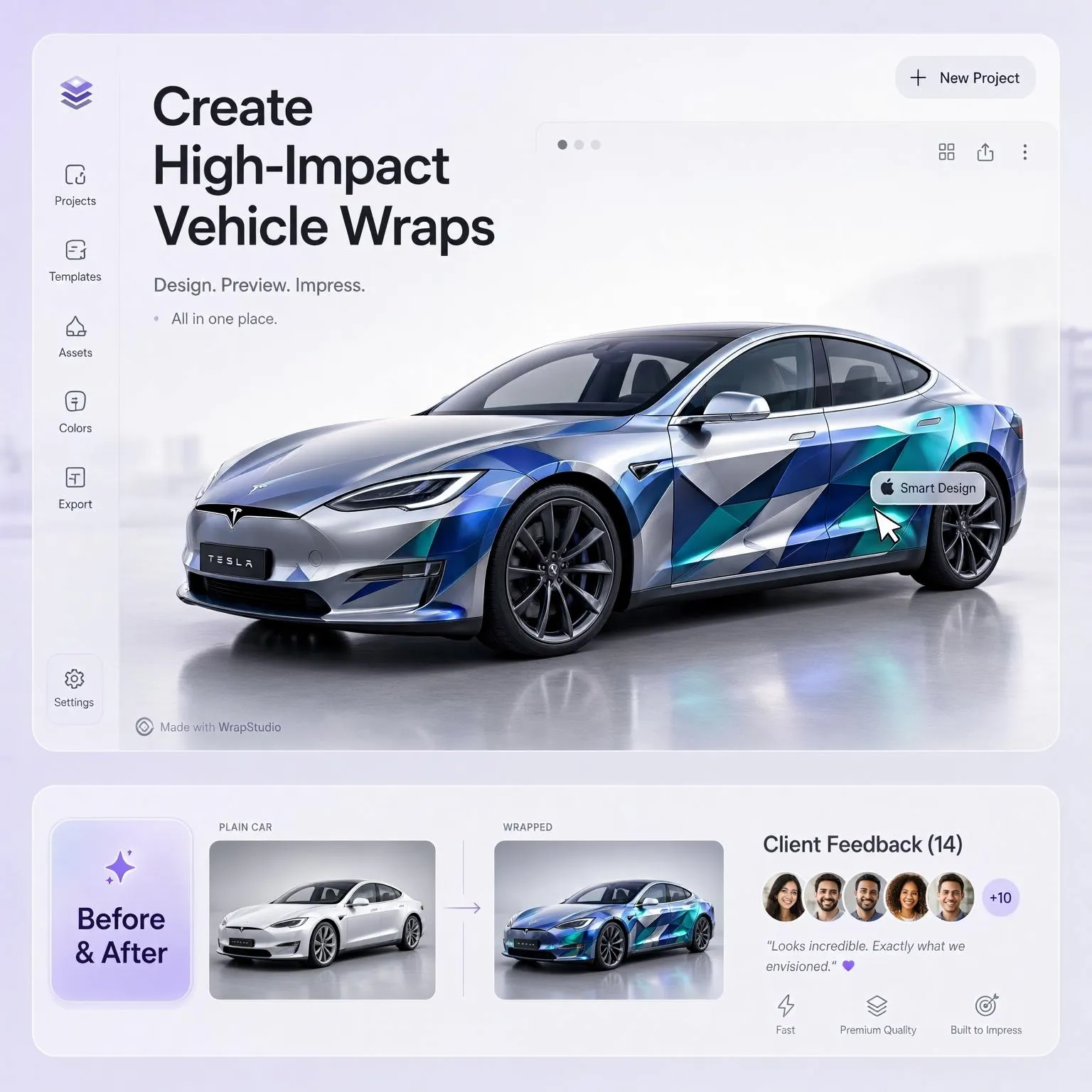

Standing in front of a wall of vinyl samples can feel overwhelming. You hold up a swatch of liquid metallic blue, squint in the showroom light, and try to imagine how that exact hue will curve over your bumper and stretch across your rear quarter panels.
The truth is, standard color swatches rarely show the whole picture.
If you want to bypass the costly mistake of ordering rolls of film only to realize the shade clashes with your car's factory lines, you need a smarter system. This guide walks you through how to preview, test, and lock in your ideal color with complete confidence before spending a single dollar on materials.
1. How to Test Car Wrap Colors Before Buying Vinyl
Purchasing vinyl without a preview is an expensive gamble. Most drivers struggle with a simple question: "How can I see whether a color suits my car before paying for it?"
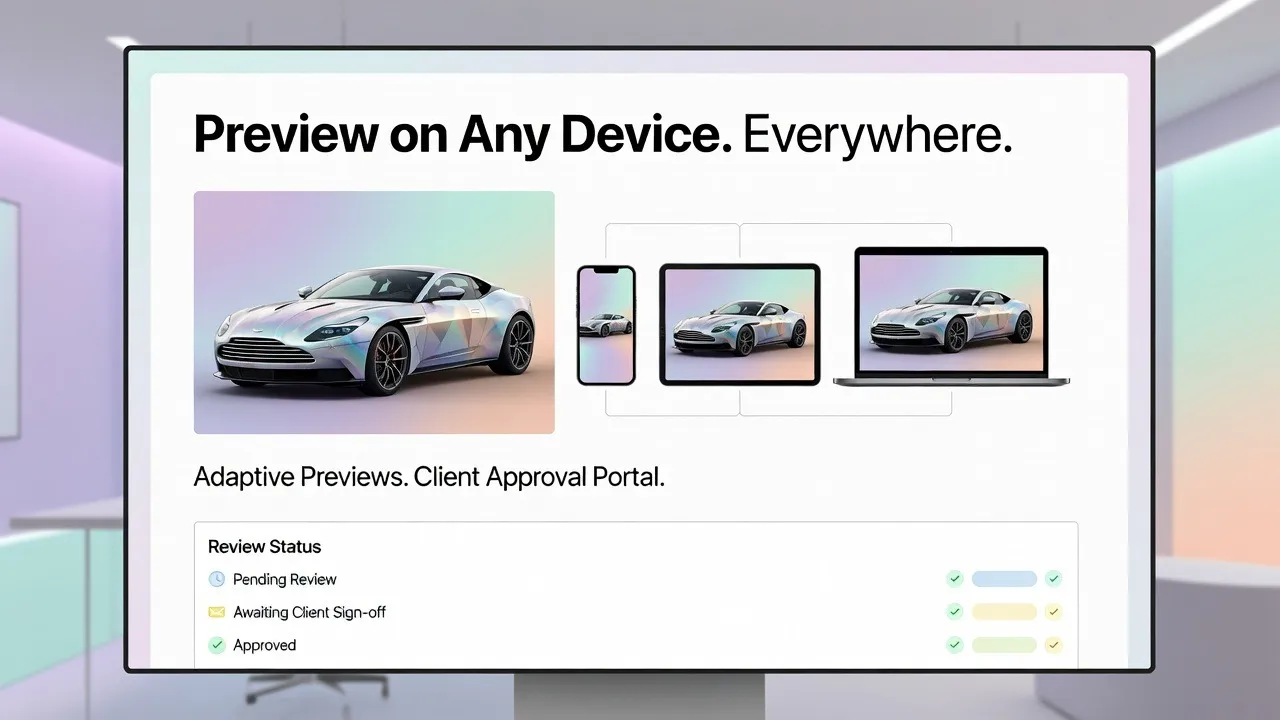
The goal here is simple: eliminate guesswork. Instead of risking hundreds of dollars on rolls of film that look completely different in your driveway than they did online, you need practical ways to test candidate hues. Using a Car Wrap Visualizer lets you bridge the gap between imagination and reality instantly.
As it turns out, testing digital concepts before touching physical film saves both time and material waste.
2. Start With Your Own Car Photo Instead of Guessing From Swatches
That satin emerald green might look breathtaking on a sleek European sports coupe in a promotional photo. But your daily driver has entirely different proportions, window angles, and body lines.
When you ask yourself, "That color looks amazing on another car, but what about mine?", you are running into a common mental trap.
Instead of forcing your imagination to map a color from a generic vehicle onto your specific model, upload a clean photo of your own car. Seeing candidate shades mapped directly onto your actual vehicle's shape lets your brain process the true proportions immediately. To explore how different vehicle profiles carry custom aesthetics, check out our guide on how to visualize a car wrap before installing.
3. Try a Car Wrap Color Visualizer Before Ordering Samples
Waiting days for physical sample cards to arrive in the mail stalls your project momentum. When you find yourself wondering, "Can I test several options without buying rolls of vinyl?", the fastest path forward is digital simulation.
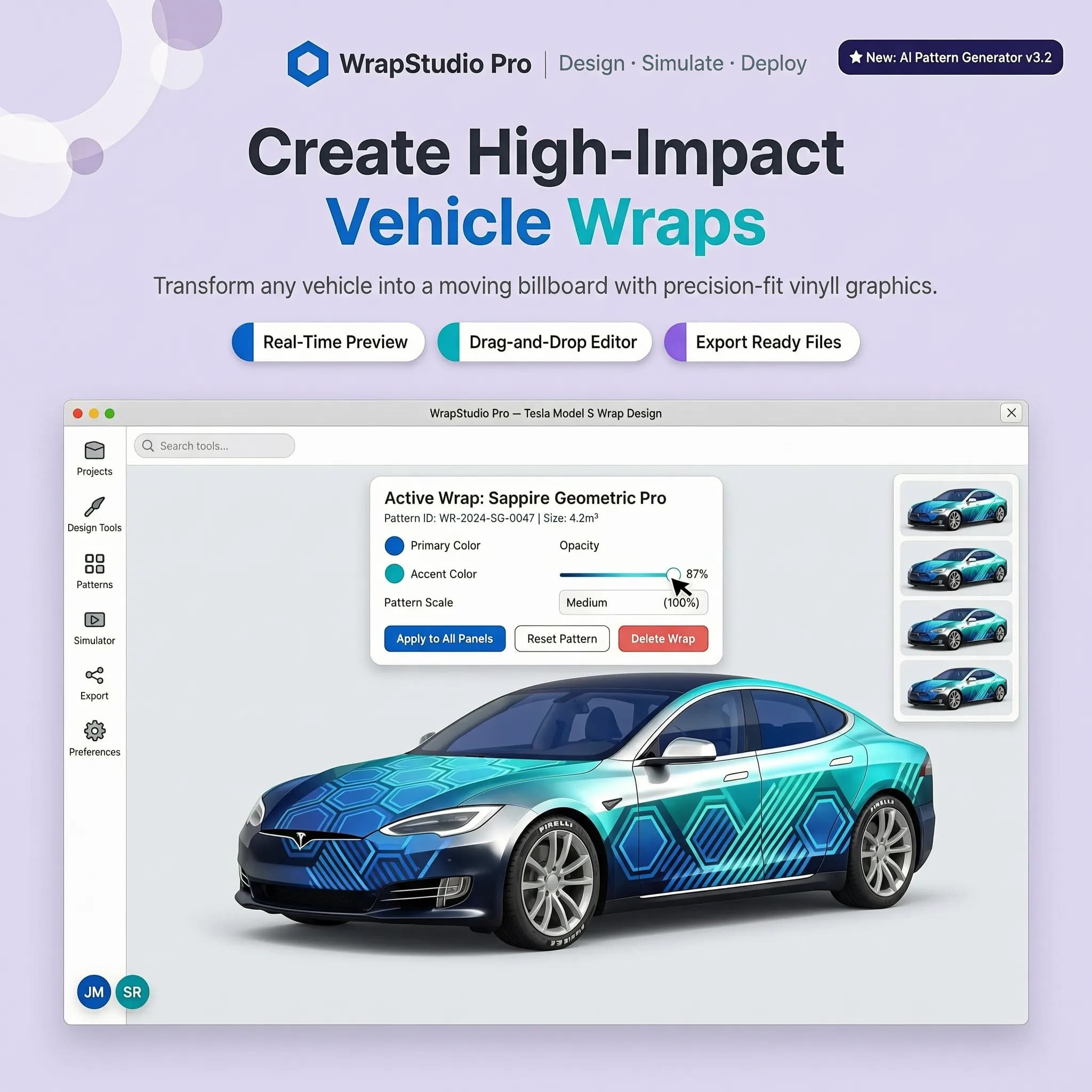
Leveraging a vehicle wrap customizer lets you cycle through dozens of high-end finishes in seconds. You can instantly evaluate color shifts, aggressive metallic flakes, and deep gloss tones without tearing open packaging or waiting on shipping logistics. If you are comparing digital mockups against traditional methods, read our breakdown on AI wrap mockups vs Photoshop to see how modern tools streamline the workflow.
4. Compare Your Favorite Colors Side by Side on the Same Car
Indeccision creeps in the moment you start juggling multiple browser tabs or flipping back and forth between physical swatches. If you keep changing your mind because you cannot remember which option looked sharper, you are experiencing choice overload.
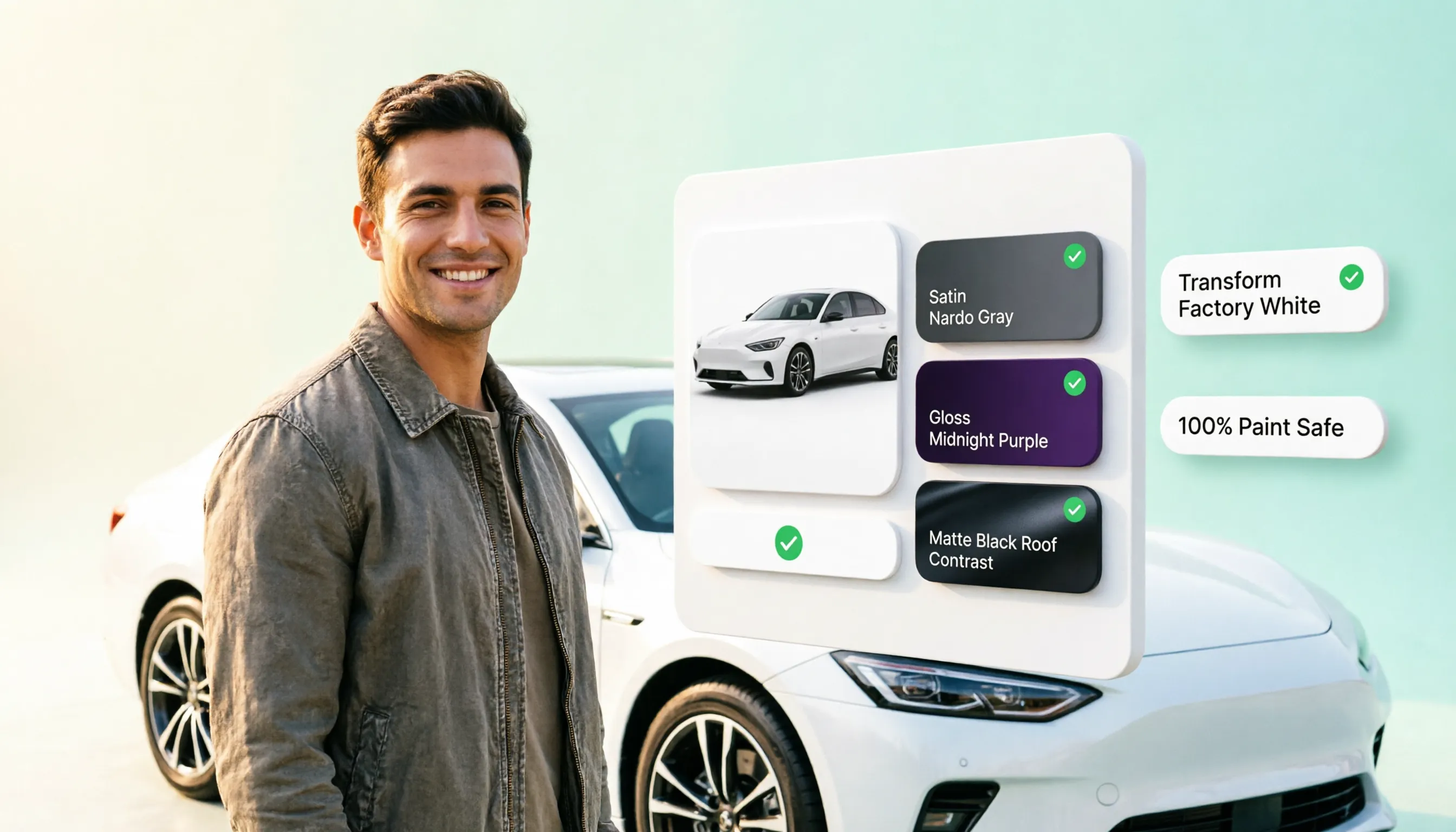
The trick is to lock the vehicle model in place and swap the color layers instantly on one screen. By keeping the viewing angle and lighting consistent, your eyes can spot minor undertones—like whether a dark gray leans too blue or too purple—without mental fatigue.
5. Test Safe Neutrals and Bold Colors Before Narrowing Your Choices
Deciding between staying understated or going completely radical is the hardest part of any build. You might ask, "Should I stay with black or silver, or try something more distinctive?"
Instead of jumping straight to extremes, test a balanced spectrum. Look at how timeless neutrals compare against high-impact tones using our best car wrap colors ideas. You might discover that a subtle satin charcoal hits the aggressive modern look you want without feeling too loud for your daily commute.
6. Check Whether Matte, Gloss, or Satin Changes Your Favorite Color
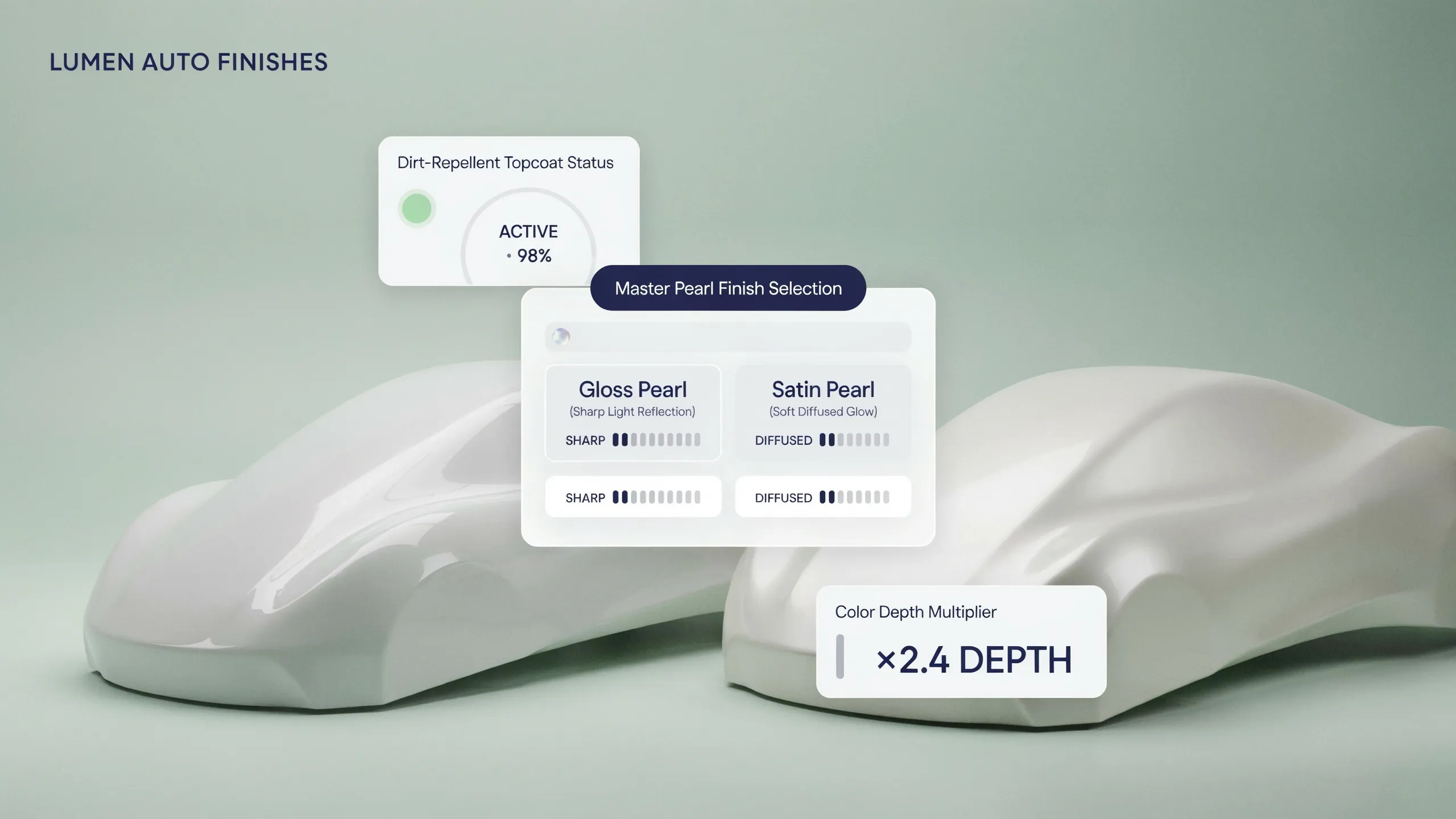
Color is only half the equation. The surface finish dictates how light bounces off every single body panel. If you like a specific shade of blue, but aren't sure whether a mirror-like shine or a subdued texture belongs on your ride, you need a direct finish comparison.
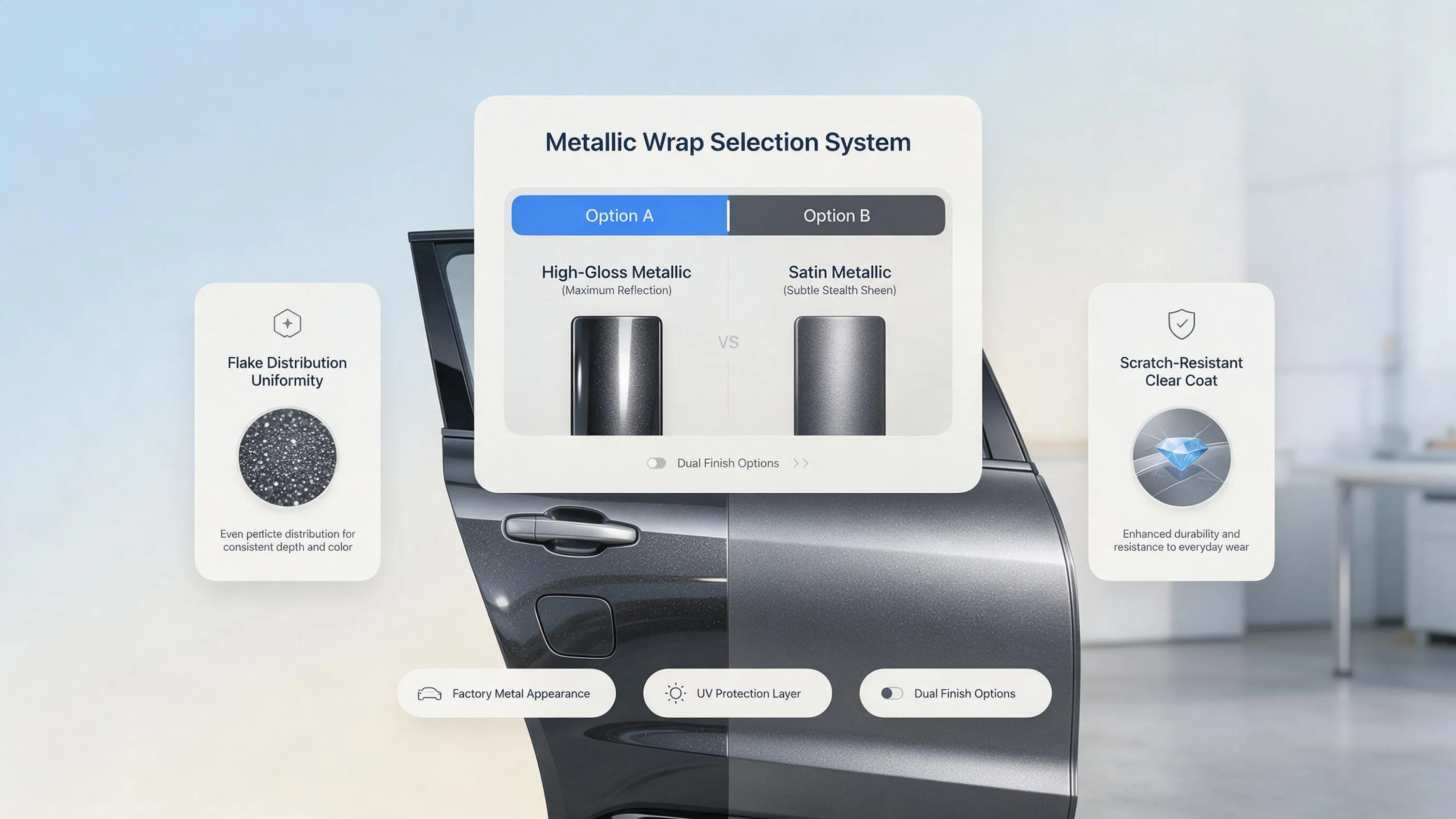
Different textures completely alter the personality of a hue. For instance, a flat texture absorbs light and highlights sharp body creases, while a high-gloss finish creates deep, liquid reflections. Dive into our detailed guide on matte vs gloss wrap to see how finish selection transforms your chosen pigment.
7. See How a Color Looks Across the Hood, Doors, and Curved Panels
A flat square swatch cannot show you how a wrap reacts to complex three-dimensional curves. When you wonder, "Will the color still look good across the whole car?", you have to analyze how light wraps around door handles, wheel arches, and roof lines.
Real cars feature complex shadows and highlights that change depending on the panel angle. Simulating the complete layout prevents nasty surprises where a color looks stunning on a flat hood door panel but washes out along deep side skirts.
8. Test Dark and Light Wrap Colors Against Your Car's Shape
Tone placement changes everything about a vehicle's road presence. Asking, "Will a darker color make the design look sharper or hide the body lines?" is vital when styling cars with pronounced fenders or subtle character creases.
Darker wraps tend to mask panel gaps and create an aggressive, stealthy silhouette, while lighter tones amplify every contour and make geometric lines pop. To see which direction fits your specific body style best, explore our insights on dark vs light car wrap colors.
9. Why a Digital Preview Won't Always Match the Actual Vinyl
Digital screens emit light, whereas vinyl film reflects ambient light in the physical world. Before pulling the trigger on a roll, you must account for this shift. Asking yourself, "Could the real film look different from what I see on screen?" ensures your expectations stay grounded.
While a visualizer gets you 95% of the way there by narrowing down your exact aesthetic, nothing replaces the final physical verification step. Once you have shortlisted your top two or three contenders on screen, ordering physical film samples is the smartest final safety check.
10. Which Colors Should You Order Physical Samples For?
Ordering sample swatches for every single color on the market leads to analysis paralysis. The key is using your digital trials to shortlist just two or three standout options.
When you want to know how to narrow down the choices worth checking in person, let your digital simulator do the heavy lifting first. Throw out the colors that looked mediocre on screen, and order physical squares only of the top contenders. For guidance on calculating exact material requirements once you decide, review our calculator resources on how much vinyl to order for a car.
11. Check Your Shortlisted Colors in Different Lighting Conditions
Physical vinyl behaves differently under midday desert sun, overcast skies, and warm garage parking lot bulbs. If you are asking, "Will this color still look good outdoors and in the shade?", take your physical sample swatches outside.
Tape the physical swatches to your car hood and walk around them at different times of day. Watch how the metallic flakes catch the morning light versus how the deep tone holds up under streetlights at night. This eliminates any lingering doubts before you commit to a full installation.
12. Make Your Final Color Choice Before Buying the Vinyl
You have tested the shades, compared the finishes, and checked the swatches in natural light. Now comes the final hurdle: confirming you are ready to buy. When you ask yourself, "What should I confirm before ordering the material or booking installation?", check these final boxes:
- Verify your total square footage needs using our vinyl wrap calculator.
- Double-check film batch consistency to avoid slight shade variations between rolls.
- Jump into the Car Wrap Visualizer one last time to admire your finished concept and pull the trigger on your dream build.
Frequently Asked Questions: Test Car Wrap Colors Before Buying & Installing
1. How do I test car wrap colors before buying rolls of vinyl?
To test car wrap colors risk-free, use a high-definition vehicle wrap customizer to render candidate shades directly onto a clean photo of your vehicle. Once you narrow down your favorite options on screen, order a few physical sample swatches to inspect the film under real-world daylight before making a full material purchase.
2. Can I test how different wrap colors look on my specific car model?
Yes. Relying on generic promotional photos can be misleading because every car model features distinct body proportions and character lines. Uploading a high-resolution photo of your actual vehicle into a digital simulator lets you test dark, light, metallic, or satin shades specifically mapped over your car's exact shape before spending money on raw materials.
3. Why should I test car wrap colors in natural sunlight before committing?
Digital screens emit light, whereas physical vinyl film reflects ambient environmental light. Testing physical wrap samples under direct morning sun, afternoon shade, and overcast conditions reveals true color shifts, metallic flake depth, and potential undertones that could otherwise surprise you after a full installation.
4. Is it better to test car wrap colors digitally before ordering physical swatches?
Digital testing is the most efficient starting point because it saves both time and money. Trying dozens of shade and finish combinations on screen allows you to immediately throw out options that clash with your ride, leaving you with a refined shortlist of two or three standout colors worth ordering in physical sample form.
5. How can I compare two car wrap colors side by side on the same vehicle?
To run a side-by-side test, render your top two candidate colors on identical photos of your car using consistent lighting angles. Placing both renders side by side on one screen eliminates mental guesswork and highlights subtle variance between similar tones, such as contrasting a deep liquid gloss against a subtle matte finish.
6. Will testing wrap colors help me decide between a full wrap and a partial accent?
Testing colors virtually allows you to experiment with partial overlays—such as testing a gloss black roof, carbon fiber hood, or contrasting side mirrors—alongside full color changes. Seeing the visual balance on screen first prevents over-styling and ensures your contrast accents complement the factory base paint cleanly.
7. How do I know if a bold wrap color will look too loud on my car?
Testing bold or radical colors—such as acid green, metallic copper, or vibrant purple—in a virtual sandbox allows you to judge visual impact without financial consequence. If an aggressive shade feels overpowering across broad door panels on screen, you can effortlessly adjust the saturation or pivot to a refined satin neutral with a single click.
8. Should I test how matte, satin, and gloss finishes change the same wrap color?
Surface texture dramatically alters how a color behaves under ambient light. Testing matte, satin, and high-gloss variants of the same base pigment reveals whether light-absorbing flat sheens or mirror-like reflective coats look better across your vehicle's curved body panels and aggressive body lines.
9. How do I perform a physical tape-and-sample test on my car's paint?
To test physical film samples, apply small vinyl sample strips directly onto major body sections—such as the hood lip, lower door panel, and rear bumper corner. Leave them on for a couple of days to observe how the color interacts with your factory paint, wheel finish, and window tint under varying atmospheric conditions.
10. How does testing car wrap colors prevent costly installation mistakes?
Testing colors before purchasing rolls prevents "buyer's remorse"—the expensive mistake of unrolling thousands of dollars worth of film only to realize the shade looks dull or mismatched on your driveway. Thorough digital and physical testing guarantees complete confidence in your chosen aesthetic before installation begins.
11. Can I test whether a wrap color will hide dirt and minor road road grime?
Yes. Light-colored wraps and metallic finishes naturally mask light dust, road film, and water spots, whereas deep gloss blacks and dark solid tones require frequent maintenance to stay pristine. Testing different shades helps you choose a finish that aligns perfectly with your daily driving and detailing routine.
12. What is the final step after testing and selecting my ideal wrap color?
Once your digital renders look sensational and your physical swatch test checks out under all lighting conditions, measure your vehicle's total surface area using a vinyl wrap calculator, order the required film square footage, and hand your exact color codes over to your professional installer.