
Finishing a full vehicle transformation brings an incredible feeling of accomplishment. You step back, admire the razor-sharp edges and flawless finish, and then look down at the floor: sitting right there is a sizeable piece of premium film left over on the core.
Don't treat those remaining yards like garbage.
Whether you saved enough material to wrap your side mirrors, custom-style your interior trim, or keep an exact color-matched reserve for future rock chip repairs, improper storage will quickly turn expensive film into useless trash. Heat, dust, humidity, and improper rolling can permanently ruin the pressure-sensitive glue and leave nasty tunnel creases across the surface.
If you want your leftover vinyl to apply just as smoothly three months from now as it did on day one, you must protect it correctly. This guide breaks down the essential steps to store your extra film without losing a single square inch.
1. How to Store Leftover Car Wrap Vinyl Without Ruining It
Seeing expensive material sitting unsecured on a workshop bench triggers instant concern. Most DIY builders and custom installers share the exact same thought: "I've got material left over. How do I keep it usable for my next project?"
The primary goal is preserving both the visual finish and the underlying adhesive chemistry. Leftover film represents real money saved on future repairs or custom accents. If you are already planning small secondary upgrades like accenting your cabin, check out our guide on whether you can wrap interior car panels.
Here is the golden rule of material preservation: stored film requires the same controlled, clean environment as the vehicle did during installation day.
2. Should You Keep Vinyl Wrap on the Original Roll or Store It Flat?
When space gets tight, it becomes tempting to fold up large excess sheets and stuff them into a cabinet. You inevitably pause and ask: "Can I fold the leftover pieces, or do they need to stay rolled?"
Never fold vinyl film. Folding creates permanent creases that fracture the face film and ruin the air-release channels printed into the backing paper. Large sections must always remain tightly wound around a rigid cardboard core, while smaller scrap sheets should lie completely flat inside a clean protective folder. To calculate how much material you used versus what remains, check our vinyl wrap calculator.
3. How to Roll Up Leftover Vinyl Without Creating Creases
Rewinding film back onto a core seems simple, but doing it carelessly causes a severe defect known as "tunneling"—where the vinyl lifts away from its paper backing liner, creating air pockets. You naturally wonder: "How do I put it away without damaging the film?"
Always roll the material with the film side facing outward (face-out) unless explicitly directed by the manufacturer. Keep firm, uniform tension across the entire width while winding to prevent telescoping ends. Secure the edge with masking tape taped onto itself—never apply aggressive adhesives directly onto the working face of the film.
4. What to Do With Small Cut Pieces After a Wrap Job
Tossing smaller offcuts into the waste bin is a huge missed opportunity. You might look at a pile of leftover strips and ask: "Are the scraps worth keeping, and how should I organize them?"
Small remnants are pure gold for minor trim accents, door handle overlays, or performing quick patch jobs if road debris damages an bumper lip down the road. If you ever need to fix a tiny tear on your daily driver, dive into our tutorial on how to repair a small cut in vinyl wrap.
5. Keep Dust, Dirt, and Moisture Away From the Adhesive Side
The worst nightmare for stored vinyl is airborne contamination. Installers frequently worry: "What if the backing gets dirty or the exposed adhesive collects dust?"
If micro-dust, pet hair, or moisture reaches the exposed edge of your roll, it will creep between the film layers and ruin the glue edge. Immediately slip your wound roll inside the original plastic anti-static sleeve, or seal it completely in a clean poly bag before placing it on a storage shelf.
6. Where Should You Store Vinyl Wrap: Garage, Workshop, or Indoors?
Leaving a roll sitting on a garage floor exposes it to massive environmental swings. You have to ask yourself: "Can I leave the roll in my garage, or will the conditions damage it?"
Unconditioned garages experience drastic daily shifts in humidity and temperature that weaken pressure-sensitive adhesives. The absolute best location for storing film is inside a climate-controlled room or a temperature-stable shop cabinet, stored vertically or hung on a dedicated roll rack.
7. Can Heat, Cold, and Sunlight Affect Unused Car Wrap Vinyl?
Extremes in climate quickly destroy the chemical stability of cast and polymeric vinyls. You might ask: "Will the leftover film still work after sitting in a hot garage?"
Direct UV light and high heat bake the film, causing the release liner to fuse permanently to the adhesive layer. Sub-freezing temperatures make the material brittle, causing it to crack when unrolled. Keep rolls in a cool, dark room held between 60°F and 75°F (15°C to 24°C) away from windows and heat vents. For more advice on environmental stress factors, read our report on whether sun damage can ruin a car wrap.
8. How to Protect the Roll From Pressure, Heavy Objects, and Damage
Setting a heavy toolbox or spare vehicle parts on top of a loose roll causes flat spots across the material. Owners often wonder: "Can I stack other materials on top of the roll?"
Flat pressure spots deform the memory of cast film, resulting in visible dark lines or optical distortion when you try to stretch it later. Never stack rolls horizontally on top of one another without protective end caps. Suspending the core horizontally on a pipe rack or standing rolls vertically on end keeps the working surface completely untouched.

9. How Long Can You Keep Leftover Vinyl Wrap Before Using It?
Even perfectly stored film does not last forever on the shelf. You might ask: "Does unused vinyl expire, even if the roll is unopened?"
Most top-tier manufacturers rate shelf life at 1 to 2 years from the manufacturing date under ideal storage conditions. Beyond that window, the pressure-sensitive adhesive hardens and loses its initial tack. If you ever wonder whether older installed film on your car needs replacing or fresh application, review our detailed guide on the car wrap warranty guide.
.webp)
10. Should You Store Different Wrap Colors and Finishes Separately?
When you accumulate multiple rolls from various projects, your storage rack can become a chaotic mess. You wonder: "How do I stop my leftover gloss, matte, or specialty films from getting mixed up?"
Matte and satin films feature delicate surface textures that can pick up unwanted glossy spots if pressed tightly against ultra-gloss liners. Group your rolls by brand, color code, and surface texture. If you are managing different finish types, explore our side-by-side guide on comparing flat textures against glossy finishes.
11. How to Check Old Vinyl Wrap Before Using It Again
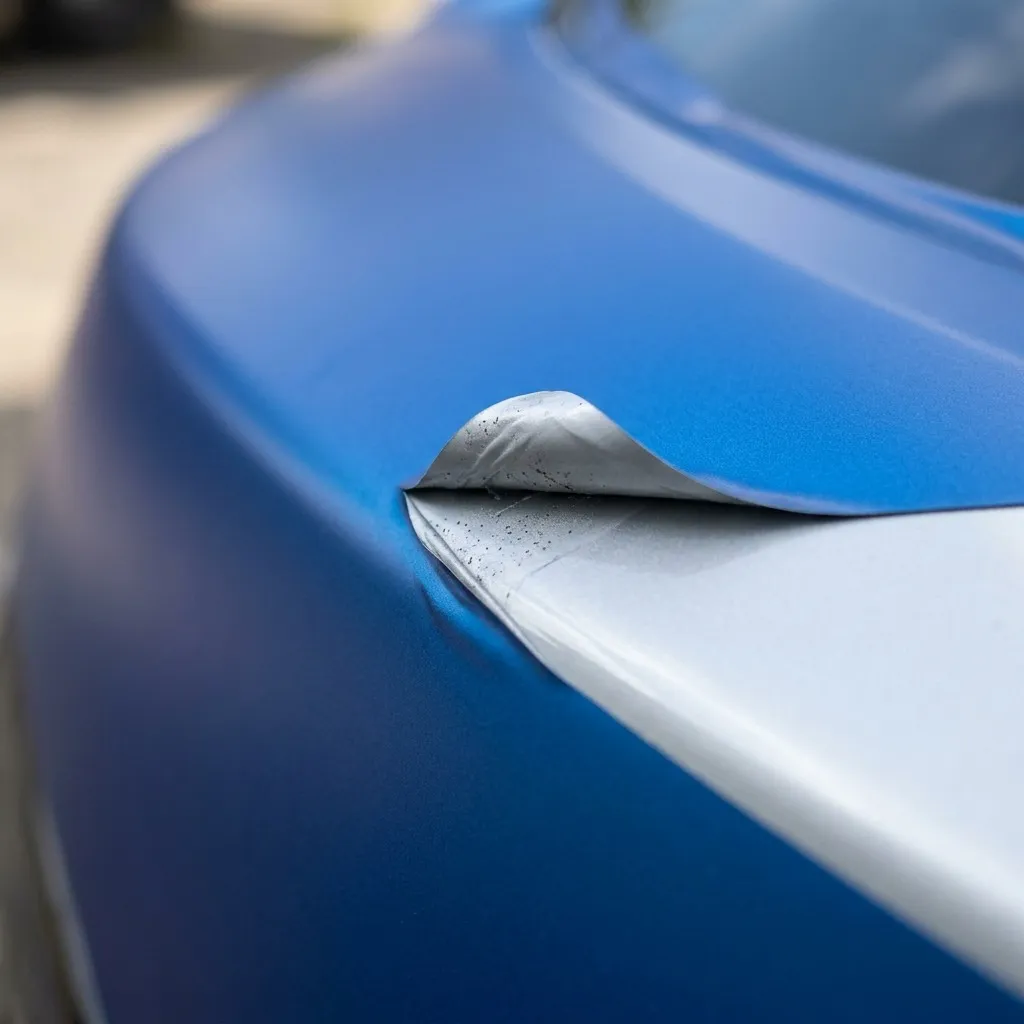
Pulling an old roll out of storage after six months requires a quick quality assessment before laying it down on paint. It is smart to ask: "How can I tell if the film is still suitable for another job?"
Before starting a new project, unroll a two-foot test strip and inspect it carefully:
Check the backing: Does the release paper peel away smoothly without leaving paper fibers on the glue?
Test initial tack: Does the adhesive grip a clean metal panel firmly under light thumb pressure?
Look for tunneling: Is the face film completely smooth without raised air bubbles across the surface?
If you notice severe edge lifting or adhesion loss, review our troubleshooting guide on why vinyl wrap loses adhesion.
12. A Simple Vinyl Wrap Storage Checklist for Your Next Project
Protecting your remaining material takes less than five minutes at the end of installation day, but saves hundreds of dollars down the line. Before putting your extra film away, complete this quick storage routine:
Clean the film face: Wipe away any hand prints or shop dust using a microfiber towel.
Wind face-out: Roll the material tightly around a sturdy cardboard tube with uniform tension.
Secure the seam: Tape the roll edge using safe painter's tape—never harsh duct tape.
Label the core: Write down the brand, exact color name, finish code, and remaining roll length on the inner core.
Seal in plastic: Enclose the roll in a dust-proof poly bag.
Store correctly: Stand the roll vertically or hang it on a core rack inside a climate-controlled room.
Frequently Asked Questions: How to Store Leftover Car Wrap Vinyl
1. How do I store leftover car wrap vinyl without ruining it?
Storing leftover vinyl requires keeping the material in a clean, temperature-controlled environment away from direct sunlight, humidity, and airborne dust. To keep your film usable, roll the material tightly face-out around a sturdy cardboard core, secure the outer edge with masking tape, and slide the roll into a protective anti-static poly bag or vertical storage rack.
2. Should I keep vinyl wrap on the original roll or store it flat?
Always keep larger leftover sections wound tightly around a rigid cardboard core rather than storing them flat or folded. Folding vinyl creates permanent, unfixable creases that fracture the face film and ruin the air-release channels printed into the backing paper. Smaller offcuts can be stored flat inside a clean protective folder.
3. How do I roll up leftover vinyl without creating creases?
Roll the material with the colored film side facing outward (face-out) unless specified otherwise by the manufacturer. Maintain firm, uniform tension across the entire width of the roll as you wind it to prevent telescoping ends or "tunneling," which creates air pockets between the film and its paper backing liner.
4. What should I do with small cut pieces and scraps after a wrap job?
Never throw away clean scrap pieces. Small remnants are exceptionally valuable for minor trim accents, door handle overlays, or performing quick, invisible patch jobs if road debris damages a bumper corner later on. Group your offcuts by color code and store them flat in a labeled drawer.
5. How do I protect the adhesive backing from dust, dirt, and moisture?
The backing adhesive is a magnet for airborne dust, pet hair, and humidity. If contaminants touch the exposed edge of your roll, they will creep between layers and destroy the glue. Always seal your wound rolls inside a dust-proof poly bag or the original anti-static sleeve immediately after finishing your project.
6. Where is the best place to store unused car wrap vinyl?
The absolute best location for storing vinyl film is inside a climate-controlled room or a temperature-stable shop cabinet kept between 60°F and 75°F (15°C to 24°C). Avoid unconditioned garages or sheds where drastic daily swings in humidity and temperature can weaken the pressure-sensitive adhesive.
7. Can extreme heat, cold, and sunlight ruin stored car wrap vinyl?
Yes. Direct sunlight and high heat bake the film, causing the release liner to fuse permanently to the adhesive layer. Conversely, sub-freezing temperatures make cast vinyl brittle, causing it to crack or shatter when unrolled. Keep your rolls away from windows, direct sunlight, and heating vents.
8. How do I prevent pressure damage, heavy stacking, and edge crushing?
Never stack heavy toolboxes, spare parts, or multiple rolls horizontally on top of each other without protective end caps, as pressure creates flat spots and optical distortion in the film. Suspend your rolls horizontally on a core rack or stand them vertically on end to keep the working surface pristine.
9. How long can I keep leftover vinyl wrap before it expires?
Most top-tier manufacturers rate cast and polymeric wrap shelf life at 1 to 2 years from the manufacturing date under ideal storage conditions. Beyond that window, the pressure-sensitive adhesive hardens, loses its initial tack, and becomes difficult to apply cleanly over automotive curves.
10. Should I store different wrap colors, brands, and finishes separately?
Yes. Delicate matte, satin, and ultra-gloss films feature specialized surface textures that can pick up unwanted scuffs or gloss variations if pressed tightly against conflicting liners. Group your rolls by brand, color name, and finish type to prevent cross-contamination and make inventory checks effortless.
11. How can I test old vinyl wrap to see if it is still usable?
Before attempting a new project, unroll a two-foot test strip. Check if the release paper peels away smoothly without leaving paper fibers on the glue, test whether the adhesive firmly grips a clean metal panel under light pressure, and ensure the face film is entirely free of tunneling or edge lifting.
12. What is a simple checklist before putting leftover vinyl away?
Before storing your film, run through this quick preservation routine: wipe down the outer surface with a clean microfiber towel, roll the material tightly face-out around a sturdy core, tape the edge securely with painter's tape, write the color code and remaining footage on the inner tube, and seal the roll inside a protective poly bag.
Need to calculate your remaining material or design your next custom accent project? Jump into our vehicle wrap customizer to visualize new concepts and turn your extra material into head-turning designs!