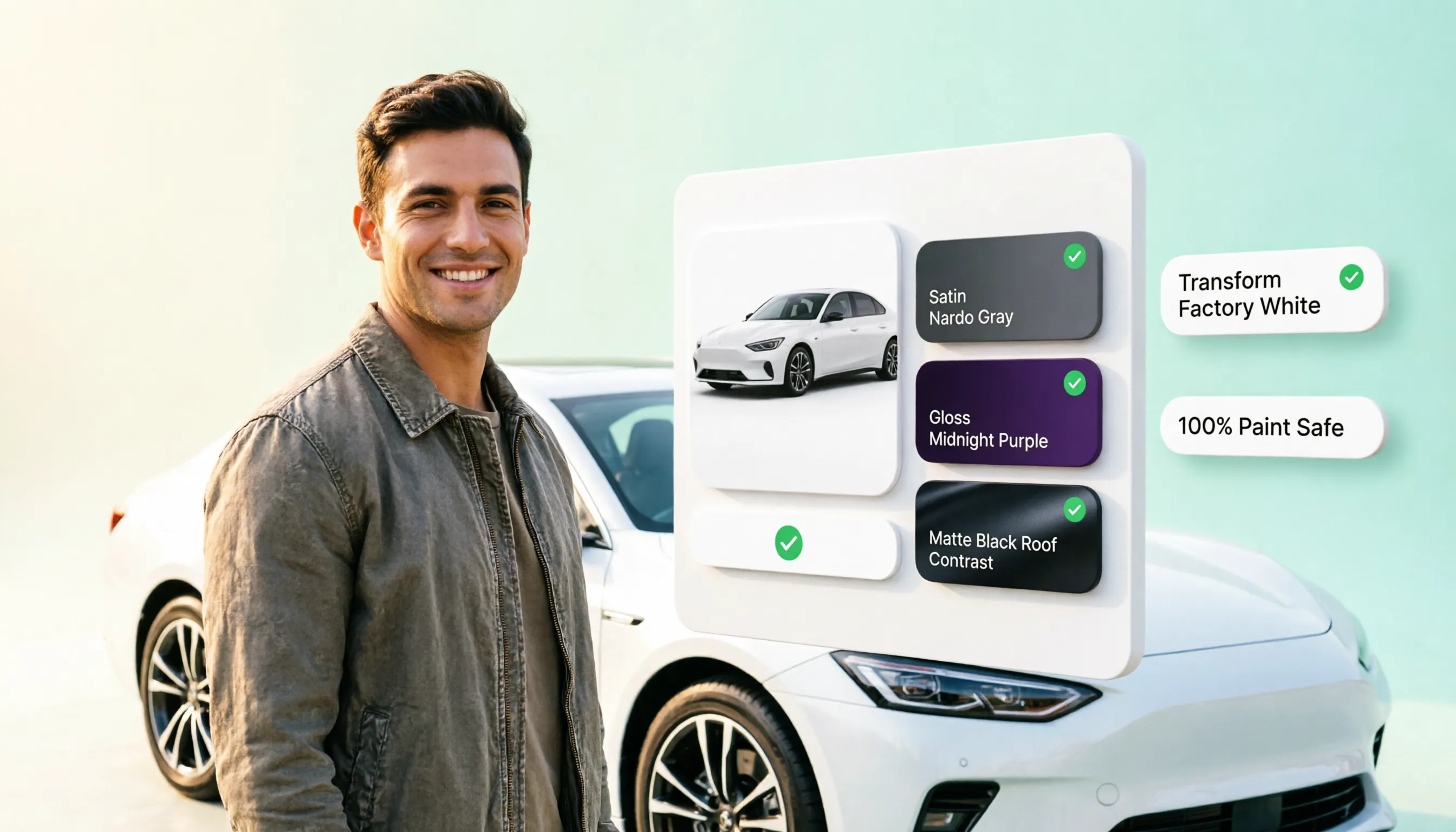

You just handed over thousands of dollars for a fresh vehicle transformation.
As you drive off the lot, you feel a mix of pride and underlying anxiety.
What happens in eight months if the vinyl along the door handle starts curling back? If a hot summer afternoon causes bubbles across the hood, am I paying out of pocket for a fix, or will the shop take care of it without a fight?
Here is the inconvenient truth about the customization industry: A "5-year warranty" badge printed on a brochure rarely means 5 years of total, no-questions-asked coverage.
Warranty protection in the vehicle wrap world is split between two separate entities with radically different terms: the chemical manufacturer who made the raw film, and the local technician who laid it onto your sheet metal. If you don't know where one policy ends and the other begins, a single improper pressure washer spray can void your coverage entirely.
Before you sign a work order or try to resolve a lifting panel, here is how vehicle wrap warranties function in the real world.

1. How Long Does a Car Wrap Warranty Last?
When an installer tells you a wrap comes with a 5-year or 7-year guarantee, they are almost always quoting the maximum theoretical lifespan of the raw vinyl under ideal climate conditions.
┌────────────────────────────────────────────────────────────────────────┐ │ REALITY OF WARRANTY TIMELINES │ ├────────────────────────────────────────────────────────────────────────┤ │ [ Material Film Warranty ] --> 3 to 7 Years (Guarantees against cracking)│ │ [ Workmanship Coverage ] --> 1 to 2 Years (Guarantees against lifting) │ │ [ Vertical vs. Horizontal ] --> Hoods/roofs get 50% less coverage time│ └────────────────────────────────────────────────────────────────────────┘
The duration of your actual coverage depends on three key factors:
Panel Orientation: Horizontal surfaces (roofs, hoods, trunk lids) absorb intense, direct solar radiation and environmental fallout. Manufacturers typically reduce the vinyl wrap warranty period on horizontal panels to roughly 1 to 3 years, compared to 5 or 7 years on vertical door panels.
Geographic Zone: Vehicles parked in high-UV states like Arizona, Texas, or Florida face reduced material warranty windows compared to cars driven in milder northern climates.
Finish Type: Ultra-gloss and metallic films generally carry longer coverage periods than sensitive matte, satin, or textured chrome finishes.
2. Manufacturer Warranty vs. Installer Warranty: What's the Difference?
This is where most vehicle owners get blindsided during a dispute.
A car wrap warranty is not a single blanket policy. It is divided into two distinct guarantees that cover entirely different failure points.
MANUFACTURER vs. INSTALLER RESPONSIBILITY [ Film Manufacturer Warranty ] [ Shop Workmanship Warranty ] │ │ • Issued by 3M, Avery, KPMF • Issued directly by local installer • Covers chemical film failure • Covers physical application errors • Fading, crazing, glue separation • Lifting edges, fingers, install bubbles
If the vinyl prematurely fades, cracks, or leaves permanent adhesive contamination during removal within the rated period, that falls under the car wrap manufacturer warranty.
However, if an edge curls back along a door handle three weeks after pickup, the film manufacturer will reject the claim instantly—attributing the failure to over-stretching or missing post-heat steps. That issue falls under your car wrap installation warranty, which is backed solely by your local shop's reputation and business terms.
3. Does a Car Wrap Warranty Cover Peeling, Bubbling, and Lifting?
Edge peeling, fingers, and raised channels are the most common issues on new installations. Whether these failures are covered depends entirely on when they happen and why they occurred.
┌────────────────────────────────────────────────────────────────────────┐ │ ADHESION FAILURE DIAGNOSTICS │ ├────────────────────────────────────────────────────────────────────────┤ │ [ Covered ] --> Edge lift within 12 months due to installation tension│ │ [ Non-Covered ] --> Edge lift caused by high-pressure spray nozzles │ │ [ Non-Covered ] --> Channel bridging from wrapping over uncleaned dirt│ └────────────────────────────────────────────────────────────────────────┘
Covered Scenarios: If the film lifts along a fender seam or pops a bubble in a recessed door channel within the first 6 to 12 months due to material memory or insufficient post-heating, a reputable shop will repair or re-wrap the panel under their labor guarantee.
Excluded Scenarios: If an edge lifts because you blasted it from 2 inches away with a commercial pressure washer, or if deep road mud accumulated under an un-hemmed wheel arch, the shop will class the issue as user neglect.

4. Does a Car Wrap Warranty Cover Fading, Cracking, or Discoloration?
Yes, but only when the deterioration occurs faster than the manufacturer's official degradation curves allow.
All PVC films undergo natural aging when exposed to outdoor elements. A car wrap fading warranty protects you against catastrophic, premature visual breakdown—not natural, gradual weathering over five years.
NATURAL AGING vs. COVERED MATERIAL FAILURE [ Natural Weathering ] [ Covered Chemical Failure ] │ │ • Slight, uniform sheen loss • Blotchy, uneven color bleaching • Minor shift over 4+ years • Deep spiderweb cracking (crazing) • Standard UV exposure wear • Film turning brittle & flaking off
If a dark gloss or metallic shade turns cloudy, milky, or develops deep spiderweb cracks (known as crazing) within its rated vertical or horizontal warranty window, the manufacturer will supply replacement material.
Keep in mind: most material warranties only cover the cost of the replacement roll, leaving you to negotiate labor costs with your installer for the re-application work.
5. What Can Void a Car Wrap Warranty?
You can purchase the highest-grade cast film on the market, but a single lapse in care or an unauthorized modification will void your coverage entirely.
┌────────────────────────────────────────────────────────────────────────┐ │ PRIMARY WARRANTY VOID TRIGGERS │ ├────────────────────────────────────────────────────────────────────────┤ │ [X] Washing with automatic brush car washes │ │ [X] Applying harsh solvents, petroleum distillates, or bug sprays │ │ [X] Wrapping over non-factory, soft, or damaged repainted surfaces │ │ [X] Allowing bird droppings or tree sap to bake in sun past 48 hours │ └────────────────────────────────────────────────────────────────────────┘
Installing film over aftermarket bodywork or fresh repaints is one of the quickest ways to cancel coverage. If the paint underneath was not factory-baked or given 30 days to fully outgas before wrapping, any clear coat peeling during removal or re-work will be excluded from the vinyl wrap warranty terms.
6. Does Washing Your Car or Using the Wrong Products Affect the Warranty?
Routine maintenance dictates whether a warranty claim is accepted or denied.
When a technician evaluates a failed panel, they look for chemical staining, micro-scratches from automated brushes, and pressure washer burns along the seams.
SAFE vs. WARRANTY-THREATENING CARE [ Safe Maintenance ] --> Hand wash with pH-neutral soap & soft microfiber [ High-Risk Practice ] --> Automated drive-thru washes with spinning brushes [ Prohibited Chemicals] --> Solvents, harsh degreasers, and petroleum waxes
To protect your car wrap warranty coverage:
Avoid Automated Brush Washes: Mechanical bristles pull at wrapped panel hems, causing edge lifting that voids installation guarantees.
Watch Pressure Washer Distance: Keep spray nozzles at least 12 to 18 inches away from seams, and spray perpendicular to the surface—never angled directly beneath a vinyl edge.
Use Dedicated Wrap Solvents: Never apply harsh bug-and-tar removers or household glass cleaners containing ammonia to wrapped surfaces.
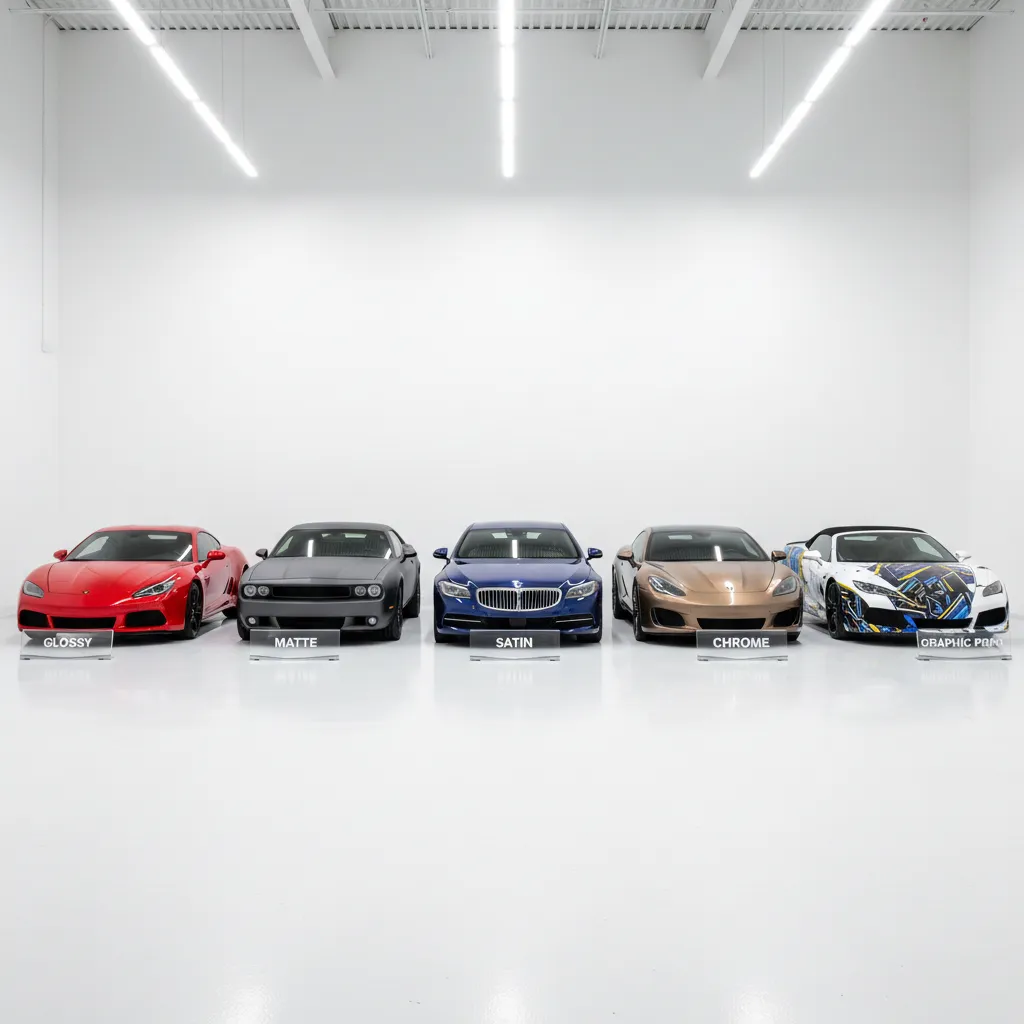
7. Are Car Wrap Warranties Different for Matte, Gloss, and Specialty Finishes?
Film finish directly impacts the coverage terms offered by major chemical manufacturers.
┌────────────────────────────────────────────────────────────────────────┐ │ FINISH-SPECIFIC COVERAGE COMPARISON │ ├────────────────────────────────────────────────────────────────────────┤ │ • High-Gloss Cast Films --> Maximum protection window (Up to 7 Yrs) │ │ • Matte / Satin Series --> Reduced coverage; sensitive to scuffs │ │ • Chrome / Velvet / Flip --> Very short windows (Often 1 Yr or None) │ └────────────────────────────────────────────────────────────────────────┘
Because matte and satin finishes lack a clear, protective topcoat gloss layer, they absorb environmental fallout and show scuffs more readily.
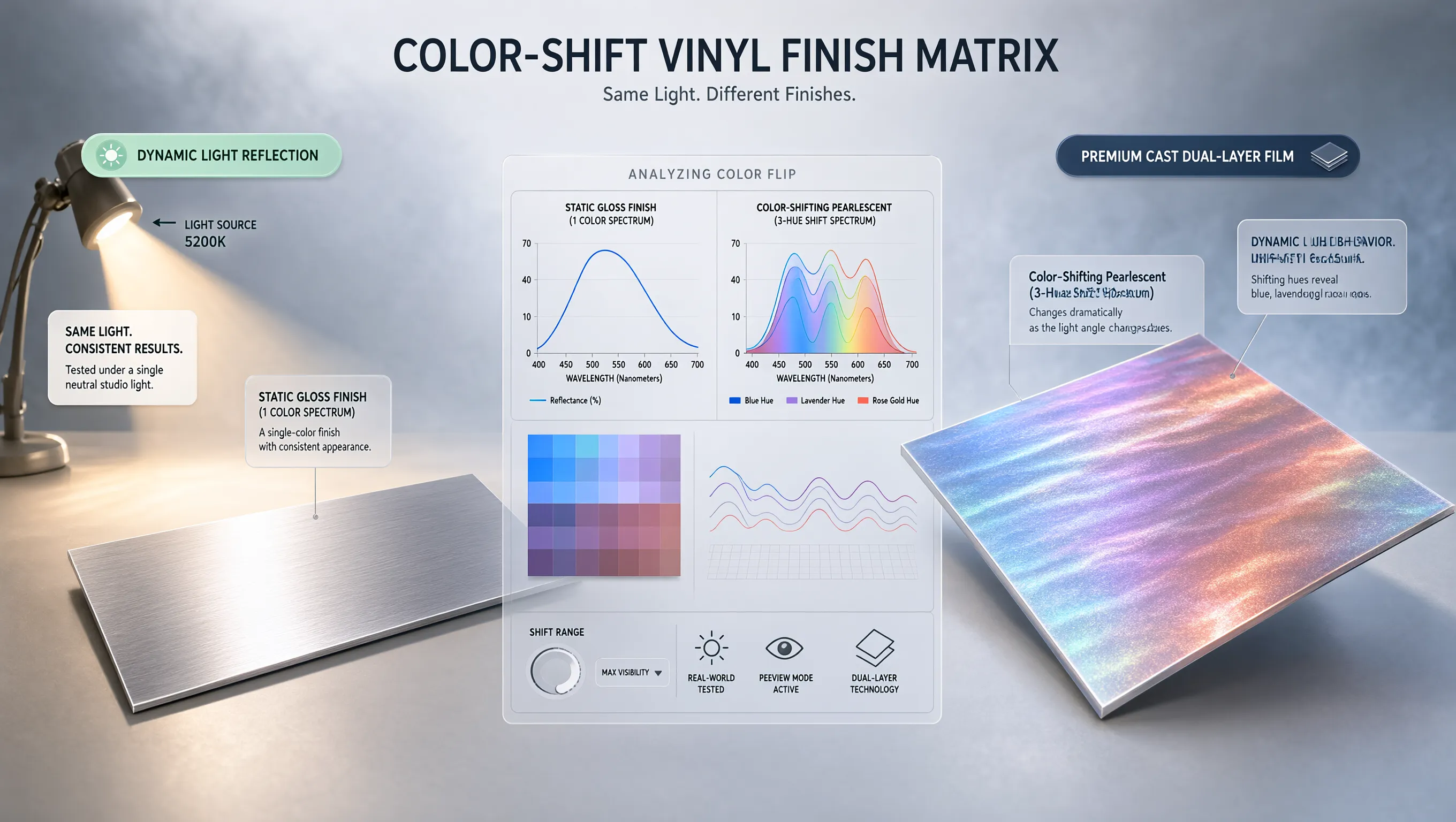
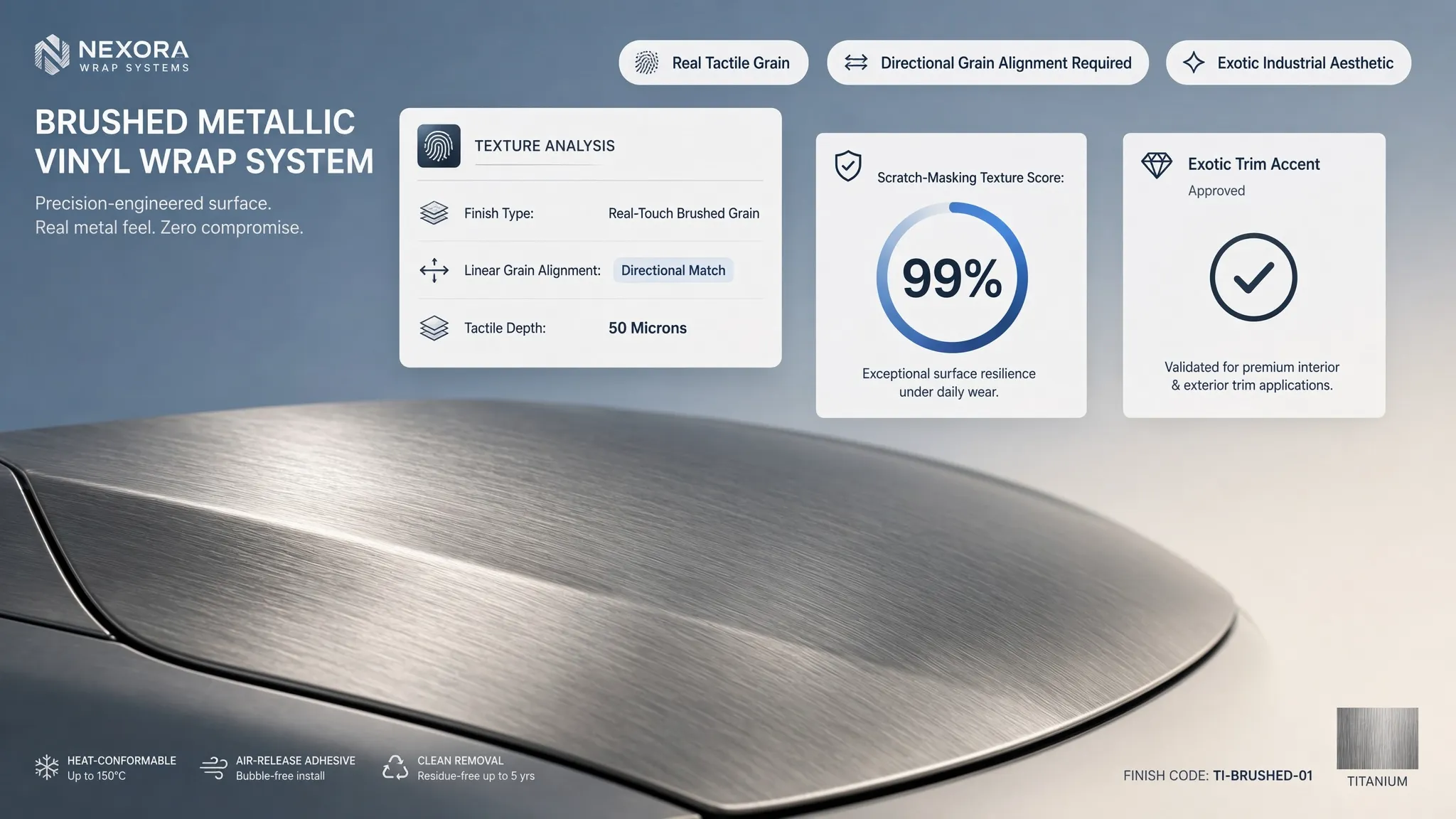
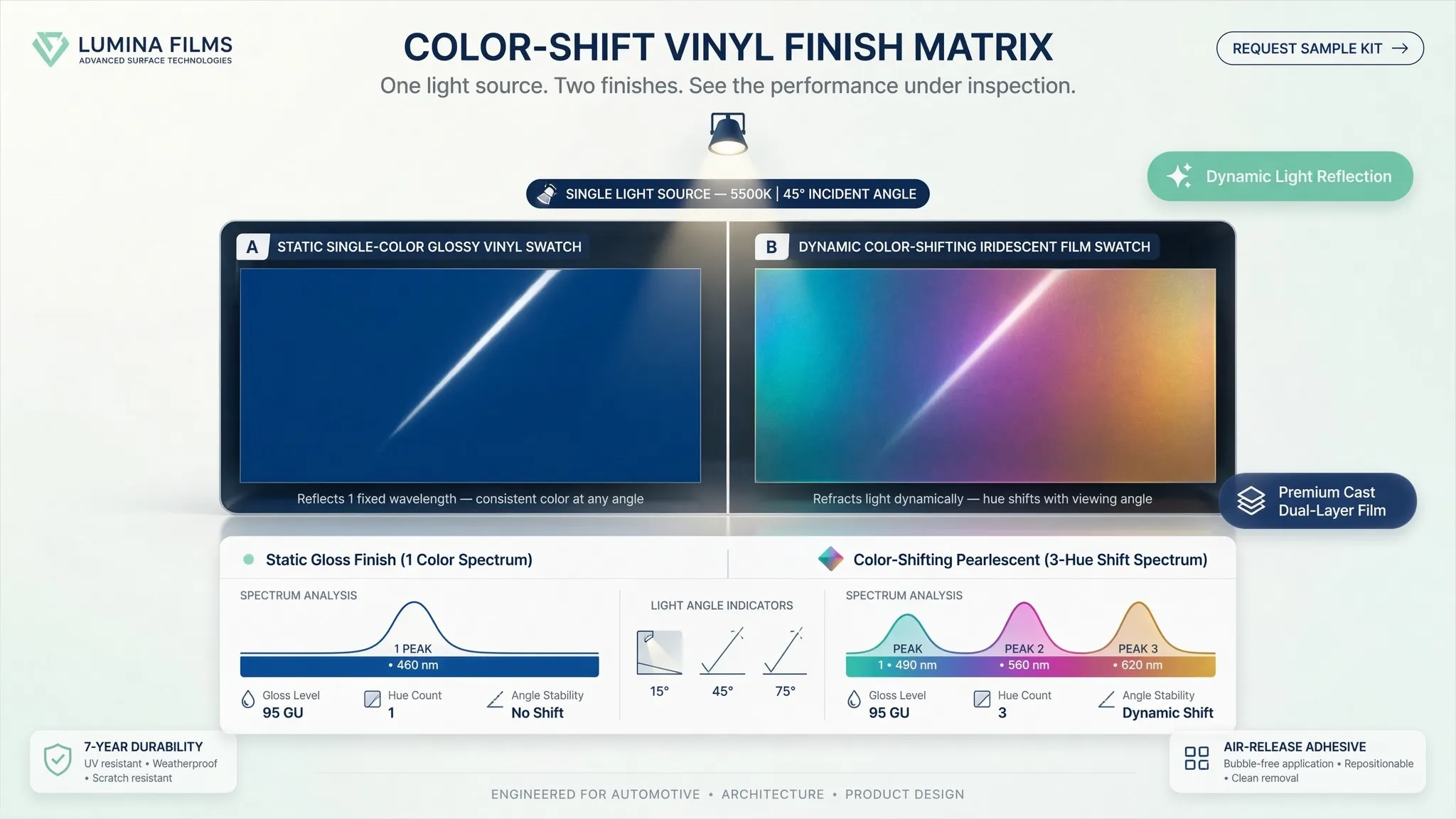
Specialty films—like mirror chrome, textured carbon fiber, or color-shift chrome—carry strict, shortened warranty terms because their metallic layers degrade faster when exposed to moisture and UV glare. Always review the exact product data sheet for your specific finish code rather than assuming all wraps carry identical protection.

8. Does a Car Wrap Warranty Cover Sun Damage and Outdoor Parking?
Outdoor parking is a major sticking point in warranty disputes.
While a vehicle wrap warranty protects against manufacturing defects under normal ambient exposure, continuous 24/7 parking under extreme desert sun accelerates thermal breakdown beyond standard limits.
[ 24/7 Street Parking ] ---> Unchecked Solar Radiation ---> Rapid Plasticizer Bake [ Garaged / Covered ] ---> Controlled UV Exposure ---> Full Warranty Lifetime
If a car remains parked outdoors daily in intense climates, manufacturers apply a climate reduction factor—often cutting the official car wrap sun damage warranty window by 50%.
If bird droppings, tree sap, or hard water spots sit on a sun-baked hood for weeks without cleaning, the resulting etched stains are classified as environmental neglect, not a covered material flaw.
9. How to Make a Car Wrap Warranty Claim
If a section of your wrap begins to lift, bubble, or crack, filing a claim requires clear documentation.
┌────────────────────────────────────────────────────────────────────────┐ │ WARRANTY CLAIM PREPARATION STEPS │ ├────────────────────────────────────────────────────────────────────────┤ │ 1. Document: Take macro photos of the defect and overall panel context│ │ 2. Locate Paperwork: Find your original receipt with film lot numbers │ │ 3. Contact Installer: Schedule an in-person shop evaluation appointment│ │ 4. File Formally: Allow shop to submit a claim to 3M, Avery, etc. │ └────────────────────────────────────────────────────────────────────────┘
Do not attempt to fix the problem yourself using superglue, household adhesives, or a heat gun before showing the defect to your installer.
Modifying the failed area yourself immediately invalidates both the car wrap manufacturer warranty and the shop's labor guarantee. Let the shop inspect the untouched failure in person.
10. What to Do If Your Car Wrap Warranty Claim Is Denied
If your installer or the film distributor denies your claim, stay calm and follow a systematic review process.
CLAIM DENIAL RESOLUTION STEPS [ Step 1 ] --> Request the specific exclusion clause in writing [ Step 2 ] --> Verify if failure is material (film) or installation (labor) [ Step 3 ] --> Contact the film manufacturer's technical rep directly [ Step 4 ] --> Negotiate a partial-cost panel re-wrap with the shop
Ask the shop manager for the exact written clause justifying the denial.
If the shop claims the film itself failed but the manufacturer refuses to send replacement material, contact the regional technical representative for the vinyl brand (such as 3M or Avery Dennison). Manufacturers often send field reps to inspect recurring material defects directly.

11. What to Check Before Buying a Car Wrap With a Warranty
The best time to secure solid warranty coverage is before you pay a deposit or hand over your vehicle keys.
Use this buyer's verification checklist during your shop consultation:
┌────────────────────────────────────────────────────────────────────────┐ │ PRE-PURCHASE WARRANTY CHECKLIST │ ├────────────────────────────────────────────────────────────────────────┤ │ [ ] "Does your quote state the exact film brand and product series?" │ │ [ ] "How many years of labor coverage do you provide in writing?" │ │ [ ] "What are the specific warranty terms for horizontal panels?" │ │ [ ] "Do you offer a free 14-day post-installation checkup?" │ │ [ ] "Does the material warranty cover labor costs for re-wrapping?" │ └────────────────────────────────────────────────────────────────────────┘
A transparent, high-caliber shop will happily provide written documentation outlining both their in-house labor coverage and the official manufacturer data sheet for your chosen film.
12. Planning Your Wrap Style With Confidence
Understanding how warranties protect your investment allows you to plan your vehicle's customization with total peace of mind.
Before finalizing your installation appointment or ordering rolls of film, ensure you are completely confident in your visual design.
Comparing colors, gloss levels, and satin finishes across your vehicle's specific body lines beforehand eliminates buyer's remorse and keeps your project running smoothly from start to finish.

FAQs: Car Wrap Warranty Guide
1. If my wrap starts peeling at the edges after a few weeks, is that covered?
Yes, edge lifting or peeling within the first few months is a classic installation issue covered under your shop’s workmanship warranty. It usually happens if a seam wasn't properly post-heated or if dirt was trapped along the edge during prep. Bring the car back to your installer as soon as you spot a lifting edge so they can trim, heat, or re-seal the panel before moisture gets underneath.
2. Why does my hood and roof have a shorter warranty than my car doors?
Horizontal panels (hoods, roofs, and trunk lids) take the full brunt of direct UV rays, road heat, and standing rainwater. Because solar radiation breaks down PVC plasticizers much faster on flat surfaces than on vertical door panels, film manufacturers typically reduce the warranty period on horizontal surfaces to 1 to 3 years, compared to 5 to 7 years on side doors.
3. What's the difference between the material warranty and the shop's warranty?
The manufacturer warranty (from brands like 3M, Avery, or KPMF) covers chemical defects in the vinyl itself—such as premature fading, cracking, or adhesive separation. The installer warranty covers how the film was applied—protecting you against bubbles, over-stretched color bleaching, and lifting edges. If the glue fails, it's a material issue; if the edge peels off, it's an installation issue.
4. Will taking my wrapped car through an automatic car wash void the warranty?
Yes, using an automated drive-thru car wash with spinning brushes will almost certainly void your installation warranty. Those heavy mechanical brushes grab onto exposed panel seams, tugging at the vinyl edges until they curl. To keep your coverage intact, hand wash your vehicle using a pH-neutral car shampoo and soft microfiber mitts.
5. Can I pressure wash my wrapped car without losing my warranty coverage?
You can use a pressure washer, but you must follow strict distance and angle rules to protect your warranty. Keep the spray nozzle at least 12 to 18 inches away from the vehicle body, use a wide 40-degree spray tip, and keep pressure under 2,000 PSI. Never spray directly at a 45-degree angle under a vinyl seam, or the water pressure will lift the film and void your labor guarantee.
6. What happens to my warranty if my car stays parked outside in the sun every day?
Continuous 24/7 outdoor parking in high-heat, high-UV environments accelerates vinyl wear. While the wrap is still protected against manufacturing defects, heat baking can trigger climate-reduction clauses in manufacturer terms—often cutting the official warranty window by 50% for vehicles kept outdoors in southern or desert states.
7. Does a wrap warranty cover damage from bird droppings or tree sap?
No, environmental contamination is treated as user neglect rather than a product defect. Bird droppings, tree sap, and crushed bugs contain aggressive acids that burn into the top layer of vinyl if left baking in the sun. To prevent permanent staining and protect your finish, spot-clean environmental drops within 24 to 48 hours using warm water and a soft microfiber cloth.
8. Will my warranty cover my wrap if my car was repainted before wrapping?
Wrap warranties only cover installation over cured, factory-baked OEM paint. If your car was repainted at a local body shop, the paint must cure for at least 30 days before wrapping. Even then, most manufacturers and installers explicitly exclude clear coat peeling or paint lifting on aftermarket repaints from their warranty coverage.
9. Are warranties the same for matte, gloss, and metallic wraps?
No, finish type directly changes your warranty duration. High-gloss cast films carry the longest warranty windows because their clear topcoat reflects UV radiation efficiently. Matte and satin finishes lack a protective gloss coat, making them more sensitive to scuffs and environmental staining, which usually results in a slightly shorter manufacturer coverage window.
10. If a vinyl manufacturer approves a warranty claim, do they pay for the labor to fix it?
In most standard material claims, the manufacturer only provides a replacement roll of vinyl to cover the failed panel. They generally do not cover the labor cost required to strip the damaged film and re-install the new sheet. However, premium certified wrap shops often absorb the labor cost themselves as part of their customer service commitment.
11. Can I fix a lifting wrap edge myself with glue or a hair dryer without voiding the warranty?
Never attempt a DIY fix using superglue, household adhesives, or a hair dryer on a covered wrap. Applying unapproved adhesives or overheating the film yourself will instantly void both your shop workmanship warranty and your material coverage. Always let your original installer handle adjustments under their official policy.