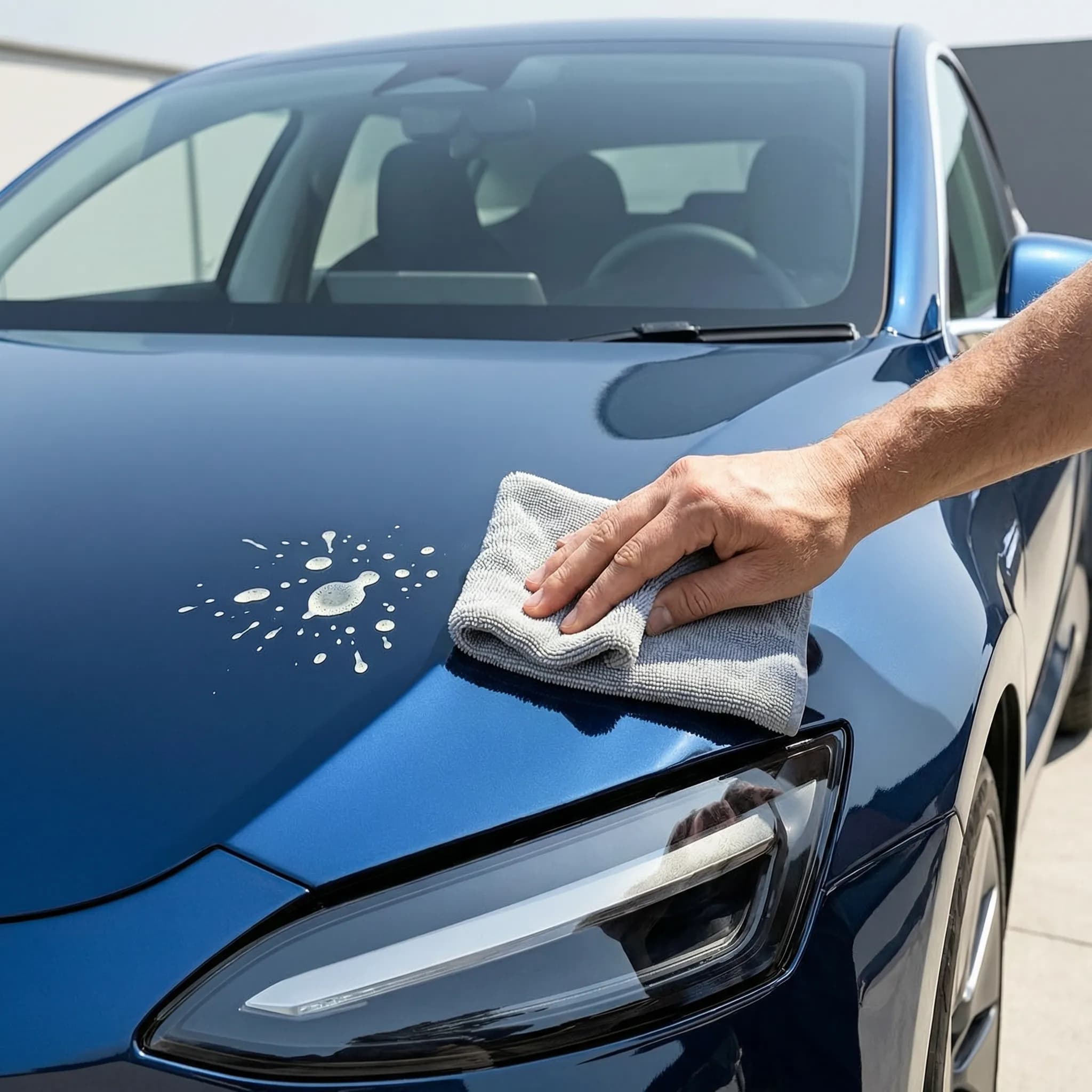

The golden rule of bug removal: soften the organic splatter before you touch it.Attempting to scrub dried bug guts off a vinyl wrap drags hard chitin exoskeletons across the soft cast film, creating deep swirl marks and micro-scratches.To safely remove bug splatter without ruining your wrap:Soften: Drench a soft microfiber towel in warm water or a pH-neutral wrap cleaner and lay it directly over the bug splatter for 2 to 3 minutes.Dissolve: Spray a wrap-safe bug detailer to break down the organic acids.Lift: Gently wipe the softened residue away using a clean microfiber cloth in a single, straight direction—never rub in circles.Rinse & Protect: Flush the area with clean water, pat dry, and apply a synthetic wrap spray sealant.

Why You Should Remove Bug Splatter From a Wrap Quickly
Bug bodies are highly acidic, containing organic fluids with pH levels that can break down your vinyl film's protective topcoat.
[Acidic Bug Splatter + Direct Sunlight] ---> Heat Expands Vinyl ---> Acid Trapped in Film (Staining/Etching)
When left on a wrapped vehicle under direct sun, heat causes the vinyl polymers to expand and absorb these acidic compounds. As the panel cools down, the acid becomes trapped inside the film structure, leading to permanent yellowing, ghosting, or surface etching that washing cannot remove.
The Safest Way to Loosen Dried Bugs From Vinyl
Hardened, baked-on bugs require patience and moisture rather than physical force or aggressive scrubbing.The Steamed Soak Method:Step 1: Soak a plush microfiber towel in hot (not boiling) water.Step 2: Lay the steaming towel flat over the bug-covered panels (hood, front bumper, or side mirrors) for 3 to 5 minutes.Step 3: The steam rehydrates the dried guts, breaking their chemical bond with the film.Step 4: Lightly spray a dedicated vinyl detailer over the area and gently wipe the loosened mess away with zero pressure.

What to Use to Remove Bugs From a Vinyl Wrap
Keeping your detailing kit simple prevents chemical damage to the film's protective clear layer.
| Cleaning Tool / Solution | Safe for Vinyl Wraps? | Best Used For |
|---|---|---|
| Warm Water + Plush Microfiber | Safe | Fresh splatter & rehydrating dried bugs |
| pH-Neutral Wrap Cleaner | Safe | General spot cleaning & routine maintenance |
| Dedicated PPF & Vinyl Bug Remover | Safe | Breaking down stubborn organic protein bonds |
| Standard Heavy-Duty Solvent Cleaners | Unsafe | Never use (causes vinyl yellowing & edge lifting) |
| Bug Sponges / Abrasive Pads | Unsafe | Never use (causes permanent scuffs & scratches) |
Can You Use Bug and Tar Remover on a Vinyl Wrap?
Only if the product is explicitly labeled safe for vinyl wraps and paint protection film (PPF).Standard automotive bug-and-tar removers engineered for traditional clear coats often rely on heavy petroleum distillates or harsh solvents. On soft cast vinyl, these aggressive chemicals can dissolve plasticizers, soften adhesives along panel edges, or turn matte wraps cloudy.Always read product labels to confirm compatibility with flexible films.Test on an inconspicuous spot (like an inner door jamb) before treating main panels.Rinse thoroughly with clean water immediately after spot treatment.
How to Remove Really Stubborn Bug Residue
When bug splatter resists a standard wash, escalate your cleaning strategy using progressive, safe steps rather than increasing physical scrubbing pressure:1.Re-Soak with Warm Moisture:Break down hardened protein layers gently.Apply a fresh, hot microfiber soak over the stubborn spot for an additional 3 to 5 minutes.2.Apply Wrap-Safe Chemical Cleaner:Use a dedicated vinyl-safe bug detailer.Mist a specialized PPF/vinyl bug remover directly onto the spot, allowing it to dwell for 60 seconds without drying.3.Wipe with Light Pressure:Use a clean side of a plush microfiber towel.Gently wipe away the softened outer layer in one direction.4.Repeat Process Layer-by-Layer:Never use scrapers or rough sponges.If thick residue remains, repeat the soak and wipe steps until the panel is clear.
Can You Scrape Bugs Off a Vinyl Wrap?
No, never attempt to scrape bugs off a vinyl wrap.Using fingernails, plastic scrapers, razor blades, or abrasive bug sponges will slice through 3-mil to 4-mil cast vinyl, gouge the surface, or tear open wrap seams. Once the wrap's topcoat is scratched or gouged, water and dirt can penetrate beneath the film, causing widespread peeling.
How to Remove Bug Stains From Matte, Satin, and Gloss Wraps
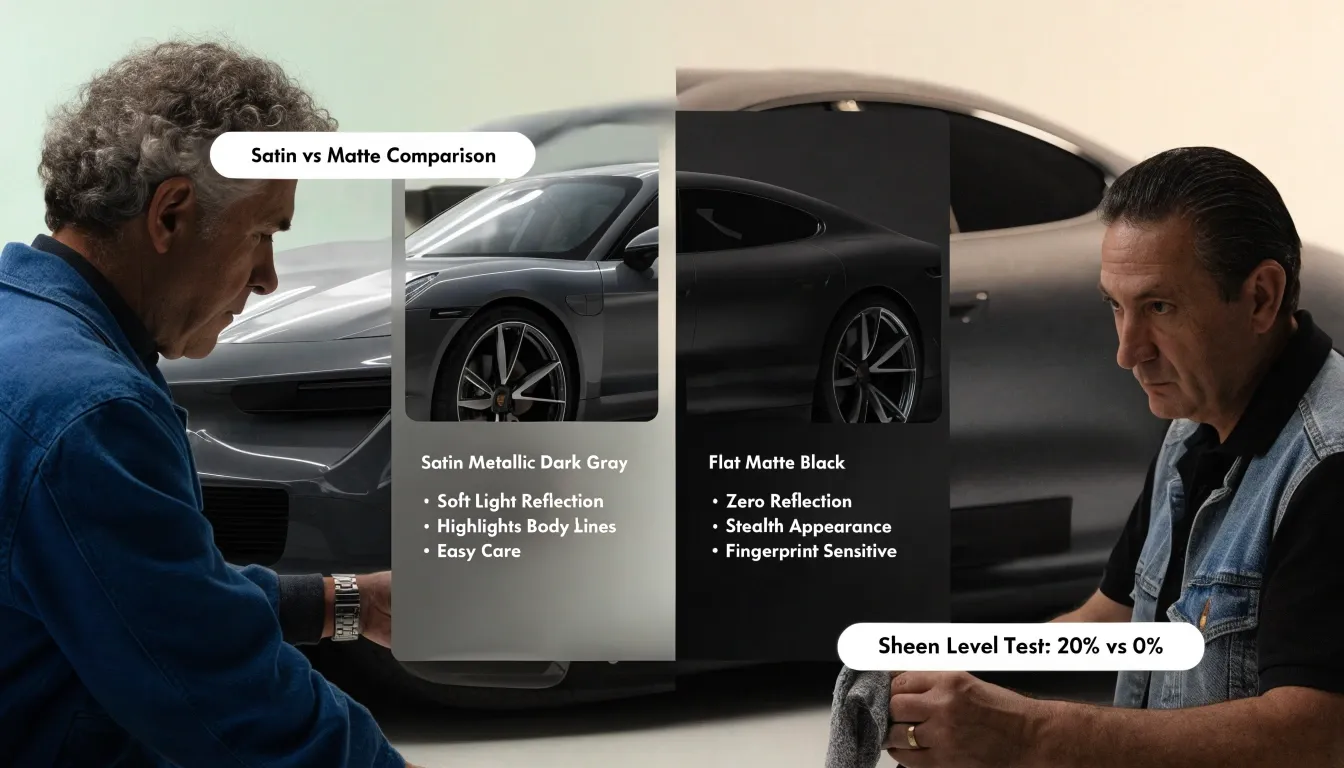
Different wrap finishes require specific care techniques to preserve their appearance:Gloss Vinyl Wraps: Gloss wraps tolerate light wiping with wrap-safe spray sealants. A quick buff with a soft microfiber towel restores the reflective shine after bug removal.Matte & Satin Vinyl Wraps: Matte wraps feature a micro-textured surface to diffuse light. Never use gloss-enhancing cleaners or aggressive pressure, as rubbing flattens the texture, leaving permanent shiny spots across your flat finish. Use specialized matte detailers only.

What to Do When Bug Splatter Has Been Sitting on the Wrap for Days
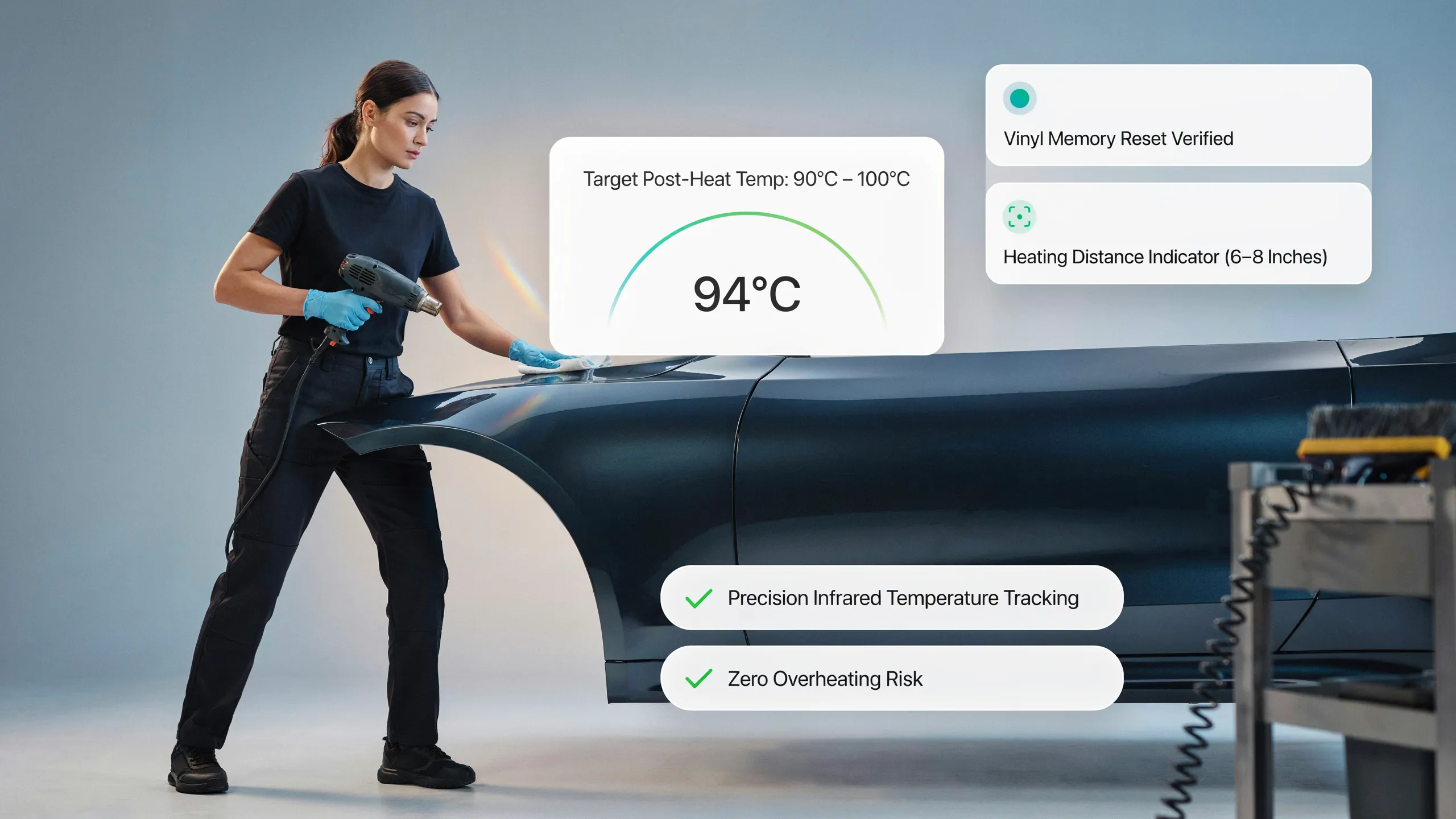
If bug guts have baked into the wrap for days under direct sunlight, you may be left with a ghost ring or surface stain even after removing the solid matter.Sun Heat Recovery: Park your vehicle in direct, warm sunlight for several hours. High-quality cast vinyl films feature "self-healing" properties—the sun's ambient heat causes the vinyl polymers to expand, often smoothing out minor surface etching naturally.Controlled Heat Gun Treatment: A professional installer can gently warm the affected area using a heat gun on low power (held at least 12 inches away) to relax the film and collapse light surface ghosting.
How to Prevent Bugs From Sticking to Your Vinyl Wrap
Proactive surface protection makes routine bug removal fast and effortless:Apply a Vinyl Ceramic Coating: Applying a specialized ceramic coating for vinyl wraps creates an ultra-slick, hydrophobic barrier that stops bug proteins and acids from bonding directly to the film.Use a Synthetic Spray Sealant: Apply a wrap-safe spray sealant every few weeks to keep the surface slick.Keep Quick Detailer in Your Trunk: Carry a bottle of wrap prep spray and a microfiber towel for immediate spot-cleaning during long road trips.
How Often Should You Remove Bugs From a Wrapped Car?
Remove bug splatter within 24 hours—and ideally on the same day during hot summer weather.While a vinyl wrap can withstand routine road dust for weeks, acidic organic contaminants like bug guts, bird droppings, and tree sap act quickly under direct sun. Immediate spot-cleaning prevents long-term staining and protects your wrap investment.
Thinking About a New Wrap? See the Finish on Your Car First
Dealing with etched front bumpers or thinking about upgrading your current vehicle with a fresh color, satin finish, or sleek visual layout?You don't have to guess how a new shade or finish will look based on tiny 2-inch swatch books.Using an AI car wrap visualizer at Carwrap.style lets you upload a photo of your vehicle to preview high-resolution gloss, matte, satin, or metallic finishes directly on your body lines under realistic lighting conditions. It's the ultimate way to test color shifts, compare finish durability, and share clean visual renders with your wrap installer before committing to new film.

FAQ: How to Remove Bugs From a Vinyl Wrap
Why is bug splatter so harmful to vinyl wraps?
Bug bodies contain acidic organic fluids. When left on a wrapped vehicle under direct sun, ambient heat causes the vinyl polymers to expand and absorb these acidic compounds. As the panel cools, the acid becomes trapped inside the film, causing permanent yellowing, surface etching, or ghost marks.
How do you remove dried or baked-on bug splatter from vinyl?
Never scrape or scrub dried bug guts. Rehydrate hardened residue using the steamed soak method: place a hot, damp microfiber towel directly over the affected panels for 3 to 5 minutes. Once the bugs soften, spray a dedicated vinyl detailer and wipe gently without applying downward pressure.
Can you use standard bug-and-tar removers on a vinyl wrap?
Only if the product is explicitly labeled safe for vinyl wraps and paint protection film (PPF). Standard automotive bug-and-tar removers designed for rigid OEM clear coats often rely on heavy petroleum distillates or harsh solvents that can dissolve vinyl plasticizers, soften edge adhesives, or turn matte wraps cloudy.
Can you use bug sponges or scrubbing pads on a wrapped car?
No. Bug sponges, abrasive scrub pads, and Magic Erasers contain micro-abrasives that strip the wrap's protective topcoat. On gloss wraps, they leave heavy micro-scratching and dull patches; on matte or satin finishes, they flatten the surface texture, leaving permanent shiny spots.
Can you scrape bugs off a wrap with your fingernails or plastic tools?
No. Using fingernails, razor blades, or plastic scrapers will slice through 3-mil to 4-mil cast vinyl, gouge the surface, or tear open tucked panel edges. Once the wrap's surface seal is broken, water can penetrate beneath the film, causing edge lifting and peeling.
How do you remove bug splatter from matte and satin vinyl wraps?
Matte and satin wraps feature delicate, light-diffusing surface textures. To clean them safely, use only dedicated matte detailers or warm water soaks, and apply zero scrubbing pressure. Never use gloss-enhancing detailers, waxes, or aggressive friction, as these will permanently ruin the flat finish.
What should you do if bug splatter leaves a stain or ghost ring behind?
If acidic bug guts leave a light ghost ring after cleaning, park the vehicle in direct, warm sunlight for a few hours. Premium cast vinyl features self-healing properties—ambient solar heat causes the vinyl polymers to expand, which often naturally smooths out light surface etching.
How quickly should you remove bugs from a wrapped car?
Remove bug splatter within 24 hours—and ideally on the same day during hot summer months. The combination of acidic proteins and direct solar radiation accelerates surface etching within hours.
What tools and products should you keep in your car for bug removal?
Keep a simple quick-response kit in your trunk:A bottle of pH-neutral, wrap-safe detailer or PPF bug spray.Two clean, high-GSM plush microfiber towels.A small bottle of distilled water for quick dilution or rinsing on long road trips.
How can you prevent bug splatter from sticking to a vinyl wrap?
Apply a Vinyl Ceramic Coating: A specialized ceramic coating for vinyl wraps creates an ultra-slick, hydrophobic layer that prevents organic proteins and acids from bonding directly to the film.Use Synthetic Spray Sealants: Apply a wrap-safe spray sealant every few weeks after washing to maintain surface slickness.Spot Clean Promptly: Clean front bumpers and side mirrors immediately after long highway drives.
How can you preview how different wrap finishes look before getting wrapped?
If acidic bug etching has permanently ruined your front bumper wrap or you want to upgrade your vehicle with a completely new color or finish, you don't have to rely on small swatch books.Using an AI car wrap visualizer at Carwrap.style lets you upload a photo of your vehicle to preview high-resolution gloss, matte, satin, or metallic finishes under realistic lighting—helping you choose your exact layout before committing to installation.