
You pull out of your driveway every morning, join a dense sea of commuter traffic, and spend eight hours parked under the open sun.
Your car isn't a garage queen reserved for sunny Sunday meets—it’s your daily lifeline.
When you invest in a custom color change or accent wrap, one persistent question keeps running through your mind: Can I actually drive a wrapped car every single day without watching my investment peel, scratch, or fade away?
The straight answer is an emphatic yes.
Modern high-grade cast vinyl is specifically engineered to endure real-world road conditions.
However, taking a wrapped vehicle through high-speed commutes, erratic weather, and public parking lots requires understanding how daily exposure impacts the film—and adopting a few dead-simple habits to protect your finish.
Here is your complete guide to daily driving with a car wrap, managing everyday road hazards, and keeping your finish looking showroom-fresh for years.
1. What Actually Happens to a Wrap During a Normal Week of Driving?
When you evaluate driving a wrapped car daily, it helps to look past laboratory durability ratings and analyze your actual weekly routine.
┌────────────────────────────────────────────────────────────────────────┐ │ WEEKLY ENVIRONMENTAL IMPACT MATRIX │ ├────────────────────────────────────────────────────────────────────────┤ │ [ Highway Traffic ] --> High-velocity wind resistance & grit blast │ │ [ Outdoor Parking ] --> Surface heat buildup & direct UV exposure │ │ [ Commercial Zones ] --> Door dings, industrial fallout & diesel soot│ └────────────────────────────────────────────────────────────────────────┘
During a typical week, your vehicle encounters a continuous mix of physical and environmental friction:
Aerodynamic Shear: Driving at 70 mph generates continuous wind pressure against hood edges, headlight bezels, and front bumper intakes.
Thermal Cycling: Your engine bay radiates intense heat while the top surface bakes under the sun, causing the film to expand during the day and contract at night.
Environmental Fallout: Microscopic iron particles from brake dust, highway diesel soot, and tree pollen settle on horizontal panels.
High-grade cast vinyl handles these daily stresses effortlessly because its molecular structure allows it to flex alongside your vehicle’s metal body panels without splitting or losing adhesion.
2. Will Highway Speeds, Wind, or Rain Make the Vinyl Start Lifting?
A common fear among first-time owners is that cruising at 70+ mph on the interstate will force air beneath the seams, causing the vinyl to peel back like a loose sticker.
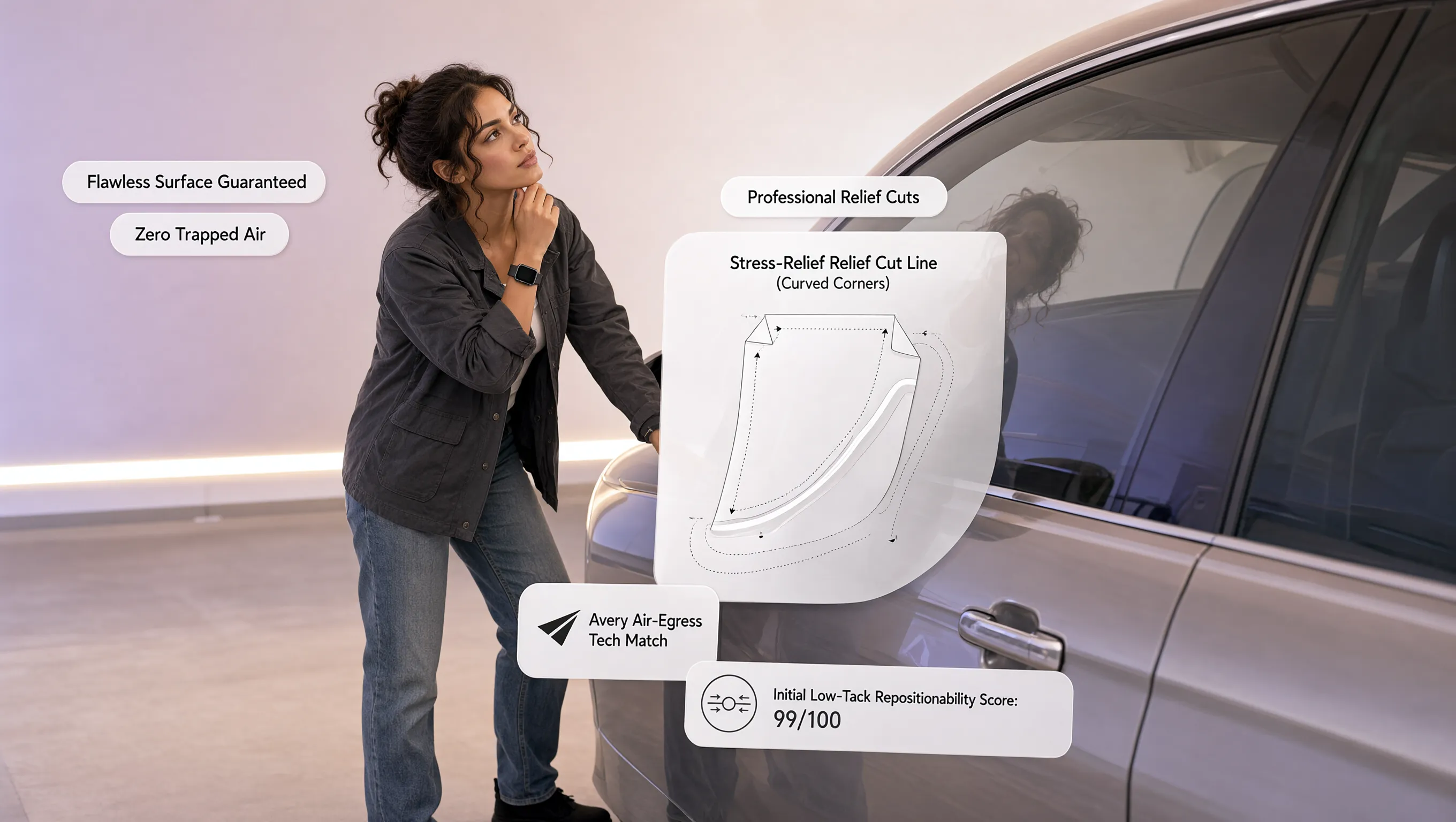
If your film was installed using professional post-heating standards, high speeds and heavy rain pose zero threat to your wrap.
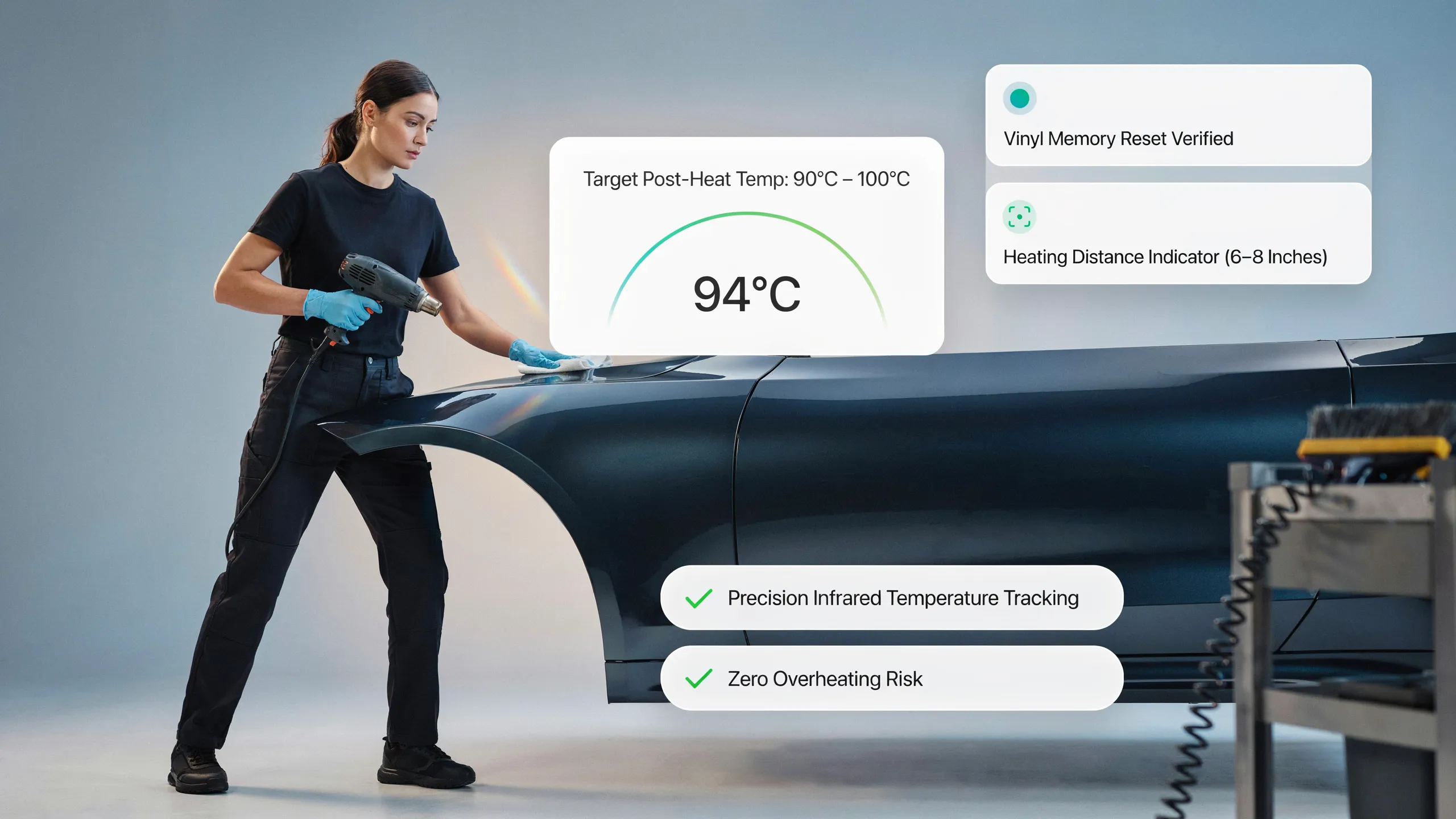
HIGH-SPEED STABILITY FACTORS [ Professional Install ] -> Edges tucked & post-heated to 195°F; air-tight bond [ Poor Installation ] -> Stretched vinyl; un-tucked seams; high risk of wind-lift
Driving a wrapped car on the highway is completely safe because pressure-sensitive acrylic adhesives form an airtight, watertight bond with your factory clear coat.
Rain simply beads off the hydrophobic topcoat. The only scenario where wind or water causes car wrap lifting while driving is if an inexperienced installer over-stretched the vinyl around a front intake without post-heating the tension points, leaving an exposed lip that catches rushing air.
3. The First Few Days Matter More Than You Might Expect
You’ve picked up your freshly wrapped car from the bay, and the finish looks absolute magic. But before you embark on an immediate cross-country road trip, you need to account for the curing window.
┌────────────────────────────────────────────────────────────────────────┐ │ INITIAL CURING TIMELINE PROTOCOL │ ├────────────────────────────────────────────────────────────────────────┤ │ [ Hours 0 – 24 ] --> Adhesive initial tack; keep vehicle dry & shaded│ │ [ Hours 24 – 72 ] --> Full cross-linking; avoid high-pressure washing│ │ [ Day 4 Onward ] --> Maximum bond strength achieved; normal driving │ └────────────────────────────────────────────────────────────────────────┘
Understanding driving after car wrap installation boils down to adhesive chemistry.
While you can drive your car home immediately, the pressure-sensitive adhesive requires roughly 48 to 72 hours to achieve full cross-linking bond strength with the paint.
During this initial cure window:
Avoid blasting the car down dirt roads or through torrential downpours.
Do not wash the vehicle or apply spray detailers.
Park in a shaded or covered area to allow thermal stabilization.
4. Can You Take a Wrapped Car Through Automatic Car Washes?
This is where many daily drivers accidentally ruin their finish.
If you are looking for an effortless routine, taking a wrapped car to an automatic car wash with heavy spinning mechanical brushes is a recipe for disaster.
CAR WASH METHOD RISK MATRIX [ Spinning Brush Wash ] --> EXTREME RISK (Heavy bristles tear edges & swirl topcoat) [ Touchless Laser Wash ]--> MEDIUM RISK (Harsh high-pH chemicals dull clear caps) [ Gentle Hand Wash ] --> ZERO RISK (Preserves film clarity & edge integrity)
Rotary brush car washes drag coarse grit from previous trucks directly across your topcoat. The heavy mechanical whipping motion catches vulnerable seam margins along door handles, mirrors, and fuel caps, ripping edges wide open.
If hand washing at home isn't an option, use a touchless pressure-washer bay. Keep the spray wand at least 12 to 18 inches away from wrapped seams to prevent high-pressure water from forcing its way beneath the edge.
5. What About Gravel, Road Debris, Insects, and Stone Chips?
Vinyl wraps add a durable cosmetic layer, but it is crucial to understand their physical limitations when commuting behind gravel trucks and highway traffic.
┌────────────────────────────────────────────────────────────────────────┐ │ PROTECTION LEVEL COMPARISON │ ├────────────────────────────────────────────────────────────────────────┤ │ [ Vinyl Wrap (3.5 – 4 mil) ] --> Guards against UV, light scuffs & sap│ │ [ Paint Protection Film (8 mil)]--> Engineered to absorb sharp rock chips│ └────────────────────────────────────────────────────────────────────────┘
While a daily commute car wrap shields your factory clear coat from bug acid etching, light wash swirls, and surface scratches, it is not an invincible armor plate.
High-velocity gravel thrown by semi-truck tires can penetrate 3.5-mil vinyl.
If your daily commute includes rough construction zones or loose gravel highways, consider pairing your color-change vinyl with clear Paint Protection Film (PPF) over high-impact front bumpers.
To explore options for protecting high-wear zones, read our guide on inspecting car wrap quality and installation standards.
6. Does Parking in Direct Sun Every Day Shorten a Wrap's Life?
If your vehicle sits unshaded in a workplace parking lot for eight hours every day, ambient UV radiation and surface heat buildup become primary aging factors.
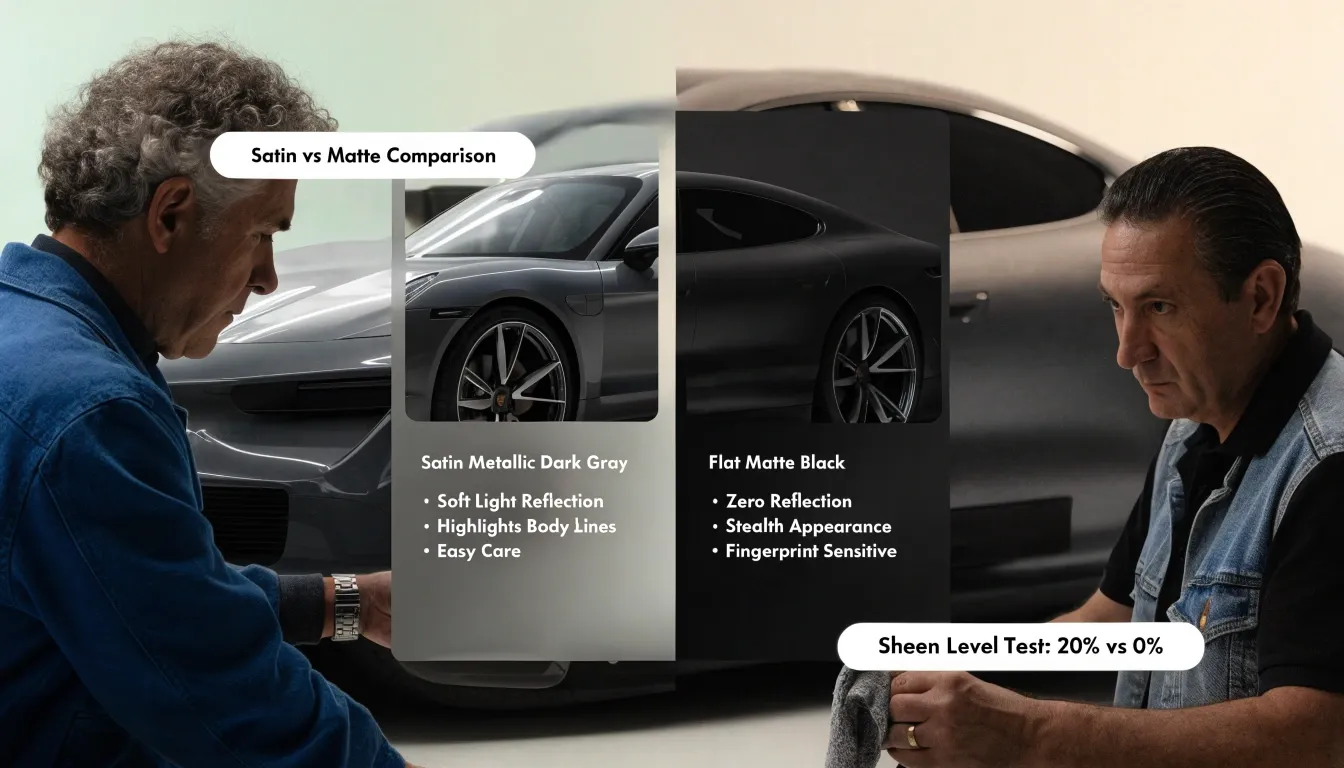
SURFACE HEAT RETENTION BY COLOR [ Bright White / Silver ] --> Reflects light; runs 20°F – 30°F cooler [ Satin Metallic Gray ] --> Moderate heat retention; forgiving on dust [ Gloss / Matte Black ] --> Maximum heat retention; surface reaches 160°F+
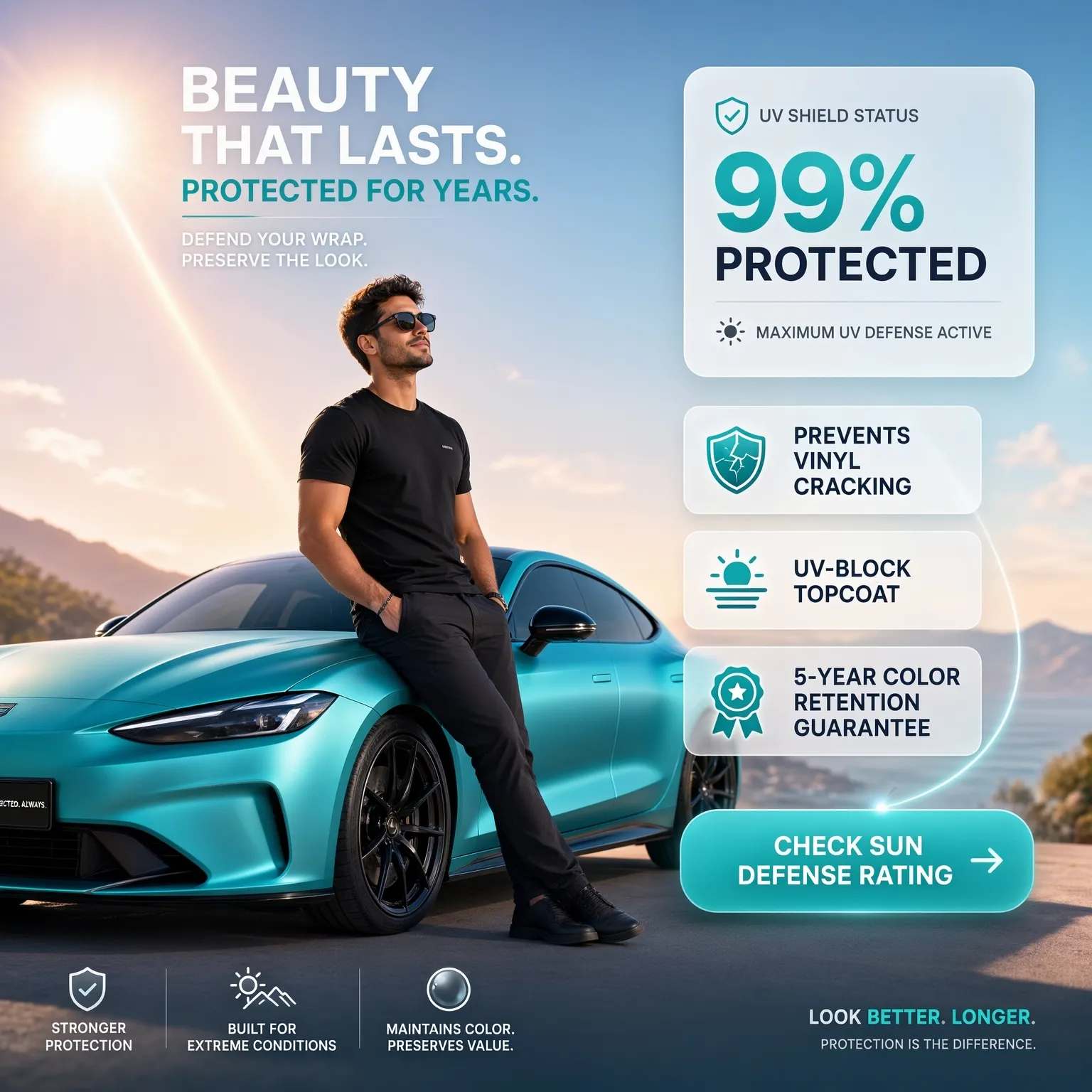
When a wrapped car is parked outside continuously, UV rays break down organic color pigments while heat bakes essential plasticizers out of the PVC film.
Horizontal panels (hood, roof, and trunk) take direct perpendicular sunlight, aging roughly twice as fast as vertical door faces.
To extend film lifespan when parking outdoors daily:
Seek out covered spots or parking structures whenever possible.
Apply a specialized hydrophobic wrap ceramic detailer every few weeks to block UV radiation and reduce surface friction.
7. What Happens When Bird Droppings, Tree Sap, or Fuel Get on the Wrap?
Daily driving means encountering unavoidable road mess. How you react to environmental contaminants dictates whether your finish stays pristine or develops permanent stains.
┌────────────────────────────────────────────────────────────────────────┐ │ CONTAMINANT ACTION TIMELINE │ ├────────────────────────────────────────────────────────────────────────┤ │ [ Bird Droppings & Bug Acid ] --> Spot-clean within 24 hours (Acidic) │ │ [ Fuel Spills at Pump ] --> Wipe immediately (Solvent risk) │ │ [ Tree Sap & Tar ] --> Soak with wrap detailer & lift softly │ └────────────────────────────────────────────────────────────────────────┘
Bird droppings contain harsh uric acid that etches into softened PVC topcoats within 24 to 48 hours under direct sunlight.
Similarly, spilled gasoline at the pump dissolves vinyl adhesives if allowed to run down the quarter panel.
Keep a bottle of pH-neutral wrap detailer and a soft microfiber towel in your trunk. When droppings or fuel splatters strike, spray the spot generously, let the fluid break down the contaminant for 30 seconds, and wipe it away gently without scrubbing.
8. Can a Wrapped Car Handle Long Road Trips and Daily Commuting?
Embarking on a 1,000-mile highway road trip in a wrapped car is completely fine—provided you take a few basic prep steps.
ROAD TRIP PREPARATION CHECKLIST [ Pre-Trip ] --> Apply a layer of spray ceramic to create a slick bug barrier [ Mid-Trip ] --> Wipe away heavy bug splatter at evening gas stops [ Post-Trip ] --> Perform a thorough foam-cannon pre-rinse to lift road grime
High-speed interstate driving collects thousands of crushed insects across the front bumper and mirror caps.
Applying a quick coat of ceramic sealant before hitting the road prevents bug guts from baking into the film, allowing them to rinse off effortlessly during your post-trip wash.
9. If the Wrap Gets Scratched or Starts Peeling, Can You Keep Driving?
Spotting a light scuff or a lifted edge midway through your weekly commute can be alarming, but it doesn't mean your entire wrap is ruined.
┌────────────────────────────────────────────────────────────────────────┐ │ DAMAGE TRIAGE PROTOCOL │ ├────────────────────────────────────────────────────────────────────────┤ │ [ Light Surface Scuff ] --> Thermal self-healing; warm sun smooths it│ │ [ Lifted Edge Seam ] --> Snip loose tail cleanly; book shop repair │ │ [ Deep Panel Scratch ] --> Replace single panel without touching rest│ └────────────────────────────────────────────────────────────────────────┘
Thermal Self-Healing: High-grade cast wraps feature self-healing topcoats. Minor swirl marks and light friction scuffs often disappear naturally when the panel warms up under direct sunlight.
Managing Lifted Edges: If a small corner catches and lifts, do not pull or rip the vinyl further. Use a pair of small scissors to carefully snip away the loose overhang so wind cannot catch it on the highway, then schedule a quick shop touch-up.
If a single door panel gets deeply scratched by a stray shopping cart, your shop can strip and re-wrap that isolated panel without needing to redo the rest of the car.
To understand panel repair costs and labor quotes, check out our guide on comparing car wrap installation quotes and labor rates.
10. Will Daily Driving Make Your Wrap Fade, Wear Out, or Look Uneven?
Realistic expectations prevent long-term frustration. Understanding how long a vinyl wrap lasts on a daily commuter comes down to material selection and routine care.
EXPECTED DAILY DRIVER LIFESPAN [ Premium Cast Film (3M / Avery) ] --> 3 to 5 years of daily service [ Vertical Door Panels ] --> Up to 5 years (Lower UV angle) [ Horizontal Hood / Roof ] --> 2 to 3 years (Maximum solar hit)
With proper hand washing and regular UV sealants, a high-grade cast wrap easily delivers 3 to 5 years of reliable daily service.
While horizontal panels exposed to continuous outdoor parking may show subtle sheen loss around year 3, the underlying factory paint remains 100% preserved and protected underneath.
11. The Everyday Habits That Help a Wrapped Car Stay Looking Good
Daily driving a wrapped car doesn't require turning maintenance into a full-time job. It simply requires replacing bad car-wash habits with a clean, low-friction routine:
┌────────────────────────────────────────────────────────────────────────┐ │ ESSENTIAL DAILY CAR CARE HABITS │ ├────────────────────────────────────────────────────────────────────────┤ │ 1. Touchless or Hand Wash Only: Keep mechanical brushes far away │ │ 2. Spot-Clean Contaminants: Carry detail spray for bird droppings │ │ 3. Park Smart: Choose covered structure spots whenever available │ │ 4. Apply Hydrophobic Sealants: Spray ceramic every 4 to 6 weeks │ └────────────────────────────────────────────────────────────────────────┘
Adopting these four basic habits ensures your wrapped vehicle handles daily commuting effortlessly while keeping its vibrant, head-turning finish intact until the day you decide to peel it off.
12. Evaluate Real-World Colors Before Making Your Selection
Before committing to a specific hue, roll material, or installer deposit for your daily driver, seeing how different finishes handle reflections across your vehicle's exact body lines provides complete clarity.
Testing physical 12x12" material swatches directly against your car's hood in natural daylight, open shade, and late-afternoon sun allows you to judge dust visibility, metallic depth, and maintenance trade-offs before placing a film order.
Combining physical swatch testing with expert installer consultation ensures you select a finish that fits both your personal style and your real-world commuting routine.

FAQs About Driving a Wrapped Car Every Day

1. "Can you drive a wrapped car every day, or is the vinyl too delicate for daily commuting?"
Yes, you can absolutely drive a wrapped car every day without worrying about ruining the vinyl. Modern automotive cast vinyl is engineered specifically to withstand real-world road conditions, including high-speed highway airflow, daily sun exposure, and rain. While a wrap isn't indestructible armor, adopting a few simple, low-friction maintenance habits ensures your finish stays head-turning and showroom-fresh for years of commuting.
2. "What actually happens to a wrap during a normal week of daily driving?"
During a typical commuting week, your vehicle encounters a continuous mix of thermal and environmental friction. Engine heat radiates beneath the hood while direct sunlight warms the top coat, causing the film to expand during the day and contract at night. Meanwhile, microscopic iron particles from brake dust, highway diesel soot, and road grit settle across horizontal panels. Premium cast vinyl flexes alongside your metal body panels, absorbing this daily wear without splitting or losing adhesion.
3. "Will highway speeds, wind shear, or heavy rain make the vinyl start lifting?"
When driving a wrapped car on the highway at 70+ mph, properly installed film will not peel or lift. Pressure-sensitive cast vinyl adhesives form an airtight, watertight bond with your factory clear coat, allowing wind and rain to glide smoothly over the surface. The only scenario where wind shear causes edge lifting is if an inexperienced installer over-stretched the material around a tight bumper intake without proper post-heating, leaving an exposed lip that catches rushing air.
4. "How soon after car wrap installation can you drive the vehicle normally?"
You can drive your vehicle home immediately after picking it up from the shop, but full daily driving with a car wrap requires a brief curing window. The pressure-sensitive acrylic adhesive takes roughly 48 to 72 hours to fully cross-link and bond with your car's factory paint. During these first three days, avoid washing the vehicle, driving through heavy downpours, or blasting down loose gravel roads to ensure the seams settle completely.
5. "Can you take a wrapped car through an automatic car wash?"
You should never take a wrapped car through a commercial car wash with spinning mechanical brushes. Heavy nylon bristles drag coarse dirt from previous vehicles directly across your topcoat, whipping against vulnerable seam margins and ripping edges wide open. If hand washing isn't an option for your daily routine, use a touchless pressure-washer bay, keeping the spray wand at least 12 to 18 inches away from panel seams to prevent forcing water beneath the edges.
6. "How well does vinyl wrap hold up against stone chips, gravel, and insects?"
A daily commute car wrap acts as a sacrificial barrier that shields your factory paint from bug acid etching, light wash swirls, and minor surface scuffs. However, because standard color-change vinyl is roughly 3.5 to 4 mils thick, high-velocity gravel thrown by semi-truck tires can still puncture the film. If your daily commute includes rough construction zones, pairing color-change vinyl with clear Paint Protection Film (PPF) over high-impact front bumpers delivers maximum rock chip defense.
7. "Does leaving a wrapped car parked outside in the sun every day ruin the finish?"
Continuous outdoor parking exposes your vehicle to ultraviolet (UV) radiation and intense thermal cycling. Solar rays break down organic pigments over time, while high heat bakes essential plasticizers out of the PVC film, with horizontal panels like the hood and roof aging roughly twice as fast as vertical doors. To maximize film lifespan when parking outdoors daily, seek out shaded or covered spots whenever possible and apply a hydrophobic wrap ceramic detailer every few weeks to block UV damage.
8. "How quickly do you need to clean off bird droppings, tree sap, or fuel spills?"
You should clean off aggressive organic contaminants within 24 to 48 hours. Bird droppings contain concentrated uric acid that can etch into softened PVC topcoats under direct sun, while spilled gasoline at fuel stations acts as a harsh solvent that dissolves vinyl adhesives. Keep a bottle of pH-neutral, wrap-safe quick detailer and a plush microfiber cloth in your trunk so you can spot-clean droppings and fuel splatters the moment they happen.
9. "Can you take a wrapped car on long-distance road trips?"
Taking a wrapped car on an extended highway road trip is completely safe and practical. Long-distance driving subjects your front bumper and mirror caps to heavy bug splatter and road grime, but applying a quick coat of spray ceramic before hitting the interstate creates a slick barrier. This prevents bug guts and road oils from baking into the clear topcoat, allowing them to rinse off effortlessly when you return home.
10. "What should you do if your wrap gets scratched or starts peeling during daily use?"
If you notice minor damage during your daily routine, do not panic or attempt aggressive DIY repairs:
Light Swirls & Scuffs: High-grade cast films feature self-healing properties; minor friction scuffs often smooth out naturally when the panel warms up under direct sunlight.
Lifted Edge Seams: Snip loose overhangs cleanly using small scissors so wind cannot catch the film on the highway, then bring the vehicle to your installer for a quick touch-up.
Deep Panel Scratches: If a door gets gouged by a stray shopping cart, your shop can strip and replace that single panel cleanly without needing to re-wrap the entire car.
11. "What is the realistic lifespan of a vinyl wrap on a daily driver?"
When installed by a certified technician using top-tier cast vinyl (such as 3M 2080 or Avery SW900), you can expect a real-world service life of 3 to 5 years on a daily driven vehicle. Vertical door panels and fenders easily maintain their finish for up to 5 years, while horizontal hoods and roofs exposed to unshaded solar heat may show subtle sheen loss around year 3 if left unsealed.
12. "What are the most essential everyday habits for maintaining a wrapped car?"
Maintaining a daily driven wrap comes down to four simple, low-effort habits:
Stick to Safe Washing: Use gentle hand washes or touchless pressure bays instead of abrasive brush car washes.
Spot-Clean Fast: Carry a bottle of wrap detailer to eliminate bird droppings and fuel spills immediately.
Park Mindfully: Choose covered parking structures or shaded spots when available to reduce UV exposure.
Protect the Surface: Apply a hydrophobic ceramic spray every 4 to 6 weeks to maintain a slick, soil-repellent barrier.