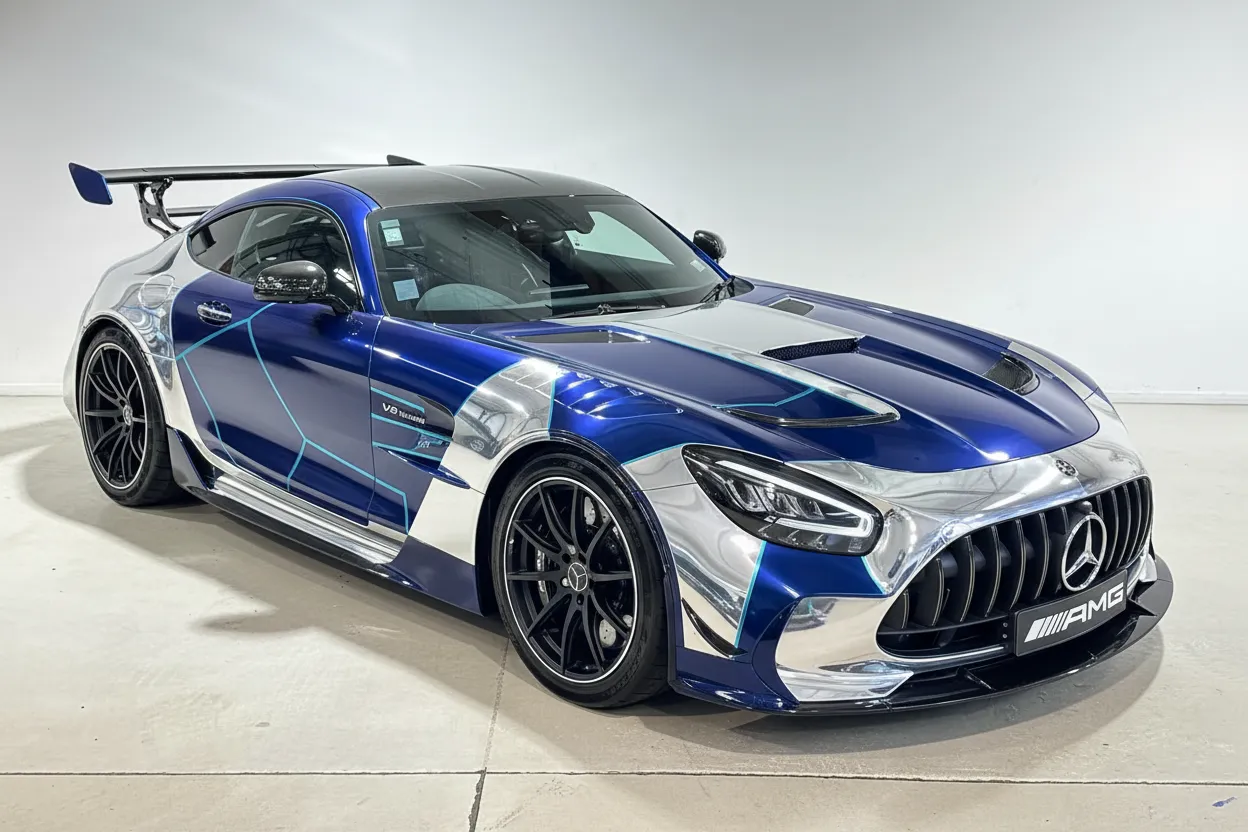

Yes, you can ceramic coat a vinyl wrap to build a semi-permanent hydrophobic barrier over the film. However, the coating must be formulated specifically for flexible vinyl or polyurethane surfaces, and the wrap itself must be clean and in pristine structural condition.If you are maintaining or planning a wrapped vehicle project, understanding how ceramic coatings bond with cast film will help you maximize your wrap's lifespan.

Is Ceramic Coating Safe for Vinyl Wraps?
Yes, ceramic coating is completely safe for vinyl wraps—provided you use a film-safe formulation.Here’s where most people mess up: using standard ceramic coatings designed exclusively for hard automotive clear coats. Traditional paint coatings often contain heavy petroleum solvents that can eat into flexible cast vinyl, cause premature yellowing, or dissolve the film’s protective topcoat polymers.Using a coating engineered specifically for vinyl or paint protection film (PPF) guarantees full chemical compatibility. It preserves the flexibility of your film while adding a slick, hard protective barrier.
What Does Ceramic Coating Do to a Vinyl Wrap?
Think of a ceramic coating as a high-performance sacrificial shield layered directly over your wrap.
[Ceramic Coating Layer] ---> Repels Water, UV Rays, & Road Grime [Vinyl Film Layer] ---> Provides Color & Protects Factory Paint [Factory OEM Paint] ---> Preserves Showroom Clear Coat
When you apply a coating over film, you unlock several key benefits:Hydrophobic Water Beading: Water, mud, and road grime slide off the slick surface, cutting your weekly maintenance time in half.UV Shielding: Blocks harsh ultraviolet radiation from drying out vinyl polymers, preventing premature fading, chalking, and cracking.Stain & Chemical Resistance: Shields the porous vinyl surface against acid etching from bird droppings, bug splatter, tree sap, and road salt.Slick Surface Feel: Reduces surface friction, significantly lowering the risk of fine wash-induced swirl marks and towel drags.

Can You Ceramic Coat Matte and Satin Vinyl Wraps?
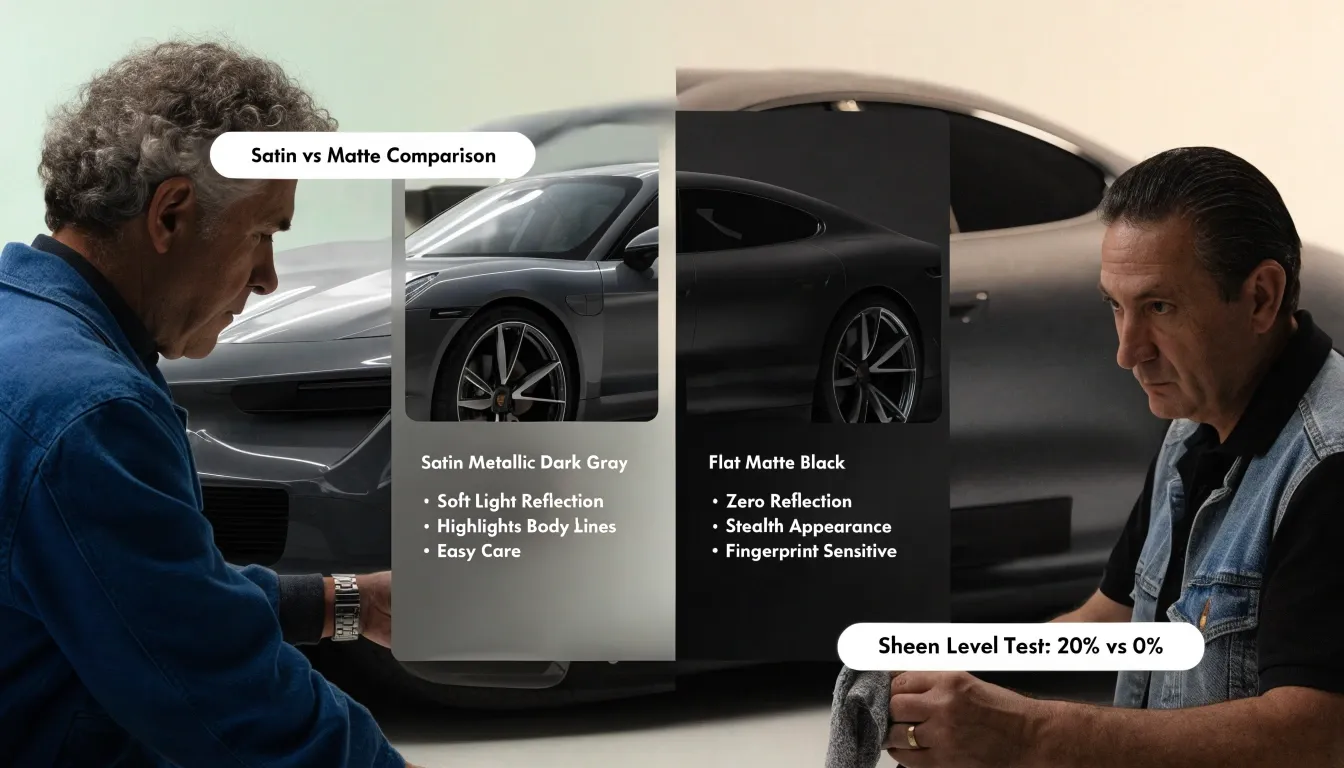
Yes, but you must use a matte-specific ceramic coating.Here’s why this distinction matters: matte and satin wraps rely on a micro-textured surface to absorb light rather than reflect it. Standard gloss-enhancing ceramic coatings fill in those microscopic texture valleys, leaving permanent, blotchy, semi-gloss streaks across your flat panels.Specialized matte ceramic coatings protect the surface from oils and dirt without adding unwanted shine or ruining the flat texture.
Can You Ceramic Coat a Gloss Vinyl Wrap?
Yes. Coating a gloss vinyl wrap deepens its visual depth, adds a glass-like reflective sheen, and triggers intense water-beading action.Gloss films are notoriously prone to light swirl marks and water spotting. Adding a glossy ceramic topcoat creates a harder outer layer that keeps the finish looking freshly installed for years.
Ceramic Coating vs. Wax for a Vinyl Wrap
Choosing between wax and ceramic coating comes down to durability, chemical safety, and how much time you want to spend on maintenance.
| Feature | Wrap-Safe Synthetic Wax / Spray | Ceramic Coating for Vinyl Wraps |
|---|---|---|
| Durability | 1 to 3 months | 12 to 24 months |
| UV & Acid Protection | Moderate | Superior |
| Matte/Satin Safety | High risk (leaves white residue) | Safe (when using matte-specific coating) |
| Maintenance Effort | High (frequent re-applications) | Low (easy wipe-down maintenance) |
| Upfront Cost | Low ($15 – $30) | Moderate to High ($60 – $200+) |
Ceramic Coating vs. Vinyl Wrap: What Does Each One Do?
It is easy to confuse these two protective upgrades, but they serve completely distinct roles on your vehicle:Vinyl Wrap: A physical layer of cast film applied to change your vehicle's color, texture, or visual styling while shielding factory paint from light rock chips and surface abrasions.Ceramic Coating: A liquid nano-polymer applied on top of paint or vinyl wrap that cures into a hydrophobic microscopic barrier to repel water, oil, dirt, and chemical contaminants.

How to Ceramic Coat a Vinyl Wrapped Car
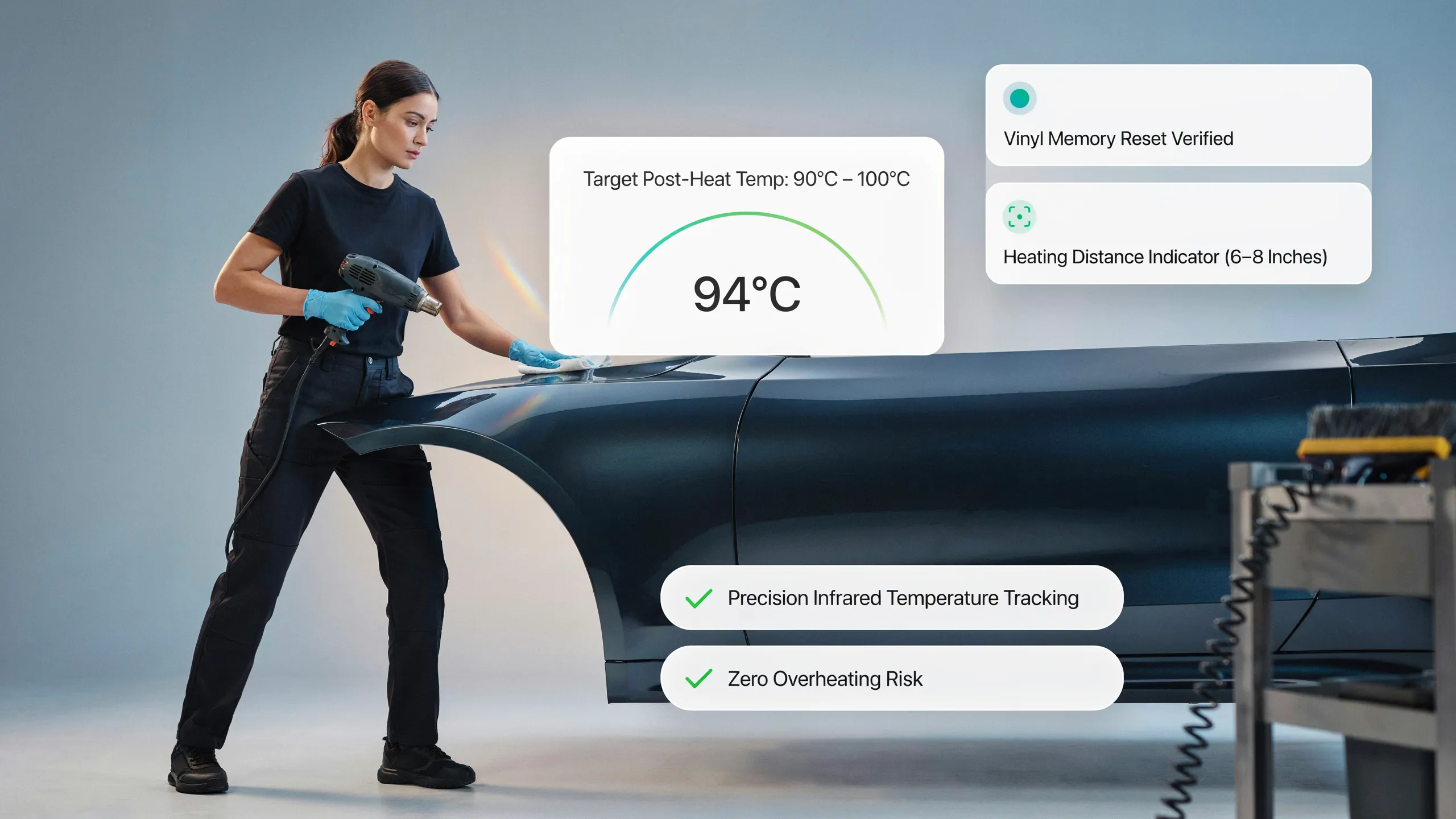
Applying a ceramic coating to a wrapped car requires thorough surface preparation to ensure the chemical bond locks in cleanly.1.Thoroughly Wash and Dry:Never apply ceramic coating over surface road dirt.Perform a complete two-bucket hand wash using a pH-neutral, wax-free wrap shampoo. Rinse thoroughly and ensure every seam, emblem, and panel gap is 100% dry.2.Decontaminate the Surface:Use wrap-safe isopropyl alcohol (IPA) wipes.Gently wipe down all panels using a mild IPA solution (10-15%) or dedicated wrap prep spray to strip away lingering skin oils, finger smudges, and road film.3.Apply Coating Panel by Panel:Work in shaded, climate-controlled conditions.Apply a few drops of vinyl-safe ceramic coating onto a microfiber applicator pad. Wipe across one panel at a time in overlapping cross-hatch strokes to guarantee thin, even coverage.4.Buff and Flash Off:Do not let the product sit too long.Watch for the coating to "rainbow" or flash off (typically 1 to 3 minutes), then buff the panel gently using a clean, plush, lint-free microfiber towel until completely streak-free.5.Allow Proper Cure Time:Keep away from rain and moisture.Let the vehicle cure in a dry, covered area for at least 24 hours before driving, and avoid washing the car with soap for 7 days.
How Long Does Ceramic Coating Last on a Vinyl Wrap?
A quality vinyl-specific ceramic coating typically lasts 12 to 24 months on a wrapped vehicle.Actual longevity depends on environmental factors: vehicles parked in garages and hand-washed regularly will retain coating protection far longer than vehicles parked outdoors under direct sun or taken through automatic car washes.
When Should You Ceramic Coat a New Vinyl Wrap?
Wait 5 to 7 days after a new wrap installation before applying a ceramic coating.
[Day 1: Wrap Installed] ---> Wait 5–7 Days (Adhesive Outgassing) ---> Apply Ceramic Coating
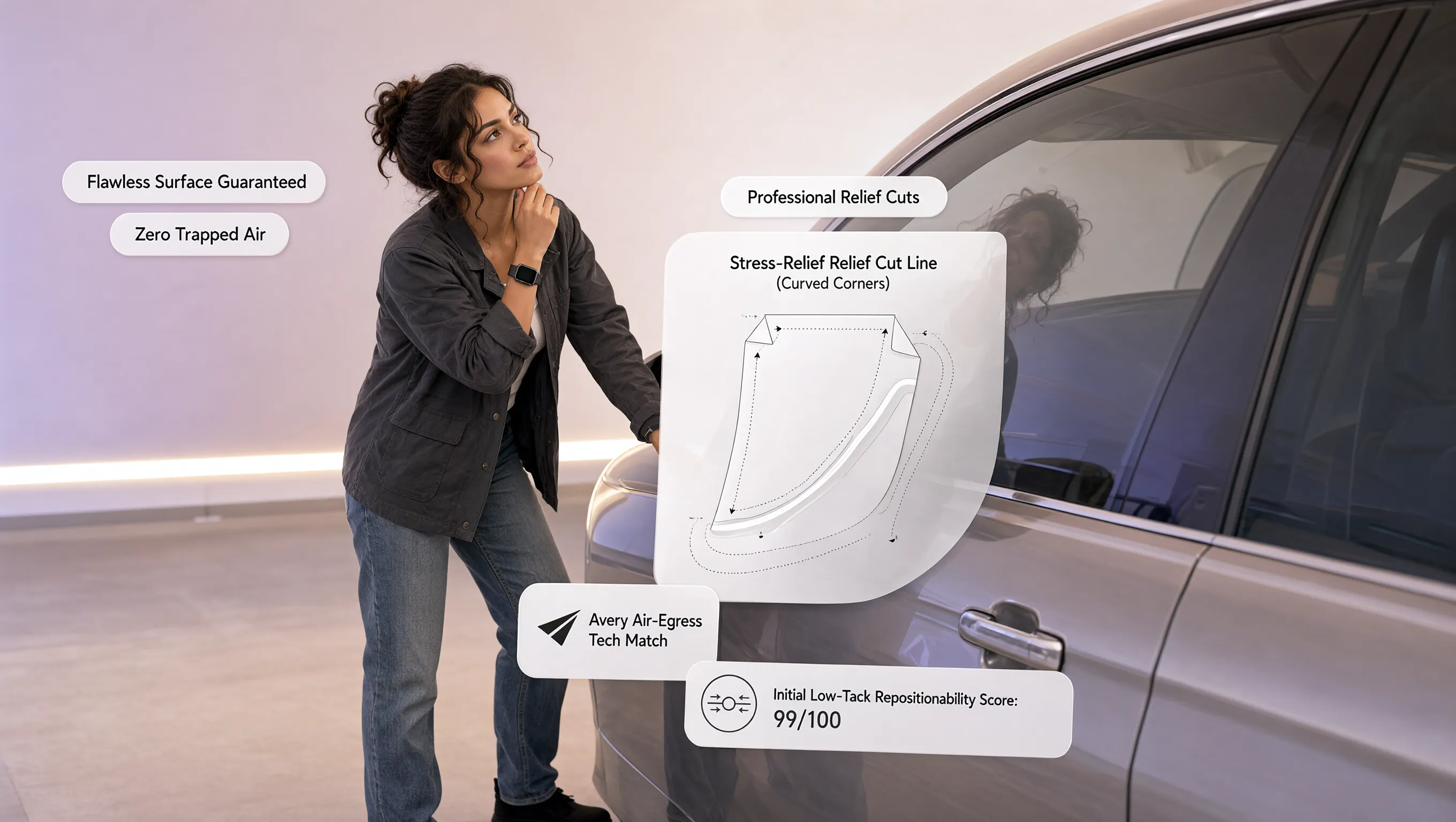
Freshly installed vinyl needs a few days to fully outgas and bond securely to your vehicle's body panels. Applying liquid coatings immediately after installation can trap solvents and interfere with adhesive setting along panel edges.
When Ceramic Coating a Vinyl Wrap Isn't Worth It
While ceramic coatings offer outstanding surface protection, they aren't necessary for every scenario:Short-Term Wraps: If you plan to remove or swap your wrap within 6 to 12 months, a quick wrap-safe spray sealant is far more cost-effective.Damaged or Peeling Vinyl: Coating over oxidized, lifting, or severely chipped vinyl will not restore the underlying material and wastes money on a failing surface.Tight Budgets: If you enjoy regular DIY hand washing, simple synthetic spray detailers offer reliable short-term UV protection for a fraction of the price.
Explore the Complete Vinyl Wrap Care & Customization Guide
Proper maintenance is just one part of getting the most out of a wrapped vehicle. Use these guides to navigate every stage of your car wrap journey:Financial & Legal Considerations: Read our breakdown on FAQ: Wrapping a Financed Car to learn how modifications affect vehicle loans, insurance policies, and resale value.Leased Vehicle Rules: Planning to wrap a lease? Check out FAQ: Wrapping a Leased Car to ensure you avoid costly turn-in penalties at the dealership.Washing Routine: Master the safest cleaning techniques with How to Wash a Wrapped Car Without Damaging the Vinyl to prevent edge lifting during hand washes.Car Wash Safety: Need automated options? Read Can You Take a Wrapped Car Through a Car Wash? to discover which drive-through washes are safe for vinyl film.Waxing Guidelines: Avoid finish ruining mistakes by reviewing Can You Wax a Vinyl Wrapped Car? before applying surface sealants.
Thinking About a New Wrap? See the Color and Finish on Your Car First
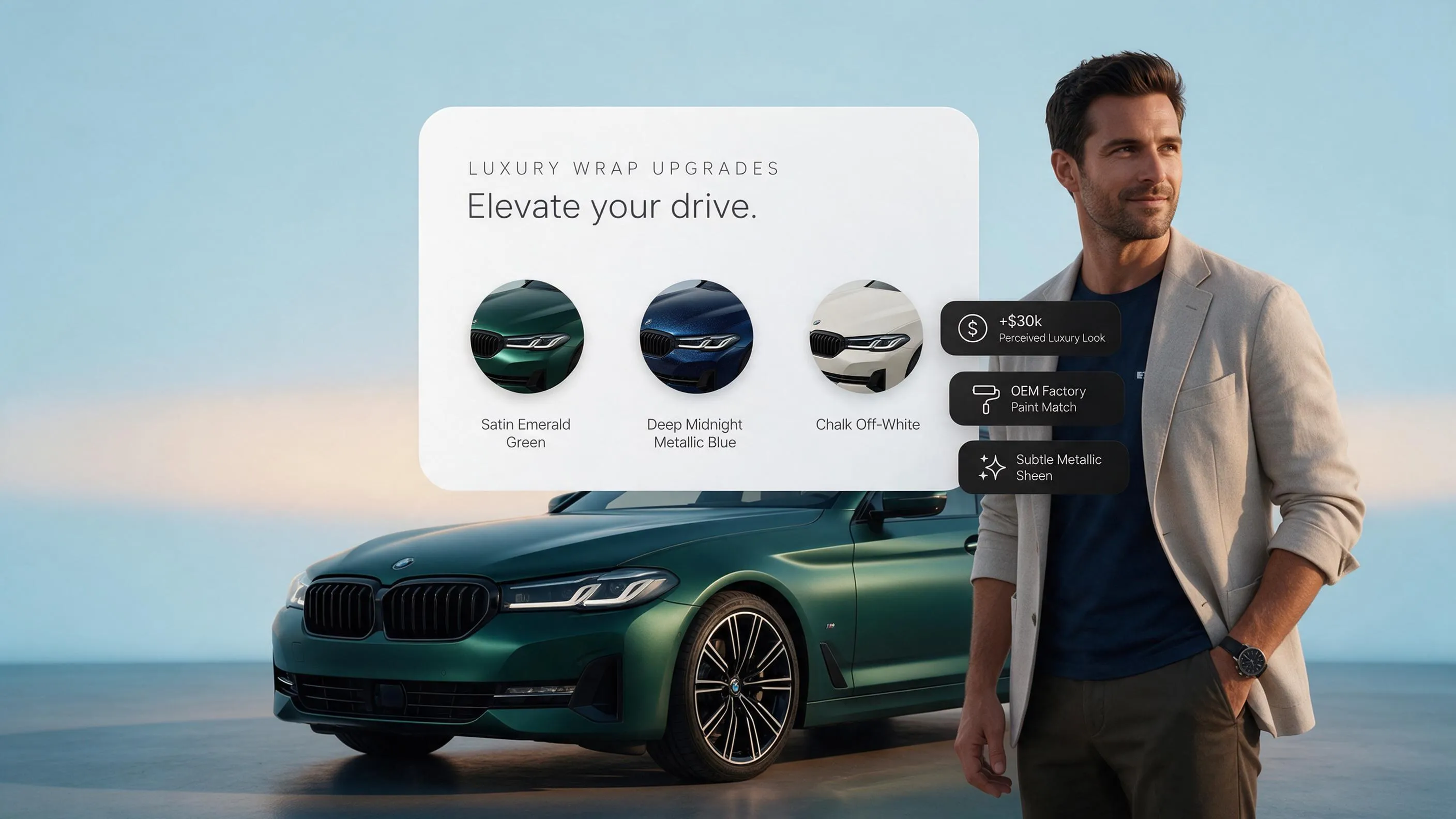
Thinking about replacing your current wrap, upgrading to a ceramic-coated satin finish, or exploring a bold color transformation?You don't have to guess how a new shade will look based on tiny material swatches.Using an AI car wrap visualizer at Carwrap.style lets you upload your vehicle's make and model to preview high-resolution gloss, matte, satin, or metallic finishes directly on your body lines under realistic lighting conditions. It's the ultimate way to test color shifts, compare wrap finishes, and share clean visual renders with your wrap installer before committing to new film.
Preview Your Next Wrap Design Before Spending a Dollar
Stop guessing how colors will look. Use the Carwrap.style visualizer to test gloss, satin, and matte finishes directly on your exact vehicle model.
FAQ: Is Ceramic Coating Safe for Vinyl Wraps?
Is ceramic coating safe for all types of vinyl wraps?
Yes, but you must match the coating formula to your specific wrap finish. Gloss wraps can handle standard film-safe coatings, while matte and satin wraps require dedicated non-gloss ceramic coatings that protect without adding unwanted shine or gloss streaks.
What are the primary benefits of ceramic coating a wrapped car?
A vinyl-safe ceramic coating acts as a hydrophobic barrier over your film. Key benefits include:UV Protection: Prevents sun damage, fading, and premature chalking.Hydrophobic Water Beading: Water, dirt, and mud slide off effortlessly.Chemical Resistance: Shields delicate vinyl against acid etching from bird droppings, bug splatter, and road salt.Easier Maintenance: Reduces washing time and lowers the risk of wash-induced swirl marks.
Will ceramic coating change the look of a matte or satin wrap?
Not if you use a matte-specific ceramic coating. Standard gloss coatings contain optical brighteners that fill in the microscopic texture of matte films, leaving permanent shiny blotches. Matte coatings protect against oils and grime while preserving the flat, non-reflective sheen.
Can I use a regular paint ceramic coating on vinyl?
No. Traditional paint coatings are designed for hard, rigid clear coats. Their carrier solvents are often too harsh for soft, flexible vinyl, which can cause the film to dry out, curl at the edges, or discolor over time. Always look for labels indicating safety for "Vinyl," "PPF," or "Flexible Films."
How soon after installing a wrap can I apply ceramic coating?
Wait 5 to 7 days after installation. Freshly applied vinyl needs time to outgas and form a complete adhesive bond with the vehicle panels. Applying a liquid coating too early can trap gas bubbles or weaken the adhesive along seam edges.
Can ceramic coating prevent rock chips on a vinyl wrap?
No. Ceramic coatings are ultra-thin liquid polymers (typically 1–2 microns thick) that cure into a slick chemical layer. They protect against chemical etching, UV damage, and minor wash marring, but they do not provide impact protection against flying road gravel or heavy rock chips.
How long does ceramic coating last on a vinyl wrap?
A quality vinyl-specific ceramic coating typically lasts 12 to 24 months, depending on environmental exposure, parking conditions (garaged vs. outdoor), and how well you maintain the vehicle with proper hand washing.
How do I maintain a ceramic-coated vinyl wrap?
Hand Wash Only: Use the two-bucket method with a pH-neutral, wax-free car shampoo.Avoid Automatic Brush Washes: Abrasive bristles scratch coatings and lift vinyl edges.Use Ceramic Detail Sprays: Apply a spray sealant every few months to boost the hydrophobic topcoat.Dry Immediately: Use clean, soft microfiber towels to prevent mineral water spots.
Can you ceramic coat an older or damaged vinyl wrap?
It is not recommended. Coating over vinyl that is already peeling, faded, or oxidized will trap the damage underneath and won't restore the material. Ceramic coating works best when applied to clean, newly installed, or well-maintained wraps in good structural condition.
How is applying ceramic coating to vinyl different from applying it to paint?
Vinyl is much more porous and flexible than clear coat paint. Film-safe coatings flash (dry) faster on vinyl, requiring smaller working sections (e.g., half a door panel at a time) and quicker buffing to avoid leaving permanent high spots or streaks.
Is ceramic coating better than waxing a vinyl wrap?
Yes. Traditional paste waxes often contain petroleum distillates that degrade vinyl, and they leave unsightly white residue in wrap seams. Ceramic coatings offer far superior UV resistance, last up to 2 years (compared to 1–3 months for wax), and are 100% safe for matte/satin finishes when using the correct product.
How can I preview how different wrap finishes will look with a ceramic shine?
Before choosing between a gloss, satin, or matte wrap project, you don't have to rely on small swatch books.Using an AI car wrap visualizer at Carwrap.style lets you upload your vehicle's make and model to preview high-resolution gloss, matte, satin, or metallic finishes under realistic lighting—helping you choose your dream wrap style before spending money on installation.