

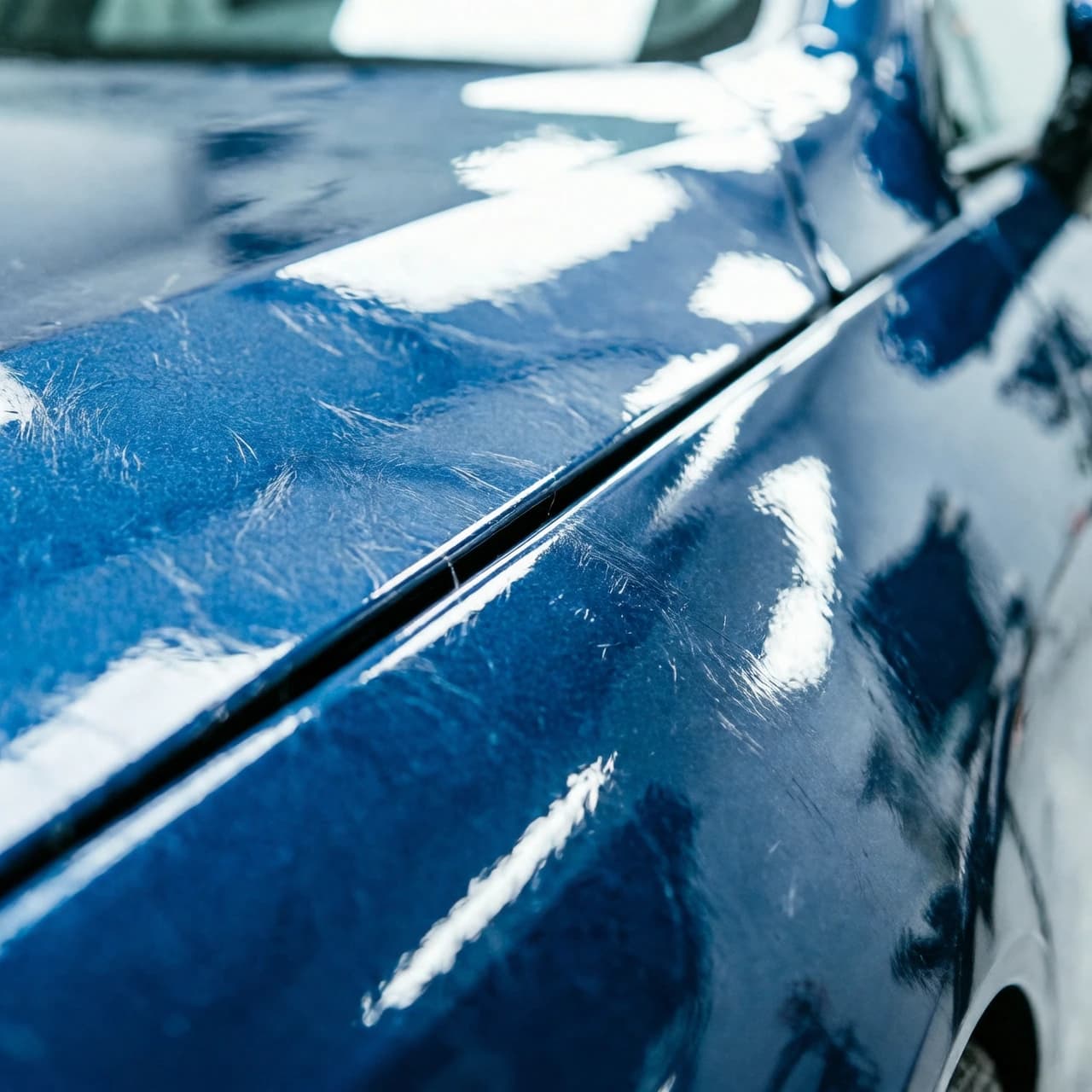
Your vinyl wrap is turning white because the microscopic clear coat layer of the film has suffered chemical oxidation, UV breakdown, or severe surface contamination. Look closely at the discolored panel. When a vibrant gloss, satin, or custom color finish begins to turn chalky, milky, or bleached, it sends an unmistakable signal: the outer protective layer has been compromised. But here is the real kicker. Whether the white haze appeared overnight after a car wash or developed gradually over months of street parking, vinyl wrap turning white stems from a specific set of culprits. UV radiation, harsh cleaning chemicals, trapped moisture beneath the film, hard water mineral deposits, or heat-induced clear coat failure all cause vinyl to lose its original finish. Here is the exact breakdown of why your film is turning cloudy, how to diagnose the damage, and what you can do to restore or replace it before the material degrades entirely.

What Does a White or Cloudy Vinyl Wrap Mean?
Here is a simple truth. You can diagnose whether your wrap is permanently ruined or just dirty simply by paying attention to how the white discoloration manifests on the surface. The visual texture of the haze reveals the exact mechanical or chemical issue affecting the film.Pay attention to the pattern. When you notice a dry, powdery film that rubs off slightly on a dry cloth, you are looking at chalking caused by intense UV oxidation or dried soap scum. But what if the white area looks hazy, smooth, and trapped beneath the topcoat? When a cloudy vinyl wrap displays a milky, semi-translucent fog after rain or washing, you are usually dealing with moisture absorption inside the film's porous structure. On the flip side, when white spots on vinyl wrap appear as hard, ring-shaped outlines with crisp edges, the issue shifts entirely to dried mineral deposits from hard wash water. Identifying the exact visual structure early helps you determine whether a simple detailer wipe will fix the issue or if you are looking at permanent material failure.
UV Exposure Can Make a Vinyl Wrap Look White or Faded
Sunlight is the single most destructive long-term enemy of exterior automotive film. Why? Because continuous exposure to harsh ultraviolet rays systematically breaks down the chemical bonds inside cast and calendered vinyl.Here is what happens underneath the surface. Prolonged UV radiation attacks the organic pigments and protective UV inhibitors embedded within the wrap's top layer. As these chemical bonds break apart, the smooth clear coat becomes microscopic, rough, and pitted, causing light to refract unevenly instead of reflecting cleanly. This structural breakdown results in severe UV damage vinyl wrap conditions, turning deep blacks, dark greys, and vibrant colors into a chalky, faded white haze. Horizontal surfaces like the hood, roof, and trunk bear the brunt of solar radiation, which explains why top panels turn white long before vertical side doors show any sign of fading.

Can Heat Cause a Vinyl Wrap to Turn White?
Extreme ambient temperatures and intense engine heat act as powerful accelerants for vinyl discoloration, but thermal exposure rarely acts alone. Instead, heat magnifies underlying chemical degradation and moisture retention.Take hot summer parking, for instance. When a vehicle bakes in direct sunlight, panel surface temperatures frequently surge past 160°F (71°C). This intense heat causes the vinyl's polymer matrix to expand, making the clear coat far softer and more porous than usual. If the hot panel is exposed to environmental pollutants, road salt, or aggressive chemicals while expanded, those contaminants sink deep into the film's topcoat. Once the panel cools and contracts, the trapped impurities become locked inside the clear layer, creating permanent white haze and heat damage vinyl wrap marks that cannot be washed away with standard car soap.
Could Cleaning Products Be Turning Your Vinyl Wrap White?
Improper cleaning chemicals destroy protective topcoats far faster than natural weather ever could. Why? Because pressure-sensitive vinyl wraps rely on delicate plasticizers and topcoat sealants that react poorly to harsh solvents.Picture this scenario. If you use industrial degreasers, citrus bug removers, household glass cleaners, or heavy acidic wheel cleaners on wrapped panels, those harsh formulas immediately strip the film's protective oils. The result is chemical damage vinyl wrap reactions where the clear layer permanently turns cloudy, soft, or bleached. Even worse, using aggressive paste waxes or ceramic detailers containing heavy solvents on matte or satin finishes leaves a permanent white residue embedded inside the textured surface, turning a clean flat finish into a blotchy, stained mess.

Why Is My Wrap Turning White After Washing?
It can be frustrating to finish washing your car only to watch the vinyl dry into a spotty, white fog. But here is the good news: a vinyl wrap turning white after washing is often caused by surface residue rather than permanent film destruction.Look at your washing routine. If you wash your vehicle under direct sunlight or use hard tap water rich in calcium and magnesium, the water droplets evaporate rapidly off the hot vinyl, leaving hard mineral rings behind. Alternatively, if high-viscosity car shampoos or foam cannon soaps are not rinsed thoroughly, residual detergent dries into a thin, milky film across the clear coat. Before assuming your wrap is ruined, re-wash the vehicle in the shade using distilled water and a pH-neutral wrap shampoo to see if the white haze simply lifts off.
Can Moisture Get Under a Vinyl Wrap?
Moisture can indeed interact with a vinyl wrap, but it rarely sits underneath a properly bonded installation. Instead, water penetrates the microscopic pores of the vinyl topcoat itself.Here is what creates that milky appearance. Standard vinyl films are slightly hydroscopic under specific conditions. During prolonged rain, high humidity, or wet installations, micro-droplets of water migrate into the upper clear layer of the film. This creates a temporary moisture under vinyl wrap phenomenon where light bends through trapped water particles, making the wrap look foggy, white, or cloudy. In most cases involving quality cast vinyl, parking the vehicle in warm, dry sunlight for a few hours allows the trapped moisture to evaporate naturally, fully restoring the wrap's original clarity and color depth.
Is White Vinyl Wrap Damage Permanent?
Whether you can reverse white discoloration depends entirely on whether the issue sits on top of the film or inside the material's internal structure.Let's break down the reality of vinyl restoration. If the white haze stems from dried soap scum, hard water spots, or light surface oxidation, specialized wrap cleaners, mineral remover sprays, or light clay bar treatments can safely restore the original color. But what if the clear coat itself is burnt? If the discoloration is caused by deep UV degradation, chemical etching from acidic cleaners, or severe heat damage, the physical polymer structure has broken down permanently. No amount of rubbing, heating, or polishing will bring back destroyed color pigments; once the clear coat matrix is chemically burnt, replacement is your only option.
How to Fix a Vinyl Wrap That Is Turning White
If your wrap is showing white haze or cloudy patches, follow a safe, methodical troubleshooting sequence before assuming the worst.Start with the safest method first:Shade Wash: Wash the vehicle thoroughly in a covered, shaded area using a clean microfiber mitt and a pure, pH-neutral wrap shampoo.Distilled Rinse: Rinse the panels with distilled or purified water to eliminate tap water mineral contamination.Isopropanol Wipe: Spray a 50/50 mix of isopropyl alcohol and distilled water onto a plush microfiber towel and gently wipe the hazy area to dissolve stubborn detergent residue or wax buildup.Thermal Solar Test: Park the vehicle in warm, direct sunlight for 3 to 4 hours to vent any trapped ambient moisture out of the film's topcoat.Inspect the Surface: If the white discoloration remains completely unchanged after cleaning and drying, stop scrubbing immediately—the clear coat has suffered permanent chemical or UV breakdown.
When Should You Replace a Vinyl Wrap Instead of Trying to Fix It?
Attempting to salvage severely degraded vinyl is a losing battle that risks damaging your vehicle's underlying paint.Look for these unmistakable warning signs that indicate your damaged vinyl wrap has reached the end of its functional life:The white discoloration is accompanied by deep surface cracking, flaking, or a fingernail-catching texture.The film feels brittle, hard, or completely dry to the touch across major panels.Widespread fading covers horizontal surfaces like the hood and roof, leaving uneven blotches.The vinyl begins peeling at the edges or tearing away during routine hand washing.Professional wrap detailers confirm that the topcoat clear layer has been chemically stripped.When your wrap displays these symptoms, trying to restore it will achieve nothing. Stripping the old film cleanly and starting fresh is the only way to protect your clear coat and regain a flawless finish.

How to Prevent Your Vinyl Wrap From Turning White Again
Protecting your next wrap from turning cloudy requires combining proper washing habits with dedicated surface protection:Wash in the Shade: Always wash your vehicle out of direct sunlight to prevent soap and tap water from drying into white mineral spots.Use pH-Neutral Shampoos: Clean exclusively with dedicated wrap washes that contain zero aggressive solvents, harsh degreasers, or heavy gloss waxes.Dry Immediately: Use ultra-plush microfiber drying towels or a filtered leaf blower to eliminate water droplets from panel seams and flat surfaces instantly.Apply Vinyl Ceramic Coating: Protect the film with a specialized ceramic coating for vinyl wraps to create a slick, hydrophobic barrier that repels UV rays, chemical stains, and hard water minerals.Park Indoors: Utilize a garage, carport, or vehicle cover to shield the film from continuous solar baking and environmental fallout.
Thinking About a New Wrap? See the Color and Finish Before You Commit
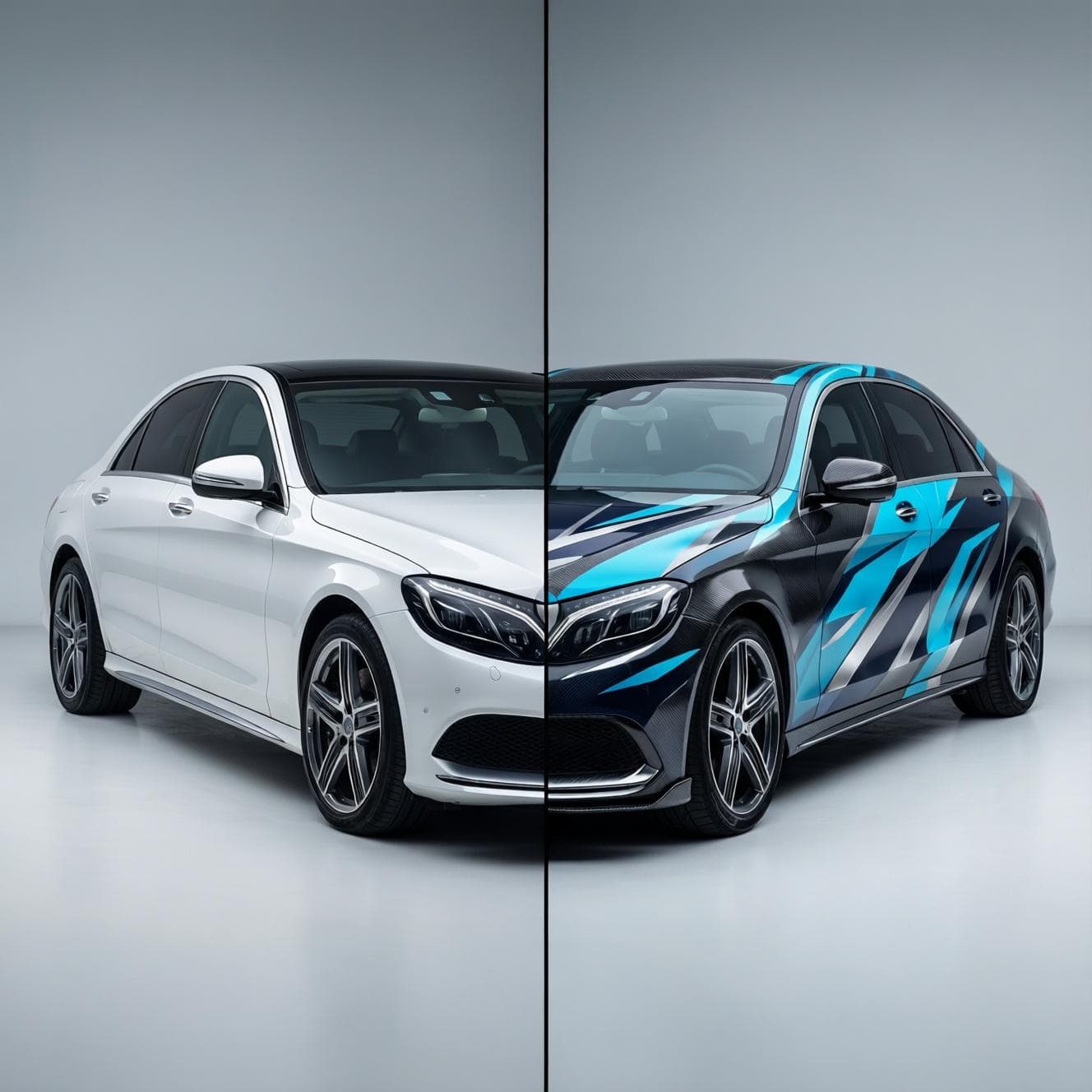
If permanent UV damage or chemical clouding has forced you to strip your old vinyl, or if you are planning to upgrade your vehicle with a completely new custom color, matte finish, or satin graphic layout, you no longer have to guess how the final result will look based on tiny material swatches.Here is a better way. Using an AI car wrap visualizer at Carwrap.style lets you upload a photo of your specific vehicle to preview high-resolution gloss, matte, satin, or metallic finishes directly on your body lines under realistic lighting conditions. It gives you the power to test dynamic color shifts, evaluate visual layouts, and share clean renders with your wrap installer before spending a single dollar on your next installation. 12 Frequently Asked Questions: Why Is My Vinyl Wrap Turning White?

Frequently Asked Questions: Why Is My Vinyl Wrap Turning White?
Why is my vinyl wrap turning white or developing cloudy patches?
A vinyl wrap turning white, chalky, or hazy is primarily caused by severe UV degradation, chemical etching from harsh cleaning solvents, unevaporated water trapped under clear topcoats, oxidation of non-waxed films, or intense sun baking that strips out built-in synthetic plasticizers.
Are the white spots on my car wrap water spots or permanent damage?
You can distinguish temporary water spots from permanent sun damage by wiping the surface with a damp microfiber cloth and a 1:1 mixture of isopropyl alcohol and water:Mineral Water Spots: Wipe away easily or fade with a gentle vinegar rinse.UV Damage & Oxidation: Leaves a dry, chalky white residue on your cloth and remains visible even after the surface dries.Chemical Etching: Creates milky, dull rings that cannot be wiped off because the topcoat itself is structurally damaged.
Can direct sun exposure and UV rays cause a car wrap to turn white?
Yes. Constant exposure to intense solar radiation breaks down the protective clear topcoat layer of the film. As high-energy UV rays evaporate the internal plasticizers, the pigments oxidize and dry out, leading to severe vinyl wrap turning white from sun exposure, especially on flat horizontal surfaces like your hood and roof.
Why is my matte or satin car wrap turning cloudy or white?
Matte and satin wraps lack a glossy protective topcoat, leaving their porous texture open to road salts, hard water minerals, and aggressive soaps. Using traditional car waxes or high-pH soaps on matte finishes fills those microscopic pores with white petroleum residue, resulting in a hazy, uneven finish.
How do harsh cleaning chemicals and car washes make vinyl wraps turn white?
Washing your vehicle with high-alkaline degreasers, petroleum-based solvents, or harsh automatic car wash soaps strips away the vinyl’s protective sealants. This chemical attack etches the top layer, causing a milky, faded film that permanently alters the appearance of dark or vibrant wraps.
Can trapped moisture cause a newly installed vinyl wrap to look hazy or milky?
Yes. During installation, small amounts of slip solution or moisture can remain beneath the film. As the wrap cures in warm sunlight, trapped water turns into a temporary milky haze beneath the vinyl surface. This usually vents out naturally through air-release channels within 7 to 14 days.
Why is my car wrap turning white along the edges and seams?
White edges usually indicate micro-lifting or severe tension stress. When an installer overstretches vinyl across sharp curves or panel edges, the stretched topcoat thins out and turns cloudy. Additionally, airborne dust, wax buildup, and dry soap scum tend to settle along lifted seams, creating a distinct white line.
Can you fix a vinyl wrap that has turned white or oxidized?
Light Surface Oxidation: Can often be restored using a specialized matte or vinyl wrap detailer that hydrates the surface with UV inhibitors.Wax Contamination: Can be cleaned using dedicated wax removers and alcohol wipes.Severe UV Sunburn & Etching: Cannot be restored—once the topcoat and polymer structure have oxidized into a hard, chalky white layer, the affected panel must be replaced.
Should I use traditional car polish or compound to fix a cloudy wrap?
No. Traditional rubbing compounds and abrasive polishes contain micro-abrasives designed for hard clear coats. Using them on vinyl will permanently ruin the finish, strip away the protective topcoat, turn matte finishes shiny, and accelerate white chalky oxidation across the entire panel.
How do hard water minerals turn vinyl wraps white?
When tap water or sprinkler runoff dries on hot vehicle panels, dissolved calcium and magnesium minerals are left behind. These mineral deposits bond to the warm vinyl, drying into hard white rings that, if left untreated, slowly etch into the material under hot sunlight.
How can I prevent my vinyl wrap from turning white or fading?
Apply Vinyl Ceramic Coatings: Shield your film with a hydrophobic sealant designed to reflect UV rays and block chemical etching.Use pH-Neutral Shampoo: Hand wash your car using dedicated, wax-free wrap soaps and soft microfiber mitts.Park in the Shade: Keep your vehicle in a garage or shaded area to minimize direct solar heating.Dry Immediately: Never let tap water air-dry on horizontal surfaces after washing.
Thinking about replacing a sun-bleached or oxidized wrap? Preview your new look first.
If severe sun damage or chemical hazing has ruined your car's exterior, you don't have to guess how a replacement color or finish will look based on tiny material swatches. Use the visualizer at Carwrap.style to upload a photo of your vehicle and test high-resolution gloss, matte, satin, or metallic finishes directly on your body lines under realistic lighting before scheduling your next installation.
.webp&w=3840&q=75)
.webp&w=3840&q=75)