
Car wrap peeling is almost always caused by adhesive failure, surface contamination, over-stretching during installation, or natural polymer aging.When a vinyl wrap begins to lift, curl, or bubble away from body panels, it means the bond between the adhesive layer and the surface underneath has been compromised.Whether your wrap was installed last week or three years ago, peeling points directly to one of seven root issues:Inadequate Surface Preparation: Residual wax, ceramic coatings, dirt, or moisture trapped under the film.Installer Error: Failure to post-heat stretched vinyl or improperly trimmed edge seals.Environmental Stress: Constant UV baking, extreme temperature shifts, or high-pressure car washes.Substrate Issues: Weak, repainted, or failing OEM paint and clear coat underneath.Physical Wear: Friction from door handles, fuel doors, and tight body recesses.Material Fatigue: The wrap has reached the end of its 3 to 5-year natural lifespan.

Where Is Your Car Wrap Peeling?
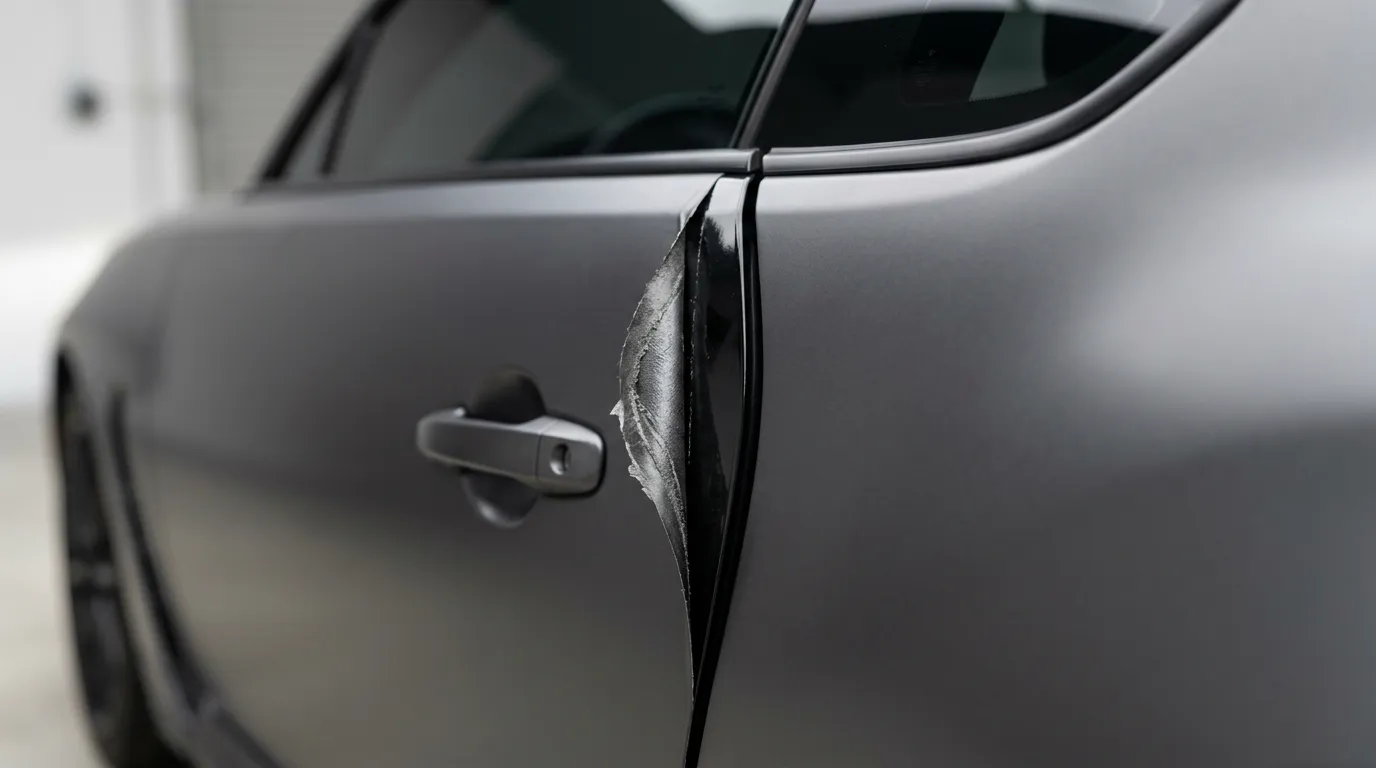
Identifying where the lifting occurs helps narrow down the exact cause of failure:Edges, Corners, and Panel Gaps: The most common failure point. Usually caused by improper edge cleaning, lack of primer along tension lines, or high-pressure water blasting.Around Door Handles and Recesses: Indicates the installer over-stretched the cast film without applying proper post-heat to reset the vinyl's "shape memory."Seams and Overlaps: Caused by trapped dust during installation, insufficient overlap width, or water ingress during high-pressure washing.Large Flat Sections (Hood / Roof): A sign of severe UV degradation, adhesive breakdown, or trapped wax/ceramic coating residue underneath.
The Most Common Reasons a Vinyl Wrap Starts Peeling
Understanding why vinyl wrap peeling and car wrap lifting happen prevents expensive re-installation mistakes.
[Trapped Contaminants / Over-Stretching] ---> Weak Adhesive Bond ---> [Moisture Ingress & Edge Lifting]
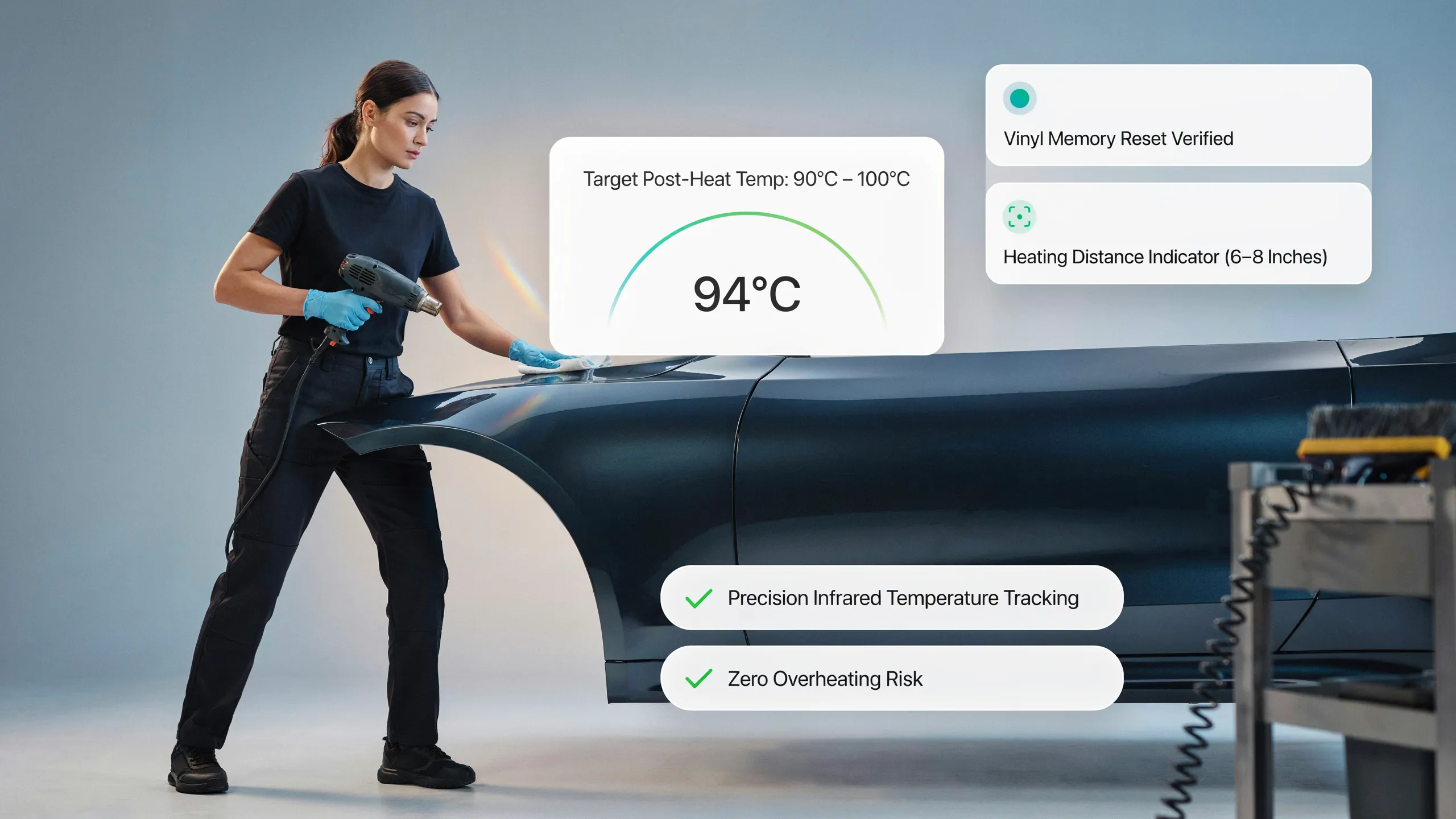
Poor Surface Decontamination: If the paint has remaining wax, silicone detailers, road tar, or ceramic coatings, the pressure-sensitive adhesive cannot achieve a 100% chemical bond.Over-Stretched Vinyl: Cast vinyl has a maximum stretch tolerance (typically 15–20%). If stretched too far into complex curves without post-heating to ~195°F (90°C), the film will snap back to its flat memory shape, causing severe vinyl wrap peeling around handles and tight recesses.Failure to Seal Edges: Wrap installers must carefully tuck and trim film edges behind panels. If an edge is left exposed or cut short, wind and rain will continuously lift the seam.Moisture Trapped During Application: Wet installation methods on complex curves without full squeegee extraction leave tiny water pockets that expand and destroy vinyl wrap adhesion over time.

Could a Bad Installation Be Causing the Peeling?
Yes. Improper installation technique is the leading cause of early vinyl wrap lifting within the first 30 to 90 days.Signs of poor car wrap installation problems include:Lifting occurring immediately after installation in deep channels or body lines.Wrinkles, fingering, or bunched material along tucked panel edges.Over-stretched, discolored, or thinned vinyl around emblem cutouts and door handles.However, installer error isn't always to blame. If the vehicle was brought in with failing factory clear coat, recent non-OEM repaints, or unwashed wax residue, even a master installer cannot force adhesive to stick to a compromised substrate.
Can Heat and Sunlight Make a Car Wrap Peel?
Yes. Continuous heat damage to vinyl wrap and sun exposure accelerate adhesive breakdown.Ultraviolet (UV) radiation breaks down the flexible plasticizers in cast vinyl, making the material brittle, stiff, and prone to shrinking.
[Extreme Direct Sun] ---> Vinyl Shrinks & Hardens ---> Edges Pull Away from Panel Gaps
Horizontal surfaces—like the hood, roof, and trunk lid—absorb the highest thermal loads. As the metal body expands during hot days and contracts at night, the dried-out vinyl cannot flex along with the panel, causing the edges to pull back, lift, or crack.
Can Dirt, Wax, or Moisture Cause Vinyl Wrap to Lift?
Absolutely. Surface contamination is the silent killer of vinyl wrap adhesion.Before a wrap touches paint, the surface must undergo a multi-step decontamination process: bug/tar removal, clay bar treatment, and an isopropyl alcohol (IPA) wipe-down.
| Contaminant Type | Impact on Vinyl Adhesion | Result |
|---|---|---|
| Wax & Polymer Sealants | Creates a slick barrier between paint & adhesive | Instant or delayed edge lifting |
| Ceramic Coatings | Extreme hydrophobic surface prevents chemical bond | Film fails to stick completely |
| Road Oils & Dirt | Traps micro-particles under the glue layer | Bubbles and localized lifting |
| Trapped Moisture | Prevents pressure-sensitive adhesive from curing | Water pockets turn into loose bubbles |

Why Does Vinyl Peel Around Edges, Curves, and Door Handles?
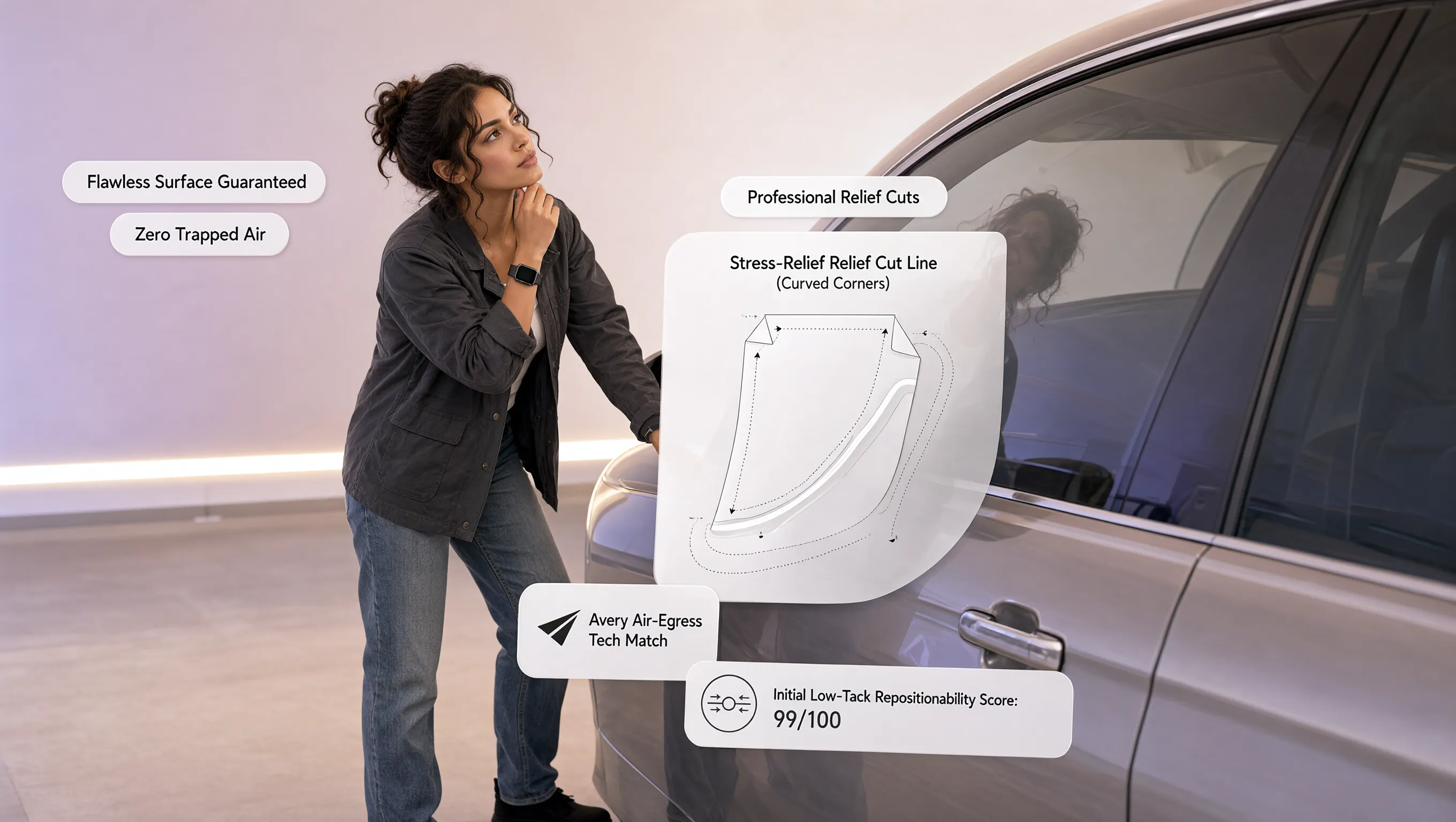
Complex curves, deep recesses, and door handles experience maximum material tension and daily physical interaction.High Stress Points: When wrapping around door handles or deep bumper cutouts, the film is stretched multi-directionally. If the installer skips post-heating or fails to use wrap adhesion promoter (primer) along edge borders, the tension constantly pulls the vinyl outward.Physical Contact: Door handles, fuel doors, and trunk edges are constantly touched, tugged, and exposed to skin oils, increasing mechanical friction that works loose edges free.
Can You Fix a Peeling Car Wrap?
Whether you can repair peeling vinyl wrap depends on the severity and location of the lift:Minor Edge Lifting (Under 1 Inch): A professional installer can often clean behind the lifted section with IPA, apply a specialized wrap primer, use a precision heat gun to relax the memory, and squeegee the edge back down.Contaminated or Stretched Lifting: If dirt, road grime, or water has covered the exposed glue, the adhesive is dead. The lifted section must be trimmed back neat, or the entire panel section must be re-wrapped.Large Panel Failure: If the hood or roof is lifting across main flat sections, spot repairs will look patchy and uneven. Replacing the single panel wrap is the only clean solution.
Should You Peel Off a Loose Section Yourself?
No. Never yank, pull, or tear a loose section of peeling vinyl wrap.Pulling on loose wrap creates three immediate risks:Ripping Good Sections: Tearing loose film can pull anchored vinyl off adjacent panels, turning a minor $50 edge touch-up into a $500 panel re-wrap.Paint Damage: If the underlying paint is weak, repainted, or chipping, aggressive pulling can strip the clear coat or paint off the vehicle.Exposing Raw Paint: Trimming wrap yourself with razor blades risks slicing directly into your car's factory paint finish.If a section is flapping in the wind, temporarily secure it with low-tack painter's tape and take it to a professional wrap shop.
Will Peeling Vinyl Damage the Paint Underneath?
In most cases, no—provided your vehicle has sound OEM factory paint.High-quality vinyl wraps are designed to protect factory clear coats from minor road debris and UV light. However, peeling vinyl wrap paint damage can occur under specific conditions:Repainted or Touched-Up Panels: Non-factory paint jobs often lack the bond strength of OEM baked finishes. When wrap lifts or is removed, weak paint can come with it.Trapped Moisture: If water sits trapped beneath a lifted pocket of vinyl for months, it can cause clear coat oxidation or rust formation on exposed metal seams.
How to Stop Your Car Wrap From Peeling Again
Preventing future car wrap peeling comes down to proper maintenance and quality installation standards:Choose a Certified Installer: Ensure your shop uses premium cast vinyl (like 3M or Avery Dennison) and follows strict post-heating protocols.Hand Wash Only: Use the two-bucket method with a pH-neutral wrap shampoo. Avoid high-pressure wand washes within 12–18 inches of wrap seams.Apply Surface Protection: Apply a specialized ceramic coating for vinyl wraps or synthetic spray sealant to keep edges slick and protected against UV drying.Park in the Shade: Garaging your vehicle or parking under cover significantly reduces thermal stress on hood and roof panels.

Thinking About a New Wrap? See It on Your Car First
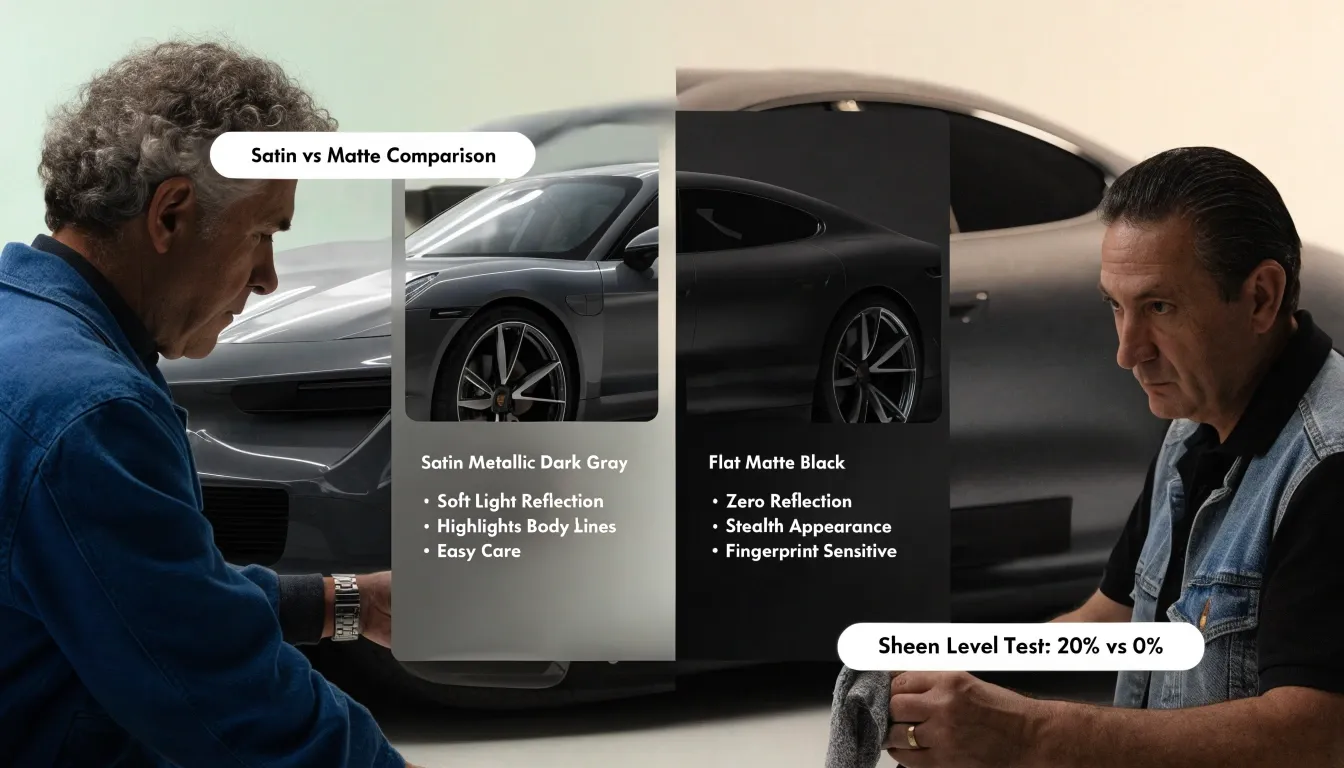
Dealing with a peeling panel or thinking about replacing your current wrap with a fresh color, satin finish, or bold custom layout?You don't have to guess how a new shade or finish will look based on tiny 2-inch swatch books.Using an AI car wrap visualizer at Carwrap.style lets you upload a photo of your vehicle to preview high-resolution gloss, matte, satin, or metallic finishes directly on your body lines under realistic lighting conditions. It's the ultimate way to test color shifts, compare finish durability, and share clean visual renders with your wrap installer before committing to your next installation.

Explore the Complete Vinyl Wrap Care & Maintenance Hub
Keep your wrapped vehicle in pristine, showroom condition with our connected care and ownership guides:Preventing Edge Failure: Learn how hydrophobic barriers protect seams in Is Ceramic Coating Safe for Vinyl Wraps?Waxing Safety Rules: Protect your film without ruining adhesives by checking Can You Wax a Vinyl Wrapped Car?Automated Wash Risks: Protect your wrap edges during drive-through washes with Can You Take a Wrapped Car Through a Car Wash?Organic Contaminant Care: Clean sticky resins safely using How to Remove Tree Sap From a Car Wrap Without Damaging the Vinyl.Acidic Mess Cleanup: Neutralize etching risks safely with How to Remove Bird Droppings From a Car Wrap Without Damaging It.
FAQ: Why Is My Car Wrap Peeling?
What are the most common reasons a car wrap starts peeling?
The main causes of vinyl wrap peeling include:Inadequate Surface Preparation: Residual wax, oil, ceramic coating, or dirt trapped under the film.Installer Error: Failing to post-heat stretched vinyl to reset its shape memory, or improperly trimmed edges.Environmental Stress: Continuous UV baking, extreme temperature shifts, or high-pressure car washes.Substrate Issues: Weak, peeling, or non-factory repainted clear coat underneath.Material Fatigue: The wrap reaching the end of its natural 3- to 5-year lifespan.
Where on the vehicle is a wrap most likely to peel?
Lifting occurs most frequently at edges, panel corners, and tight recesses like door handles, bumper channels, and fuel doors. These high-tension zones experience the most mechanical stress, wind resistance, and physical contact.
Could a bad installation be causing the peeling?
Yes. Improper installation technique is the leading cause of early peeling within the first 30 to 90 days. Skipping post-heating (which sets the film's final memory to 195°F / 90°C) or over-stretching the material past its 15–20% elasticity limit forces the vinyl to shrink back and lift from deep channels.
Can heat and sunlight cause a vinyl wrap to peel?
Yes. Continuous UV exposure breaks down the flexible plasticizers in cast vinyl, making the material brittle, stiff, and prone to shrinking. As metal body panels expand in summer heat and contract at night, dried-out vinyl cannot flex along with the panel, pulling edges back from panel gaps.
Can wax, ceramic coatings, or dirt underneath cause lifting?
Absolutely. Surface contamination is a leading cause of adhesive failure. If the underlying paint contains remaining wax, silicone detailers, road tar, or hydrophobic ceramic coatings prior to installation, the pressure-sensitive adhesive cannot form a 100% chemical bond.
Can high-pressure water cause wrap edges to lift?
Yes. Directing a pressure washer wand or high-pressure car wash nozzle closer than 12–18 inches to panel edges can blast water beneath the seam, breaking the adhesive bond and causing immediate peeling.
How can I tell if my wrap is peeling due to age or bad installation?
Early Failure (1–3 months): Usually indicates installer error, over-stretching, or poor surface prep along specific edges or curves.Late Failure (3–5+ years): Characterized by widespread cracking, fading, and lifting across flat panels (like the hood and roof) due to natural polymer degradation.
Can you fix a peeling car wrap, or does it need to be replaced?
It depends on the extent of the damage:Minor Edge Lifting (Under 1 inch): A professional installer can clean behind the lifted section with isopropyl alcohol (IPA), apply specialized wrap primer, use a precision heat gun, and seal the edge down.Contaminated or Large-Scale Lifting: If dirt or water has coated the exposed adhesive, the glue is dead. The affected panel section must be trimmed back or fully re-wrapped.
Should I pull or trim a peeling section of vinyl myself?
No. Never yank loose vinyl. Pulling can tear anchored sections off adjacent panels or strip weak underlying clear coat. Trimming with razor blades yourself risks slicing directly into your car's factory paint. Temporarily secure flapping edges with low-tack painter's tape and visit a professional wrap shop.
Will peeling vinyl damage the factory paint underneath?
In most cases, no—provided your vehicle has sound OEM factory paint. However, if water remains trapped beneath a lifted pocket of vinyl for months, it can cause clear coat oxidation or rust along exposed metal seams. Non-OEM repaints are also at risk of pulling up when peeling vinyl is removed.
How can I stop my car wrap from peeling again?
Choose a certified wrap installer who uses premium cast vinyl (e.g., 3M, Avery Dennison) and post-heats all tension zones.Hand-wash using the two-bucket method and pH-neutral wrap shampoo.Avoid high-pressure automated car washes and keep spray nozzles 12–18 inches away from seams.Apply a vinyl-safe ceramic coating or synthetic spray sealant to protect edges and keep the surface slick against UV drying.
How can I preview how a new wrap finish will look before re-wrapping?
If you need to replace a peeling panel or want to upgrade your vehicle with a completely new color or finish, you don't have to rely on small material swatches.Using an AI car wrap visualizer at Carwrap.style lets you upload a photo of your vehicle to preview high-resolution gloss, matte, satin, or metallic finishes under realistic lighting—helping you pick your exact layout before committing to installation.