
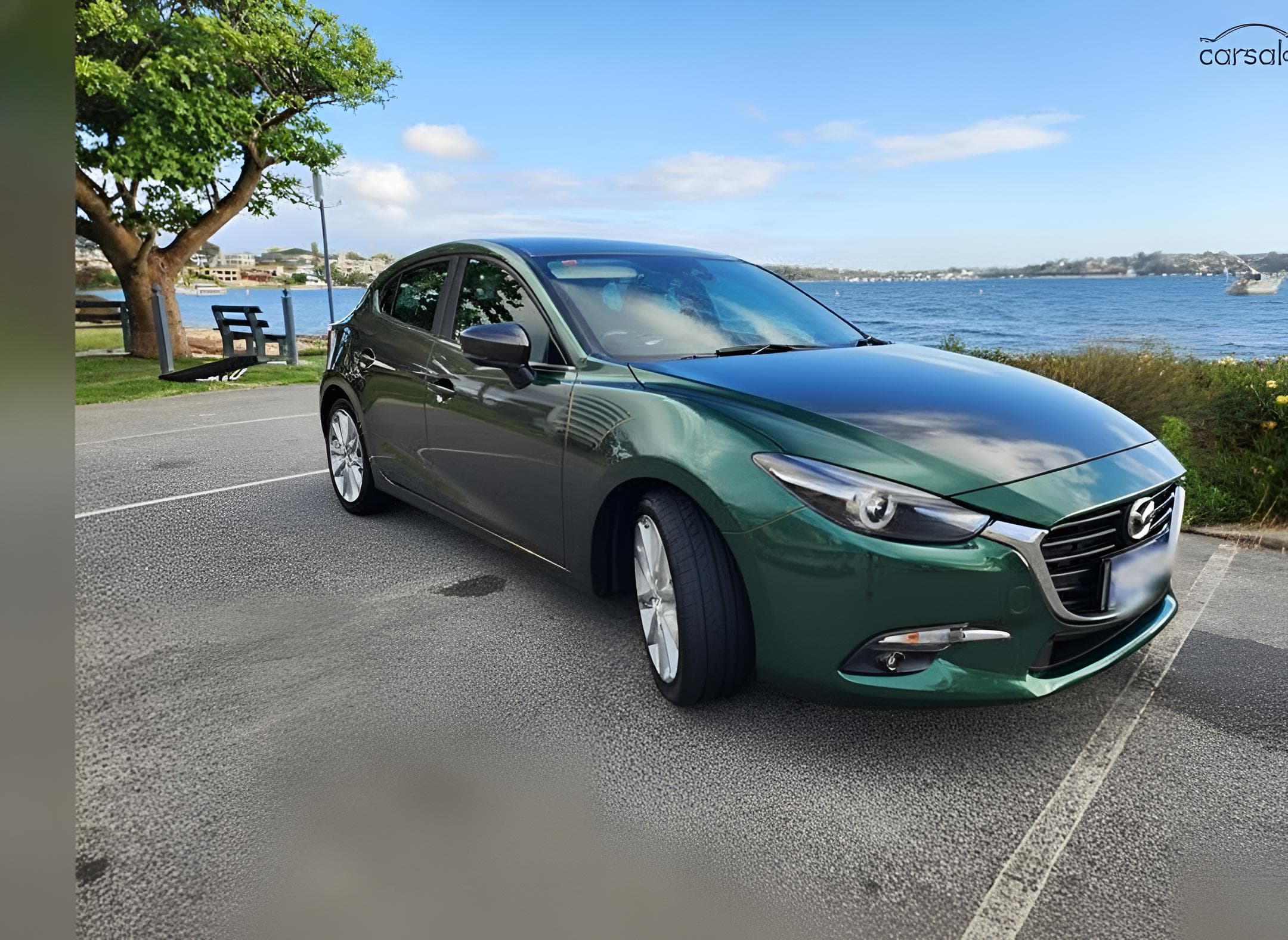

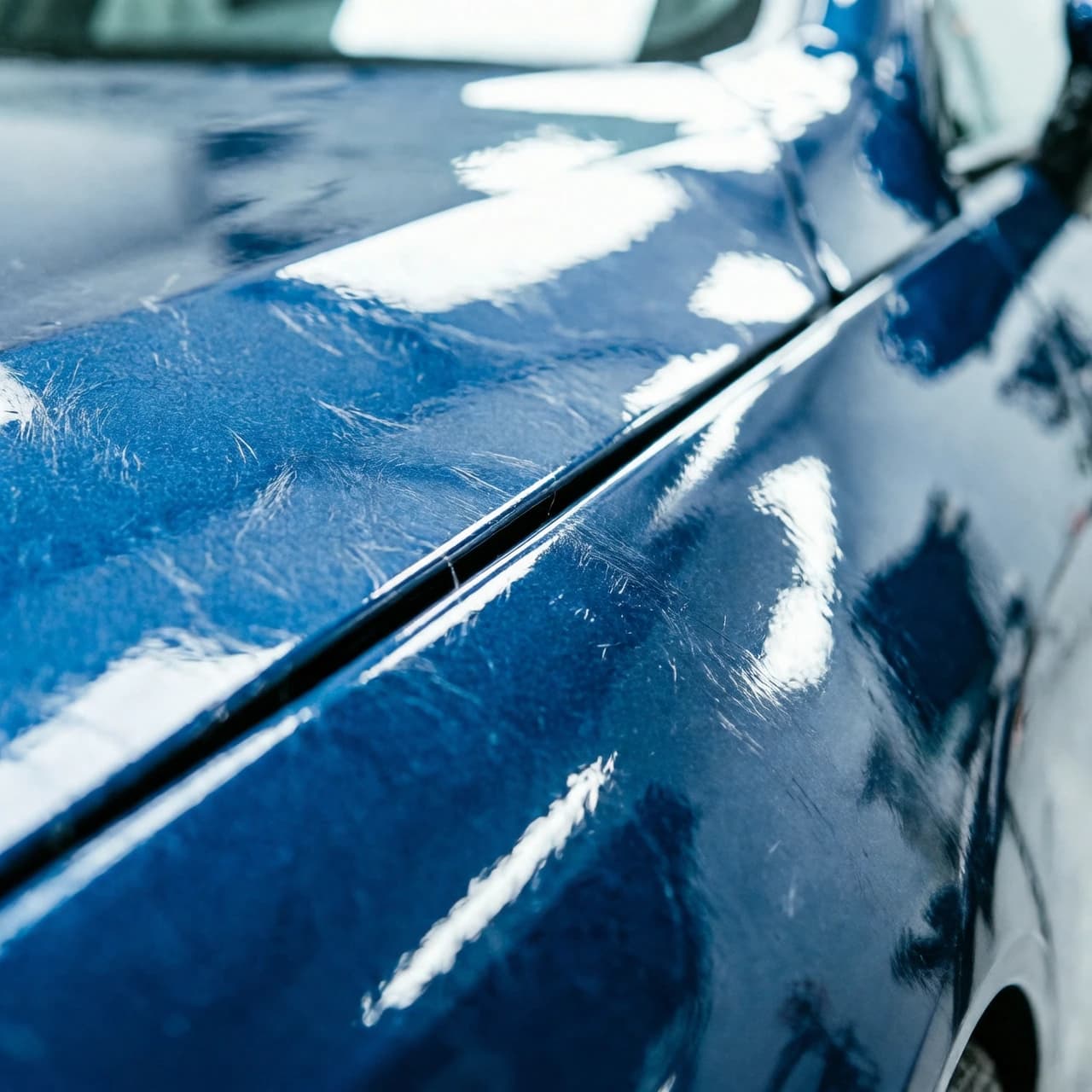
Your vinyl wrap is lifting because the invisible adhesive layer beneath the film has lost its physical grip on your vehicle's clear coat. Look closely at the edges. When clean vinyl begins to curl, pull back, or separate from the paint, it sends an unmistakable signal: the mechanical bond holding it down has been breached. But here is the real kicker. Whether you just picked your vehicle up from the detailing shop or have been driving it for years, car wrap lifting boils down to a handful of specific culprits. Poor surface decontamination, weak adhesive bite, overstretched film along deep contours, edge contamination, extreme temperature fluctuations, or straightforward installer error all cause vinyl to release its hold. Here is the exact breakdown of why your film is coming loose, where it happens most, and how to fix it before an entire panel is ruined.

Where Is Your Car Wrap Lifting? The Location Can Tell You Why
Here is a simple truth. You can diagnose the exact root cause of vinyl release simply by paying attention to where the lifting begins. The physical location of the peel reveals the precise mechanical stress that caused the adhesive to fail in the first place.Pay attention to the pattern. When car wrap lifting happens exclusively along outer panel edges or door seams, it almost always points to inadequate edge wrapping, improper post-heating, or high-pressure wash damage. But what if the problem is on a curve? When you spot vinyl lifting around deep curves, aggressive body lines, or recessed door handles, you are looking at overstretched material that was forced into place without relieving film tension. On the flip side, when raised bubbles or broad peeling appear across wide, flat areas like the hood or roof, the culprit shifts entirely to underlying paint contamination, residual wax, or severe solar heat degradation. Identifying the exact pattern early helps you determine whether you are dealing with a minor edge trim fix or a total panel failure.
Why Is My Car Wrap Lifting at the Edges?
Edge lifting is the most frequent wrap issue vehicle owners face, and it usually starts with the installation process itself. Think about it. For vinyl to stay anchored along body panel margins, the installer must clean the inner lip thoroughly, wrap the film around the edge, and apply precise post-heat to reset the vinyl's shape memory.Here is where things go wrong. If an installer rushes the prep, residual road grime, oil, or factory wax tucked inside the door jambs prevents the adhesive from ever touching the paint. Even worse, if they fail to thoroughly post-heat the wrapped margins, the vinyl naturally attempts to pull back to its original flat state, causing vinyl wrap lifting at edges within days of pickup. Once an edge lifts even a fraction of a millimeter, daily driving forces ambient air, road dust, and rainwater directly under the film. The moment dirt coats that exposed sticky backing, the adhesive dies permanently, turning a hairline gap into a peeling flap.

Why Is My Vinyl Wrap Lifting Around Curves and Corners?
Wrapping complex curves, deep bumper recesses, and sharp body contours requires immense skill. Why? Because vinyl acts much like a giant latex band. When cast film is stretched over dramatic contours without proper technique, it creates massive internal tension that constantly pulls away from the vehicle surface.Installers rely on controlled heat to stretch vinyl into deep channels. But there is a catch: stretching film beyond its structural limit breaks down the pressure-sensitive adhesive layer. If the technician does not post-heat those stretched zones to 180°F–200°F (82°C–93°C) to lock in the new shape memory, the vinyl will slowly pull itself flat again as it cools. That constant recoil tension forces the material to lift out of channels and off tight corners, leaving hollow air bridge gaps that eventually split open.
Can Heat or Cold Cause a Car Wrap to Lift?
Extreme weather conditions act as a severe test for vinyl wrap adhesion, but temperature alone rarely ruins a properly installed wrap. Instead, thermal shifts simply accelerate existing vulnerabilities in weak installations.Take hot weather, for instance. During scorching summer days, direct solar radiation can spike panel temperatures above 160°F (71°C), which softens the pressure-sensitive adhesive backing. As the glue loosens its grip, trapped air or moisture rapidly expands, pushing the flexible film away from body channels. Now flip the script to winter. Freezing temperatures make vinyl stiff, brittle, and prone to shrinking. As the material contracts in extreme cold, any section that was overstretched during installation experiences immense tension, snapping away from tight corners and panel edges. If your wrap comes loose during a seasonal weather shift, the temperature was simply the trigger that exposed an underlying preparation or stretching defect.
Can Washing or Pressure Washing Make a Wrap Lift?
Improper washing habits destroy more vinyl wraps than natural weather ever could. Why? Because high-pressure wash wands deliver intense water force that can easily catch the micro-seams of your vehicle's wrap if used incorrectly.Picture this scenario. If you direct a high-pressure spray nozzle closer than 12 to 18 inches from panel edges, door seams, or wrapped graphic cuts, the water stream acts like a physical wedge. It forces water past the edge seal, instantly stripping the adhesive bond and blowing the vinyl right off the paint. Using harsh industrial degreasers, citrus-based bug removers, or automatic drive-through car washes with spinning abrasive brushes compounds the damage by degrading the vinyl topcoat and tearing at tucked edges. Want to protect your investment? Stick strictly to gentle hand washes using the two-bucket method and pH-neutral wrap shampoos.

Is My Car Wrap Lifting Because It Was Installed Incorrectly?
While environmental factors play a role, a massive percentage of early wrap failures trace directly back to improper installation techniques. Make no mistake: a professional wrap install requires surgical cleanliness, meticulous heat management, and strict technical execution.Look at how the wrap was applied. Installers who skip deep decontamination, use incorrect squeegee angles, or rush surface preparation leave your vehicle vulnerable from day one. Overstretching material to save film, failing to clean hidden panel edges, or ignoring post-heating protocols on recessed channels guarantees that the film will pull away over time. However, before assigning total blame to the shop, ask yourself one critical question. Consider how the wrap was maintained after pickup. Environmental exposure, aggressive pressure washing, and neglected spot cleaning can make even a flawless installation release prematurely.
Can Dirt, Wax, or Contamination Cause Vinyl Wrap to Lift?
A vinyl wrap is only as strong as the surface directly beneath it. For pressure-sensitive adhesive to form a permanent bond, it requires 100% direct contact with a pristine, contaminant-free clear coat.Here is what happens under the surface. If an installer wraps over microscopic dust, road tar, residual paste wax, or lingering silicone polishes, those substances create a slick barrier between the glue and the paint. The adhesive binds to the wax or dirt layer instead of the vehicle itself, causing the wrap to release as soon as the car experiences thermal expansion or road vibration. Wrapping over an existing hydrophobic ceramic coating creates an even worse outcome; the ultra-slick coating actively repels the wrap's adhesive, causing widespread lifting across entire body panels within weeks.
Can You Fix a Car Wrap That Is Already Lifting?
Whether you can repair a lifting wrap depends entirely on how quickly you catch the problem and whether the exposed adhesive has been contaminated by dirt.Act fast. If you catch a small lifted edge immediately while the adhesive backing remains perfectly clean and tacky, a professional detailer can warm the film with a heat gun, lay it back down smoothly, trim any compromised excess, and post-heat the margin to lock it into place. But what if you wait too long? If the lifted section has been flapping in the wind for days, collecting road dust, water, and debris underneath, the adhesive in that area is permanently dead. Pressing dirty, dry vinyl back down will achieve nothing. In those cases, the dead section must either be surgically trimmed away by a pro or the entire affected panel must be stripped and re-wrapped.

Should You Rewrap the Whole Car or Repair the Lifting Area?
Deciding between a targeted panel repair and a complete vehicle rewrap comes down to assessing the age of the vinyl, the extent of the damage, and the state of the surrounding adhesive.Let's break down your options. When dealing with an isolated lifted edge on a single door or bumper section—and the wrap is less than two years old—a simple panel replacement or edge trim repair is the most cost-effective path. However, if the wrap is 4 to 5 years old and beginning to lift in multiple locations simultaneously, the adhesive across the entire vehicle is reaching the end of its functional lifespan. Attempting piecemeal repairs on an aging wrap is a losing battle. Once vinyl starts lifting across multiple panels due to age, stripping the old film and investing in a fresh, full-vehicle installation is the only way to restore your car's appearance and protect the underlying paint.
How to Stop Your Car Wrap From Lifting Again
Preventing wrap release requires a proactive approach that combines choosing the right installation shop with establishing solid, long-term maintenance habits.Want to guarantee success? Start by hiring certified installation professionals who use premium cast vinyl featuring advanced air-release technology and proven adhesive systems. Ensure your installer performs deep surface decontamination, strips all waxes, and strictly adheres to post-heating standards on every edge and contour. Once installed, protect the edges by hand washing your vehicle with soft microfiber mitts and avoiding high-pressure sprayers along panel seams. Parking in a garage or shaded area shields the vinyl from extreme UV heat cycles that break down glue. Finally, applying a specialized ceramic coating for vinyl wraps creates a slick, hydrophobic shield that reduces surface friction, diffuses heat, and seals edges against environmental contamination.
Thinking About a New Wrap? See the Color and Finish on Your Car First
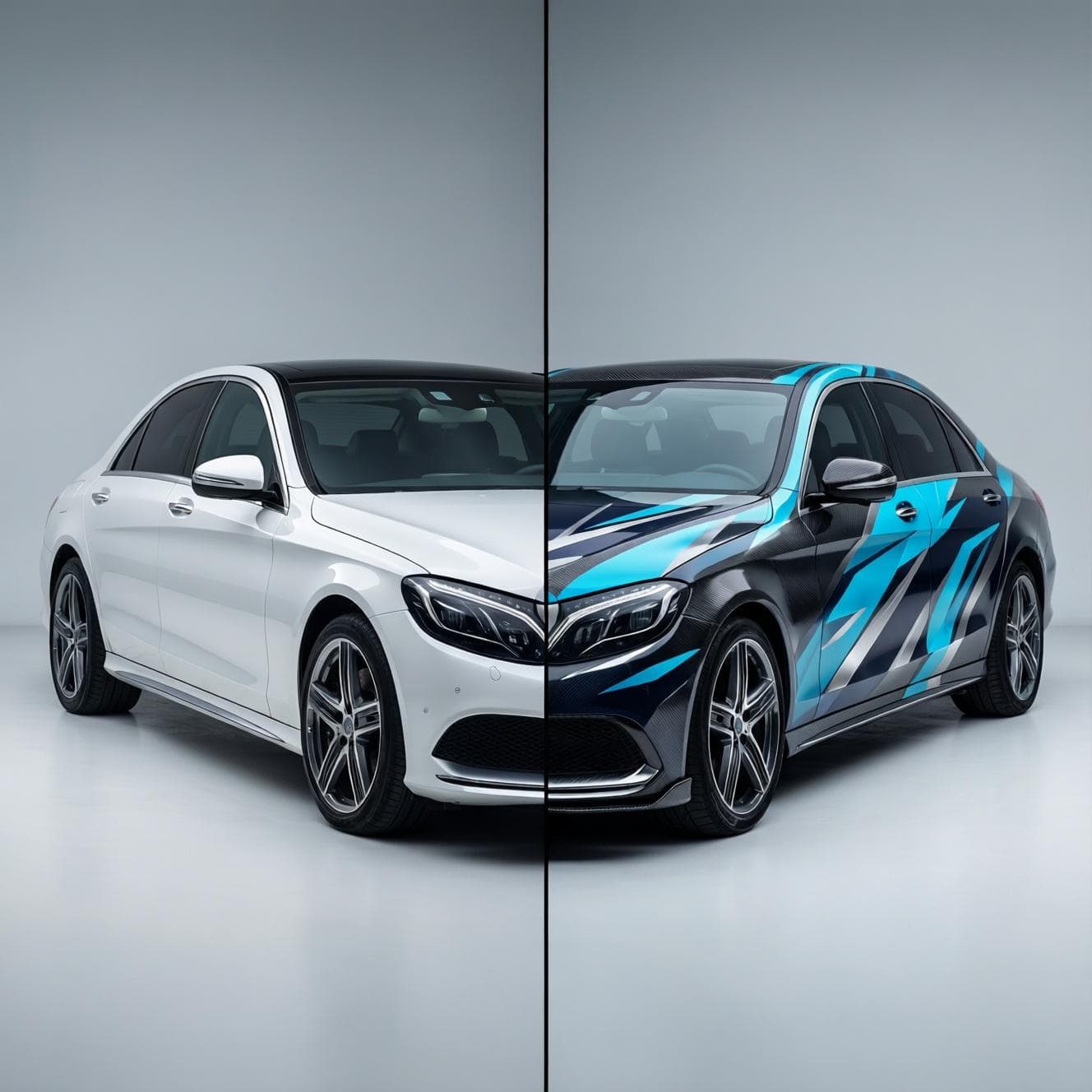
If ruined, peeling panels have forced you to strip your old vinyl, or if you are planning to upgrade your vehicle with a completely new custom color, matte finish, or satin graphic layout, you no longer have to guess how the final result will look based on tiny material swatches.Here is a better way. Using an AI car wrap visualizer at Carwrap.style lets you upload a photo of your specific vehicle to preview high-resolution gloss, matte, satin, or metallic finishes directly on your body lines under realistic lighting conditions. It gives you the power to test dynamic color shifts, evaluate visual layouts, and share clean renders with your wrap installer before spending a single dollar on your next installation.12 Frequently Asked Questions: Why Is My Car Wrap Lifting?

Frequently Asked Questions: Why Is My Car Wrap Bubbling?
Why is my car wrap lifting along the edges and seams?
Car wrap lifting occurs when the adhesive bond breaks, causing the vinyl to peel away from the vehicle's body. The main causes include improper surface cleaning during installation, failure to post-heat stretched edges, high-pressure water washing too close to seams, airborne dirt getting trapped under the edges, or natural adhesive breakdown as the wrap ages.
Is wrap lifting caused by bad installation or bad vinyl?
It is usually an installation issue. Edge lifting almost always stems from the technician overstretching the film, skipping essential surface degreasing, failing to post-heat tension points to 180°F–200°F (82°C–93°C), or failing to wrap the vinyl fully around panel edges. Low-grade film can fail over time, but early edge lifting points directly to poor application technique.
Why is my vinyl wrap lifting inside deep channels and body contours?
When vinyl is stretched over deep body lines, bumpers, or door handles, it retains mechanical memory. If the installer forces the material into recessed channels without properly relieving internal stress and post-heating the area, the vinyl's built-in elasticity will cause it to pull back toward its flat, natural state over time, popping out of the channel.
How does poor surface preparation lead to car wrap lifting?
Vehicle surfaces carry hidden contaminants like road oils, bug tar, paste wax, and ceramic coatings. If an installer skips thorough surface decontamination, these residues create a slick barrier between the paint and the pressure-sensitive adhesive. Without direct contact with the clear coat, the glue fails to set, causing rapid edge lifting within days.
Can heat and hot weather cause my car wrap to peel or lift?
Yes. Severe summer heat (which can push panel temperatures above 160°F or 71°C) softens the adhesive layer while simultaneously expanding the metal and vinyl. If the film was overstretched during installation, high thermal exposure weakens the softened glue further, allowing tension to pull the vinyl away from panel corners and edges.
Can a automatic car wash cause my vinyl wrap edges to lift?
Automated car washes are a leading cause of premature edge lifting. The rotating mechanical brushes can catch on wrapped seams and rip the vinyl away from the paint. Additionally, high-pressure water jets held closer than 12 to 18 inches blast water directly under the edges, instantly breaking the adhesive seal.
Can you fix a car wrap that has started lifting?
Fresh, Clean Edges: If the lifted edge is small, clean, and has not collected dirt, a professional installer can heat the vinyl to soften the glue, re-tuck it, and post-heat it into place.Dirty or Contaminated Edges: If dust, road spray, or wash wax has coated the sticky backing, the adhesive is dead. The lifted section must be trimmed back with a precise knifeless tape line or re-wrapped completely.
Should I try to glue down a lifting wrap edge myself?
No. You should never use household superglues, spray adhesives, or clear tape to patch a lifting wrap. Household glues contain harsh solvents that can permanently etch your vehicle's factory clear coat and chemically melt the vinyl polymer, creating an ugly, permanent mess that makes eventual removal difficult and costly.
How do I stop dirt and moisture from ruining a lifted wrap edge?
If an edge begins to lift, temporarily secure it with low-tack painter's tape to prevent high-speed highway wind from expanding the air pocket. Avoid washing the car or driving in heavy rain, and take the vehicle to a professional wrap shop as soon as possible before road debris permanently coats the underlying adhesive.
Why is my wrap lifting around the door handles, gas cap, and trunk edges?
These areas undergo high mechanical stress and frequent physical contact. Door handles and gas caps feature complex curves that require maximum stretching and precise trimming. If installers fail to thoroughly wrap and seal the vinyl behind the panel edges, daily handling and oil from fingers will cause rapid edge release.
How can I prevent my car wrap from lifting in the future?
Work with Certified Technicians: Choose installers who use proper post-heating procedures and premium cast vinyl.Hand-Wash Only: Clean your vehicle using pH-neutral wrap shampoo and soft microfiber mitts.Keep Your Distance: When using a pressure washer, hold the nozzle at least 12 to 18 inches away from seams at a 90-degree angle.Park Indoors: Utilize garage or shaded parking to protect the film from direct solar baking and heat stress.
Thinking about replacing a lifted or peeling wrap? Preview your new look first.
If edge lifting or adhesive failure has ruined a section of your wrap, you don't have to guess how a fresh shade or finish will look based on small swatches. Use the visualizer at Carwrap.style to upload a photo of your vehicle and test gloss, matte, satin, or metallic finishes directly on your body lines under realistic lighting before scheduling your next installation.
.webp&w=3840&q=75)
.webp&w=3840&q=75)