
.webp&w=3840&q=75)

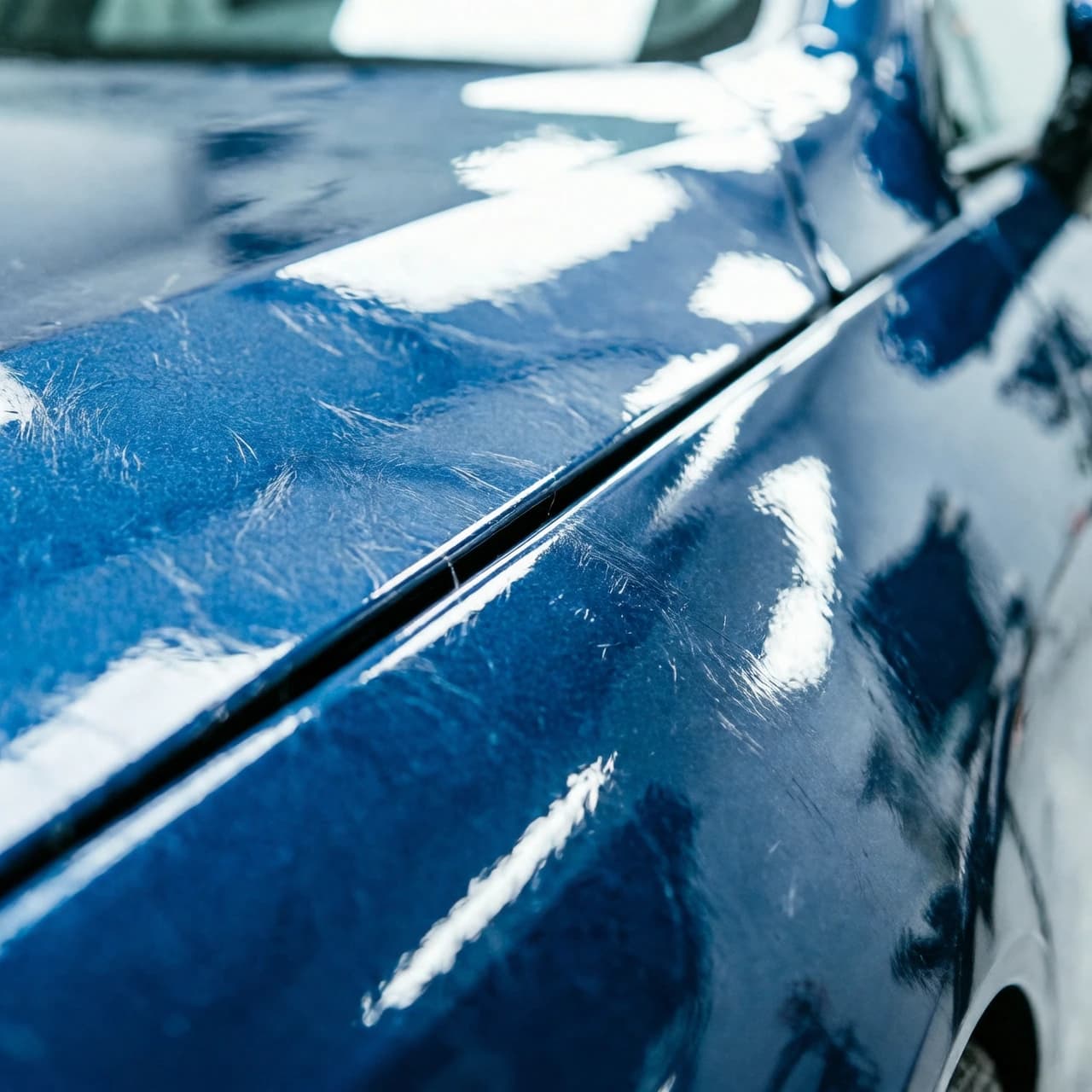
Car wrap bubbling occurs when trapped air, moisture, surface contaminants, or gas pockets break the bond between the pressure-sensitive adhesive and your vehicle's paint. Look closely at the surface. When raised pockets appear on your hood, roof, or side doors, the adhesive layer has lost direct contact with the surface underneath. But here is the real kicker. Whether the wrap was installed yesterday or three years ago, bubbling stems from six distinct root causes:Trapped Air Pockets: Air squeegeed incorrectly during initial application.Surface Contamination: Dust, wax, or grease left behind during surface prep.Outgassing: Solvents evaporating from fresh paint or printed graphics.Extreme Solar Heat: Thermal expansion lifting vinyl over deep recesses.Moisture Ingress: Water trapped from wet installs or high-pressure washing.Adhesive Degradation: Old, dried-out glue reaching the end of its 3- to 5-year lifecycle.

What Causes Bubbles Under a Car Wrap?
Understanding what happens beneath the surface clarifies whether you are facing a quick fix or a full panel failure. Think about it this way.To pinpoint the exact cause, you need to break down wrap bubbling into three main categories:Installation Mechanics: Using incorrect squeegee angles, rushing the lay-down, or stretching material over deep body channels without proper post-heating.Chemical Outgassing: Wrapping over freshly painted bodywork (less than 30 days old) or applying printed wraps before solvent inks have cured. The escaping gas gets trapped beneath the vinyl topcoat, creating expanding bubbles.Environmental and Thermal Stress: Extreme heat cycles cause trapped air or moisture to expand. As air heats up, it pushes upward against softened vinyl, creating noticeable pockets along flat surfaces like the hood and roof.
Are the Bubbles From Air, Water, or Adhesive Failure?
Here is a simple truth. Identifying physical characteristics tells you exactly what is occurring beneath the film:
| Bubble Type | Visual Appearance & Feel | Root Cause |
|---|---|---|
| Air Bubbles | Soft, compressible dome; flattens under light finger pressure. | Air trapped during squeegee strokes or failed air-release channels. |
| Water Bubbles | Clear, fluid-filled, slightly firm dome; shifts position when pressed. | Trapped moisture from wet installs or high-pressure water forced under edges. |
| Outgassing Gas | Small, dense, pimple-like clusters across printed areas or fresh paint. | Solvent vapors evaporating out of uncured ink or recent paint work. |
| Adhesive Failure | Large, irregular raised sheets; feels loose, hollow, or thin. | Heat degradation, wax contamination, or dead glue pulling away from the panel. |
Why Does a Newly Installed Car Wrap Have Bubbles?
Minor micro-bubbles on a brand-new wrap can be completely normal. Why? Because modern vehicle wraps rely on air-release technology—a grid of invisible channels embedded in the adhesive backing.Here is what you should expect. Small, pinhead-sized air or moisture pockets present immediately after pickup will often self-bleed through these microscopic channels within 7 to 14 days of normal sun exposure. But there is an exception you can't ignore. Large, thumb-sized bubbles, expanding fluid pockets, or lifting along panel edges within 48 hours indicate an installation error that requires immediate shop attention.

Can Heat Cause a Vinyl Car Wrap to Bubble?
Excessive heat and direct sunlight act as primary catalysts for vinyl wrap bubbling.When a vehicle bakes in direct sun, panel surface temperatures often exceed 160°F (71°C). This thermal energy triggers a dangerous two-part reaction:Microscopic air pockets, moisture drops, or trapped solvents rapidly expand under heat, building upward pressure against the film.At the same time, high heat temporarily softens the pressure-sensitive adhesive backing.As the glue loosens its grip, expanding air easily lifts the flexible vinyl away from the panel. That is why hoods, roofs, and trunks develop heat bubbles far more frequently than side panels.
Can Dirt or Poor Surface Preparation Cause Wrap Bubbles?
Trapped contaminants cause premature adhesive breakdown. Make no mistake about it.Before vinyl touches paint, the surface requires an intense decontamination process: bug and tar removal, clay bar treatment, and an isopropyl alcohol wipe-down. If surface prep is skipped or rushed, three main issues follow:Residual Waxes & Oils: Slick polymer residues prevent the adhesive from forming a direct bond with the clear coat.Dust & Dirt Particles: Microscopic dirt specs hold the vinyl away from the paint, creating tiny tent-like air pockets around every particle.Ceramic Coating Barrier: Wrapping over an existing hydrophobic ceramic coating prevents the glue from biting into the paint, leading to widespread bubbling.

Why Is My Car Wrap Bubbling and Lifting?
When bubbling occurs alongside edge lifting, you are dealing with an active failure that requires fast attention.Pay attention to the danger here. Isolated bubbles on flat panels remain static. However, when a bubble forms near a panel edge, seam, or door handle and begins to lift, driving forces high-speed air and road water into the open cavity. Dirt particles then coat the exposed sticky backing inside the bubble. Once dust covers the glue layer, that section of adhesive is permanently dead. What starts as a small bubble near a headlight seam can turn into a massive tear after a single highway trip.
Should You Pop a Bubble in a Car Wrap Yourself?
1.Avoid Household Sewing Needles or Blades:
Fingernails, safety pins, or razor blades slice cast vinyl.Using crude tools tears the vinyl layer, leaving a visible hole that attracts dirt and water.
2.Popping Does Not Restore Dead Adhesive:
Pressing down on dry, dead glue flattens nothing.If the bubble was caused by wax contamination or heat degradation, popping the air pocket will not cause dead glue to re-stick.
3.Piercing Invites Moisture Ingress:
Water enters the hole during rain or washes.Creating an unsealed puncture allows wash water to seep beneath the vinyl, accelerating edge lifting and paint damage.
4.Seek Professional Heat & Air-Release Pin Treatment:
Let certified installers handle bubble repairs.Installers use dedicated heat guns and surgical-grade air-release tools to vent air without leaving visible marks.
When Should You Contact the Wrap Installer?
Bring your vehicle back to the wrap shop immediately if you experience any of the following warning signs:Bubbles larger than a nickel present 14 days post-installation.Any bubble that is actively growing or migrating toward a panel seam.Bubbles located along tucked edges, door handles, or deep channel cutouts.Clear water or moisture visibly trapped beneath the film surface.Fine bubble clusters appearing on freshly painted panels.

How to Prevent Car Wrap Bubbling in the Future
Preventing vinyl wrap bubbles comes down to proper installation standards and ongoing maintenance:Work with Certified Installers: Choose shops using top-tier cast vinyl with proven air-release channel technology.Allow Paint Curing Time: Wait at least 30 days after fresh bodywork or repaint before applying vinyl to allow paint solvents to outgas completely.Strip Waxes & Coatings: Fully strip paint with solvent degreasers and alcohol wipes prior to wrap application.Maintain Safe Wash Habits: Hand wash using the two-bucket method. Keep high-pressure wash wands at least 12 to 18 inches away from wrap surfaces.Park in Covered Areas: Use a garage or covered parking to shield vinyl from continuous UV baking and thermal stress.Apply Protective Coatings: Apply a vinyl-safe ceramic coating to create a hydrophobic, heat-diffusing shield across the film surface.
Thinking About a New Wrap? See the Design Before Installation
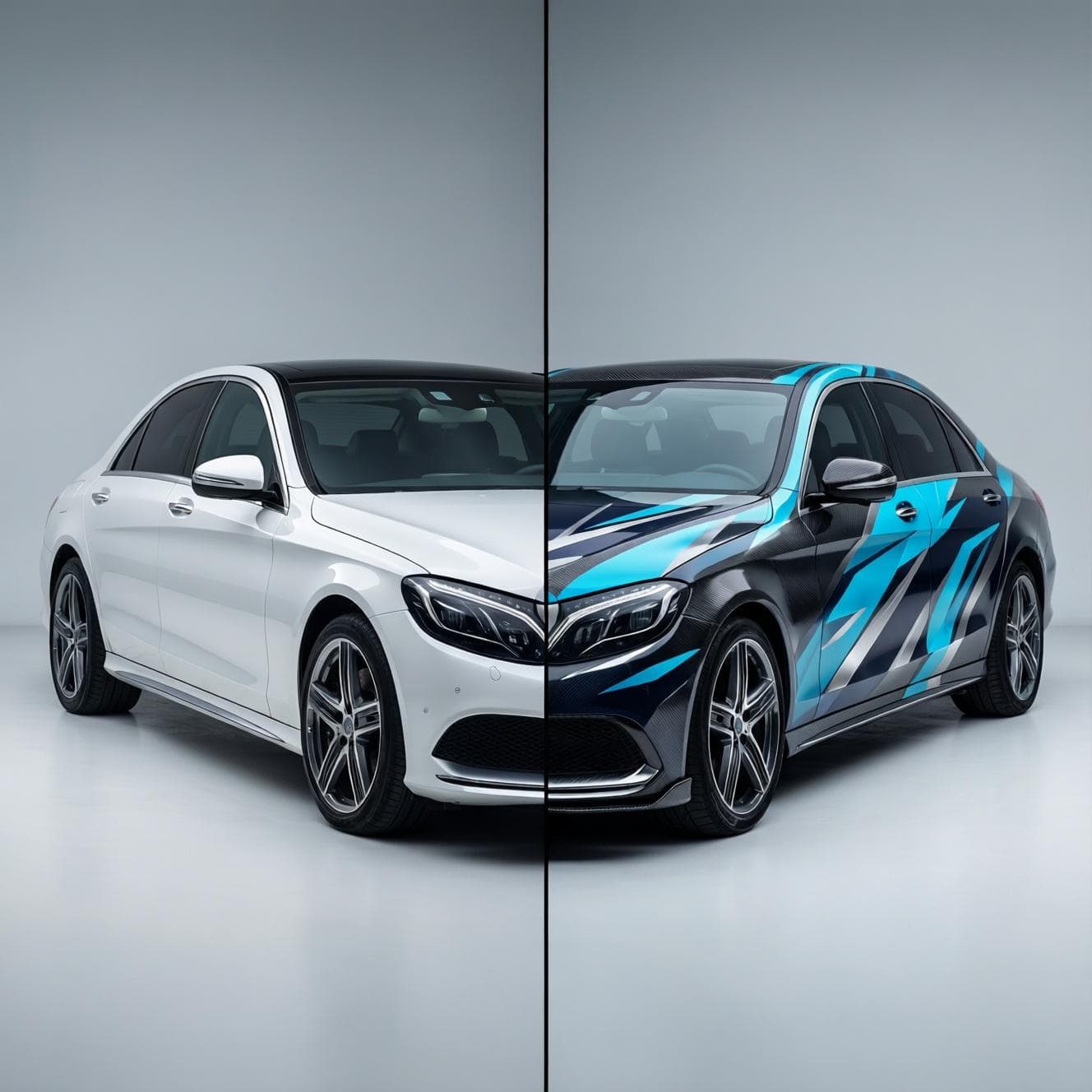
Dealing with ruined, bubbling panels or planning to replace your current film with a fresh color or finish?Here is a much better way to approach it. You do not have to guess how a new shade or texture will look based on small material swatches.Using an AI car wrap visualizer at Carwrap.style lets you upload a photo of your vehicle to preview gloss, matte, satin, or metallic finishes directly on your body lines under realistic lighting conditions. It is an effective way to test color shifts, compare finish durability, and share clear visual renders with your wrap installer before committing to your next installation.

Preview Your Next Wrap Design Before Spending a Dollar
Stop guessing how colors will look. Use the Carwrap.style visualizer to test gloss, satin, and matte finishes directly on your exact vehicle model.
Frequently Asked Questions: Why Is My Car Wrap Bubbling?
Why is my car wrap bubbling out of nowhere?
Bubbles form when air, moisture, surface oil, or solvent gases break the adhesive seal between the vinyl and your paint. Common culprits include improper squeegee pressure during installation, surface wax contamination, extreme heat expanding trapped air, trapped wash water, or natural adhesive breakdown on wraps older than 3 to 5 years.
Are the bubbles on my wrap caused by air, water, or paint outgassing?
You can identify the cause by gently pressing the raised area:Air Bubbles: Soft, compressible domes that flatten easily under light finger pressure.Water Bubbles: Firm, fluid-filled pockets that shift or move when pressed.Outgassing Clusters: Dense, tiny pimple-like bumps across printed graphics or fresh paint work.Adhesive Failure: Large, hollow sheets where heat or contamination destroyed the glue backing.
Is it normal to have small bubbles on a newly installed car wrap?
Yes, tiny pinhead-sized micro-bubbles right after picking up your car can be completely normal. High-grade cast wraps feature microscopic air-release channels in the adhesive that allow small air and moisture pockets to vent naturally over 7 to 14 days under normal sunlight. However, large thumb-sized pockets or lifting along edges require immediate shop inspection.
Can solar heat and direct sunlight trigger car wrap bubbling?
Direct sunlight pushes panel temperatures past 160°F (71°C), causing a dual reaction: solar heat softens the pressure-sensitive adhesive layer while simultaneously expanding any microscopic moisture or air trapped underneath. This thermal pressure pushes the flexible vinyl upward, creating noticeable vinyl wrap bubbling from sun exposure.
How does improper surface preparation lead to vinyl wrap bubbles?
Rushing the surface decontamination phase leaves behind road oil, bugs, paste wax, or ceramic coatings that create a slick barrier, preventing the adhesive from biting into the clear coat. Additionally, tiny dust particles hold the film off the paint, creating permanent tent-like air pockets around every spec of dirt.
Why is my wrap bubbling and lifting near the edges or door handles?
When bubbles form near panel seams or tight body lines, high-speed wind and road spray force open the cavity. Once air enters, airborne dust coats the sticky adhesive inside the bubble, permanently killing the glue. What starts as an isolated bubble near an edge quickly turns into widespread edge lifting.
Can you fix bubbles in a car wrap, or does the panel need replacement?
Small Air Pockets: Often self-bleed in warm sunlight through air-release backing.Medium Air Bubbles: A professional can vent the air using a specialized micro-piercing tool and post-heat the area to re-seal the adhesive.Water Pockets: Require controlled squeegee extraction to prevent moisture from oxidizing your paint.Dead Glue or Contaminated Bubbles: Cannot be repaired—the affected panel section must be trimmed or re-wrapped.
Should I use a needle or razor blade to pop wrap bubbles myself?
No. Household sewing needles and razor blades slice the vinyl polymer, creating jagged tears that trap dirt and let wash water seep under the wrap. Furthermore, if the bubble stems from wax contamination or dead glue, poking a hole will not make the dead adhesive stick back down.
How long should I wait after fresh paint before applying a vinyl wrap?
You should wait at least 30 days before wrapping fresh automotive paint. Fresh clear coat continuously outgasses solvent vapors as it cures. If sealed prematurely under vinyl, those escaping gas vapors collect underneath, forming dense clusters of pimple-like outgassing bubbles across the entire panel.
When should I bring my vehicle back to the wrap shop for bubble repairs?
Take your vehicle back immediately if you spot bubbles larger than a nickel that persist past 14 days, bubbles actively spreading toward panel seams, fluid sloshing under the film, or any lifting around door handles and tight contours.
What maintenance steps prevent car wrap bubbling over time?
Hand wash your vehicle bi-weekly using pH-neutral wrap shampoo, keep high-pressure spray nozzles 12 to 18 inches away from seams, park in shaded or garage spaces to reduce heat stress, and apply a vinyl-safe ceramic coating to shield the film from intense UV radiation.
Thinking about replacing a ruined, bubbled wrap? Preview your new look first.
If adhesive failure or widespread bubbling forced you to strip your old wrap, you don't have to guess how a fresh shade will turn out based on tiny swatches. Use the visualizer at Carwrap.style to upload your vehicle's photo and test gloss, matte, satin, or metallic finishes directly on your body lines under realistic lighting before booking your next installation.
.webp&w=3840&q=75)