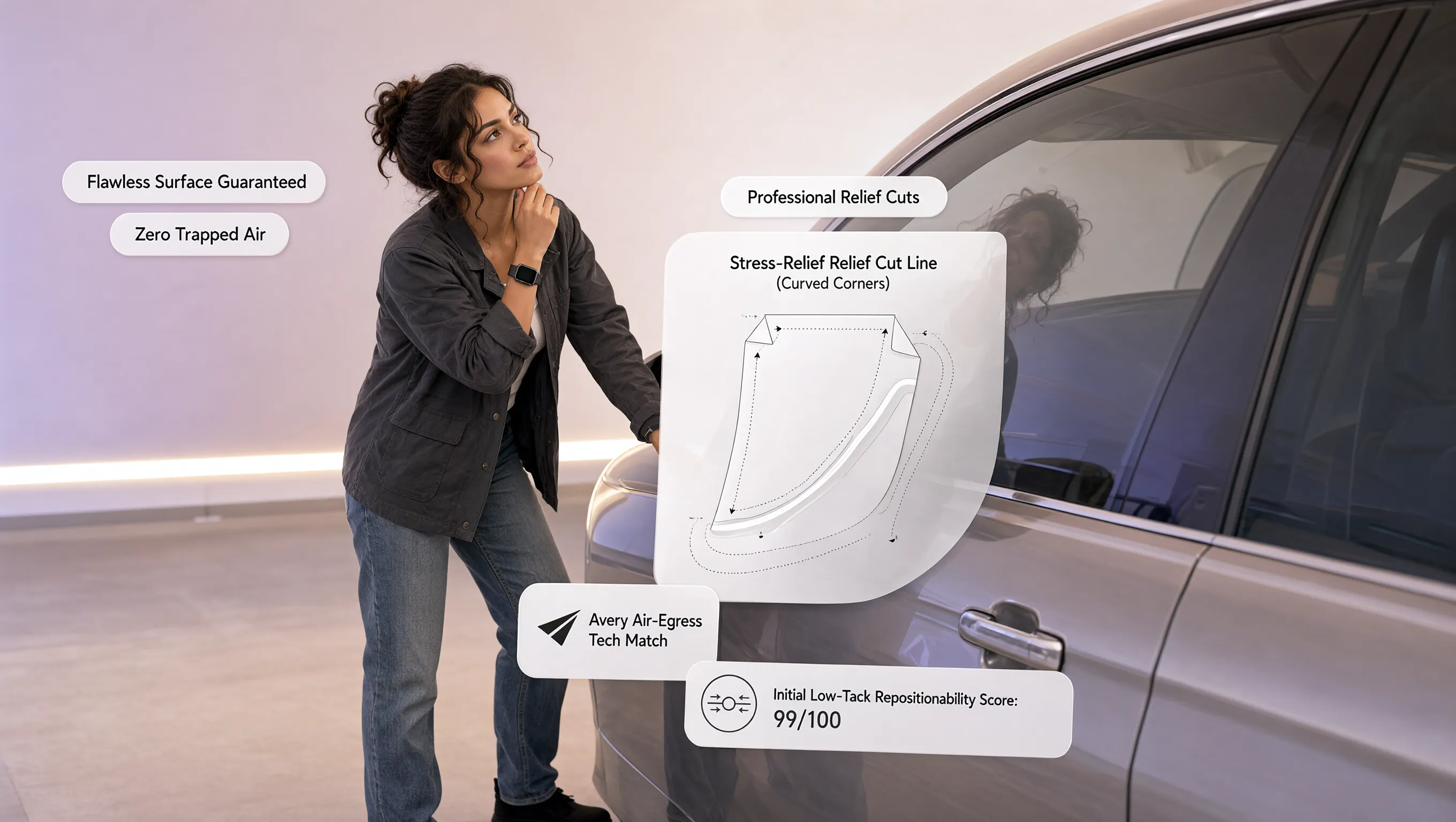

Applying traditional automotive paste wax—especially products containing petroleum distillates, heavy abrasive polishes, or carnauba—to a vinyl wrap can cause permanent discoloration, white residue along seam edges, and irreversible damage to non-gloss textures.

Why Regular Car Wax Can Be a Problem for Vinyl Wraps
Standard car waxes are formulated to bond with hard, non-porous factory clear coats, not flexible cast vinyl polymers.
[Traditional Paste Wax] ---> Traps Petroleum Distillates ---> Softens & Stains Vinyl Film [Abrasive Compound] ---> Creates Friction Heat ---> Scratches & Dulls Wrap Finish
Petroleum Distillates: Many conventional paste waxes contain solvents that break down the vinyl’s protective topcoat, causing early fading or embrittlement.White Residue Buildup: Dried paste wax lodges into the microscopic seams, edges, and relief cuts of your wrap, leaving unsightly chalky white lines that are nearly impossible to remove.
What Kind of Wax Is Safe for a Vinyl Wrap?
When selecting a protective coating for your wrapped vehicle, stick to products specifically engineered for film maintenance.Synthetic Spray Waxes & Sealants: Formulated without petroleum solvents or heavy carnauba, liquid synthetic formulas spray on and wipe off cleanly without leaving edge residue.Dedicated Vinyl Detailers: Specialized wrap sprays protect against UV breakdown while building a slick, hydrophobic barrier that repels water spots and road grime.
Can You Wax Gloss Vinyl Wraps?
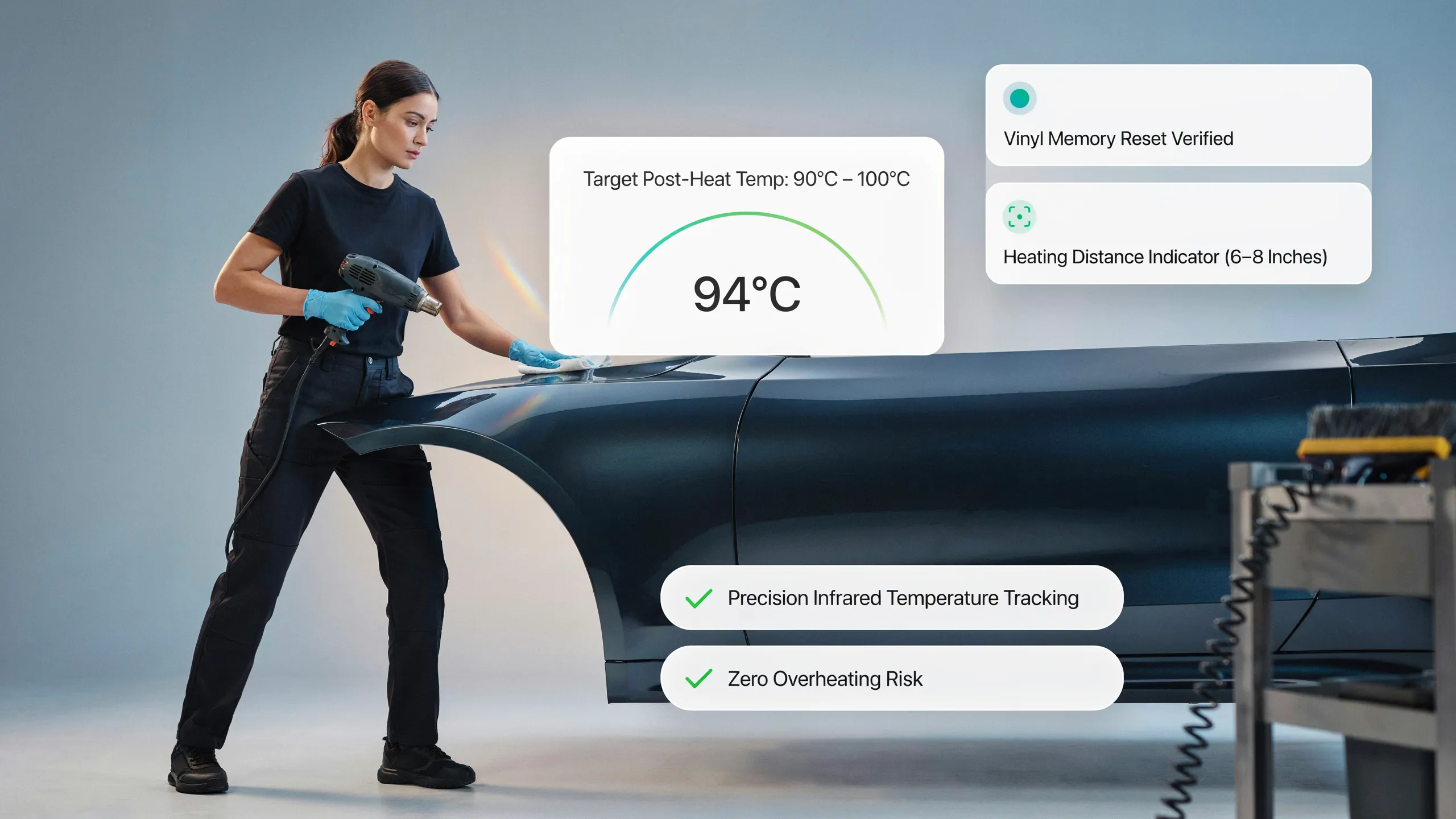
Yes. Compatible synthetic spray waxes enhance the deep, reflective sheen of gloss vinyl wraps while adding crucial UV protection.Always choose a wax marked as safe for polyurethane or vinyl materials. Lightly mist the panel, buff gently with a plush microfiber towel, and avoid excessive friction heating that could stretch or warp the film.

Can You Wax Matte or Satin Vinyl Wraps?
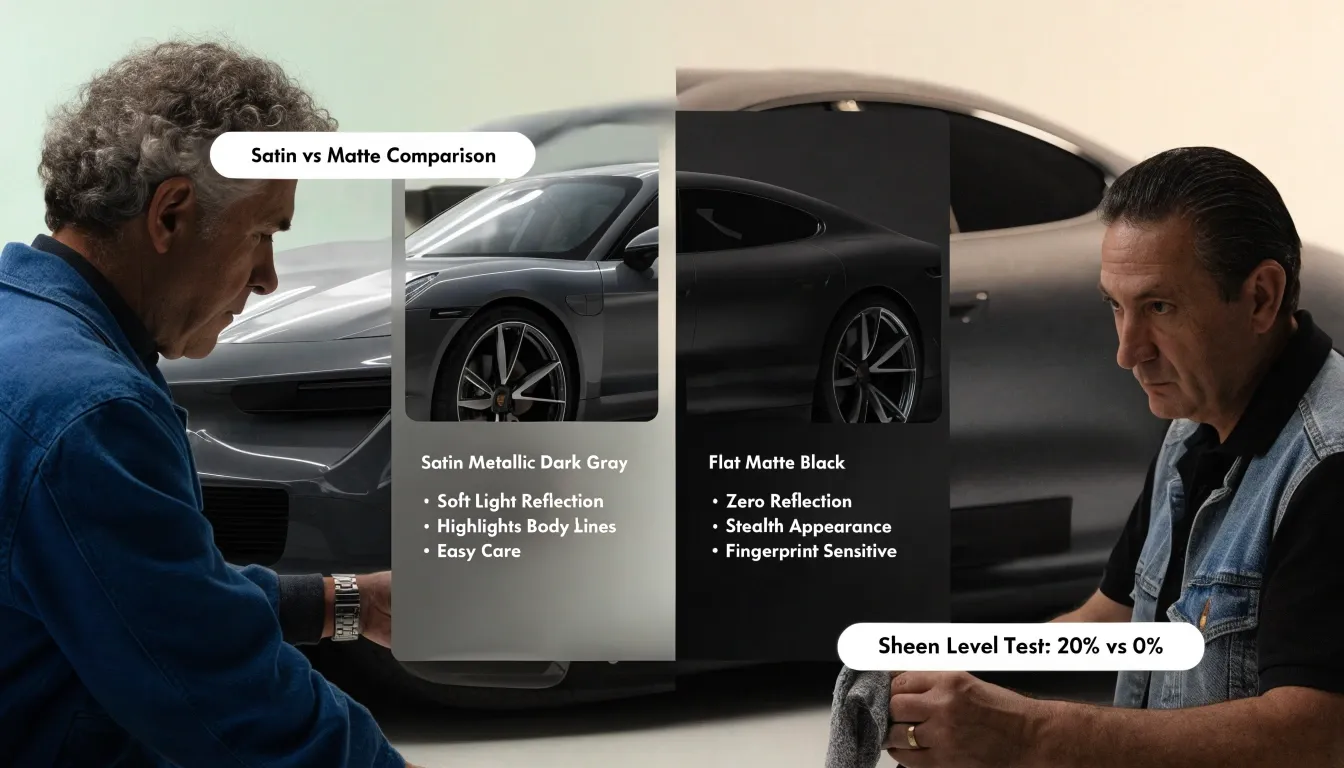
No. Never apply traditional wax or gloss-enhancing spray to a matte or satin vinyl wrap.
[Standard Wax on Matte Film] ---> Fills Flat Micro-Texture ---> Creates Uneven Shiny Spots [Matte-Safe Detailer] ---> Cleans Without Additives ---> Preserves Flat Sheen
Waxes work by filling in microscopic surface valleys to create a smooth, light-reflecting shine. On a matte or satin wrap, this ruins the uniform non-reflective finish, leaving blotchy, permanently glossy streaks across your panels. Use only dedicated matte-finish detailers on non-gloss wraps.
Wax vs. Ceramic Coating for a Vinyl Wrap
| Protection Factor | Synthetic Wrap Wax / Spray | Ceramic Coating for Wraps |
|---|---|---|
| Durability | 1 to 3 months per application | 12 to 24 months |
| UV & Stain Protection | Moderate | Superior |
| Finish Compatibility | Gloss wraps only (if wrap-safe) | Specific formulas for Gloss, Satin, or Matte |
| Application Method | Easy DIY spray-and-wipe | Professional or careful DIY prep |
How to Wax a Vinyl Wrapped Car Without Damaging It
Follow this straightforward procedure to safely apply a wrap-compatible protective layer:
1 Clean and Dry the Vehicle
Never apply wax over surface road gritPerform a complete two-bucket hand wash using a pH-neutral car soap. Ensure every panel is completely dry and cool to the touch.
2 Perform a Spot Test
Work in an inconspicuous area like a lower rocker panelSpray a tiny amount of your wrap-safe product onto a small, hidden section of the wrap. Wipe clean and inspect under direct light to verify it doesn't leave discoloration or haze.
3 Apply the Wrap-Safe Product
Use light pressure and straight wiping linesLightly mist the liquid spray directly onto a clean microfiber towel or the panel. Gently wipe the product across one panel at a time, keeping away from open film seams.
4 Buff Out Residue
Inspect seams and edges thoroughlyFlip your microfiber towel to a dry, plush side and buff lightly to reveal a streak-free finish. Wipe away any excess spray near door jambs or panel boundaries.
How Often Should You Wax a Vinyl Wrapped Car?
Reapply a synthetic wrap-safe sealant or spray wax every 2 to 3 months, depending on environmental exposure and parking conditions.Over-applying products offers no added benefit and can lead to minor product buildup. Follow your film manufacturer's guidelines for care intervals.
What Should You Use Instead of Wax on a Vinyl Wrap?
If you want hassle-free protection without worrying about wax residue or finish incompatibility, consider these safe alternatives:Wrap-Specific Spray Sealants: Spray-on synthetic sealants bond to vinyl rapidly, delivering UV protection and water-beading performance.Ceramic Spray Coatings: User-friendly ceramic sprays provide high-grade hydrophobic protection for both gloss and satin/matte finishes.Waterless Wrap Cleaners: Ideal for quick touch-ups between washes to remove light dust, finger smudges, and fresh water spots safely.
Common Waxing Mistakes That Can Ruin the Look of a Wrap
Avoid these frequent errors to protect your vinyl investment:Using Abrasive Polishers: Applying rubbing compounds or high-speed rotary buffers melts vinyl film and burns straight through topcoats.Waxing Direct in Sun: Applying products on hot panels bakes chemical residue onto the film, leaving stubborn streaks.Waxing Matte/Satin Finishes: Accidental application of gloss-enhancing products creates irreversible glossy patches on flat finishes.Neglecting Edge Seams: Letting paste wax dry along vinyl seams leaves white chalk lines that ruin the seamless install look.
How to Keep Your Vinyl Wrap Looking New for Longer
Extending your wrap's lifespan comes down to establishing smart routine maintenance habits:Park Away From Direct Sun: Store your vehicle in a garage or covered shade to protect vinyl polymers from aggressive UV degradation.Clean Contaminants Instantly: Spot-clean bird droppings, insect splatter, and tree sap within 24 hours to prevent acid etching.Stick to Hand Washing: Avoid high-pressure automated brush car washes that scratch vinyl and lift panel edges.
Want to See How a Different Finish Will Look on Your Car?
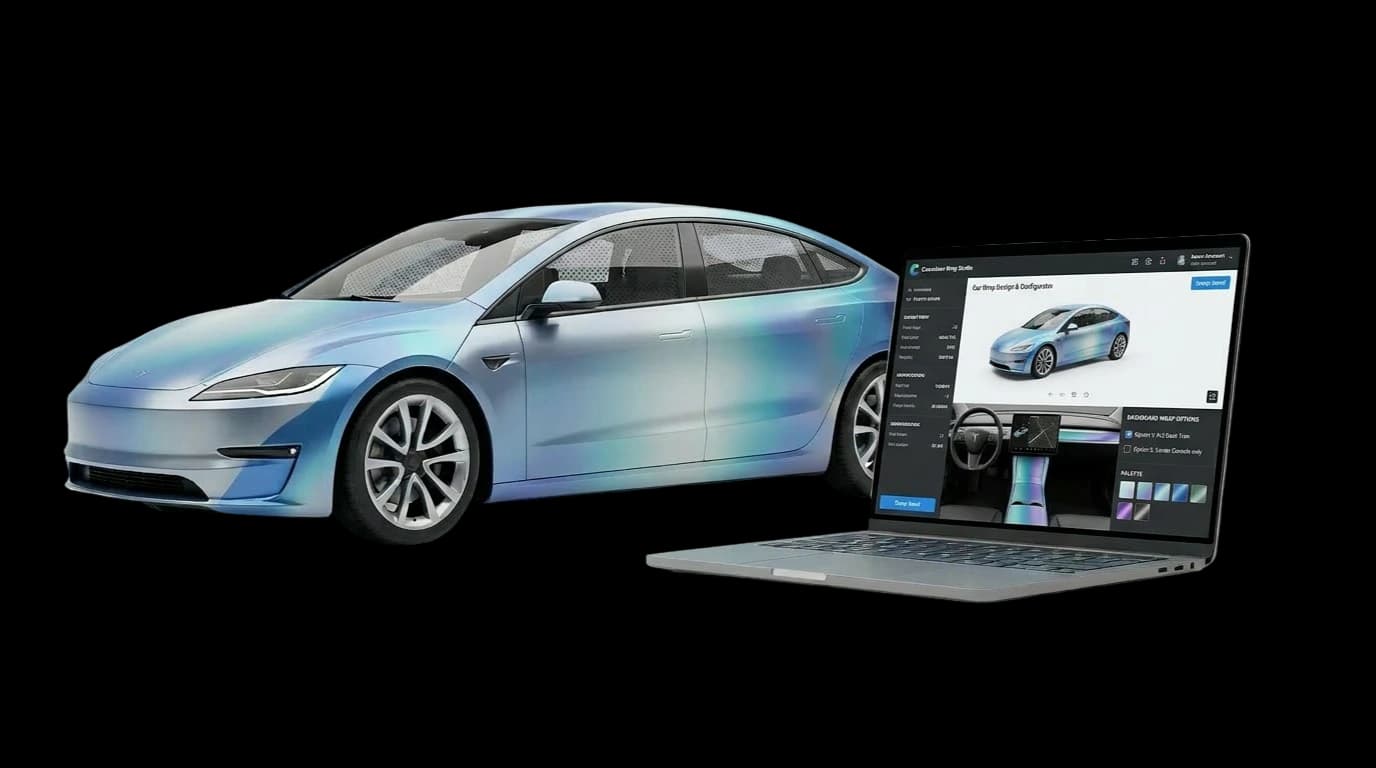
Thinking about replacing your current wrap, upgrading to a custom color shift, or switching from a high-gloss to a sleek satin look?You don't need to guess how a new shade will look based on tiny physical swatches.Using an AI car wrap visualizer at Carwrap.style lets you upload your vehicle's make and model to preview high-resolution gloss, matte, satin, or metallic finishes directly on your body lines under natural lighting conditions. It's the ultimate way to test color options, refine your build vision, and share clean visual renders with your professional wrap installer before committing to new film.

Preview Your Next Wrap Design Before Spending a Dollar
Stop guessing how colors will look. Use the Carwrap.style visualizer to test gloss, satin, and matte finishes directly on your exact vehicle model.
FAQ Can You Wax a Vinyl Wrapped Car?
Is it safe to wax a vinyl-wrapped car?
Yes, but only if you use a synthetic, film-safe spray wax or liquid sealant designed for vinyl, and only on gloss wraps. Conventional car waxes engineered for hard clear coats contain solvents and abrasives that degrade flexible vinyl polymers.
What happens if you put regular car wax on a vinyl wrap?
Traditional paste wax leaves a stubborn white, chalky residue in seams, edges, and relief cuts that is nearly impossible to clean out. Additionally, petroleum distillates in ordinary wax can soften vinyl adhesives, leading to early fading or bubbling.
Can you wax a matte or satin vinyl wrap?
No, never. Standard waxes and gloss-enhancing sprays fill in the microscopic texture of matte and satin films, leaving blotchy, uneven, permanently glossy streaks. Non-gloss finishes require dedicated matte-finish detailers that clean without adding shine.
What type of wax is best for gloss vinyl wraps?
The safest choice is a synthetic spray wax or spray sealant that is explicitly labeled as wrap-safe or petroleum-free. Liquid spray formulas wipe on and off cleanly without leaving edge residue.
Can you use a buffer or polishing machine on a wrapped car?
No. Machine buffers and rotary polishers generate high friction heat that can melt, burn, or distort vinyl film. Always apply wrap care products gently by hand using soft, clean microfiber towels.
How do you safely apply wax to a wrapped car?
Clean first: Perform a complete hand wash to remove all grit.Test spot: Apply a small amount to a hidden lower rocker panel.Light application: Spray a light mist onto a clean microfiber towel (not directly onto seams).Buff gently: Wipe on in straight lines and buff out immediately with a fresh microfiber side.
How often should you wax or seal a vinyl wrap?
Apply a synthetic wrap-safe sealant or spray wax every 2 to 3 months. Over-applying products offers no added protection and can lead to unnecessary product buildup along panel seams.
Is ceramic coating better than waxing a vinyl wrap?
Yes. Ceramic coatings formulated for vinyl last 12 to 24 months, provide significantly higher UV and chemical resistance, leave zero white residue, and are available in specialized formulas safe for matte, satin, and gloss finishes.
What should you do if wax gets trapped in wrap edges or seams?
Do not pick at the edge with your fingernails or hard tools, as this causes edge lifting. Gently loosen the dried wax using a soft isopropyl alcohol (IPA) wipe or a dedicated wrap-safe prep cleaner and a ultra-soft detailing brush.
What alternatives can you use instead of wax?
Wrap-Safe Detail Sprays: Quick touch-up sprays that remove light dust and water spots while adding UV protection.Synthetic Spray Sealants: Easy spray-and-wipe protection that lasts up to 6 months.Vinyl-Safe Ceramic Coatings: Semi-permanent hydrophobic shielding for long-term maintenance ease.
Does waxing extend the lifespan of a vinyl wrap?
Yes, applying a film-safe UV sealant prevents the sun’s rays from drying out vinyl plasticizers, reducing the risk of premature cracking, fading, and yellowing over time.
How can you preview how different finishes look before wrapping your car?
Before choosing between a high-gloss, satin, or matte finish for your next project, you don't need to guess based on small material swatches.Using an AI car wrap visualizer at Carwrap.style lets you upload your vehicle's make and model to preview high-resolution gloss, matte, satin, or metallic finishes under realistic lighting—helping you pick the exact look before paying for installation.