
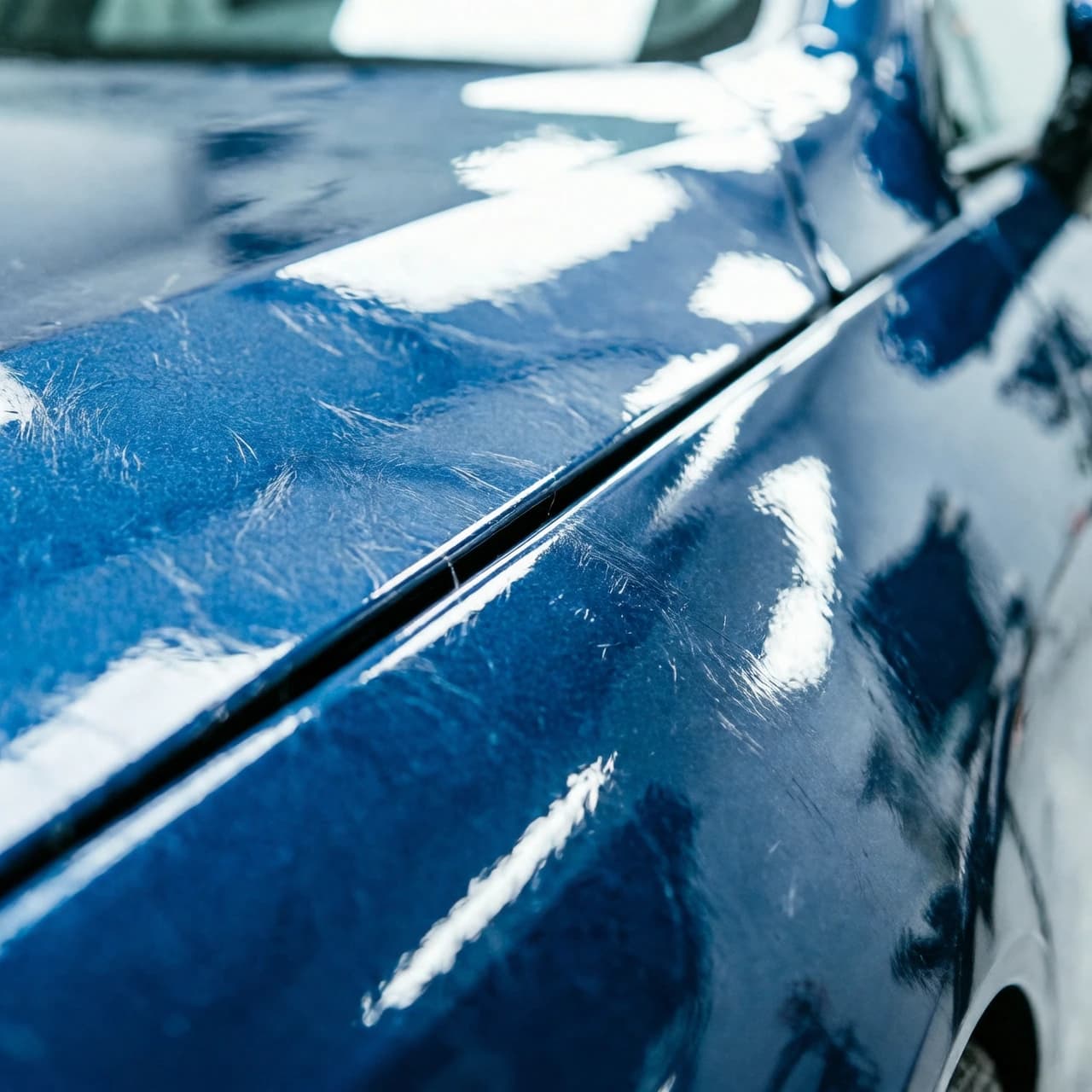

Your car wrap is cracking because the plasticizers keeping the vinyl soft and pliable have dried out, causing the film to lose its elasticity and snap under stress. Look closely at the damaged panel. When a smooth finish begins to resemble dried riverbed mud or fine webbed fractures, it sends an unmistakable signal: the structural integrity of the vinyl has completely failed. But here is the real kicker. Whether tiny stress lines are forming along your bumper edges or major cracks are spiderwebbing across your hood, why is my car wrap cracking comes down to six distinct root causes:Severe UV Breakdown: Prolonged sun exposure baking out protective oils and flex agents.Extreme Thermal Cycling: Repeated expansion and contraction under hot sun and freezing cold.Overstretched Installation: Forcing vinyl into deep body contours beyond its structural limits.Material Exhaustion: Exceeding the film's 3- to 5-year outdoor lifespan.Harsh Chemical Exposure: Solvents or non-compatible cleaners stripping the topcoat layer.Low-Grade Material: Installing cheap calendered film lacking long-term UV inhibitors.Here is the exact breakdown of why car wrap cracking happens, how to identify the damage early, and when it is time to strip the panel before your factory paint suffers.

What Does Cracking on a Car Wrap Look Like?
Here is a simple truth. You can diagnose whether your wrap is suffering from structural cracking or minor cosmetic wear simply by inspecting the depth and texture of the mark.Pay attention to the physical characteristics:
| Damage Type | Visual Appearance & Feel | Root Cause |
|---|---|---|
| Cracked Car Wrap | Spiderweb network of sharp micro-fractures; feels rough, brittle, and catches a fingernail. | Dry plasticizers, extreme UV degradation, or severe material aging. |
| Vinyl Wrap Cracks | Deep, linear splits along deep body channels or sharp panel turns. | Overstretched vinyl wrap during installation without proper post-heating. |
| Surface Scratches | Single, straight lines; vinyl remains smooth and flexible around the scratch. | Physical contact from tree branches, keys, or debris. |
| Peeling & Lifting | Film remains flexible but releases its grip, curling away from panel edges. | Adhesive failure or improper edge preparation rather than material breakdown. |
Does an Old Car Wrap Crack With Age?
Every exterior vinyl film operates on a strict functional clock. Think about it this way.As a wrap ages, ambient heat and solar radiation continuously evaporate the synthetic plasticizers embedded within the PVC polymer matrix. Over time, old vinyl wrap cracking becomes inevitable as the material turns stiff, hard, and completely inflexible. Once vinyl reaches the end of its natural lifespan, even subtle panel vibrations or mild temperature shifts will cause the brittle film to shatter into hundreds of tiny pieces, making why is my vinyl wrap cracking a guaranteed symptom of an expired wrap.
Can Sun and UV Exposure Cause a Car Wrap to Crack?
Sunlight is the single fastest accelerator of permanent vinyl damage.When your vehicle bakes outdoors daily, high-energy ultraviolet rays systematically break down the clear protective topcoat. This continuous solar bombardment causes severe UV damage car wrap conditions by drying out the underlying pigments and adhesives. As the sun strips away moisture and flex compounds, horizontal surfaces like the hood and roof suffer from intense sun damaged vinyl wrap issues long before vertical side doors show visible signs of failure.

Can Extreme Heat or Cold Make Vinyl Wrap Crack?
Drastic temperature shifts act as a severe mechanical test for vehicle wraps, but weather alone rarely ruins a healthy, high-grade installation. Instead, thermal shocks expose existing weaknesses.Consider what happens during seasonal weather changes:Thermal Expansion (Heat): Direct summer sun pushes panel temperatures above 160°F (71°C), causing vinyl wrap cracking from heat as expanded film pulls against rigid tucked edges.Thermal Contraction (Cold): Freezing winter air causes the film to shrink tightly across body panels.Brittle Snap: If the wrap is already aged or overstretched, vinyl wrap cracking cold occurs because frozen, inflexible vinyl cannot handle the stress of thermal contraction.
Can Poor Installation Cause Vinyl Wrap Cracking?
Improper installation techniques can ruin premium film years before its expected lifespan. Make no mistake about it.A high-quality application requires precise heating, squeegee control, and tension management. When technicians rush the job, poor vinyl wrap installation leads to early failure:Overstretching Film: Pulling vinyl beyond its 15-20% maximum elongation limit thins out the material and weakens the chemical structure.Skipping Post-Heating: Failing to post-heat stretched zones to 180°F–200°F (82°C–93°C) leaves massive recoil tension inside the film.Improper Squeegee Technique: Creating micro-tears in the topcoat layer during installation that later split open into wide cracks under thermal stress.

Why Is My Wrap Cracking Around Edges and Curves?
Diagnosing cracks around sharp bumper corners and door recesses comes down to mechanical stress.Pay attention to where the damage starts. When you spot vinyl wrap cracking edges or wrap cracking around curves, you are looking at areas of maximum tension. Installers often force vinyl deep into tight channels to cover complex body lines. If the film is stretched thin over sharp radiuses without relieving internal tension, those high-stress zones are the very first places to split open when the material cools or dries out over time.
Can Cleaning Products or Chemicals Crack a Car Wrap?
Harsh cleaning chemicals strip protective topcoats far faster than natural weathering ever could. Why? Because vinyl relies on delicate surface sealants that dissolve when exposed to aggressive solvents.Here is how chemical damage ruins your wrap:Industrial Solvent Wash: Using petroleum distillates, bug removers, or harsh wheel cleaners causes chemical etching, turning the topcoat dry and brittle.Unsuitable Car Wash Soaps: Washing with high-pH alkaline degreasers strips protective oils, leading to rapid car wrap cleaner damage.Petroleum Wax Residue: Applying traditional paste waxes containing heavy solvents creates severe vinyl wrap chemical damage, drying out matte and satin finishes into cracked, hazy surfaces.
Can Cracked Vinyl Wrap Be Repaired?
Whether you can repair a cracked finish comes down to a simple assessment of the damage spread.Let me break down your options:Localized Single-Panel Crack: If an overstretched bumper corner cracks while the rest of the vehicle remains soft and flexible, a professional detailer can perform a spot repair or re-wrap that single section.Widespread Brittle Cracking: If you are asking can cracked vinyl wrap be repaired across an entire hood or roof that feels hard and chalky, repair is physically impossible.The Reality of Failure: You cannot patch, heat-seal, or polish dried-out PVC back to life. Attempting to repair cracked car wrap panels with localized fixes will only leave ugly seams across failing material.
Should You Replace a Cracked Car Wrap?
1.Damage Is Widespread and Structural:
Cracks cover major sections of horizontal panels like the hood or roof.When cracking covers broad areas, the film has lost all flexibility and no longer offers protection to your factory clear coat.
2.Adhesive and PVC Have Baked Together:
The vinyl feels brittle and flakes off in tiny pieces when touched.Delaying cracked wrap replacement allows UV rays to bake the dry adhesive directly into your paint, turning removal into a nightmare.
3.Water and Grime Are Seeping Underneath:
Spiderweb fractures begin spreading toward panel edges.Open cracks allow rainwater, wash soap, and road grime to collect beneath the film, risking paint oxidation and corrosion.
4.It Is Time to Replace Cracked Vinyl Wrap:
The cost of piecemeal panel fixes exceeds a fresh install.Replacing isolated sections on an aging wrap creates noticeable color mismatches against weathered panels. Starting fresh is the smartest financial choice.
How to Prevent Your Car Wrap From Cracking
Protecting your next wrap from brittle cracking requires consistent care and smart sun protection habits:Park Indoors: Utilize a garage, carport, or shaded spot to protect your film from direct UV radiation and extreme heat cycles.Practice Safe Vinyl Wrap Maintenance: Hand wash your vehicle bi-weekly using plush microfiber mitts and pure, pH-neutral wrap shampoos.Avoid High-Pressure Spraying: Keep pressure wash nozzles at least 12 to 18 inches away from seams and corners to prevent micro-tears.Apply Vinyl Ceramic Coatings: Seal the finish with a specialized ceramic barrier to block UV rays, diffuse heat, and lock in plasticizers.Address Early Damage: Fix minor edge lifts immediately to prevent car wrap cracking from spreading across high-tension panel areas.
Thinking About a New Wrap? See the Design on Your Car First
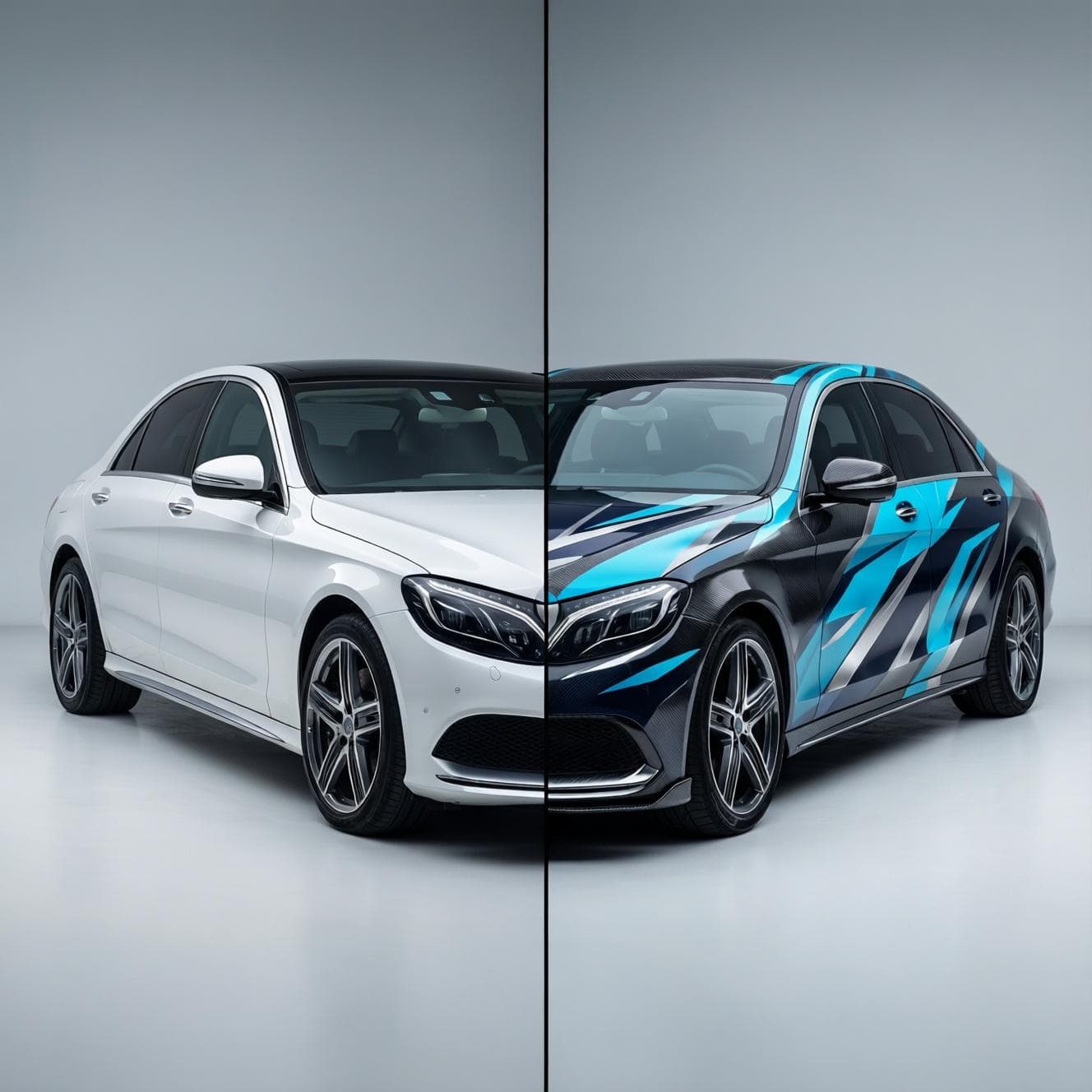
If severe cracking has forced you to strip your old vinyl, or if you are planning to upgrade your vehicle with a fresh custom shade, matte texture, or metallic graphic layout, you no longer have to guess how the final result will look based on tiny material swatches.Here is a much better way to approach it. Using an AI car wrap visualizer at Carwrap.style lets you upload a photo of your specific vehicle to preview high-resolution gloss, matte, satin, or metallic finishes directly on your body lines under realistic lighting conditions. It gives you the power to test dynamic color shifts, evaluate visual layouts, and share clean renders with your wrap installer before spending a single dollar on your next installation.

Frequently Asked Questions: Why Is My Car Wrap Cracking?
Why is my car wrap cracking into tiny, spiderweb-like fractures?
Car wrap cracking happens when internal plasticizers—the essential synthetic flex agents that keep PVC soft and pliable—evaporate due to prolonged UV exposure, heat cycles, and material aging. Without these flex agents, the vinyl loses its elasticity, hardens, and shatters under normal thermal expansion and panel vibration.
Is a cracked car wrap repairable, or does it require full panel replacement?
Once vinyl dries out and cracks, it cannot be patched, polished, or heat-sealed back together. While an isolated crack on a bumper corner caused by overstretching can sometimes be fixed with a minor spot repair, widespread spiderwebbing across an entire hood, roof, or trunk requires complete removal and panel replacement.
Why is my car wrap cracking on the hood and roof first?
Horizontal panels absorb up to 90% more direct solar energy than vertical side doors. The combination of intense ultraviolet radiation baking the clear topcoat, engine bay heat heating the hood from underneath, and standing rainwater drying out essential oils causes horizontal surfaces to dry out and crack years before side panels show damage.
How does improper stretching during installation cause vinyl wrap to crack?
When installers force vinyl past its maximum elongation limit (typically 15% to 20%) into deep body channels or around sharp corners without post-heating the area to 180°F–200°F (82°C–93°C), high mechanical tension remains trapped inside the film. As the material shrinks and expands over time, those high-stress zones split open into deep linear cracks.
Can extreme winter cold make a car wrap crack?
Yes. Freezing temperatures cause body panels and vinyl to contract tightly. If your wrap is already older, dried out, or overstretched, it loses its flex capability in sub-zero weather. The combination of cold-induced brittle stiffness and rapid thermal contraction can cause vulnerable sections to snap suddenly.
Do cheap calendered wraps crack faster than cast vinyl wraps?
Yes. Low-cost calendered films are produced by rolling vinyl under mechanical tension, leaving structural stress inside the material and fewer UV stabilizers. Premium cast vinyl is liquid-cast without built-in tension and infused with long-term UV inhibitors, making cast film far more resistant to drying out and cracking.
How do harsh cleaning products and car washes lead to car wrap cracking?
Washing your wrapped vehicle with high-pH alkaline degreasers, petroleum-based solvents, or harsh bug/tar removers dissolves the clear protective topcoat. Stripping away this outer guard exposes the underlying PVC polymer directly to oxygen and sun rays, accelerating moisture loss and triggering rapid cracking.
Will leaving a cracked car wrap on my vehicle ruin the underlying factory paint?
Yes. Leaving cracked vinyl on your car allows rainwater, road salts, and wash soap to seep into the fractures, trapping corrosive moisture against your clear coat. Furthermore, as the adhesive bakes dry inside the cracks, it bonds directly to the paint, making eventual removal extremely difficult without risking paint damage.
What is the difference between a scratched wrap and a cracked wrap?
Surface Scratches: Single, straight, superficial lines caused by physical contact (like keys or branches) where the surrounding vinyl remains smooth, soft, and flexible.Wrap Cracking: A network of rough, sharp micro-fractures where the material feels brittle, chalky, and catches your fingernail when stroked across the surface.
How long does a car wrap last before it starts to dry out and crack?
High-grade cast vinyl installed by certified professionals typically lasts between 3 to 5 years under normal outdoor conditions. If the vehicle is parked indoors and regularly maintained with UV-blocking sealants, the wrap can last up to 7 years without showing structural cracks.
What is the best way to prevent a car wrap from cracking prematurely?
Park in the Shade or Garage: Limit direct exposure to solar radiation and extreme thermal baking.Hand-Wash Bi-Weekly: Clean with pure, pH-neutral wrap shampoos and soft microfiber mitts.Apply Vinyl Ceramic Coatings: Coat the surface with a hydrophobic ceramic guard to block UV rays and lock in plasticizers.Avoid High-Pressure Nozzles: Keep pressure washer sprays 12 to 18 inches away from seams to prevent micro-tears that can turn into cracks.
Thinking about replacing a cracked, brittle wrap? Preview your new look first.
If structural cracking or severe sun exposure has forced you to strip your old wrap, you don't have to guess how a fresh shade or texture will turn out based on small swatches. Use the visualizer at Carwrap.style to upload a photo of your specific vehicle and test gloss, matte, satin, or metallic finishes directly on your body lines under realistic lighting before scheduling your next installation.
.webp&w=3840&q=75)
.webp&w=3840&q=75)