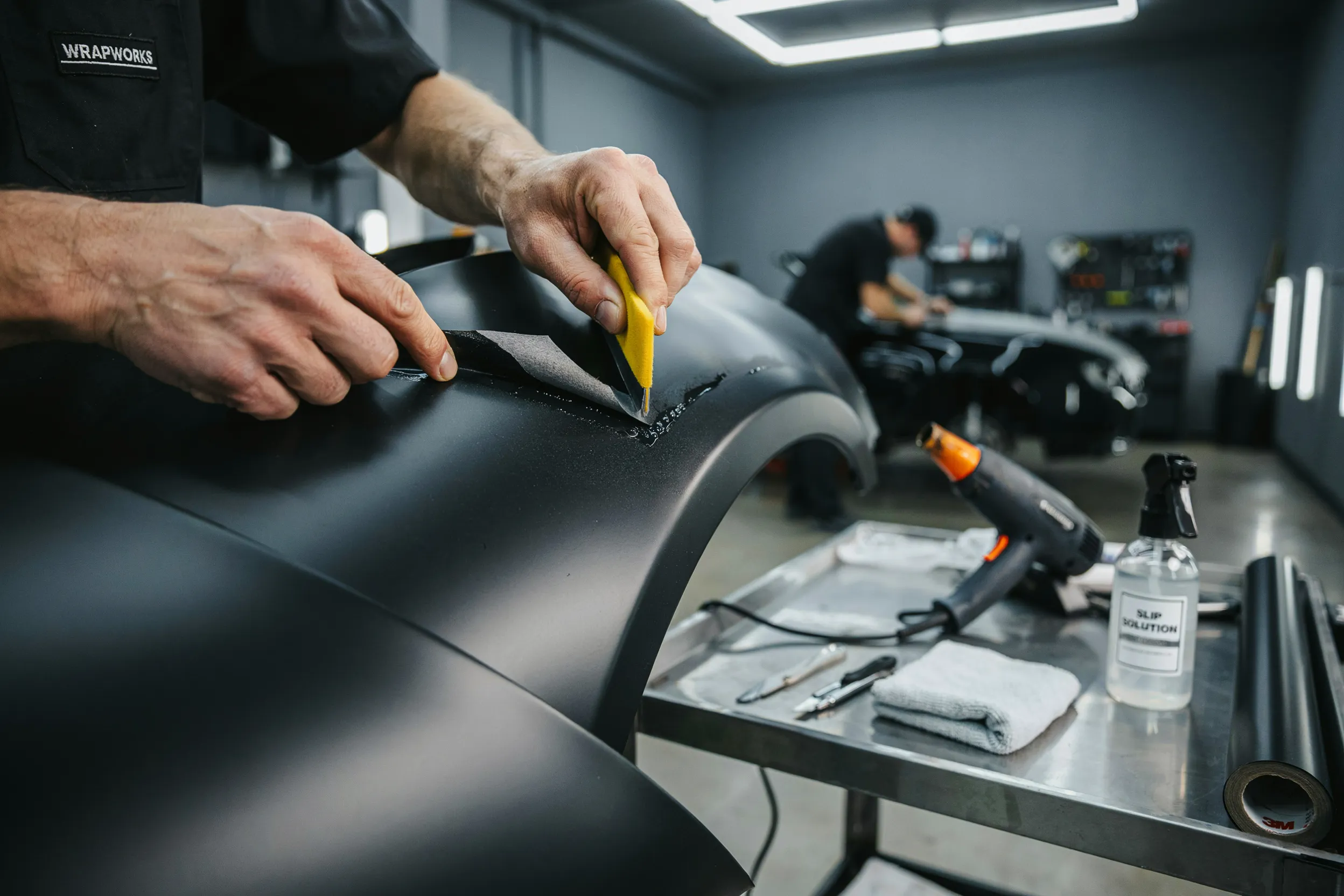
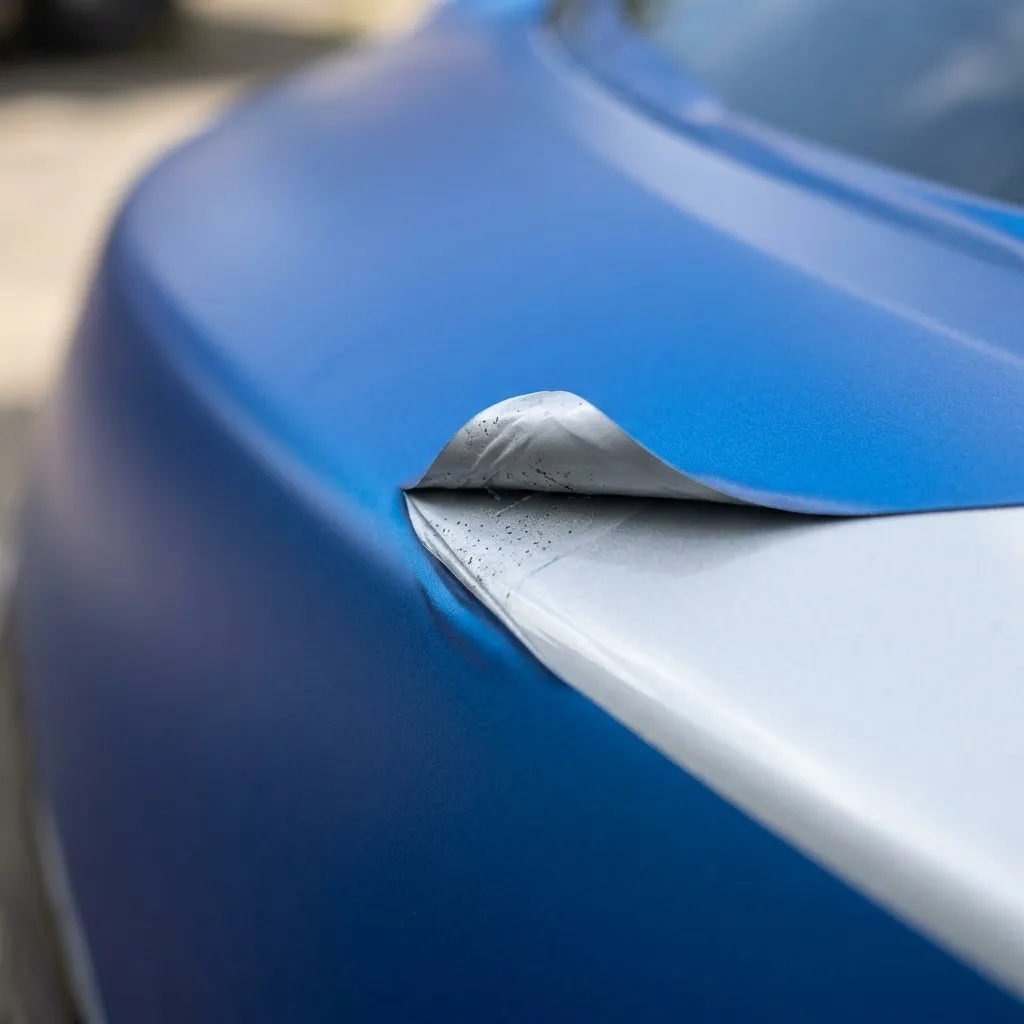

Vinyl wrap loses adhesion primarily due to surface contamination, excessive tension from over-stretching, and heat-induced adhesive degradation. Modern wrap films rely on acrylic pressure-sensitive adhesives (PSA) that require clean factory paint, sufficient post-heating, and ideal thermal conditions to form a permanent mechanical bond. When dirt, oils, or waxes block direct contact, or when extreme heat destabilizes the glue, the vinyl lifts away from the panel surface.Understanding the root causes of vinyl wrap adhesive failure helps you diagnose why lifting occurs, make smart repair decisions, and protect your vehicle's finish over time.

What Causes Vinyl Wrap to Start Peeling?
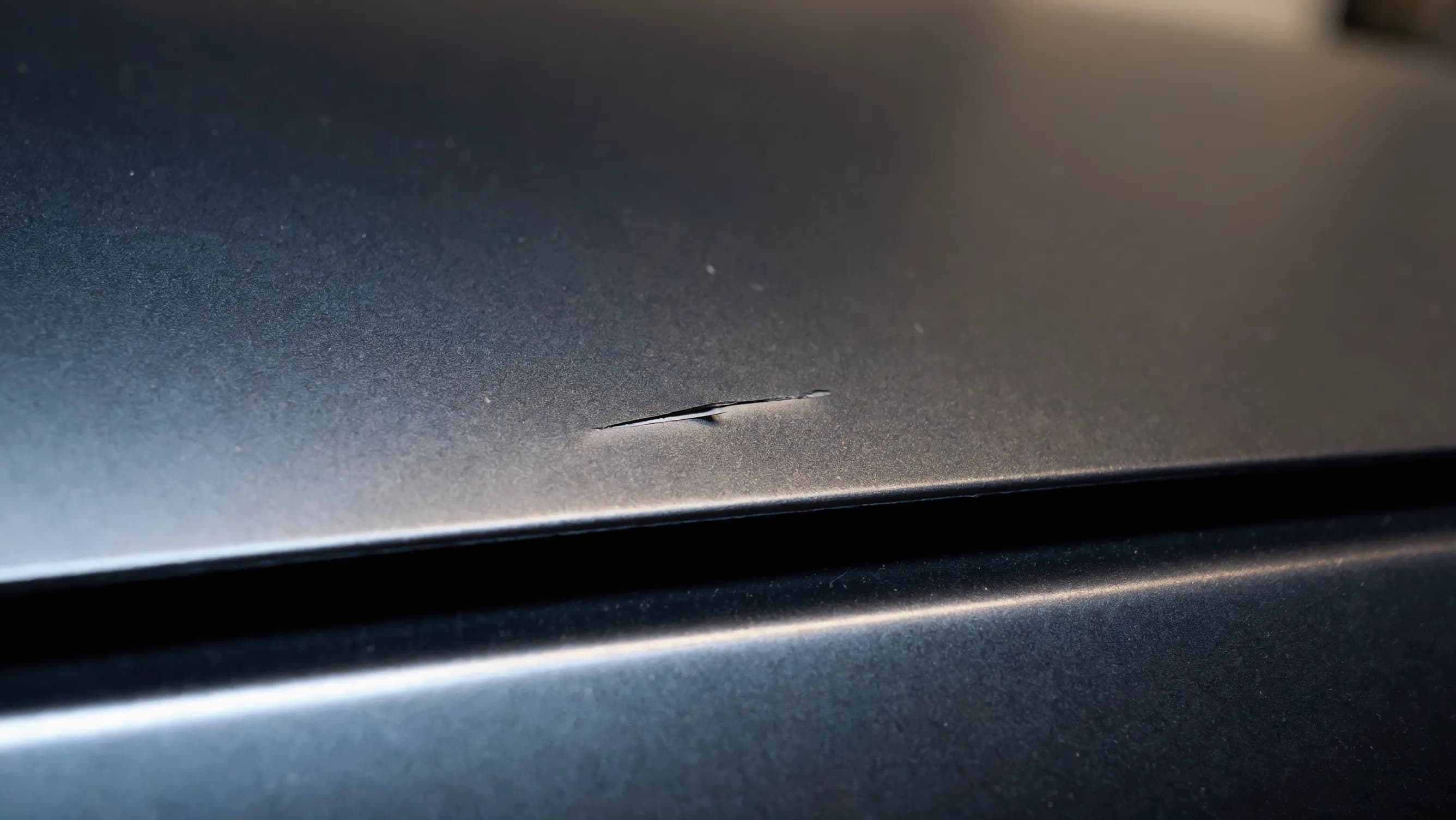
When a wrap lifts along body lines or peels away from door edges, the adhesive layer has lost its grip on the clear coat underneath.Peeling starts small—often as a paper-thin lifted seam or a tiny air gap along a fender trim. Once the initial bond fails, wind shear while driving forces high-pressure air beneath the film. This air carries dust, moisture, and road grit directly onto the exposed glue backing, rapidly contaminating the surrounding surface and causing the peel to spread across the panel.
Poor Surface Preparation Can Cause Adhesion Failure
In the wrap industry, proper surface prep dictates 80% of final bond strength. Even microscopic surface contaminants ruin the tack of high-grade pressure-sensitive adhesives.Common preparation oversights include:Wax and Polish Residue: Silicone and carnauba wax create a hydrophobic barrier that prevents the glue from biting into the clear coat.Road Tar and Grease: Oils dissolve the solvent-based adhesive layer, turning the glue tacky and soft rather than solid and firm.Ceramic Coatings: Hydrophobic ceramic coatings explicitly reject adhesive bonding, leading to immediate wrap edges lifting.Trapped Dust and Debris: Fine dust creates air gaps between the film and paint, drastically reducing the total contact area.

How Moisture Gets Under Vinyl Wrap
Water is a primary enemy of wrap longevity. When moisture finds its way beneath the film, it destroys the adhesive's chemical tack through a process known as hydro-degradation.Moisture usually sneaks in through unsealed panel edges, deep body recesses, or light housing contours. Once water gets trapped underneath, it freezes in cold weather (expanding and popping the film off the paint) or boils under intense sun, generating vapor pressure that breaks the glue layer completely free.
Why Temperature Affects Vinyl Wrap Adhesion
Temperature dictates both the initial installation tack and the long-term stability of the wrap bond.
| Temperature Condition | Physical Impact on Film & Glue | Resulting Adhesion Issue |
|---|---|---|
| Below 50°F (10°C) Installation | Glue hardens and loses initial pressure tack | Immediate lift; film fails to stick during application |
| Extreme Sun / Heat (150°F+ Surface) | Glue softens and liquefies; PVC film expands | Glue slides under tension, causing edge creep |
| Thermal Cycling (Day/Night Shifts) | Continuous expansion and contraction | Accelerates stress, leading to vinyl wrap shrinking |
Installing film within recommended temperature windows (typically 60°F to 80°F / 15°C to 27°C) ensures the adhesive cures to its maximum rated strength.

What Happens When Vinyl Wrap Is Stretched Too Far?
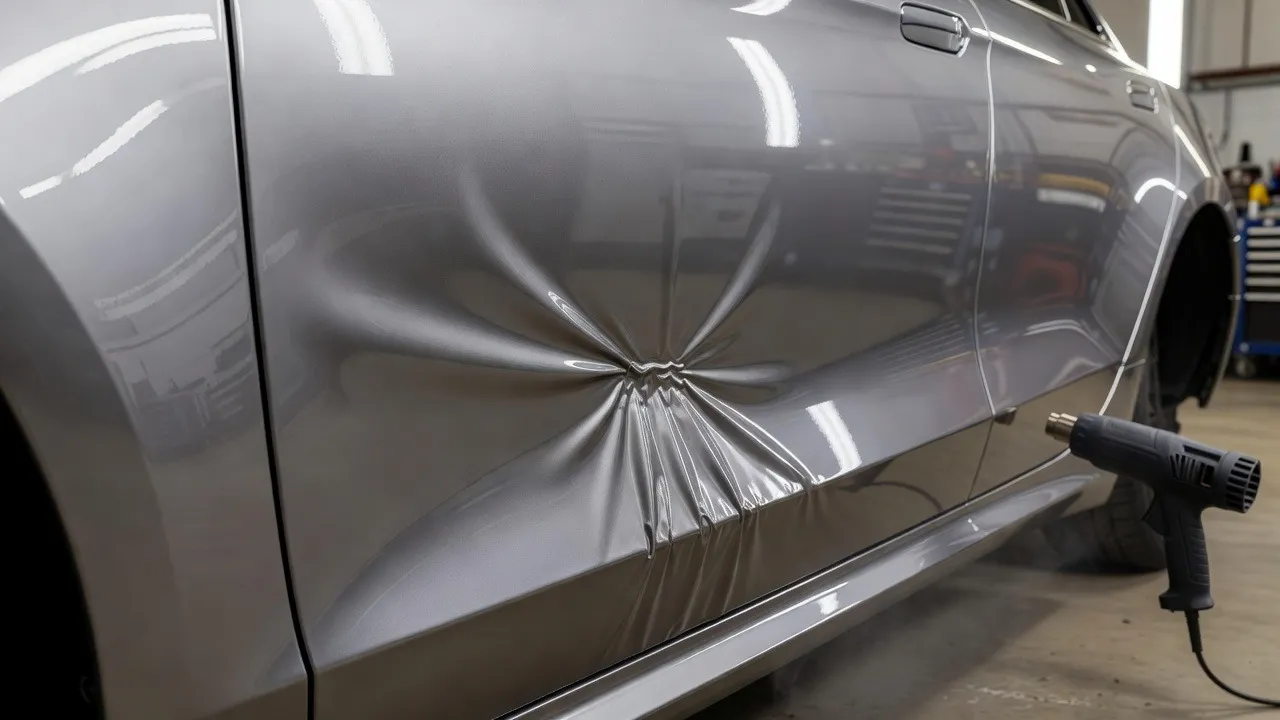
Vinyl wraps have a maximum elastic limit. Over-stretching during installation creates severe internal strain that actively pulls against the adhesive layer.When film is pulled past 10% to 15% of its original size, the adhesive layer thins out proportionately. Thin glue has far less surface area to grab the paint, while the over-stretched PVC film acts like a taut rubber band pulling backward. Eventually, this constant tension pulls the glue off the panel, which can lead to unsightly surface problems like vinyl wrap bubbling.
Why Edges and Corners Lose Adhesion First
Panel boundaries, tight door jams, and complex bumper corners bear the highest stress load across any wrapped vehicle.High Tension Zones: Installers must stretch film around compound curves, concentrating mechanical stress directly at the perimeter.Direct Element Exposure: Edges face direct exposure to wind shear, rain runoff, road salt, and pressure washer blasts.Improper Trimming: Trimming film under tension without allowing it to relax leaves a high-stress edge that naturally pulls upward.Without precise post-heating to set the film's memory, corners will pull back and expose the underlying paint.
Can Wax, Grease, or Car-Care Products Cause Vinyl to Lift?
Yes. Using harsh chemicals or improper detailing products around wrap seams directly compromises adhesive integrity.Petroleum-based cleaners, heavy bug/tar removers, and aggressive tire shines contain solvents that creep under exposed edges. These solvents dissolve the acrylic adhesive core, transforming firm glue into a sticky slurry that can no longer grip the vehicle's paint.

Does Poor-Quality Vinyl Lose Adhesion Faster?
The grade of film you choose directly determines how long the adhesive bond lasts under harsh driving conditions.Cast Vinyl (Professional Grade): Features advanced solvent-based acrylic adhesives with air-release channels. Designed to hold shape and maintain tack for 5 to 7+ years without degrading.Calendered Vinyl (Economy Grade): Employs water-based adhesives that decompose quickly under moisture and heat exposure, usually losing tack within 1 to 2 years.No-Name Import Films: Often utilize aggressive, low-grade glues that dry out, yellow, and leave heavy residue while losing surface adhesion, frequently causing severe vinyl wrap cracking.
Can Old or Damaged Paint Cause Vinyl Wrap to Lose Adhesion?
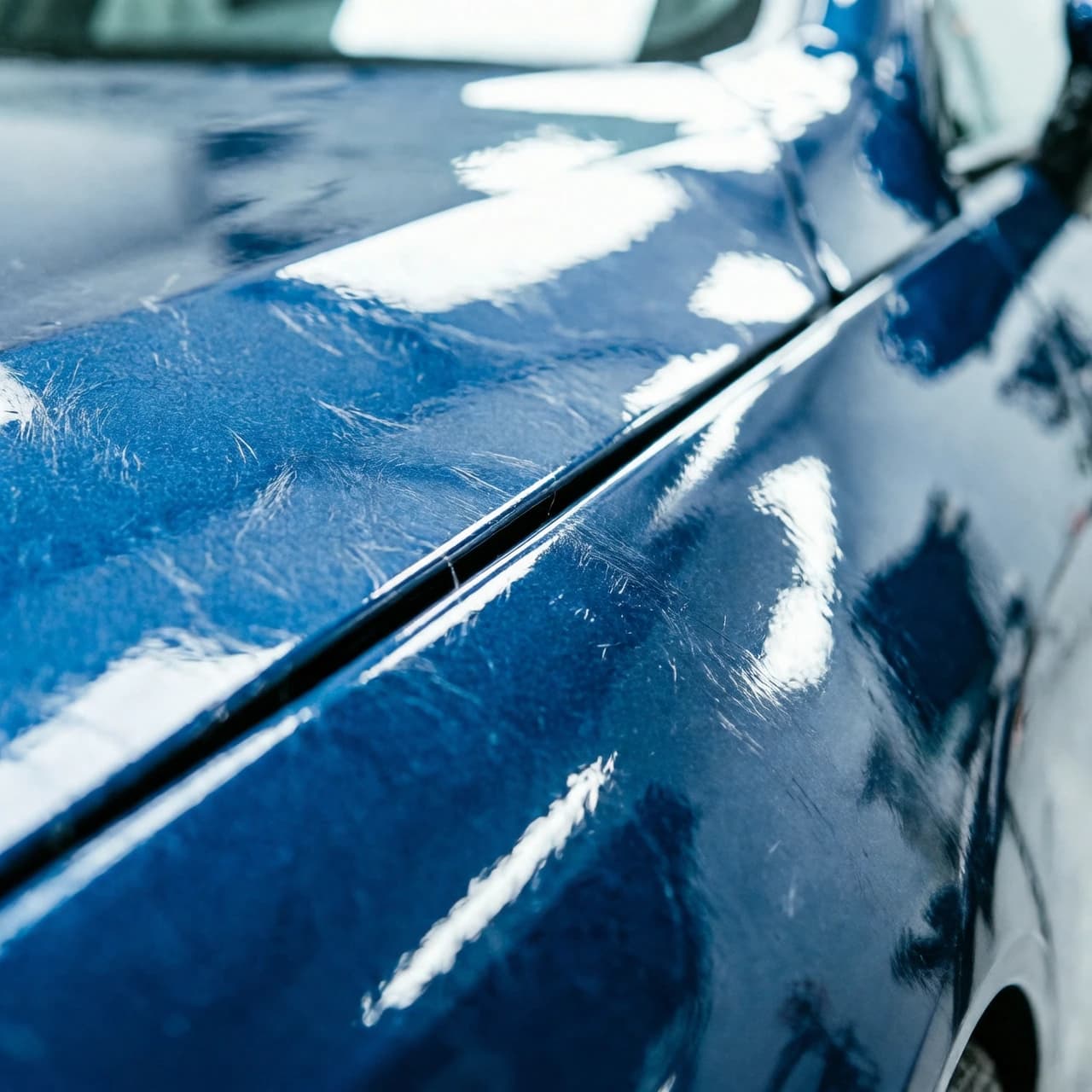
A wrap bond is only as strong as the surface directly beneath it. Applying film over damaged or unstable paint leads to rapid adhesion failure.Failing Clear Coat / Oxidation: The adhesive sticks to the loose clear coat flakes rather than the vehicle body, pulling the paint right off during thermal shifts.Fresh Repaint (Uncured Paint): Paint offgasses solvents for up to 30 days. Wrapping too early traps these gases, creating vapor bubbles and softening the wrap glue.Deep Chips and Rust: Rust continues to oxidize beneath vinyl, creating air pockets that ruin adhesive contact.
Can You Fix Vinyl Wrap That Has Lost Adhesion?
Repairing peeling vinyl depends on how clean the exposed glue remains:Minor Edge Lift (Clean Adhesive): Heat the area gently with a heat gun to soften the glue, re-tack with an edge squeegee, and post-heat to 180°F–200°F to set the bond.Contaminated Edge (Dust / Moisture Underneath): Trim the dirty lifted edge back to clean, bonded vinyl using a 30-degree razor. Seal the freshly cut margin with liquid edge sealer.Large Panel Adhesion Failure: Once dirt covers a large section of glue, heat alone will not restore the bond. The panel must be stripped, prepped, and re-wrapped.
How to Prevent Vinyl Wrap Adhesion Problems Before They Start
Preventing premature adhesive failure comes down to precise installation discipline and steady maintenance:Perform Deep Surface Decontamination: Wash with wax-free soap, use a clay bar, and complete a final wipe with a 70/30 Isopropyl Alcohol (IPA) mixture.Post-Heat All Tension Points: Use a digital heat gun to heat stretched areas to 180°F–200°F (82°C–93°C), resetting the film's memory.Avoid High-Pressure Washing on Seams: Keep spray nozzles at least 12 to 18 inches away from all wrap borders.Park Indoors or in Shade: Shielding your vehicle from UV breakdown prevents glue drying and stops premature vinyl wrap fading.
Planning a New Wrap? Check the Look Before Installation
Whether you are replacing a failed panel or planning a full vehicle restyle, previewing your finish options helps you pick materials built to last.Before investing in roll stock or scheduling shop time, use a dedicated car wrap visualizer to explore gloss, satin, matte, and color-shifting finishes directly on high-resolution 3D vehicle models. Testing your design visually ensures a seamless build from initial layout to final installation. Why Does Vinyl Wrap Lose Adhesion? 12 Frequently Asked Questions

Preview Your Next Wrap Design Before Spending a Dollar
Stop guessing how colors will look. Use the Carwrap.style visualizer to test gloss, satin, and matte finishes directly on your exact vehicle model.
Below are 12 targeted FAQs covering why vinyl wrap loses its grip, how to prevent glue failure, and how to fix adhesion issues.
What is the main cause of vinyl wrap losing adhesion?
The primary cause of adhesion loss is surface contamination prior to installation. Oils, road grime, silicone polish, ceramic coatings, or residual wax create a physical barrier between the paint and the pressure-sensitive adhesive. Over time, moisture and wind shear work under these weak points, forcing the vinyl to detach from the panel.
How does temperature affect vinyl wrap adhesive?
Vinyl wrap adhesive relies on thermal activation and curing. Installing in cold temperatures (below 60°F / 15°C) prevents the pressure-sensitive glue from bonding properly. Conversely, extreme surface heat (above 150°F / 65°C) softens the adhesive backing, making it susceptible to shifting under high wind resistance or tension.
Can over-stretching vinyl wrap destroy the adhesive layer?
Yes. When vinyl is stretched beyond its recommended limit (typically 10% to 15%), the glue layer thins out dramatically. Because the adhesive coverage is thinned over a larger surface area, its mechanical hold drops, leading to edge lifting, tension recoil, and eventual detachment along deep body lines.
What is post-heating, and why does skipping it cause glue failure?
Post-heating is the process of warming stretched vinyl to 180°F–200°F (82°C–93°C) using a heat gun. This process neutralizes the PVC film’s spatial memory and fully cures the acrylic adhesive underneath. Skipping post-heating leaves internal tension active, which slowly pulls the adhesive off the car surface, resulting in vinyl wrap shrinkage.
Why does water or moisture cause vinyl wrap to unstick?
If water creeps underneath an edge or seam, it hydrolyzes the acrylic glue. Water pressure from car washes or rain forces dirt into the gap, permanently coating the tacky surface. Once dirt particles cover the pressure-sensitive glue, the material can no longer re-adhere.
Can improper cleaning chemicals ruin wrap adhesive?
Yes. Using harsh solvent cleaners, petroleum-based bug removers, or abrasive detergents breaks down the chemical compounds in acrylic adhesives. Additionally, cleaning with improper alcohol ratios (anything other than a balanced 70/30 or 50/50 IPA to water mix) can leave behind chemical films or strip essential surface primers.
Does wrapping over fresh or damaged paint destroy adhesion?
Wrapping over un-cured paint releases solvent gases ("outgassing") for weeks, creating gas bubbles that push the glue off the panel. Wrapping over flaking clear coat or rust is equally problematic: the adhesive sticks to the loose clear coat or oxidation instead of the solid panel, causing the wrap and paint layer to peel together.
What is "adhesive transfer" or glue breakdown?
Adhesive transfer occurs when heat, age, or chemical exposure causes the glue to separate from the PVC backing and remain stuck to the car paint. This signifies that the chemical bond of the adhesive matrix has failed, rendering the vinyl non-sticky and requiring complete replacement.
Can ceramic coatings prevent vinyl wrap from sticking?
Yes. Hydrophobic ceramic coatings are designed specifically to repel liquids, dirt, and adhesives. Attempting to install vinyl directly over a ceramic-coated vehicle without first polishing or chemically stripping the coating off will cause immediate adhesive failure along edges and recess lines.
How do you fix a vinyl wrap edge that has lost its stickiness?
Gently lift the loose section without over-stretching the material.Clean underneath using an IPA-dipped cotton swab to remove fine dust.Apply a minimal bead of specialized vinyl edge primer (like 3M Primer 94) to the paint surface.Allow the primer to dry tack-free (around 1 to 2 minutes).Squeegee the film firmly into place and post-heat the edge to lock the bond.
What role does vinyl quality play in adhesive longevity?
Premium Cast vinyls use advanced solvent-based acrylic adhesives with built-in air-release channels designed to bond for 5 to 7+ years. Cheaper Calendered vinyls often use water-based adhesives that break down quickly under weather changes, leading to premature lifting, vinyl wrap bubbling, or adhesive degradation within 1 to 2 years.
What should you do if adhesive failure affects entire panels?
If adhesive failure is widespread across multiple panels, localized fixes will not hold. The degraded vinyl should be peeled before it bakes into the clear coat or cracks. If you plan to re-wrap the vehicle, test out new colors and finishes using a 3D car wrap visualizer before buying your next roll of material.