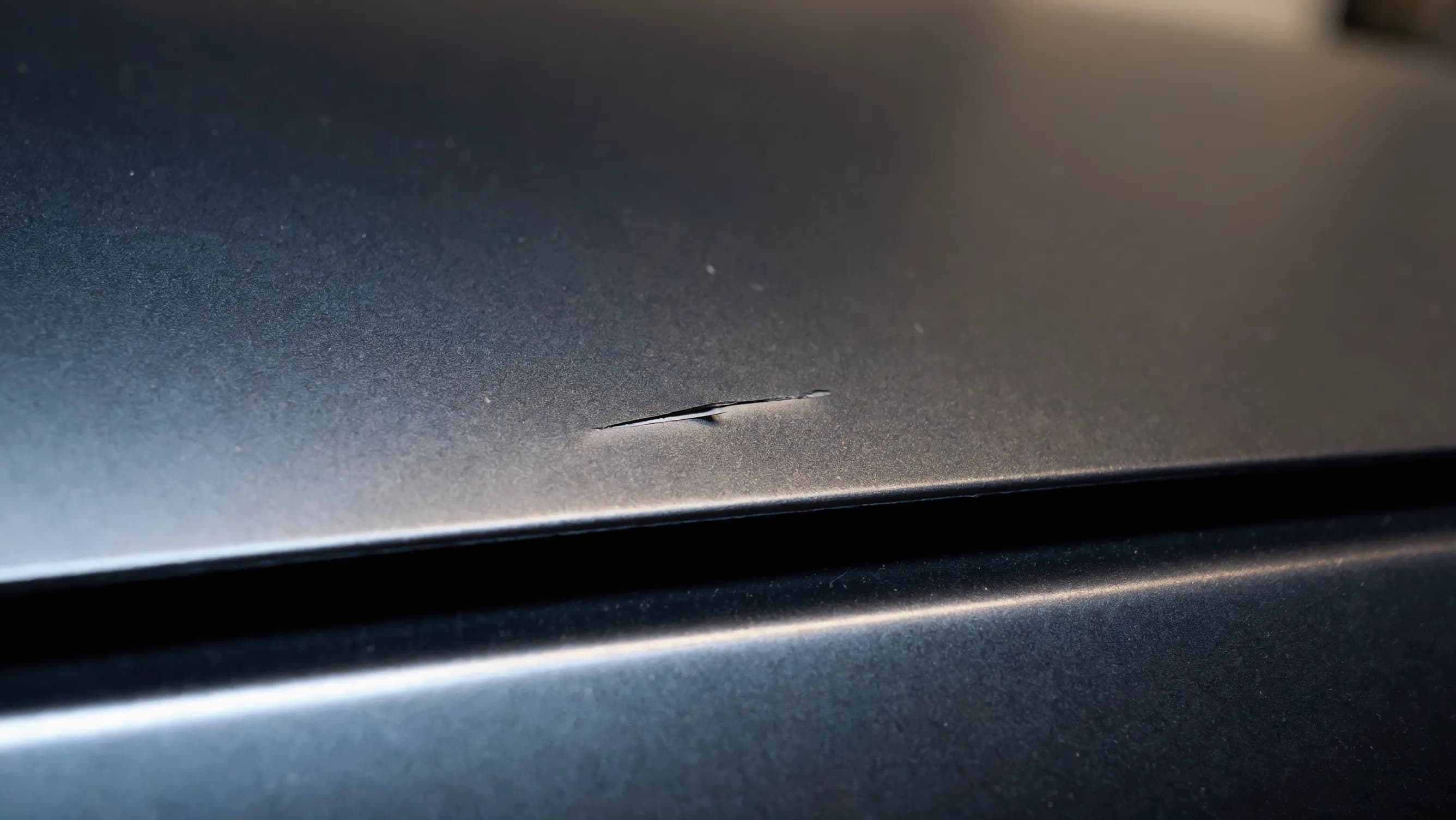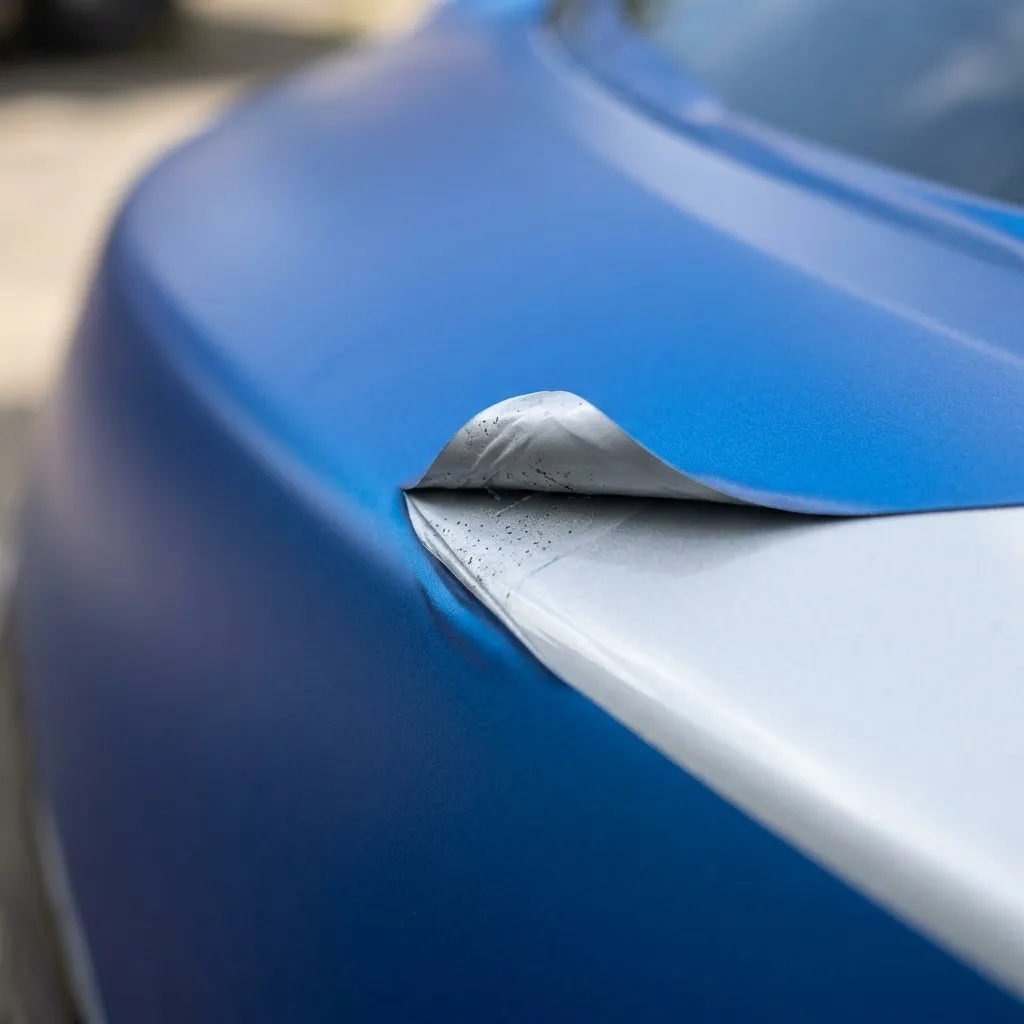
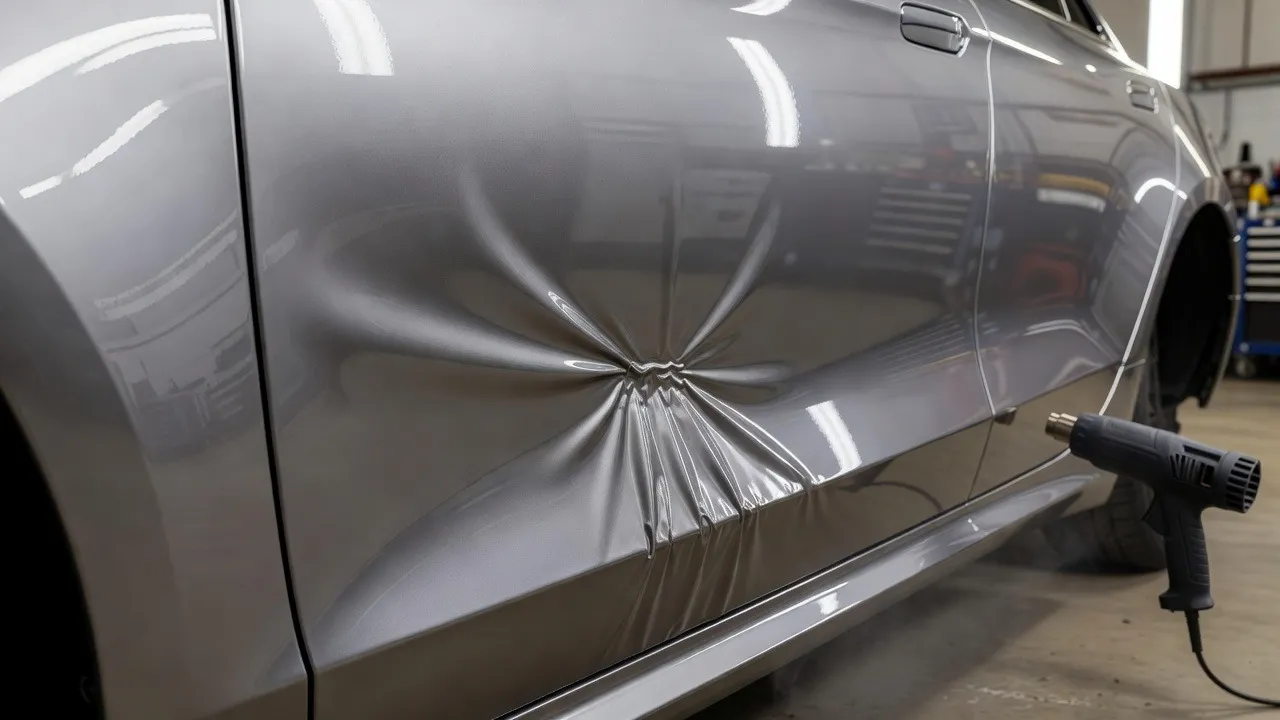

You step out to your car on a sunny afternoon, glance at the hood or driver's door, and notice a sliver of original factory paint peeking out along the edge. The vinyl hasn't peeled off or ripped—it looks as if it physically retreated toward the center of the panel.The direct cause of vinyl wrap shrinkage is material memory and thermal contraction. Modern vehicle wraps are composed of Polyvinyl Chloride (PVC) polymers stretched over complex body contours during application. When the material is over-stretched beyond its safe limits, subjected to extreme heat, or exposed to UV degradation over time, the plasticizers inside the film break down. The material naturally attempts to snap back to its original, unstretched shape, pulling the edges back from body seams and panel borders.Understanding why vinyl shrinks, how to catch installation flaws early, and how to protect your finish will save you from costly panel re-wraps down the road.

Why Does Vinyl Wrap Shrink After Installation?
When a wrap looks flawless on day one but starts pulling back weeks or months later, you are dealing with post-installation recoil.Vinyl films are manufactured with an inherent spatial memory. During manufacturing, cast or polymeric vinyl is formed in a relaxed state. When an installer applies tension to get the film around curves, that relaxation is temporarily disrupted.If the film isn't properly relaxed or set during the wrapping process, the vinyl slowly pulls toward its original dimensions. This tension works against the adhesive backing 24/7. Eventually, thermal cycles (daytime heat expanding the film, night cooling contracting it) cause the adhesive to give out, causing the material to pull away from body lines and recess areas.
How Heat Makes Vinyl Wrap Shrink
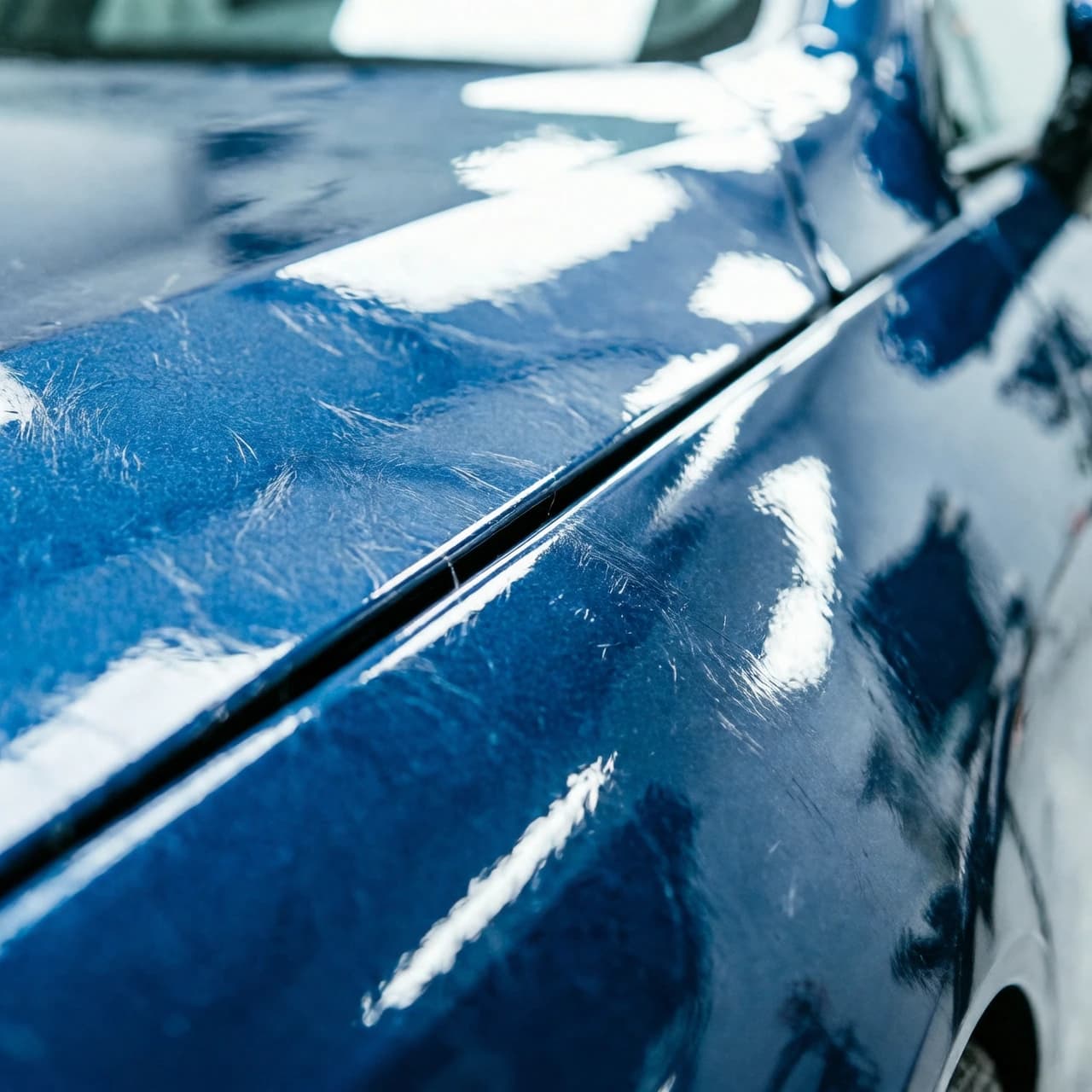
Heat plays a double agent role in the world of vehicle wraps. While controlled heat is used to shape the material during installation, uncontrolled environmental heat is one of the primary drivers of wrap failure.When your vehicle bakes in direct sunlight, surface temperatures on dark hoods or roofs can easily surpass 150°F–170°F (65°C–77°C). Extreme heat softens the PVC film, causing the molecular structure to expand. As the panel cools down at night, the material contracts.Repeated heat expansion and cooling contraction cycles gradually leach out the liquid plasticizers that keep the vinyl flexible. As plasticizers evaporate, the film loses its elasticity, becomes brittle, and shrinks permanently—often escalating into severe surface degradation like vinyl wrap cracking.

Does Poor Installation Cause Vinyl Wrap to Shrink?
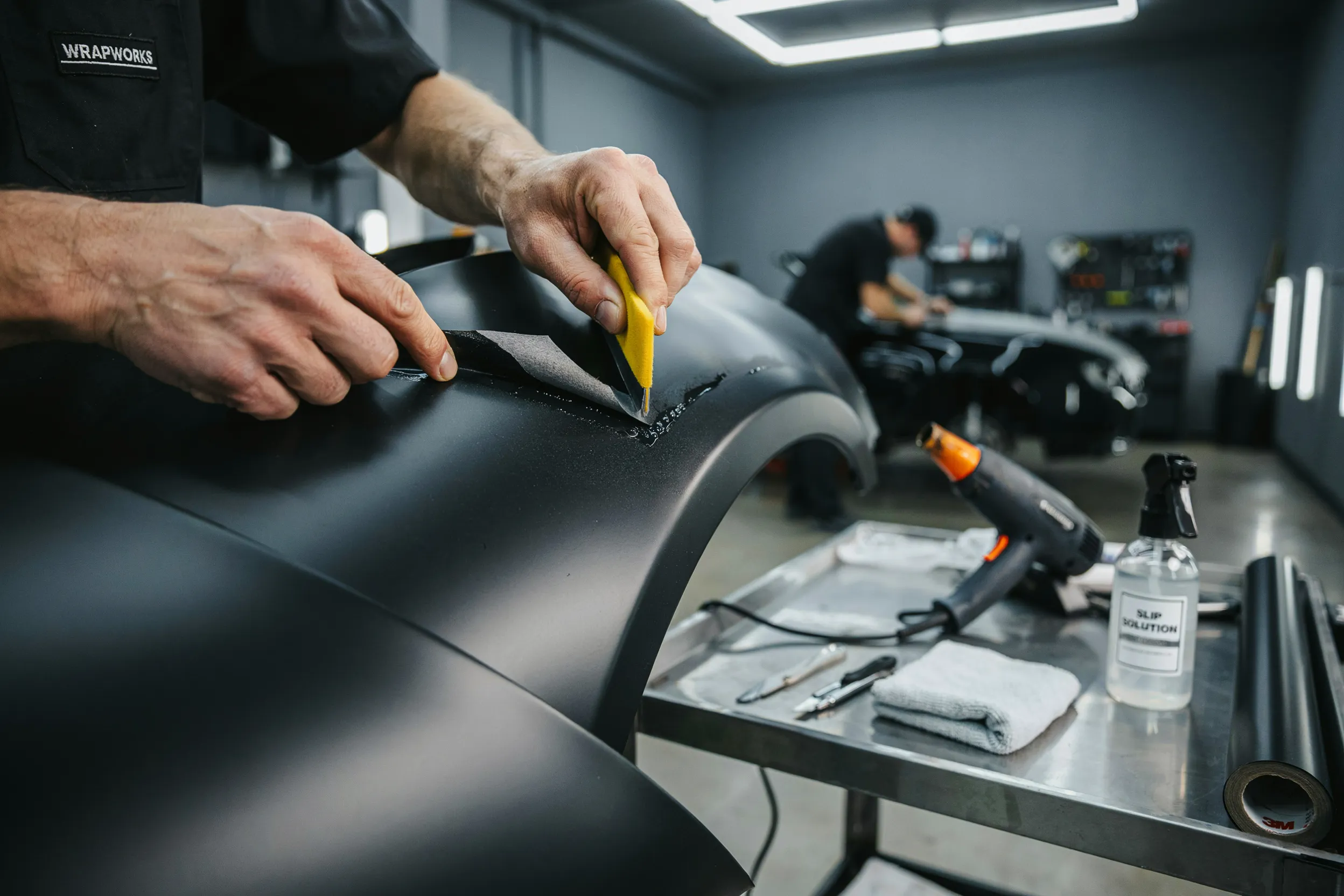
In the majority of cases, premature wrap shrinkage stems directly from poor installation technique rather than a defect in the film itself.Here are the primary application errors that trigger shrinkage:Over-stretching during application: Forcing film into deep recesses or over convex bumpers without feeding material into the contour creates massive tension.Failure to post-heat (post-heating): Skipping the critical step of heating the vinyl to its threshold temperature (typically between 180°F and 200°F / 82°C to 93°C) leaves the film's "memory" intact.Wrapping over dirty or prepped panels: If the paint underneath has wax, ceramic coatings, or road grime, the adhesive cannot form a mechanical bond strong enough to resist natural thermal pull-back, eventually leading to wrap edges lifting.Trimming material under tension: Slicing the film right along a panel edge while it is still stretched thin guarantees the edge will pull back as soon as heat is applied.
Why Stretched Vinyl Is More Likely to Shrink Back
To understand why stretched vinyl recoils, think of the film like a giant rubber band.When you pull a rubber band, it thins out and holds tension. If you glue that stretched rubber band to a board, the glue has to fight the rubber's desire to pull inward.
Excessive Stretch ➔ High Material Tension ➔ Adhesive Shear Stress ➔ Perimeter Edge Shrinkage
When vinyl is stretched beyond 10% to 15% of its original size, the adhesive layer underneath is stretched thin as well. This reduces the surface area of glue sticking to your paint while simultaneously increasing the physical force pulling the film backward. Over time, the tension wins, the glue releases, and the vinyl shrinks toward the least-stretched area of the panel.

How Vinyl Quality Affects Shrinkage
The manufacturing method used to create your wrap material directly dictates its dimensional stability over time.
| Vinyl Type | Manufacturing Process | Shrinkage Risk | Expected Lifetime |
|---|---|---|---|
| Cast Vinyl (Premium) | Poured as a liquid and baked; zero internal stress | Very Low (Holds shape permanently) | 5 to 7+ Years |
| Calendered Vinyl (Budget) | Rolled out like dough through heavy steel rollers | High (Constantly wants to shrink back) | 1 to 3 Years |
| Unbranded / No-Name Film | Inconsistent PVC quality and cheap adhesive formulas | Severe (Shrinks, cracks, and yellows quickly) | Under 1 Year |
Investing in high-tier Cast films from established manufacturers ensures the material stays dimensionally stable regardless of temperature shifts.
Why Wrap Edges Shrink and Start Showing Paint
The edges of a vehicle panel are the highest-stress areas for any wrap. When an installer wraps a fender, door, or hood, the edges are where the material is tucked, trimmed, and folded over.When shrinkage begins, the perimeter is always the first place it shows:Tension Concentration: The outermost boundary of a stretched section carries the highest amount of physical pull.Adhesive Exposure: Edges are exposed to moisture, road salt, and wind shear, which gradually degrades the exposed adhesive margin.The Symptom: As the vinyl pulls back a fraction of a millimeter each week, the original factory paint beneath becomes visible, creating an unsightly gap along your door jambs, trunk seams, and light bezels.
Can Sunlight Make a Vinyl Wrap Shrink?
Yes, prolonged UV exposure is a major accelerator of wrap degradation.Sunlight attacks vinyl wraps on two fronts:UV Ray Breakdown: Ultraviolet light breaks down the polymer chains inside PVC, evaporating the flexible plasticizers and causing the material to harden and draw inward. This same process is responsible for premature vinyl wrap fading.Radiant Heat Accumulation: Sun-drenched panels retain extreme heat for extended periods, keeping the adhesive in a softened, pliable state where it can easily slide under material tension.Parking your vehicle outdoors 24/7 without shade or protective covers drastically shortens the lifespan of the wrap and speeds up perimeter shrinkage.
Can Washing or Pressure Washing Cause Vinyl Wrap to Shrink?
Car washing does not directly cause the vinyl material itself to shrink, but improper washing techniques can make an already shrinking edge fail prematurely.If you blast the edge of a wrap with a pressure washer, the high-pressure water stream can force its way under the film's border. This lifts the vinyl off the paint, blowing road grit underneath the adhesive. While it might look like the wrap suddenly "shrank" after a car wash, what actually happened is that the edge peeled back and curled up under water pressure, which can also trap air pockets and lead to issues like vinyl wrap bubbling.Keep pressure washer nozzles at least 12 to 18 inches away from all wrap seams and spray perpendicular to the panel rather than directly into the edges.

Can You Fix a Vinyl Wrap That Has Shrunk?
Once vinyl wrap material has physically shrunk and hardened, it cannot be stretched back into place. However, depending on the severity of the shrinkage, you have a few practical repair options:Minor Edge Pull-Back (Under 1/8 inch): Carefully trim the lifted, exposed edge back to where the adhesive is still bonded cleanly. Use a specialized liquid edge sealer or fine pinstriping accent tape along the seam to hide the gap and block moisture.Isolated Panel Edge Failure: If a single panel (like a front bumper or side mirror) has pulled back significantly, you can apply a seamless micro-patch over the clean exposed area, or have a technician re-wrap that individual panel.Widespread Systemic Shrinkage: If the material is pulling back across multiple panels, hardening, or showing stress cracks, the film has reached the end of its functional life. The entire wrap should be removed before the adhesive bakes into the paint.
How to Prevent Vinyl Wrap From Shrinking
Preventing wrap shrinkage requires a combination of proper installation choices and routine maintenance:Demand Premium Cast Film: Ensure your installer uses high-grade Cast vinyl rather than cheaper Calendered film.Verify Post-Heating Practices: Confirm that your installation shop uses a digital heat gun to post-heat all stretched zones and edges to 180°F+.Park in the Shade or Garage: Minimize direct UV exposure to prevent plasticizer breakdown.Apply Protective Coatings: Use a dedicated ceramic coating formulated for vinyl or a spray wrap sealant to block UV rays and nourish the surface.Address Lifting Early: If you spot an edge starting to pull back, address it immediately before dirt destroys the adhesive backing.
Planning a New Wrap? Check the Look Before Installation
If your current wrap is shrinking, pulling back, or showing its age, replacing it gives you the perfect opportunity to rethink your vehicle's entire aesthetic.Before committing to expensive roll orders or shop installation fees, remove the guesswork from your color choices. Use a high-resolution car wrap visualizer to test custom finishes, gloss levels, matte textures, and color-shifting styles directly on 3D models of your vehicle make and model. Visualizing your finished project beforehand ensures you land on a stunning, durable combination that matches your exact vision.What Causes Vinyl Wrap to Shrink? 12 Frequently Asked Questions

Below are 12 targeted FAQs addressing the causes, mechanics, fixes, and prevention strategies for vinyl wrap shrinkage.
What is the direct cause of a vinyl wrap shrinking?
Vinyl wrap shrinks due to material memory and thermal contraction. Most vehicle wraps are made of Polyvinyl Chloride (PVC) polymers that are stretched over complex body contours during application. When exposed to heat, UV degradation, or excessive tension, the plasticizers inside the film break down, causing the vinyl to snap back toward its original, unstretched shape.
Why does vinyl wrap shrink weeks or months after installation?
Post-installation shrinkage happens due to "recoil." If an installer stretches the vinyl into place without properly post-heating the edges, the film's natural spatial memory remains active. Over time, continuous temperature shifts (daytime heat expanding the film, night cooling contracting it) cause the tension to pull the adhesive away from panel edges.
Can sun and UV exposure make a vinyl wrap shrink?
Yes. Prolonged UV radiation breaks down the polymer chains inside PVC, evaporating the liquid plasticizers that keep the film flexible. As plasticizers leach out, the wrap hardens, loses elasticity, and contracts permanently. This same breakdown is also responsible for premature vinyl wrap fading.
How does heat cause vinyl wrap to contract?
Direct sunlight can heat dark body panels to 150°F–170°F (65°C–77°C). Extreme heat softens the film and expands its molecular structure. When the panel cools at night, the vinyl contracts. Repeated heating and cooling cycles accelerate plasticizer loss, leading to severe surface issues like vinyl wrap cracking.
Does poor installation technique cause wrap shrinkage?
In most cases, premature shrinkage stems from installation errors:Over-stretching: Pulling film past its 10% to 15% stretch limit.Skipping Post-Heating: Failing to heat stretched areas to 180°F–200°F (82°C–93°C) to break the film's memory.Trimming Under Tension: Slicing stretched material directly along panel edges.Inadequate Prep Work: Wrapping over wax or dirt, which leads to wrap edges lifting.
What is the rubber-band effect in stretched vinyl?
When vinyl is stretched over deep curves or recessed channels, it behaves like a stretched rubber band. The adhesive underneath is pulled thin, reducing its surface grip while the PVC film constantly tries to recoil. Over time, the tension overcomes the glue bond, causing the material to shrink toward the center of the panel.
Why do wrap edges shrink first and reveal paint?
Panel boundaries carry the highest tension because material is folded, stretched, and trimmed at the borders. Additionally, edges are directly exposed to moisture, road grime, and wind shear. As the perimeter contracts, a sliver of the underlying factory paint becomes visible along door jambs, trunk seams, and light housings.
Does vinyl wrap quality affect how much it shrinks?
Yes. Cast vinyl is manufactured by pouring liquid PVC, resulting in near-zero internal stress and minimal shrinkage risk (5–7+ year lifespan). Calendered vinyl is rolled out under heavy pressure and constantly wants to shrink back to its original state, making it prone to failure within 1 to 3 years.
Can pressure washing make a vinyl wrap shrink?
Pressure washing does not alter the physical dimensions of the vinyl itself, but blasting edges with high-pressure water forces water under the border. This lifts the film and blows road grit under the adhesive, causing the edge to peel back and curl, which can mimic shrinkage and lead to vinyl wrap bubbling.
Can you stretch a shrunken vinyl wrap back into place?
No. Once vinyl wrap has physically shrunk, hardened, and lost its plasticizers, it cannot be stretched back. Minor edge pull-backs (under 1/8 inch) can be trimmed and sealed with liquid edge sealer, but widespread shrinkage requires replacing or re-wrapping the affected panel.
How can you prevent a vinyl wrap from shrinking?
Use premium Cast vinyl rather than cheaper Calendered film.Ensure all edges and stretched zones are post-heated to 180°F–200°F (82°C–93°C).Park in a garage or shaded area to minimize direct UV exposure.Apply a ceramic coating or wrap sealant formulated to block UV rays.Clean panels thoroughly before installation so the adhesive forms a maximum bond.
What should you do if your wrap is shrinking across multiple panels?
If shrinkage is widespread, the film has reached the end of its functional life. You should have the wrap removed before the adhesive bakes into your vehicle's clear coat. Before ordering new material or re-wrapping, use a high-resolution car wrap visualizer to preview fresh colors, gloss levels, and textures on 3D vehicle models.