
Picture this: You leave your newly wrapped car sitting outside for a few months, thinking the vinyl is tough enough to handle whatever nature throws at it. But when you finally go to take it for a drive, the finish looks cloudy, the edges around the handles feel stiff, and a patch of dried tree sap has baked right into the roof.Here's the truth.Storing a wrapped car outdoors safely requires a active routine: strategic parking, applying ceramic UV protection, using a breathable custom-fit cover, and performing quick spot-cleaning.Polyvinyl chloride (PVC) film is engineered to flex and adhere smoothly across a car's curves. But unshielded exposure to intense sun, trapped rain, and organic acids leaches out internal plasticizers, causing the material to harden, fade, and peel.Here is the exact method to preserve your vinyl finish when a garage isn't an option.

Can You Store a Vinyl Wrapped Car Outside?
The short answer is yes—you can store a wrapped car outside. But there is a catch.Unlike a factory clear coat designed to survive decades of weather, outdoor vinyl wrap exposure speeds up material aging. Without proper care, a high-grade wrap rated for 5 to 7 years can degrade in under 18 months.If you must leave a vinyl wrapped car outdoors, you need to actively protect it against three environmental enemies:UV radiation (dries out plasticizers and causes fading)Trapped condensation (softens and breaks down adhesive backing)Acidic contamination (tree sap, bird droppings, and industrial fallout that burn into the film)
Find the Best Place to Park a Wrapped Car
Where you park is your first line of defense before relying on car covers or spray detailers.
Park Near Solid Architectural Structures
Position your vehicle along the north or east side of residential walls, carports, or multi-level garages. These buildings block intense high-angle midday sun without exposing the roof to direct overhead dropping hazards.
Keep Away From Tree Canopies
Parking under trees might seem like an easy way to get shade, but it creates huge risks for vinyl wrap outdoor storage. Tree sap, pine needles, acorns, and bird droppings contain natural acids that etch into hot vinyl within hours.
Avoid Lawn Sprinklers and Industrial Vents
Steer clear of automated sprinkler systems. Hard irrigation water contains heavy dissolved minerals that leave deep chalky water spots on vinyl once baked by the sun.

Protect the Wrap From Direct Sunlight
Ultraviolet light is the primary cause of premature wrap failure.When sunlight hits unshielded film day after day, two damaging processes occur:Chemical Polymer Degradation: UV rays break down the binder chains inside the film, evaporating plasticizer oils and causing severe vinyl wrap fading.Thermal Expansion & Heat Soak: Dark vinyl finishes quickly absorb heat, pushing panel surface temperatures beyond 160°F (71°C). This extreme heat softens the glue layer and triggers spatial tension, explaining what causes vinyl wrap to shrink.
Should You Cover a Wrapped Car Outdoors?
Deciding to use a car cover for vinyl wrapped car protection is tricky. The wrong cover can ruin a wrap faster than open sun.
Low-Quality Cover + Wind Friction ➔ Micro-Abrasion ➔ Scratched Gloss & Dulled Finish
Generic plastic tarps trap moisture underneath. As the sun warms the car, that trapped moisture turns into trapped steam, breaking down the adhesive and causing why does vinyl wrap lose adhesion.However, a soft, breathable outdoor cover designed for vehicle storage creates an effective barrier against sun, dust, and acidic dirt.
Choose a Car Cover That Won’t Damage the Wrap
When buying a vinyl wrap safe car cover, look for these specific features:
| Feature | Protection Standard | Why It Matters for Vinyl Wraps |
|---|---|---|
| Inner Lining | Plush Fleece or Microfiber | Prevents scuffing, swirl marks, and edge friction |
| Fabric Ventilation | Multi-layer Breathable Synthetic | Releases trapped humidity and moisture vapor |
| Tailored Fit | Custom-Fit Vehicle Pattern | Keeps wind from flapping fabric against wrap edges |
| UV Defense Layer | Outer Reflective Coating | Deflects radiant solar heat away from dark panels |
Crucial rule: Never cover a dirty vehicle. Putting a cover over road grit turns the fabric into fine sandpaper whenever the wind moves it.
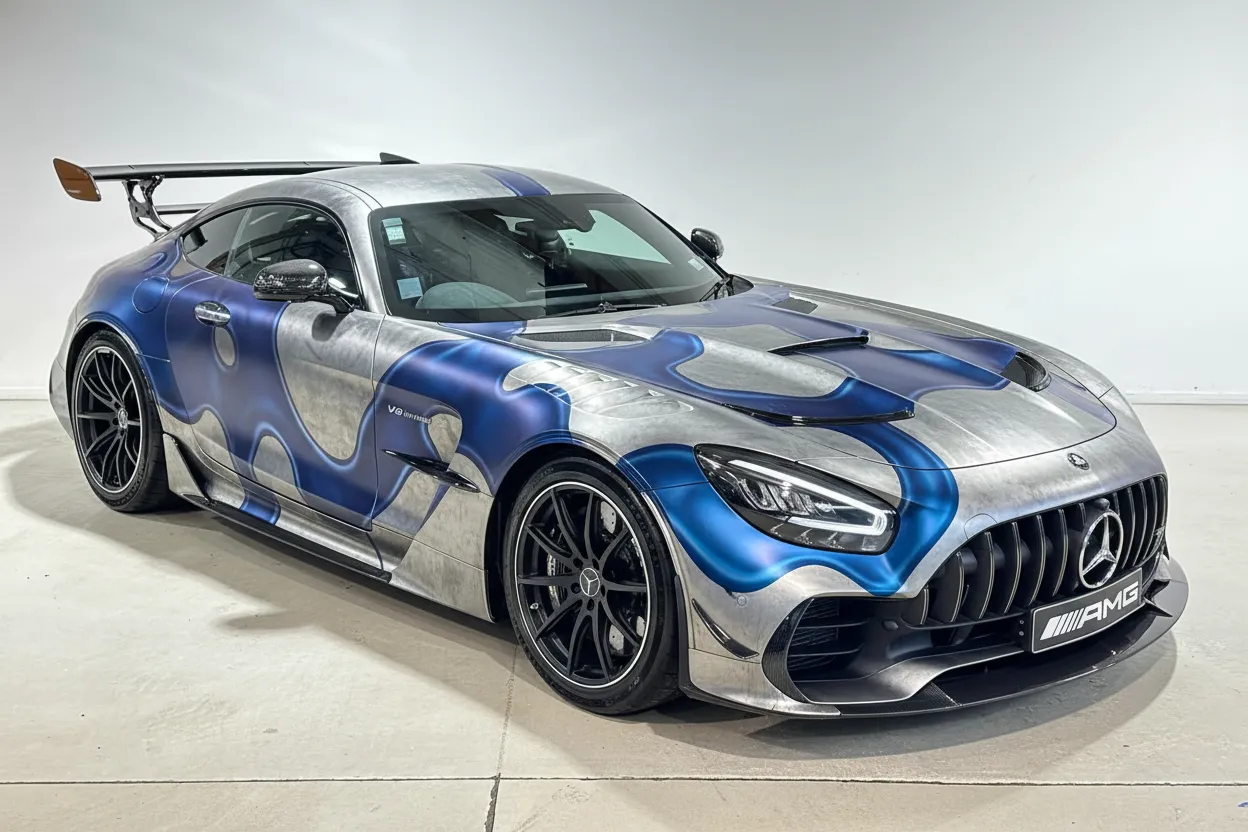
Keep Rain and Moisture From Becoming a Problem
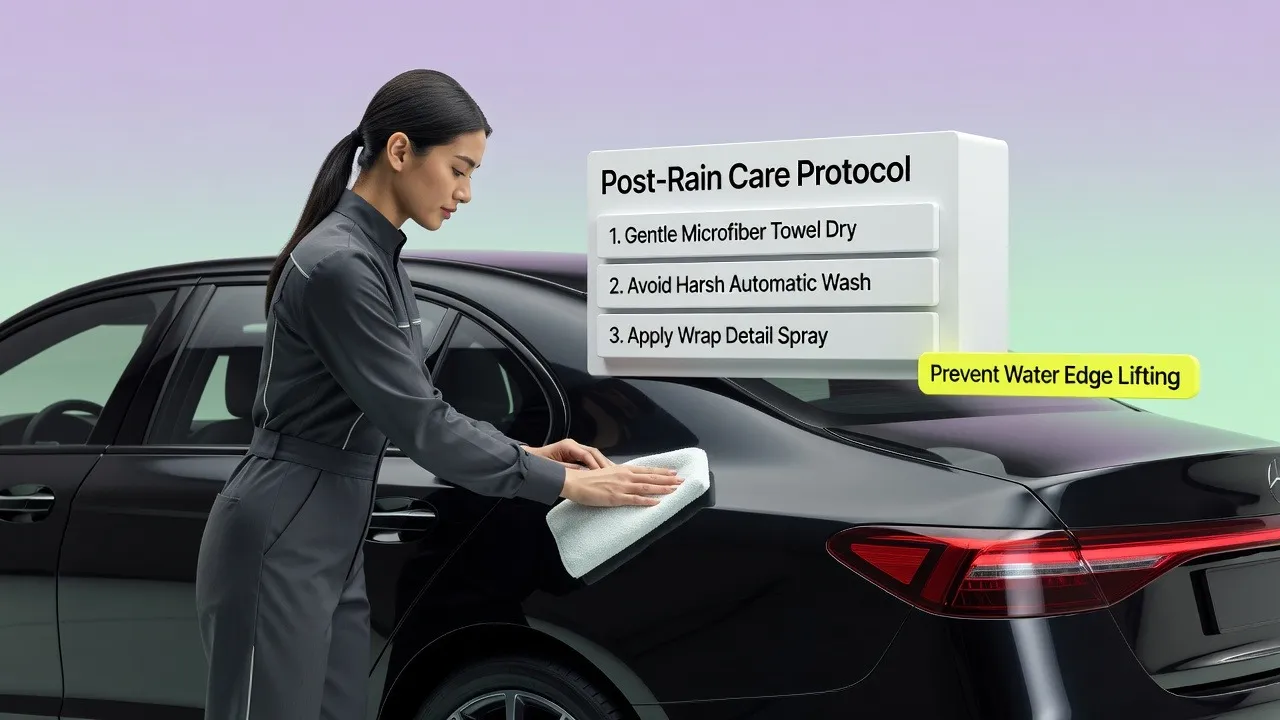
Rainwater isn't clean water—it carries atmospheric pollutants and nitric acids that gather on flat horizontal panels like the hood, roof, and trunk.When standing rain boils away under hot sun, it leaves concentrated acid rings behind. Over time, these mineral deposits eat through the film's smooth top layer.To handle rainwater risks:Apply a Hydrophobic Ceramic Coating: Use a sealant formulated for vinyl wrap care so rainwater beads up and runs off horizontal panels.Dry Flat Panels After Storms: If the vehicle is parked uncovered during heavy rain, wipe down horizontal surfaces with a soft microfiber drying towel before the sun bakes the water spots dry.
Protect the Wrap From Bird Droppings and Tree Sap
Organic messes are critical emergencies for a wrapped vehicle.Bird droppings and tree sap contain strong acids. Sun heat causes the vinyl to expand and absorb these compounds. As the panel cools down at night, the film contracts, locking the acid inside and leaving permanent stains or raised blemishes.
Quick Cleaning Routine
Keep a spray bottle with 50/50 Isopropyl Alcohol (IPA) and distilled water in your detail kit alongside a fresh microfiber towel.Soak hardened droppings or dried sap by laying a wet, saturated towel over the spot for 2 to 3 minutes.Wipe gently in one direction. Avoid aggressive scrubbing so trapped dirt particles don't scratch the vinyl.

Clean the Car Before Long-Term Outdoor Storage
Before putting your vehicle into storage or securing a cover, thoroughly clean the surface.Follow this preparation sequence:Two-Bucket Hand Wash: Clean the vehicle using a pH-neutral car shampoo that contains no added gloss waxes or synthetic silicones.Decontaminate Panel Crevices: Clean out dirt buildup from door jambs, fuel door recesses, and fender edges.Complete Surface Drying: Blow dry seam gaps and light bezels using warm air or microfiber towels to remove hidden water pockets before fitting a cover.Skip automatic drive-through wash bays with spinning brushes. The heavy bristles can catch loose seams and cause why is my car wrap lifting.
Check the Wrap Before Covering the Car
Before covering your car for long-term outdoor storage, complete a careful perimeter check to spot small issues early:Inspect Edge Seams: Check door edges, fender corners, and bumper seams for early lifting or corner peel-back.Look for Air Bubbles: Check flat hood and roof sections for small pockets that indicate why is my car wrap bubbling.Confirm Clean Clear Coat Seals: Ensure there is no lifting along window trim where road debris can work its way under the film.Catching minor lifting points before long-term storage prevents moisture and wind from pulling panels apart under the cover.
What to Do When You Take the Car Out of Storage
When bringing your vehicle out of long-term outdoor storage, follow these steps to safely return it to the road:Remove the Cover Carefully: Lift the cover upward off body panels rather than dragging it across the surface.Let Panel Temperatures Normalize: Let the car sit in the shade for 15 minutes so the vinyl returns to ambient room temperature.Inspect Seams and Apply Detailer: Wipe down panels using a dedicated vinyl detail spray to restore UV protection and inspect for fresh lifting spots.
How to Keep a Wrapped Car Looking Good Outdoors for Longer
Storing a wrapped car outside without damage comes down to consistency. Parking in smart shaded spots, using breathable covers, applying hydrophobic sealants, and cleaning off bird droppings immediately will preserve your vinyl finish for years.
Looking to Upgrade or Refresh Your Vehicle's Style?
If your current outdoor-stored wrap shows heavy UV damage, fading, or edge pull-back, replacing the material is the best way to get your car looking sharp again.Instead of guessing how new colors will look, explore your options first. Visit car wrap visualizer to preview gloss finishes, satin textures, matte wraps, and color-shifting styles directly on high-resolution 3D models of your exact make and model. Testing designs visually helps you pick a durable finish that stands up to outdoor elements.Frequently Asked Questions: How to Store a Wrapped Car Outdoors

Preview Your Next Wrap Design Before Spending a Dollar
Stop guessing how colors will look. Use the Carwrap.style visualizer to test gloss, satin, and matte finishes directly on your exact vehicle model.
Frequently Asked Questions: How to Store a Wrapped Car Outdoors
Is outdoor storage safe for a vinyl-wrapped vehicle long term?
Storing a wrapped car outdoors is acceptable only if you maintain a strict care routine. Raw weather elements accelerate material aging, turning a film that typically lasts 5 to 7 years into one that degrades in 18 to 24 months. To prevent premature failure, you must shield the film from intense ultraviolet rays, clean off industrial fallout immediately, and prevent moisture build-up beneath the surface.
How does direct sunlight damage an outdoors-stored vinyl wrap?
Sunlight attacks the wrap through high-energy ultraviolet radiation and radiant heat. UV rays break apart the binder chains inside the vinyl, causing plasticizer oils to evaporate and leading to severe vinyl wrap fading. Concurrently, excessive surface heat loosens the underlying pressure-sensitive adhesive, triggering perimeter recoil and explaining what causes vinyl wrap to shrink.
What is the single best parking spot for a wrapped car left outside?
The ideal outdoor parking location is along the north or east side of a multi-story building or residential structure. These solid architectural walls shade the vehicle during peak midday solar hours (10:00 AM to 4:00 PM) without exposing the roof panel to sap-dripping tree branches, roosting birds, or falling debris.
Why is parking a wrapped car under shade trees actually dangerous?
Trees provide shade, but they expose the wrap to destructive organic contaminants. Tree sap, pine pitch, and bird droppings contain concentrated natural acids. When sun heat expands the pores of the vinyl, these acidic compounds sink deep into the film layer, leaving permanent etch marks, yellow stains, and rough surface blemishes that cannot be washed away.
Will a generic car cover protect or damage a wrapped car?
Cheap, non-breathable plastic covers or loose tarps will ruin your vinyl finish. Non-breathable materials trap ambient moisture underneath; as the sun warms the car, that trapped humidity turns to steam, weakening the glue matrix and causing why does vinyl wrap lose adhesion. Loose fabric also flaps in the wind, grinding surface dirt into the film and scratching the gloss layer.
What specific features make a car cover safe for vinyl wraps?
A wrap-safe outdoor car cover must feature three design elements:Plush Microfiber or Fleece Interior: Prevents surface abrasion and swirl marks against the film.Multi-Layer Breathable Construction: Allows trapped moisture and condensation vapor to escape easily.Custom Contour Fit: Keeps the fabric taut against body panels so wind cannot lift or flap the edges.
How should I clean bird droppings or tree sap off an outdoor wrap?
Address organic contamination immediately using a gentle, non-abrasive method:Spray a mixture of 50/50 Isopropyl Alcohol (IPA) and distilled water onto the spot.Lay a clean, wet microfiber towel over the spot for 2 to 3 minutes to soften the hardened residue.Gently wipe in a single direction without scrubbing, preventing trapped dirt particles from scratching the top layer.
Does rain harm a vinyl wrap when a car is parked outdoors?
Rainwater contains dissolved minerals, industrial pollutants, and nitric acids. When rainwater pools on flat horizontal surfaces—such as the hood, roof, and trunk—and evaporates in direct sunlight, it leaves behind concentrated mineral rings. These hard water deposits eat into the smooth protective top layer, dulling the finish over time.
How can I stop rainwater from spotting an outdoor-stored wrap?
The most effective way to prevent rainwater damage is applying a hydrophobic ceramic coating or dedicated ceramic spray sealant formulated specifically for vinyl wraps. The hydrophobic barrier forces water to bead up and slide off horizontal panels before mineral deposits can form. If un-coated, dry flat panels with a soft microfiber towel after heavy rain.
What preparation steps are needed before storing a wrapped car outside?
Before leaving your vehicle outside for extended periods, follow this preparation sequence:Hand-wash thoroughly: Use a pH-neutral car shampoo free of added gloss waxes or silicones.Decontaminate panel seams: Clean out dirt and grit trapped along door jambs, light bezels, and fender borders.Dry all crevices completely: Use compressed air or microfiber drying towels to remove water pockets that could trigger why is my car wrap lifting.
What should I inspect when bringing a wrapped car out of outdoor storage?
When removing a car cover or bringing your vehicle out of long-term storage, inspect these key areas:Perimeter Seams: Look along fender corners, door edges, and bumper recesses for early corner peel-back.Flat Surfaces: Check the hood and roof for raised air pockets or evidence of why is my car wrap bubbling.Surface Elasticity: Look for micro-fractures, which indicate plasticizer loss and signal why is my car wrap cracking.
How can I see how a replacement wrap will look on my car?
If long-term outdoor storage has caused severe UV damage, fading, or edge lifting on your current vinyl wrap, replacing the material is the best way to restore your car's appearance. Before choosing your next finish, visit car wrap visualizer to preview gloss, satin, matte, and metallic wraps on detailed 3D models of your exact make and model.