
Staring at your vehicle's paint and trying to figure out whether you need a full aesthetic makeover or a permanent liquid shield?
Here’s the straight truth:
A vinyl wrap transforms your car's exterior color and style, while a ceramic coating preserves and enhances your existing paint.

Quick Verdict: Wrap vs Ceramic Coating
| Decision Metric | Vinyl Car Wrap | Ceramic Coating |
|---|---|---|
| Primary Purpose | Color Change & Styling | Hydrophobic Paint Shield |
| Appearance Impact | 100% Custom Transformation | Deepens OEM Gloss / Shine |
| Upfront Cost | $2,000 – $5,000 | $800 – $2,500 |
| Physical Armor | Light UV & Scuff Barrier | Zero Gravel/Scuff Armor |
| Self-Cleaning Ease | Moderate (Requires care) | Extreme (Dirt Slides Off) |
What Does a Vinyl Wrap Actually Do?
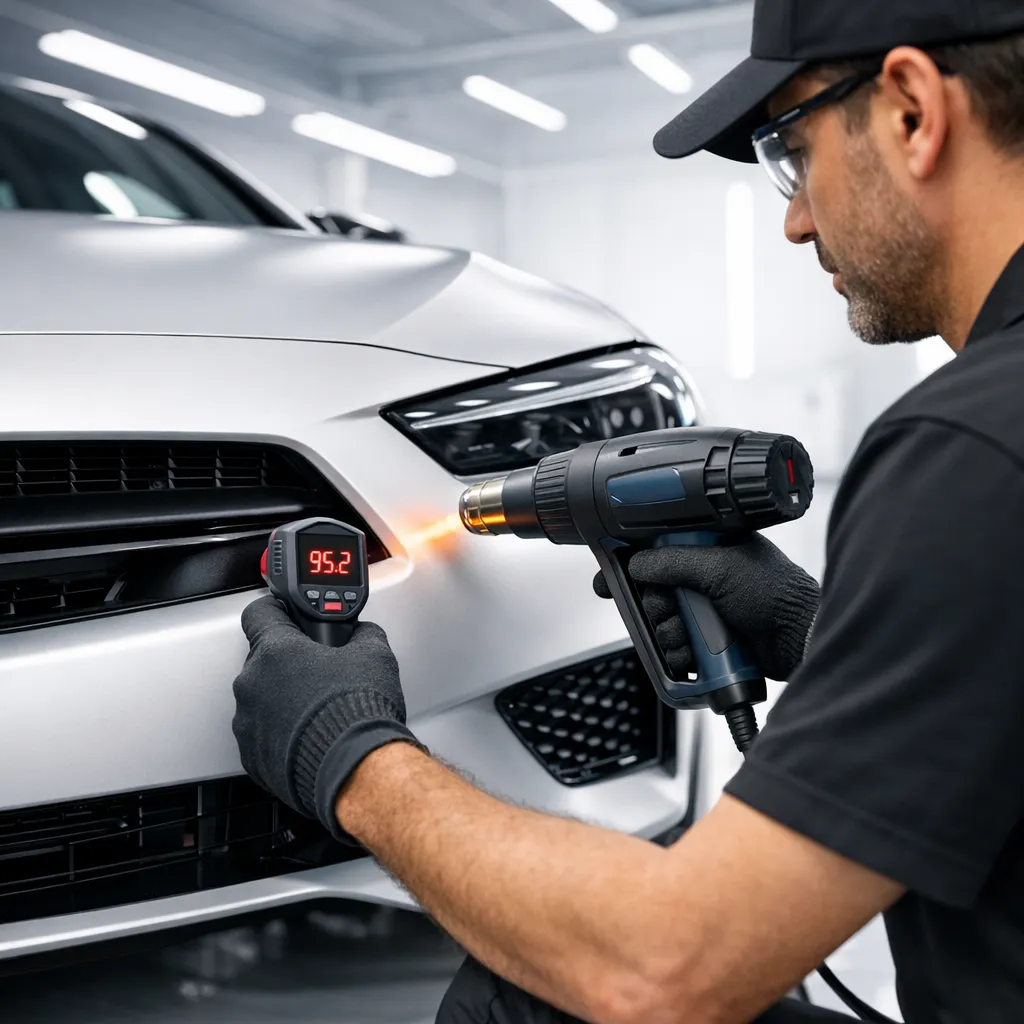
A vinyl wrap is an ultra-thin (~3.5 to 4.5 mil) cast PVC film applied over your vehicle’s factory panels to alter its appearance entirely.
Key Roles of a Vinyl Wrap
- Style: Complete color transformation (Satin, Matte, Gloss)
- Shield: Covers OEM clear coat against light UV & sap
- Resale: 100% reversible to preserve underlying paint
Think about it:
If you want your daily driver to look like brushed aluminum, satin military green, or Nardo grey without committing to a permanent $8,000 body shop repaint, a vinyl wrap is the exact solution you are looking for.
Want to see how vinyl stacks up against liquid paint jobs? Read our detailed guide on car wrap vs paint.
What Does Ceramic Coating Actually Do?
A ceramic coating is a liquid polymer containing Silicon Dioxide (SiO2) or Silicon Carbide (SiC) that chemically bonds with your vehicle's clear coat.
Key Roles of Ceramic Coating
- Defense: Ultra-hydrophobic surface repels water & mud
- Gloss: Fills microscopic paint pores for deep reflection
- Ease: Eliminates the need for traditional paste wax
Here is what you are actually paying for:
Ceramic coating does not change your vehicle's color, nor does it block flying rock chips. Instead, it creates a glass-like barrier that forces water, mud, and road grime to slide off effortlessly during routine washes.
Car Wrap vs Ceramic Coating: Cost Comparison
Let’s evaluate the numbers before you request shop estimates:
Professional Ceramic Coating
$800 – $2,500
Full Vehicle Vinyl Wrap
$2,000 – $5,000
Combined Wrap + Ceramic Top
$2,800 – $6,500
Ceramic Coating Costs ($800–$2,500): Price variations are driven by labor-intensive multi-stage paint correction (compounding and polishing out swirls) before applying the liquid coating.
Vinyl Wrap Costs ($2,000–$5,000): Pricing depends on panel surface acreage, disassembly complexity, and material roll grade.
Planning a budget for a larger build? Check out our breakdown of SUV wrap cost and truck wrap cost or explore complete vehicle wrap pricing.
Paint Protection: Wrap or Ceramic Coating?
Look at what each layer actually shields against:
| Threat Type | Best Defense Solution |
|---|---|
| UV Sun Fading & Oxidation | Ceramic Coating & Vinyl |
| Bird Droppings & Acid Rain | Ceramic Coating (Superior) |
| Light Scratches & Swirls | Vinyl Wrap (Physical Layer) |
| Heavy Highway Rock Chips | PPF (Neither Vinyl/Ceramic) |
The reality?
Vinyl provides a physical PVC layer that absorbs light surface scuffs. Ceramic coating provides zero physical thickness against rocks, but excels at neutralizing chemical etching from acidic bird droppings, bug splatter, and road salt.
If high-speed gravel defense is your primary goal, explore our analysis of vinyl wrap vs paint protection film.
Appearance & Customization: Which Gives You More Options?
Here is where the two diverge completely:
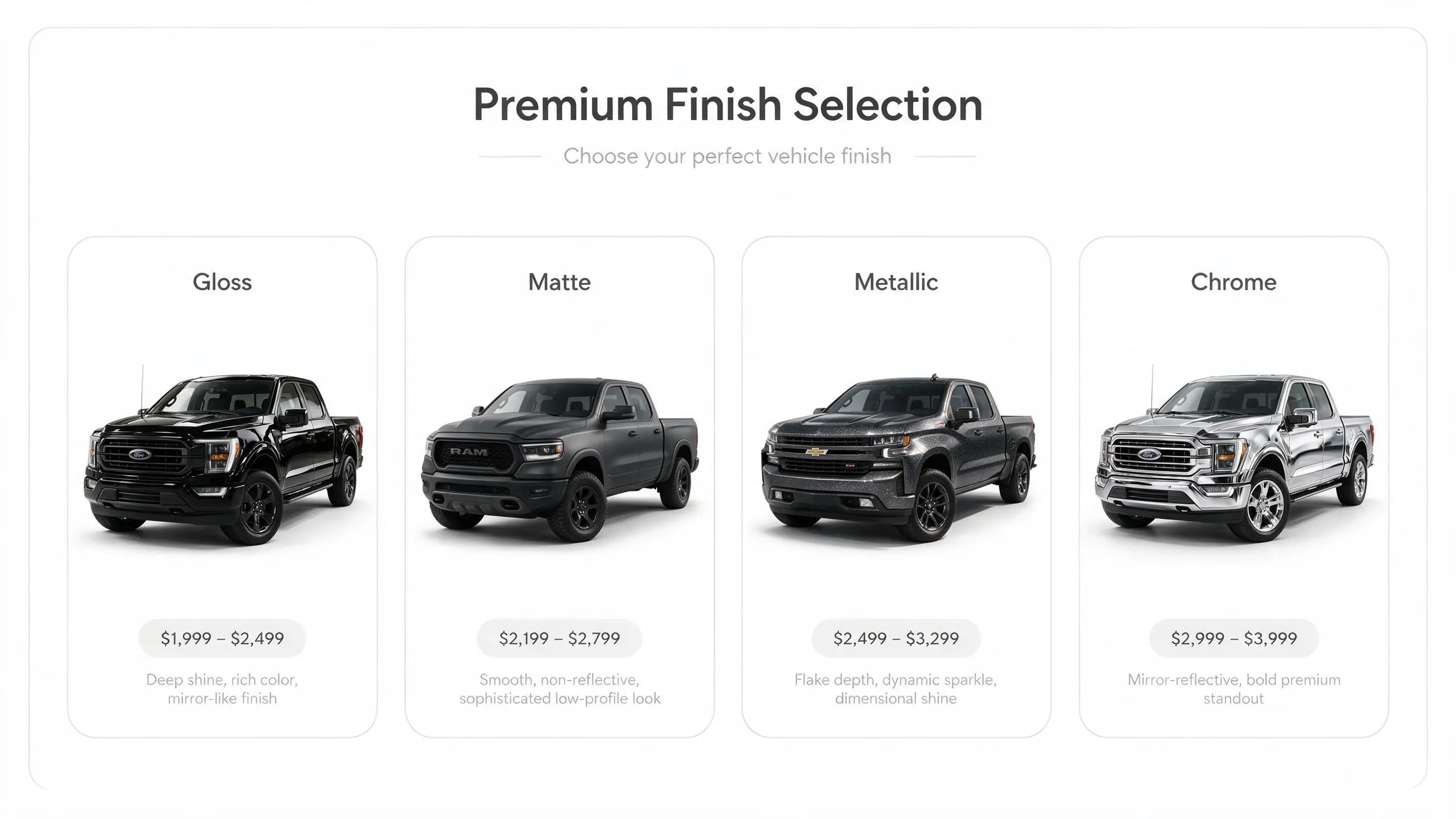
Vinyl Wrap Options: Total artistic freedom. Choose from hundreds of stocked finishes including matte, satin, high-gloss, color-shift chameleon, or custom printed textures. You can also mix accent zones—see how full and partial wraps differ.
Ceramic Coating Options: Enhances what you already have. It magnifies color depth and creates a permanent "wet look" mirror reflection on healthy factory paint.
Not sure which finish fits your car's body lines? Compare popular vinyl finishes before choosing.
Maintenance: Which Is Easier to Live With?
Want to spend less time washing your car on weekends?

Maintaining Vinyl Wrap
- Hand wash with pH soap
- Avoid automatic brushes
- Use wrap detailer spray
Maintaining Ceramic Coating
- Simple pressure wash rinse
- Hydrophobic self-cleaning
- Dirt slides off quickly
Ceramic coatings are the undisputed winner for low-maintenance living. Mud, dirt, and brake dust struggle to bond with the slick hydrophobic chemical lattice, reducing wash times by over 50%.
How Long Does Each One Last?
Both options deliver multi-year lifespans when maintained correctly:
Ceramic Coating Lifespan: Professional-grade coatings last 3 to 7 years depending on the layer count (SiO2 concentration) and garage storage.
Vinyl Wrap Lifespan: Quality cast vinyl lasts 5 to 7 years on vertical panels (doors/fenders) and 3 to 5 years on horizontal surfaces (hood/roof) facing direct sun. Read our full car wrap lifespan guide to extend your wrap's durability.
Can You Use Ceramic Coating on a Vinyl Wrap?
Yes—and it is the ultimate combination.
The Hybrid Solution: Wrap + Ceramic
- 1 Apply Vinyl Wrap: Delivers complete color change
- 2 Apply Vinyl Ceramic Topcoat: Adds hydrophobic slickness
- 3 Result: Custom aesthetic + stain protection + easy wash
Applying a specialized vinyl-safe ceramic coating over your wrap seals the porous vinyl film. This prevents road grime from staining matte finishes, prevents sun fading, and gives wrapped surfaces hydrophobic self-cleaning properties.
Choose a Vinyl Wrap if you:
- Want an immediate, custom color transformation (satin, matte, metallic).
- Need to protect pristine OEM paint to maximize future resale value.
- Own a leased vehicle and want to personalize it reversibly.
Choose a Ceramic Coating if you:
- Love your current factory paint color and want it to look glossy and brand-new.
- Hate washing your car and want dirt and rain to slide right off.
- Want long-term chemical stain protection without changing your car's appearance.
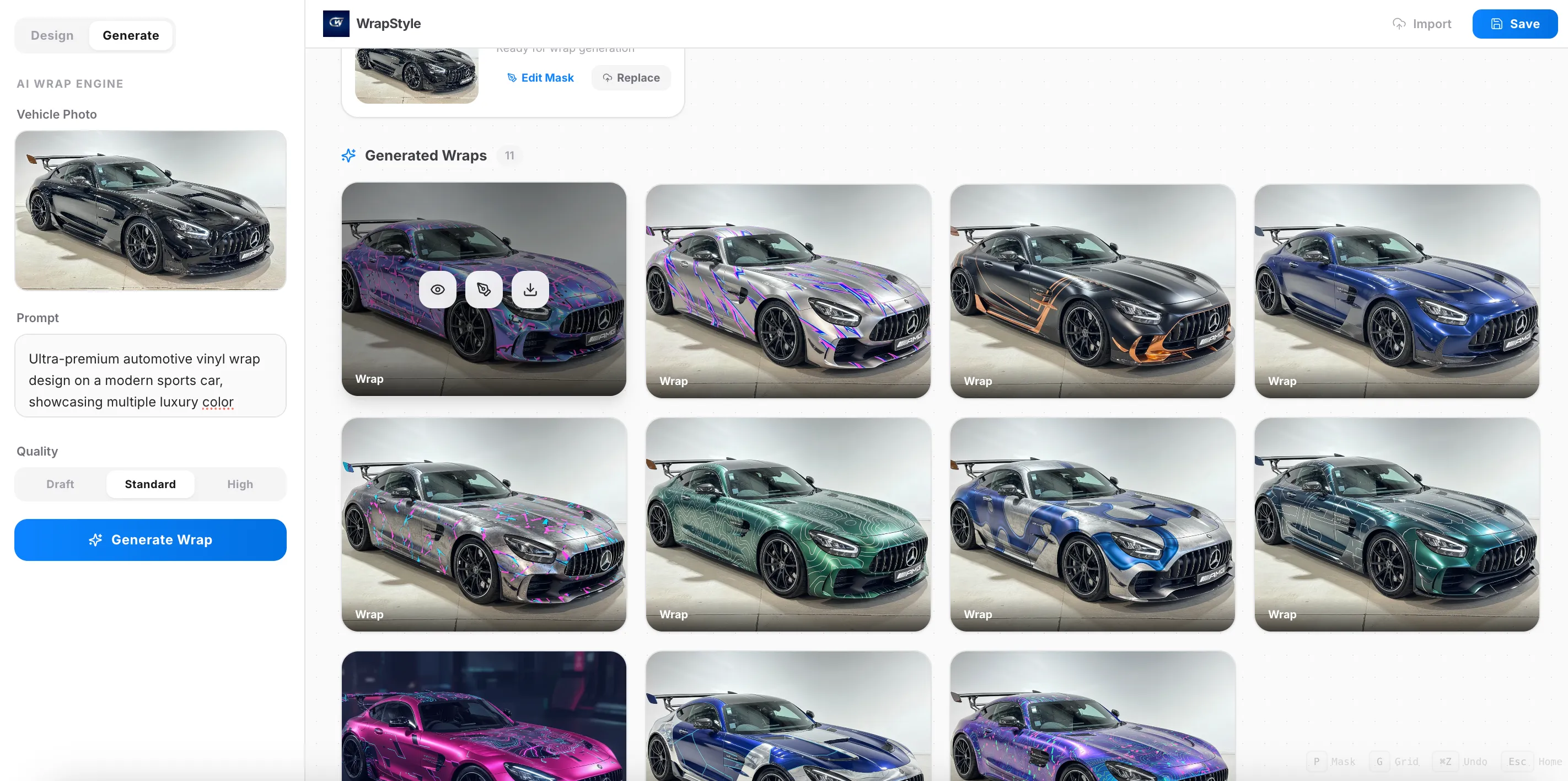
Preview Your Custom Transformation Live
Stop guessing how a satin wrap or glossy finish will look on your car.
Upload a Picture: Drop a photo of your vehicle into our visualizer tool.
Test Custom Colors: Toggle between gloss, satin, matte, and carbon fiber looks.
Get Started: Preview wrap colors on your own vehicle, then find experienced wrap professionals near you for transparent quotes.
Frequently Asked Questions: Car Wrap vs Ceramic Coating
What is the fundamental difference between a car wrap and a ceramic coating?
It comes down to transformation versus preservation. A car wrap is a physical vinyl film (~3.5 to 4.5 mils) that changes your vehicle's exterior color, finish, or texture. A ceramic coating is a clear liquid polymer containing silicon dioxide ($\text{SiO}_2$) that chemically bonds with your existing paint to enhance gloss and repel water, dirt, and chemical stains without altering the car's color.
Is a car wrap cheaper than a ceramic coating?
No, professional ceramic coatings are generally less expensive. A high-grade professional ceramic coating application costs between $800 and $2,500 (depending on how much paint correction polish is needed). A full vehicle vinyl wrap ranges from $2,000 to $5,000+ due to higher material costs and extensive manual labor required to disassemble trim and wrap every body panel.
Does a ceramic coating protect against rock chips and scratches?
No. Ceramic coatings form a microscopic nanometer-thin chemical layer over your clear coat. While it prevents fine wash swirl marks and oxidation, it offers zero physical impact protection against flying road gravel, stone chips, or sharp key scratches. For rock chip protection, you need Paint Protection Film (PPF) or a physical vinyl wrap.
Can you apply a ceramic coating over a vinyl wrap?
Yes! In fact, it is one of the best ways to extend the life of your wrap. Specialized vinyl ceramic coatings fill the micro-pores of the vinyl film, creating a hydrophobic surface that makes bug splatter and road grime easy to rinse off. It also provides extra UV protection to keep matte and satin wrap colors from fading under direct sun exposure.
Which option lasts longer?
Both offer similar multi-year durability when properly maintained. A professional ceramic coating typically lasts 3 to 7 years, depending on the quality of the formula and vehicle storage. A high-quality cast vinyl wrap lasts 5 to 7 years on vertical panels (doors/fenders) and 3 to 5 years on high-sun horizontal panels (hood/roof).
Will a vinyl wrap or ceramic coating damage my original paint?
Neither will damage healthy, factory-original paint. A vinyl wrap acts as a removable shield that protects your clear coat from sun oxidation and light scuffs. A ceramic coating hardens over your clear coat to protect it from acidic bird droppings, tree sap, and hard water spots. (Note: If your vehicle has cheap aftermarket repaints or flaking clear coat, removing a vinyl wrap later may lift loose paint).
How do I wash a wrapped car versus a ceramic-coated car?
- Ceramic Coated Cars: Extremely easy to wash. You can use a standard pressure washer and a simple hand wash; road grime slides off easily due to the super-slick hydrophobic coating.
- Vinyl Wrapped Cars: Require slightly more care. Hand wash using a pH-neutral shampoo and avoid high-pressure nozzles near seam edges to prevent lifting. Never use automated brush car washes on either setup.
Can a ceramic coating restore faded or damaged paint?
No. Ceramic coating acts like a magnifying glass—it highlights whatever surface condition lies beneath it. If your paint has scratches, swirl marks, or oxidation, those defects must be removed through professional paint correction (compounding and polishing) before the coating is applied. Otherwise, the coating will permanently seal those defects underneath.
Which option is better if I am leasing a vehicle?
A vinyl wrap is usually the ideal choice for leased vehicles. It allows you to temporarily customize the car's color to your exact liking while shielding the underlying factory paint. When your lease contract ends, the wrap can be peeled off to reveal pristine factory paint, avoiding end-of-lease repair charges for light surface scuffs.
Does a ceramic coating eliminate the need to wax your car?
Yes, completely. Once a professional ceramic coating cures on your clear coat, traditional paste waxes, sealants, and polishers become obsolete. Waxing over a ceramic coating actually degrades its slick hydrophobic performance by clogging the chemical lattice with soft oils.
How do these options affect my car's resale value?
Both protect your vehicle's resale value by keeping the underlying original factory paint in showroom condition. A ceramic coating appeals to buyers who want a spotless, easy-to-clean OEM finish, while a vinyl wrap preserves the factory paint beneath so you can reveal perfect clear coat when it comes time to sell.