
Yes, you can wrap a car in winter, but the installation must take place in a climate-controlled indoor shop with ambient temperatures between 60°F and 80°F (15°C to 27°C). Vinyl wrap films rely on acrylic pressure-sensitive adhesives that become stiff, brittle, and non-tacky when exposed to freezing temperatures. Attempting an outdoor winter installation or wrapping in an unheated garage guarantees premature edge lifting, adhesive failure, and severe material tear risks.Understanding how cold weather impacts vinyl elasticity, surface preparation, and adhesive curing will help you make smart decisions when scheduling a winter wrap project.

What Temperature Is Too Cold for a Car Wrap?
Installing vinyl wrap in environments below 60°F (15°C) is dangerous for the film's structural integrity.Ideal Working Window: 60°F to 80°F (15°C to 27°C)Minimum Threshold: 50°F (10°C) (Absolute lowest limit for specialty cast films)Too Cold: Below 50°F (10°C)When surface or room temperatures dip below 50°F, the PVC polymers inside the film lock up. The vinyl loses its elasticity, making it nearly impossible to stretch around compound curves or feed into panel recesses without snapping or tearing.
Why Cold Weather Makes Vinyl Wrap Installation Harder
Cold weather alters the physical behavior of both the vehicle's paint surface and the vinyl wrap material.Here is why cold working environments create installation challenges:Reduced Material Flexibility: PVC becomes rigid in cold air. Instead of conforming smoothly under squeegee pressure, the film resists stretch and develops sharp stress glass-cracks.Moisture Condensation: Moving a cold car into a warm room creates microscopic condensation on clear coats. Wrapping over moisture prevents the adhesive from contacting the paint, causing immediate why does vinyl wrap lose adhesion.Slower Squeegee Response: Cold vinyl does not self-heal minor installation scuffs under friction, increasing the risk of surface scratches.

Can Vinyl Wrap Adhesive Stick in Cold Weather?
Pressure-sensitive adhesives (PSA) require warmth to achieve initial tack.When cold, the microscopic adhesive beads on the back of the film freeze into a hard, non-tacky state. Instead of flowing into the microscopic pores of your car's clear coat to form a mechanical bond, the glue simply sits on top of the paint surface.
Sub-60°F Temperatures ➔ Hardened Adhesive Matrix ➔ Zero Initial Tack ➔ Immediate Perimeter Edge Lifting
Even if the film appears to stick initially in a chilly room, it will easily lift away as soon as the car experiences thermal contraction outdoors.
Can You Wrap a Car Outside in Winter?
No. You should never attempt an outdoor vinyl wrap installation in winter.Outdoor conditions present unmanageable installation risks:Uncontrolled Air Thermal Shifts: Gusts of cold wind cool down heated vinyl panels in seconds, ruining post-heating attempts.Airborne Contaminants: Winter roads carry salt dust, soot, and moisture that settle on open adhesive backings.Direct Freeze Hazards: Trapped water droplets freeze instantly behind the film, creating expansion air pockets that trigger vinyl wrap bubbling.A successful winter wrap installation must take place inside an enclosed, heated bay free of draft currents.
Why a Warm Installation Space Matters
Professional wrap shops invest heavily in climate control because room temperature dictates final bond strength.A warm installation space ensures:Optimal Paint Acclimation: The vehicle body panel reaches the same temperature as the film, eliminating surface moisture condensation.Relaxed PVC State: Warm vinyl stretches predictably up to its safe 10% to 15% elasticity limit without tearing.Proper Post-Heating Execution: Installers can heat high-stress seams and edges to 180°F–200°F (82°C–93°C) to break the film's spatial memory without the ambient room rapidly sucking out panel heat.

How to Prepare a Car for a Winter Wrap
Preparing a vehicle during winter requires extra steps to remove heavy road salt and chemical de-icers.
| Preparation Step | Winter Focus | Why It Matters |
|---|---|---|
| Undercarriage & Wheel Bay Wash | Remove road salt slurry | Prevents salt dust from blowing onto exposed adhesive |
| Indoor Acclimation Period | Park inside heated shop 12–24 hours prior | Brings metal body panels up to 65°F+ and dries hidden seams |
| Chemical Decontamination | Wipe with Isopropyl Alcohol (IPA) | Removes oily road film and liquid de-icers |
Skipping the indoor acclimation step is a primary reason winter installs suffer from wrap edges lifting.
How Long Should a New Wrap Stay Warm After Installation?
After the last panel is wrapped, the vehicle needs time for the adhesive bond to cure before facing freezing temperatures outdoors.A newly wrapped car should remain parked inside a heated bay (65°F–75°F / 18°C–24°C) for at least 12 to 24 hours post-installation. This indoor curing window allows the pressure-sensitive adhesive to flow completely across the clear coat and form its permanent bond before thermal contraction stress occurs.
Can You Drive a Newly Wrapped Car in Cold Weather?
Once the 12 to 24-hour indoor curing period is complete, yes, you can safely drive your wrapped car in cold weather.High-grade Cast vinyl wraps are engineered to withstand extreme winter driving conditions, including snow, freezing rain, and sub-zero temperatures.
Winter Driving Precautions
Avoid Rigid Ice Scrapers: Never scrape ice off wrapped body panels with hard plastic tools.Rinse Off Road Salt: Hand-wash your vehicle regularly using warm water and pH-neutral car shampoo to prevent road salt from drying out the vinyl.Keep Safe Distance with Pressure Washers: Maintain at least 12 to 18 inches of clearance from panel seams when rinsing off winter sludge.

What Happens If Vinyl Wrap Is Installed Too Cold?
Installing vinyl wrap in cold conditions leads to immediate installation failures:Brittle Fracture: The film snaps or tears across door handles, mirrors, and bumper corners during application.Severe Edge Curling: The adhesive fails to grab, causing perimeter borders to pull back and shrink toward panel centers, accelerating what causes vinyl wrap to shrink.Adhesive Separation: The glue releases from the PVC backing and sticks to the paint, leading to permanent structural failure and vinyl wrap cracking.
Is Winter a Bad Time to Get a Car Wrapped?
Winter is actually an excellent time to get your vehicle wrapped, provided you choose a certified shop with proper climate control.
Benefits of Winter Wrapping
Shop Availability: Wrap shops often have shorter wait times during winter compared to peak spring and summer rushes.Spring-Ready Finish: Your vehicle enters the spring and summer season fully protected with a fresh look.Paint Shielding: The vinyl layer acts as a sacrificial barrier, protecting your original factory clear coat from winter road salt, gravel spray, and brine solutions.
Want to See Your Car With a New Wrap Before Winter Installation?
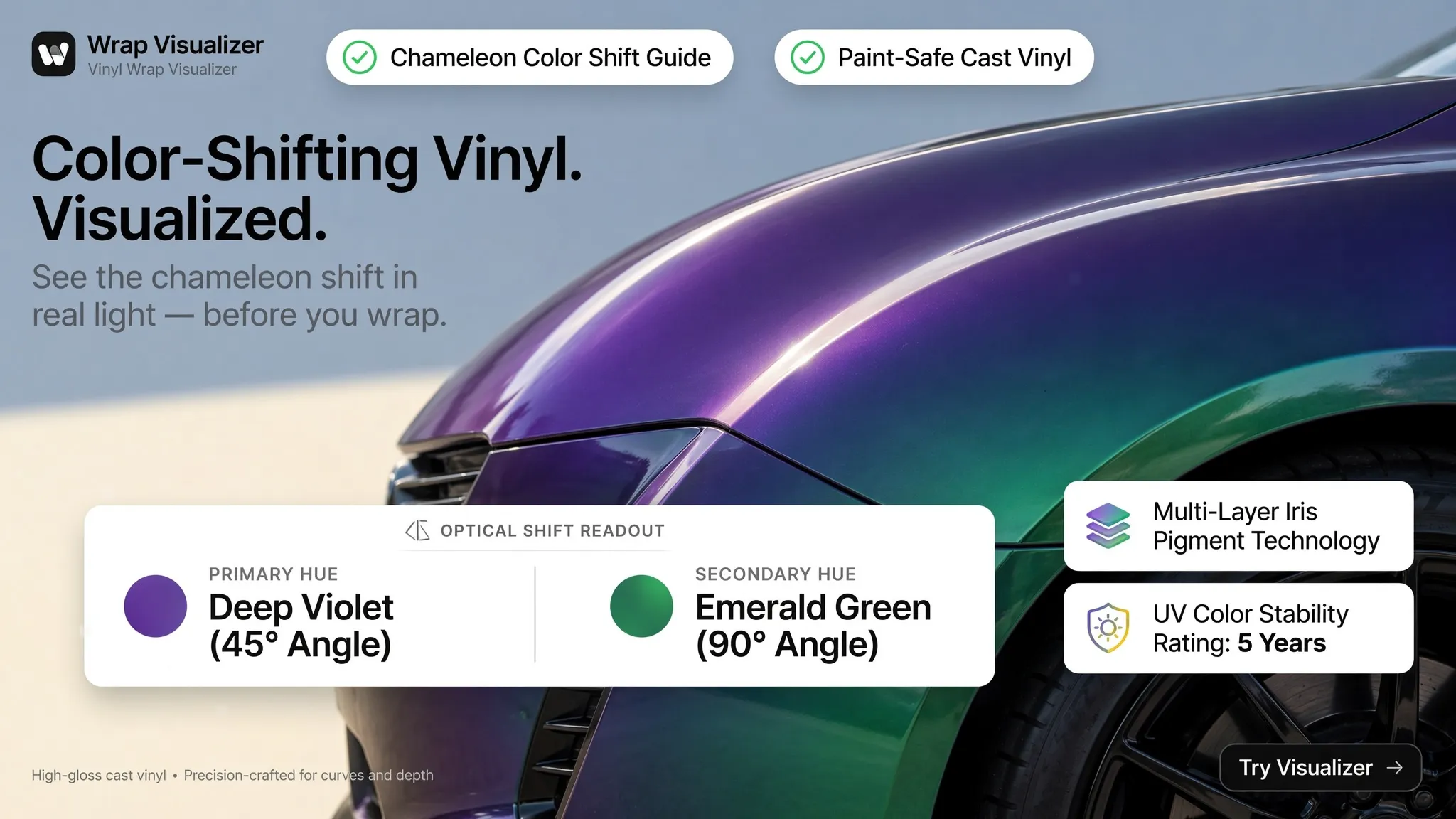
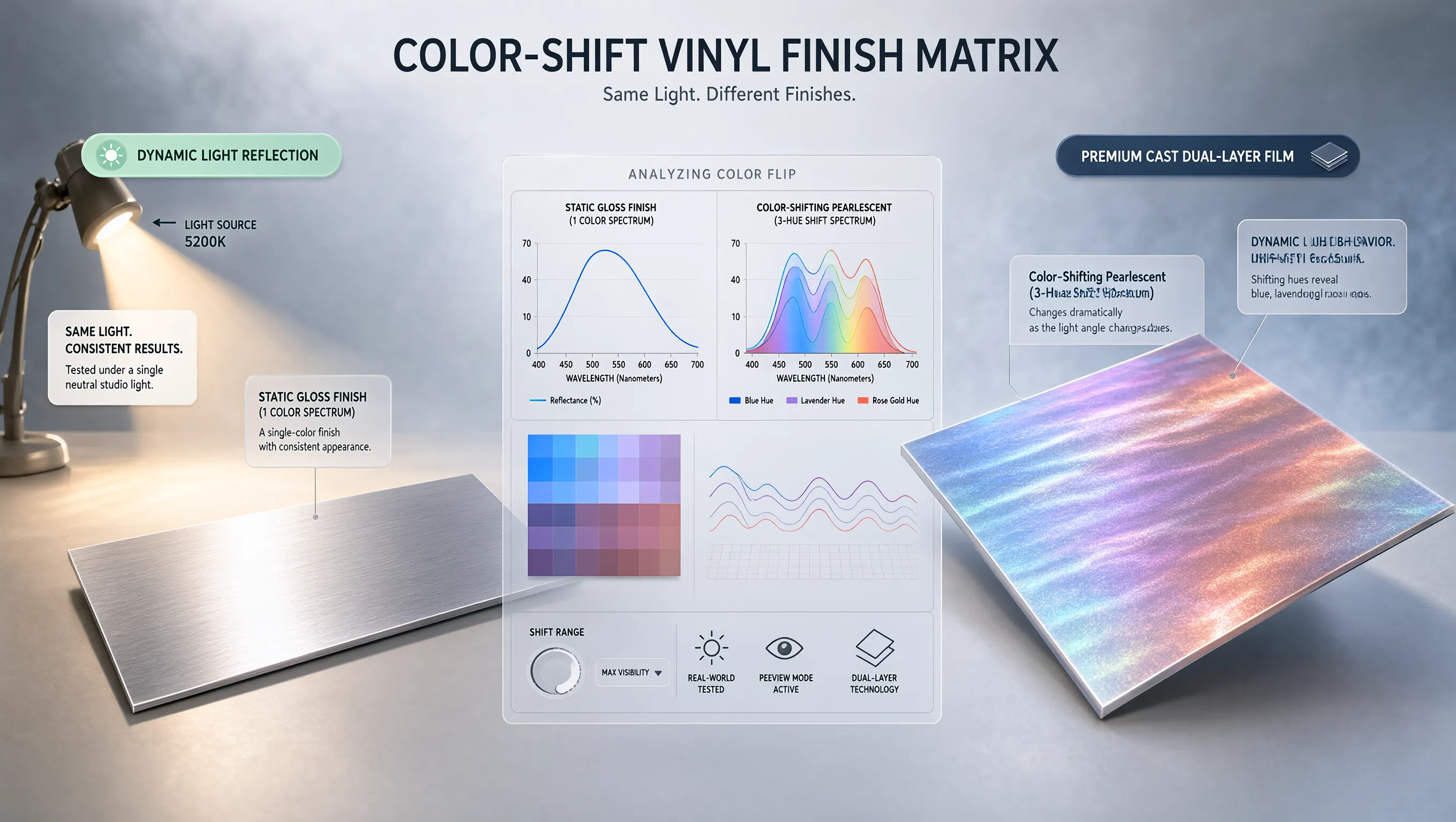
Before booking your winter wrap appointment or buying roll stock, take the guesswork out of your color and finish selection.Visit car wrap visualizer to preview gloss finishes, satin textures, matte wraps, and color-shifting styles directly on high-resolution 3D models of your exact vehicle make and model. Testing your design visually ensures you select a stunning style built to shine in any season.Frequently Asked Questions: Can You Wrap a Car in Winter?

Frequently Asked Questions: Can You Wrap a Car in Winter?
Can you wrap a car in winter?
Yes, you can wrap a car in winter, but the installation must take place inside a climate-controlled indoor shop with ambient temperatures maintained between 60°F and 80°F (15°C to 27°C). Vinyl wrap films rely on acrylic pressure-sensitive adhesives that become stiff, brittle, and non-tacky when exposed to freezing conditions. Wrapping in an unheated garage or cold environment leads to immediate adhesion failure and edge lifting.
What temperature is too cold to install a car wrap?
Any ambient or surface temperature below 60°F (15°C) is considered too cold for a standard vinyl wrap installation, with 50°F (10°C) being the absolute lowest limit for specialty cast films. Below these thresholds, the PVC polymers inside the film lock up, causing the material to lose its elasticity and snap or tear when stretched over panel curves.
Why does cold weather make vinyl wrap adhesive lose tack?
Pressure-sensitive adhesives (PSA) require heat and pressure to form a initial mechanical bond with a car's clear coat. Cold weather hardens the microscopic adhesive beads on the backing of the vinyl, preventing them from flowing into the clear coat pores. This loss of tack causes the glue to sit flatly on the surface, leading directly to why does vinyl wrap lose adhesion.
Can you wrap a car outside in winter?
No, you should never attempt an outdoor vinyl wrap installation in winter. Outdoor winter installation exposes the material to sudden gusts of freezing air, airborne road salt dust, and direct condensation hazards. Moisture trapped under the vinyl freezes, expanding into ice pockets that trigger severe why is my car wrap bubbling.
Why is a heated installation bay necessary for winter car wrapping?
A heated bay ensures that both the vehicle body panels and the vinyl film reach a uniform temperature above 65°F (18°C) before application starts. This uniform warmth prevents surface condensation on clear coats, allows the PVC film to stretch predictably up to its safe 10% to 15% limit, and lets installers post-heat high-stress seams to 180°F–200°F (82°C–93°C) to set memory without sudden panel cooling.
How long must a newly wrapped car stay indoors after a winter installation?
A newly wrapped car must remain parked inside a heated shop (65°F–75°F / 18°C–24°C) for at least 12 to 24 hours post-installation. This post-install curing window allows the pressure-sensitive adhesive matrix to flow completely across the paint surface and establish its permanent bond before being subjected to sub-zero outdoor temperatures.
How should you prepare a vehicle for a winter wrap installation?
Preparing a car in winter requires extra steps to remove heavy road salt slurry and liquid de-icers:Undercarriage & Wheel Well Wash: Flush away road salt and chemical de-icers before the vehicle enters the shop.12 to 24-Hour Acclimation: Park the car inside the heated installation bay overnight so body panels warm up to 65°F+ and hidden water in seams dries completely.Chemical Decontamination: Wipe down all panels with Isopropyl Alcohol (IPA) to eliminate invisible road oil residues.
Can you safely drive a newly wrapped car in cold weather and snow?
Once the initial 12 to 24-hour indoor curing period is complete, yes, you can safely drive your wrapped vehicle in cold weather. High-grade cast vinyl films are engineered to endure harsh winter environments, including freezing rain and sub-zero temperatures, provided you follow proper winter maintenance habits.
What happens if a car wrap is applied in conditions that are too cold?
Installing vinyl wrap under cold conditions causes immediate installation defects:Brittle Tear Fractures: The film snaps along sharp contours, door handles, and bumper recesses during stretch application.Immediate Edge Recoil: Uncured perimeter borders lift and pull back toward panel centers, accelerating what causes vinyl wrap to shrink.Adhesive Separation: The glue releases from the PVC backing and sticks to the paint, causing permanent film cracking and failure.
How do you care for and wash a wrapped car during winter?
To keep a vinyl wrap safe during winter driving:Never Use Hard Plastic Ice Scrapers: Clear snow with a soft-bristle snow broom or microfiber towel; never scrape ice directly off wrapped panels.Rinse Away Road Salt Regularly: Hand-wash your vehicle using warm water and pH-neutral car shampoo to prevent road brine from drying out the vinyl.Maintain Pressure Washer Distance: Keep spray nozzles at least 12 to 18 inches away from panel seams to avoid lifting edges with freezing high-pressure spray.
Is winter actually a good time to get a car wrapped?
Yes, winter is an excellent time to wrap a vehicle if you choose a professional shop with a climate-controlled bay. Wrap shops often have shorter wait times during winter compared to peak spring/summer rushes, and the vinyl acts as a sacrificial shield, protecting your underlying factory paint from aggressive winter road salt, sand, and gravel spray.
How can I preview a new wrap design before booking a winter installation?
Before committing to roll stock or booking a winter shop appointment, take the guesswork out of your finish choice. Visit car wrap visualizer to preview gloss, satin, matte, and color-shifting vinyl wraps directly on high-resolution 3D models of your exact vehicle make and model.