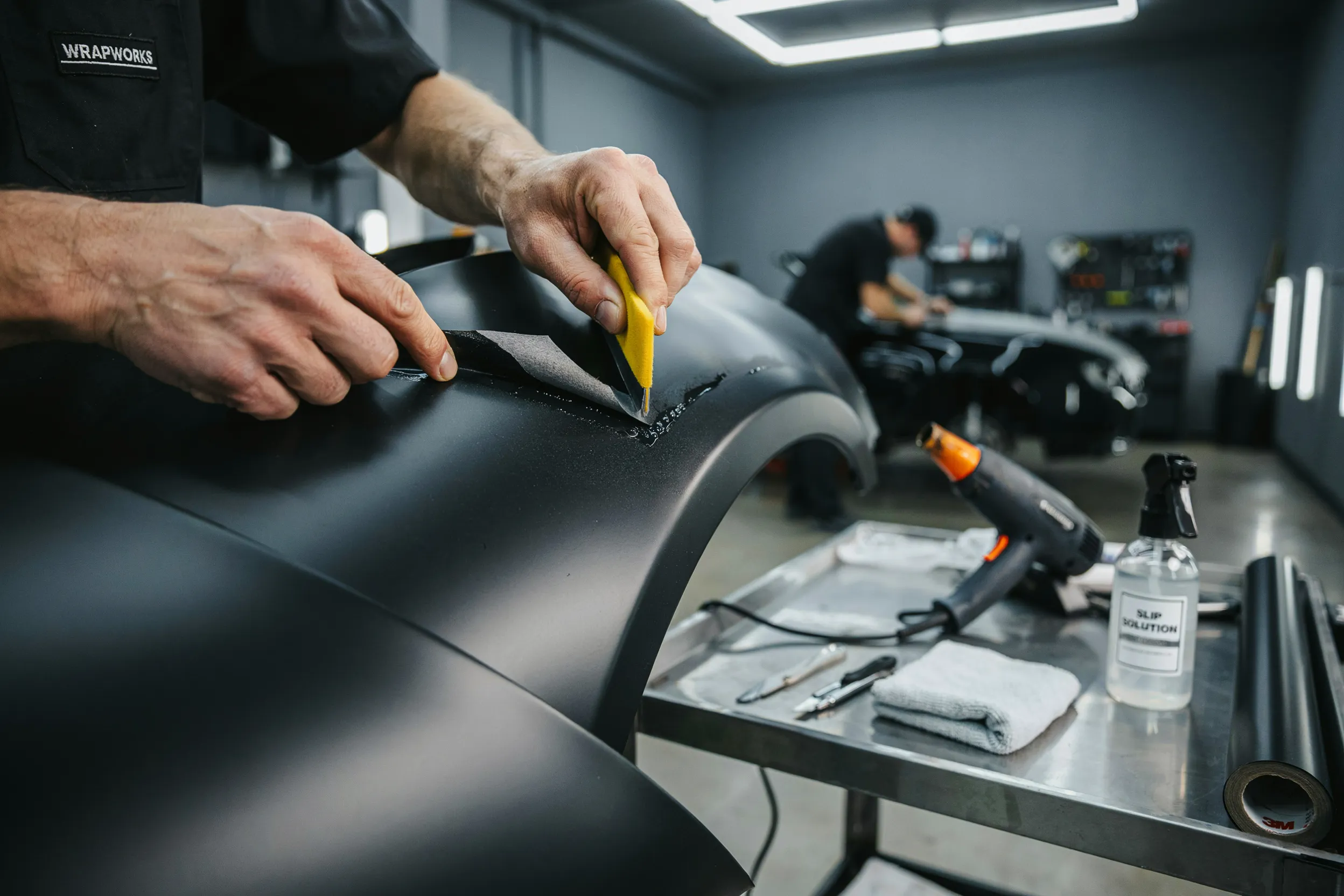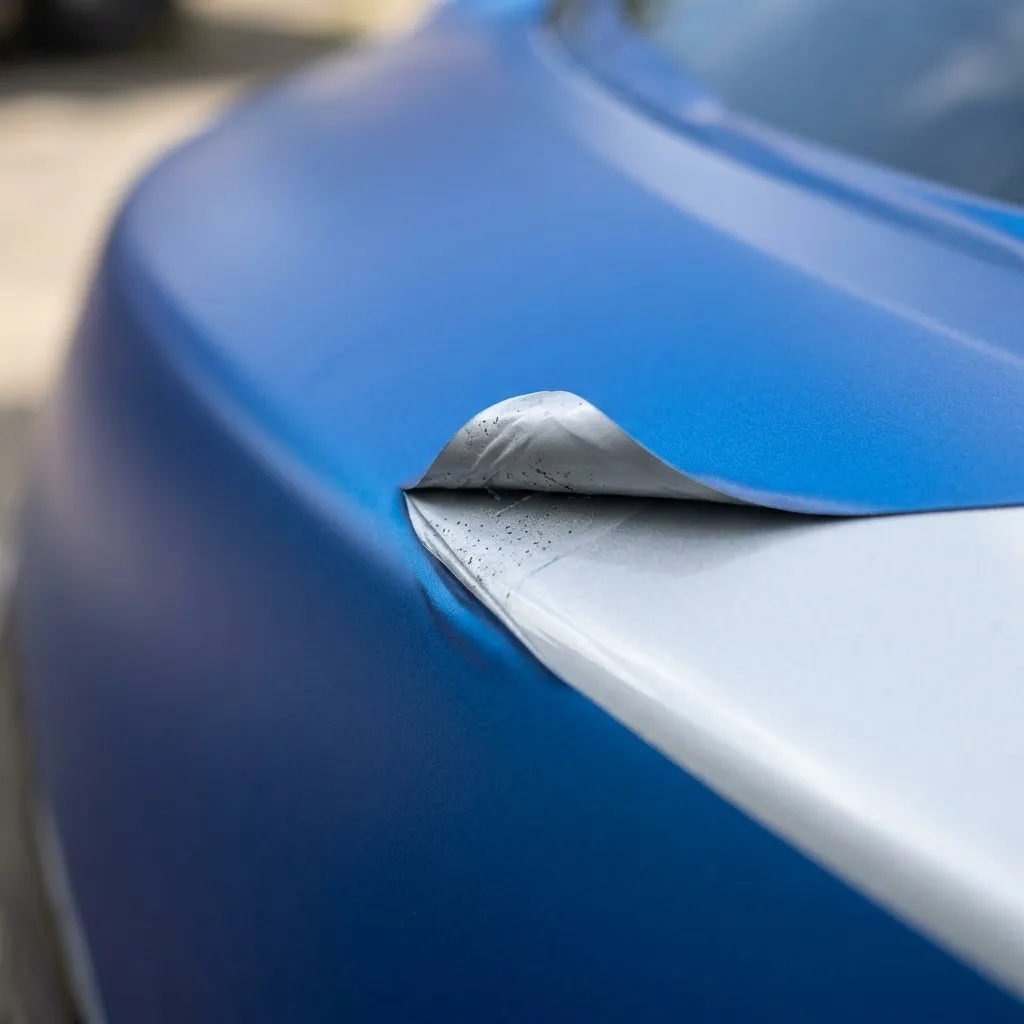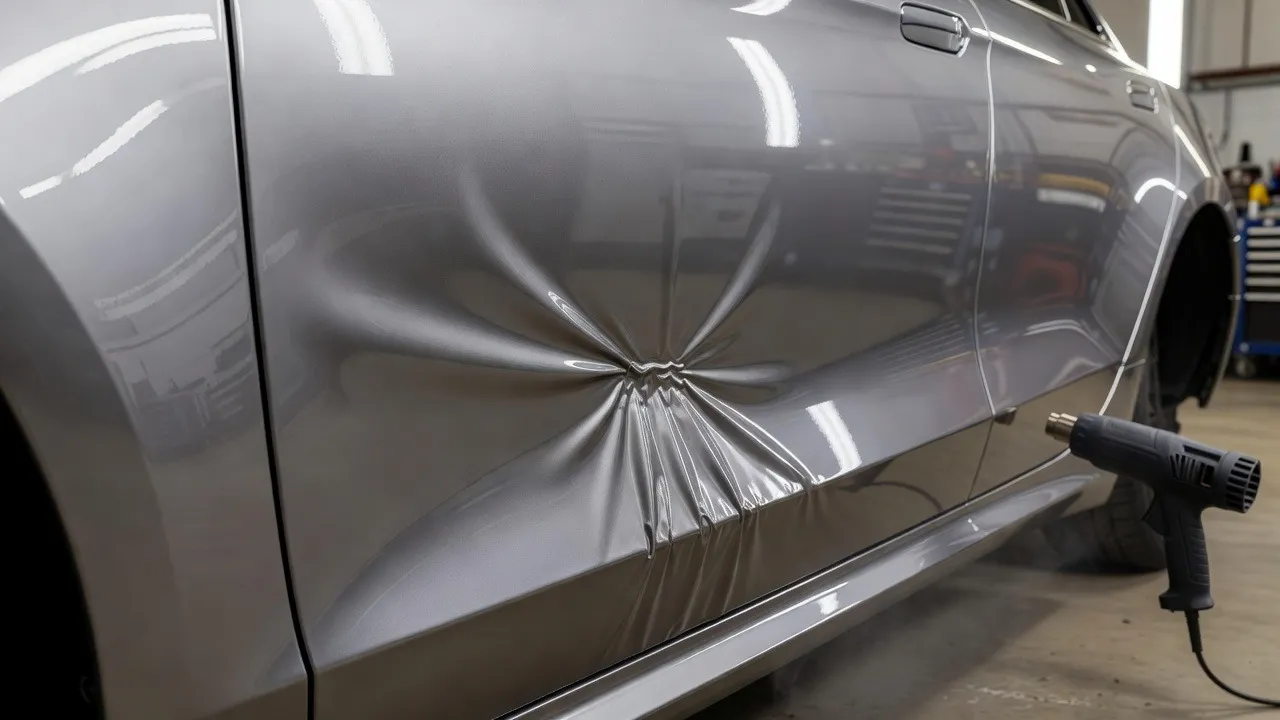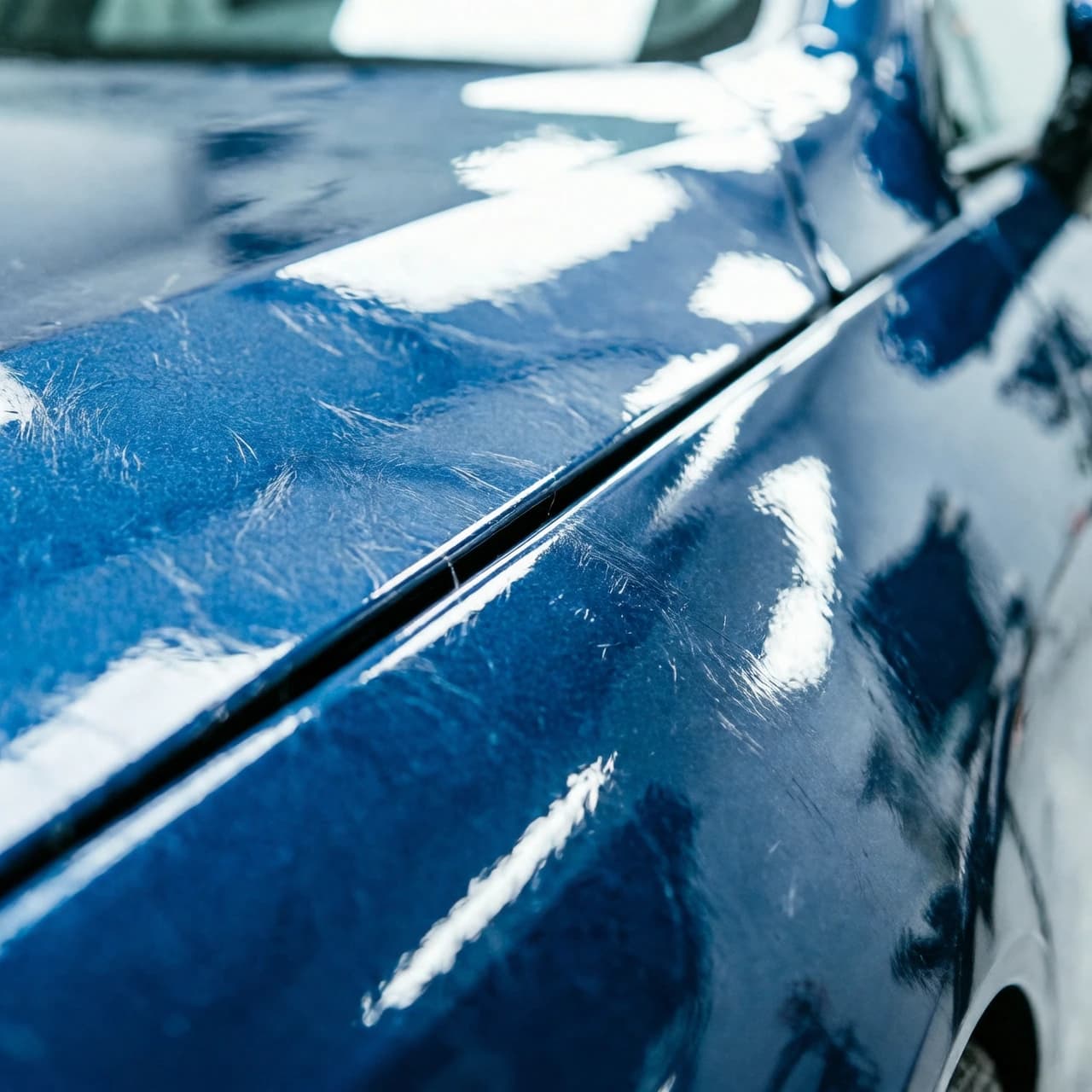
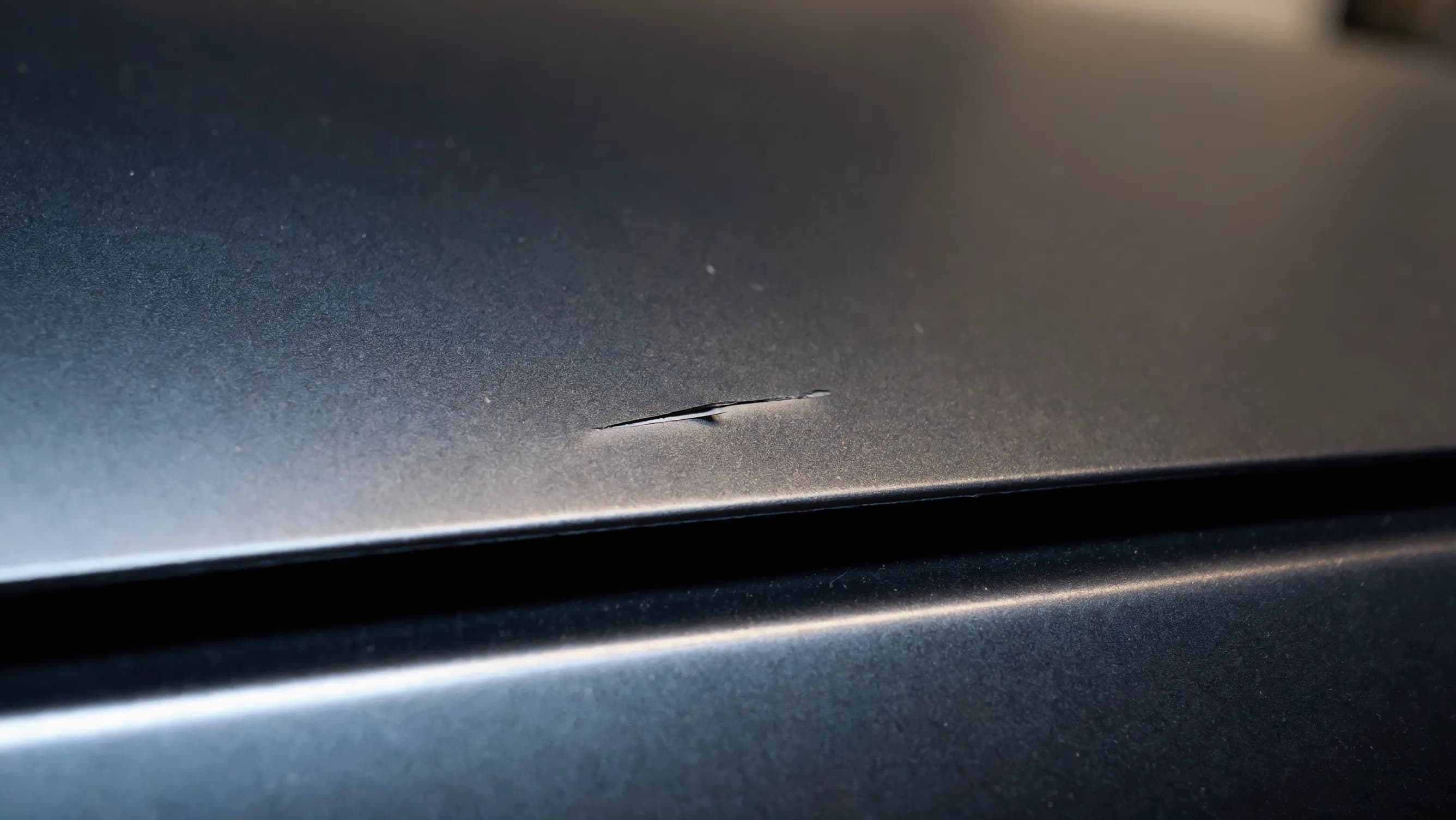

You spot a fresh, clean slice on your vehicle's fender. A flying rock on the highway or a stray zipper line just cut through your film. Your mind instantly races: "Can I repair this tiny cut myself, or do I have to tear down the entire panel?"Here is the quick truth: Yes, you can repair a small cut in a vinyl wrap without replacing the entire section. If the cut is short, flat, and the factory clear coat underneath remains intact, you can stabilize the perimeter, seal the gap, or lay a seamless micro-patch right in your driveway.Let's dive into diagnosing the cut, gathering the exact tools you need, and executing a repair that keeps your finish looking razor-sharp.

Can a Small Cut in Vinyl Wrap Be Repaired?
Before you grab a heat gun or cut into a scrap piece of film, you must determine whether the damage is actually candidate for a DIY fix. Not all cuts behave the same way under tension.
| Damage Category | Physical Characteristics | Recommended Action |
|---|---|---|
| Tiny Surface Hairline | Under 0.5 inches; edges sit completely flush against paint | Stabilize edges or apply a micro-patch |
| Cut Through Vinyl | Clean slice through film; bare paint visible beneath | Clean, seal perimeter, and lay a rounded patch |
| Cut with Lifted Edges | Cut edges curling upward; dirt collecting along the gap | Decontaminate underside, heat, re-tack, or trim back |
| Gouged or Stretched Cut | Jagged, wide gap with torn, thinned vinyl edges | Panel removal and re-wrap required |
If your damage falls into the first three categories, you can fix it quickly before air and rain turn a minor slice into widespread panel failure.
What You Need to Repair a Small Vinyl Wrap Cut
You don't need a professional installer's full toolbox to seal a minor cut. Keep your setup minimal, precise, and targeted:50/50 Isopropyl Alcohol (IPA) & Water Mix: Strips away wax, grease, and road grime without weakening surrounding vinyl adhesive.Precision 30-Degree Utility Knife: Crucial for slicing clean, rounded patch shapes.Matching Scrap Vinyl Material: Leftover film from your initial installation for seamless color matching.Felt-Edge Squeegee: Smooths down patches without scratching the delicate clear coat.Heat Gun or Dual-Temp Hair Dryer: Softens film for post-heating and locks the patch in place.Air-Release Tool or Fine Sewing Needle: Vents any tiny micro-bubbles trapped beneath the patch.

Clean the Area Before Repairing the Cut
Here is a common mistake that ruins DIY fixes: attempting to patch over road grime. Applying a patch over dirty film guarantees the fresh adhesive will stick to dust particles instead of your vehicle, causing the patch to fly off on the highway within days.
Road Oil & Dust ➔ Weak Adhesive Bond ➔ Moisture Intrusion ➔ Patch Failure & Edge Separation
The Prep Process:Spray your 50/50 IPA and water solution directly over the cut and at least 2 inches around the perimeter.Wipe gently with a clean, lint-free microfiber cloth to remove embedded traffic film, waxes, or detail sprays.Use a cotton swab dipped in IPA to clean inside the cut itself, ensuring no grease remains on the exposed paint surface.Allow the surface to flash dry completely before applying any replacement material.
How to Fix a Small Cut Without Making It Bigger
When working around damaged vinyl, restraint is everything. Pulling aggressively on the film or overheating the surrounding cut will cause the material to recoil, turning a tight hairline slice into a gaping, oval hole.Don't Stretch the Cut: Avoid pulling the film sideways to force the cut edges back together. PVC film has memory—stretching it under heat will create high tension zones that split open later.Trim Loose Tags: If the cut created a tiny, frayed flap of vinyl that refuses to lay flat, do not attempt to glue it down. Use your 30-degree precision blade to carefully trim away only the loose tag, leaving a smooth, flat foundation for your patch.
How to Patch a Small Cut in Vinyl Wrap
Patching is the single most reliable way to restore a cut spot while keeping water from getting underneath.Follow this sequence for an invisible, durable patch:1.Cut a Rounded Patch:Essential step to avoid catching microfiber towels.Take a scrap piece of matching vinyl and cut a patch that extends 0.25 to 0.5 inches beyond the cut on all sizes. Crucial Rule: Always cut the patch into an oval or circle with rounded corners. Square 90-degree corners create drag points that peel up during car washes.2.Position and Align the Patch:Align graphics and grain direction.Peel the backing paper off your patch. Align the pattern or metallic grain direction with your vehicle's panel, then center it directly over the cleaned cut.3.Squeegee and Smooth Down:Work from the center outward.Press the center of the patch down first using your thumb. Take your felt-edge squeegee and sweep outward in smooth strokes to push trapped air toward the perimeter.4.Post-Heat the Perimeter:Break material memory for a permanent seal.Pass your heat gun over the patch until the vinyl reaches 180°F–200°F (82°C–93°C). This activates the pressure-sensitive adhesive and seals the edges against water intrusion.

Can You Use Vinyl Wrap Repair Tape or Adhesive?
You might wonder if you can simply slap clear tape or household superglue over a cut.Household Tape & Superglue (Avoid Completely): Standard superglues contain harsh cyanoacrylate solvents that chemically melt PVC film and permanently etch your vehicle's underlying clear coat. Standard scotch or duct tape breaks down rapidly under UV rays, leaving yellow, gummy residue.Dedicated Vinyl Edge Sealants (Recommended): If you are sealing a cut along a tucked seam, use a specialized liquid vinyl edge sealer. Applied with a micro-brush, it forms a clear, flexible barrier that locks the cut edges to the paint without damaging the finish.
What If the Cut Is Lifting or Peeling?
If a cut goes unnoticed for a few days, wind and highway air will start forcing their way beneath the opening. What starts as a simple cut quickly escalates into a peeling nightmare.Once an edge lifts, road dust coats the sticky backing underneath, rendering the factory adhesive dead. If you simply press a dirty, lifted cut back down, it will pop back up within hours.
Lifted Cut Edge ➔ Highway Air Pressure ➔ Dust Accumulation ➔ Dead Adhesive ➔ Widespread Seam Peeling
How to handle a lifted cut:Carefully lift the edge just far enough to inspect the underside.Clean out trapped dust using your IPA swab.If the vinyl lays flat and holds tack, heat it gently and squeegee it down.If the adhesive is dead, trim the lifted section away cleanly with a 30-degree blade and apply a rounded patch over the prepped surface.
When a Small Vinyl Wrap Cut Needs Professional Repair
While DIY patches work wonders on flat panels, certain situations call for an installer's intervention.Save yourself time and money by taking your car to a professional wrap shop if:The cut spans across complex contours, deep body lines, or tight door jamb recesses.The blade or debris cut through the vinyl and deeply gouged the vehicle's factory paint.The vinyl around the cut is heavily stretched, discolored, or showing white stress marks.The cut is longer than 2 inches on a high-visibility surface like the middle of the hood.
Can You Hide a Repaired Cut in Vinyl Wrap?
How visible will your patch or repaired cut actually be? That depends entirely on your wrap's color, finish, and placement.Gloss & Metallic Finishes: Patches blend seamlessly on gloss and metallic wraps because light reflects off the surface, obscuring tiny seam lines—especially if you align the metallic flake direction.Matte & Satin Finishes: Require extreme precision. Matte materials do not reflect light, meaning double-layered overlap lines stand out more easily under direct sunlight. Keep patch overlaps as small as possible (around 0.25 inches).Location Matters: Cuts near lower rock guards, bumper undersides, or fender creases are virtually invisible once patched. Cuts dead-center on a flat hood are harder to hide completely.
How to Prevent Small Cuts From Getting Worse
Once your cut is repaired, proper maintenance keeps the patch secure and prevents new damage from occurring:Avoid High-Pressure Washing Near the Fix: Keep pressure washer nozzles at least 12 to 18 inches away from patched areas, spraying at a 90-degree angle rather than blasting directly at the patch edge.Hand Wash with Care: Use plush microfiber mitts and pure, pH-neutral wrap shampoos. Never drag aggressive clay bars or abrasive polishes over patched vinyl.Inspect Edges Bi-Weekly: Check the perimeter of your patch during routine washes. Catching a lifting edge early allows you to re-tack it with heat before dirt ruins the glue.
Thinking About a New Wrap? See It on Your Car First
If your wrap has multiple cuts, severe stone chipping, or widespread sun fading, patching individual spots may no longer be worth the effort.Instead of guessing how a new color, finish, or custom layout will look on your car, test it visually first. Upload a photo of your vehicle to Carwrap.style to preview high-resolution gloss, matte, satin, or metallic finishes directly on your body lines under realistic outdoor lighting before committing to your next wrap installation. How to Repair a Small Cut in Vinyl Wrap: 12 Frequently Asked Questions

Below are 12 targeted FAQs covering everything from assessing cut severity and executing seamless DIY micro-patches to protecting your wrap's finish.
Can a small cut in a vinyl wrap actually be repaired?
Yes, as long as the cut is relatively small, sits flat on the panel, and hasn't exposed extensive paint damage underneath. Small hairline slices or clean cuts through the film can be stabilized or covered with a rounded micro-patch, saving you the time and expense of replacing an entire panel.
How do I know if a cut can be patched or if the whole panel needs replacing?
If the cut is short (under 1–2 inches), clean, and located on a flat or gently curved surface, patching works well. However, if the cut is jagged, stretched out of shape, peeling up extensively with contaminated adhesive, or located across a complex contour under heavy tension, re-wrapping the panel is usually necessary.
What tools do I need to fix a small cut in a vinyl wrap?
You only need a few essential tools:50/50 Isopropyl Alcohol (IPA) & Water Mix for surface cleaning.30-Degree Precision Utility Knife for trimming rounded patches.Matching Scrap Vinyl Material from your original wrap install.Felt-Edge Squeegee to smooth out the material without scratching.Heat Gun or Hair Dryer to post-heat and seal the perimeter.
How do I clean around a cut before applying a patch?
Spray a 50/50 mix of IPA and water around the cut and at least 2 inches beyond it. Wipe the surface thoroughly with a clean microfiber towel to strip road grime, wax, and oils. Use a cotton swab dipped in IPA to clean directly inside the cut gap so the patch adhesive can form a solid bond with both the paint and surrounding film.
Why must a vinyl patch have rounded corners instead of sharp edges?
Sharp 90-degree corners create high-stress tension points and easily catch on wash mitts, towels, or high-pressure water streams. Cutting your patch into an oval or circle with rounded corners ensures wind shear and cleaning tools slide smoothly over the patch without lifting the edges.
What is the step-by-step process for patching a small cut?
Clean and dry the area completely with IPA.Cut a rounded patch from matching scrap vinyl that extends 0.25 to 0.5 inches past the cut on all sizes.Align the metallic grain or color direction with your panel and press the patch down from the center outward.Squeegee firmly using a felt-edge card to push out trapped air.Post-heat the patch perimeter with a heat gun to 180°F–200°F (82°C–93°C) to set the adhesive.
Can I use superglue or household tape to fix a cut in vinyl wrap?
No. Household superglues contain cyanoacrylate solvents that chemically melt PVC vinyl and can permanently etch the vehicle's underlying clear coat. Standard scotch or duct tape breaks down under UV rays and leaves sticky, yellowing residue. Always use actual wrap-grade vinyl film or liquid vinyl edge sealants.
How do I handle a cut where the edges have started lifting or curling?
Do not try to press dirty, curled edges back down—dust destroys the glue. Carefully lift the edge slightly, clean underneath with an IPA swab, and trim away any loose, contaminated tags of film using a sharp 30-degree razor. Once the perimeter is clean and flat, apply a rounded patch over the opening.
Will a repair patch be visible on my car wrap?
Visibility depends on the finish and location. Gloss, metallic, and textured finishes hide patches very well because light reflections obscure the seam line. Matte and satin finishes require extra precision because double-layered material stands out more under direct light. Patches placed along lower rock guards or panel creases are nearly invisible, while cuts dead-center on a hood are slightly more noticeable.
How do I prevent high-pressure water from destroying a repaired cut during car washes?
Keep pressure washer nozzles at least 12 to 18 inches away from the repair area. Always spray perpendicular to the panel rather than blasting directly into the edge of the patch. Hand-wash patched areas gently using plush microfiber wash mitts and pH-neutral soaps.
What should I do if the cut went through the vinyl and scratched the factory paint?
If the object cut deep enough to gouge your car's underlying clear coat or primer, apply a tiny drop of automotive clear coat or rust inhibitor to the exposed paint using a toothpick. Allow it to fully cure before sealing the spot with your vinyl patch to prevent rust from forming beneath the wrap.
Can a heat gun fix a surface cut without needing a patch?
If the damage is a light surface scuff or shallow scratch on self-healing Cast vinyl, indirect heat from a heat gun can cause the film's top coat to memory-reset and smooth back out. However, if the cut has physically sliced completely through the vinyl layer, heat alone will not fuse the gap back together—you must apply a patch or edge sealant.
Planning a Panel Repair or Full Restyle?
If an existing wrap panel has multiple cuts or widespread sun damage, replacing the section gives you the ideal opportunity to explore fresh styles. Use a dedicated car wrap visualizer to preview gloss, satin, matte, and color-shifting finishes directly on high-resolution 3D vehicle models before ordering new materials.